Jerrabomberra Wetlands not so wet

Everywhere I have been in the last month (except the coast) has been typified by a lack of water. Dams, creeks, wetlands – very little water to be found.

The very low water levels at the Jerrabomberra Wetlands is bringing a bit of a change of behaviour.

This Australian Reed-Warbler was exploring the dry mudflats rather than hiding as usual in the reeds, warbling I guess.

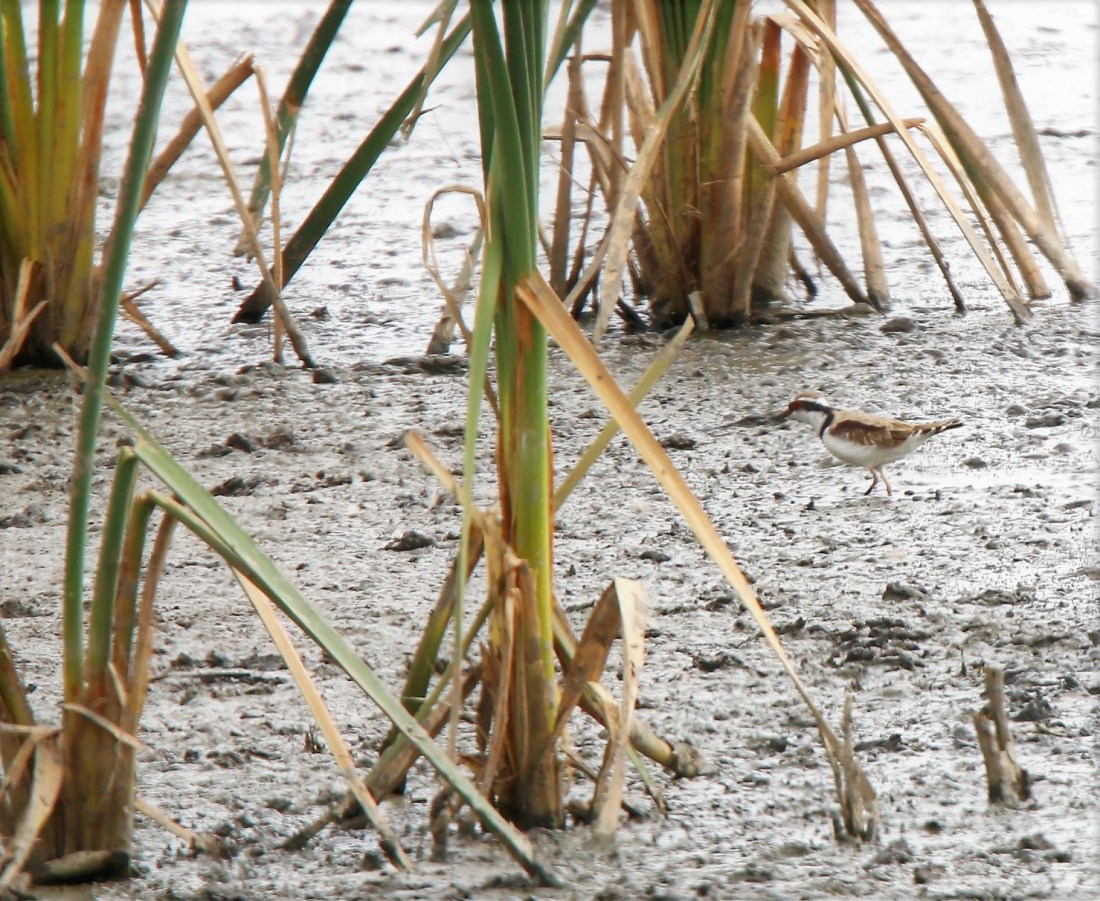
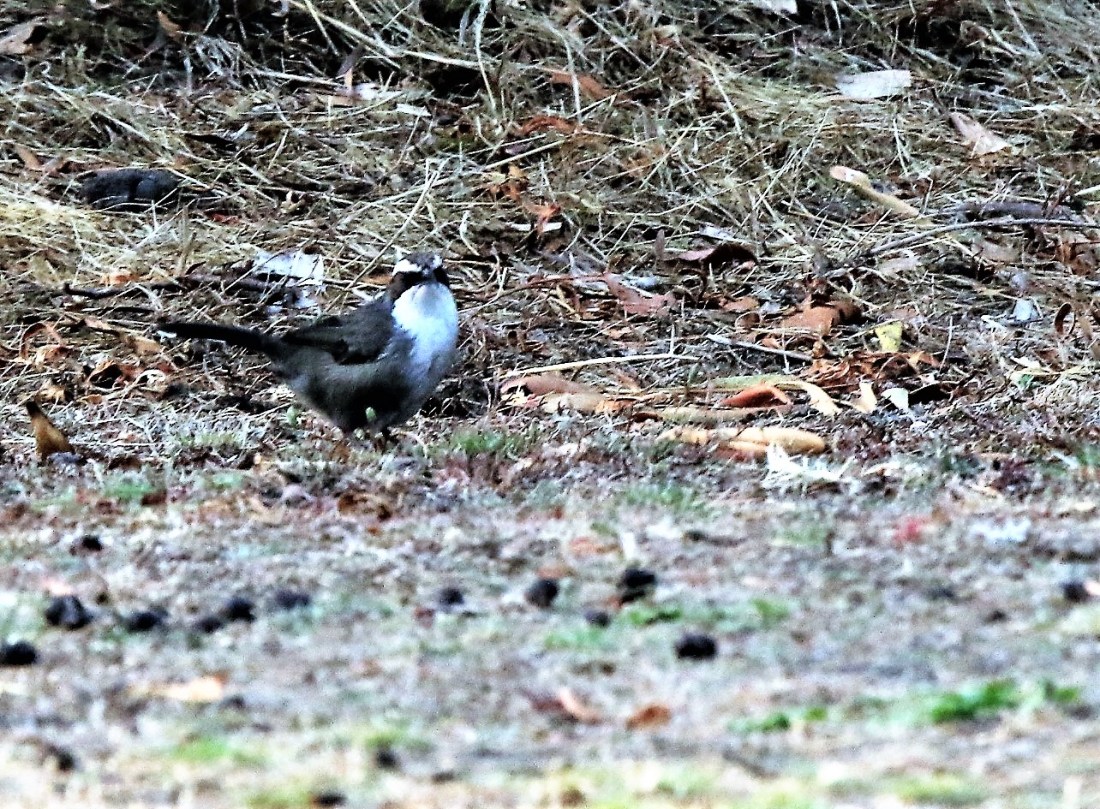
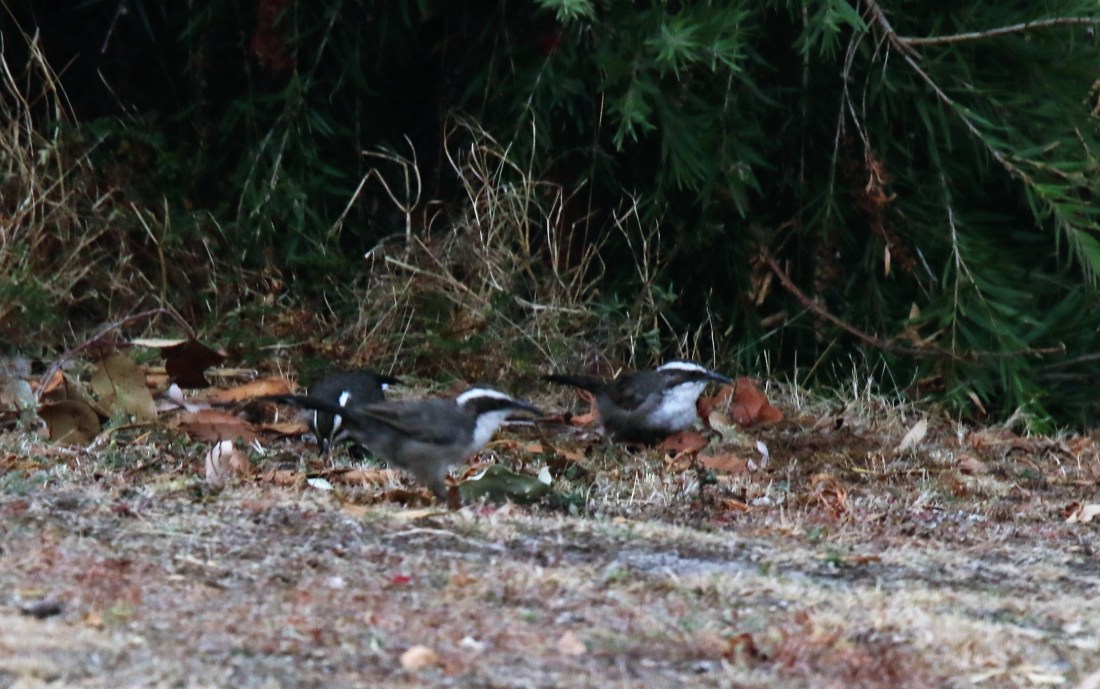
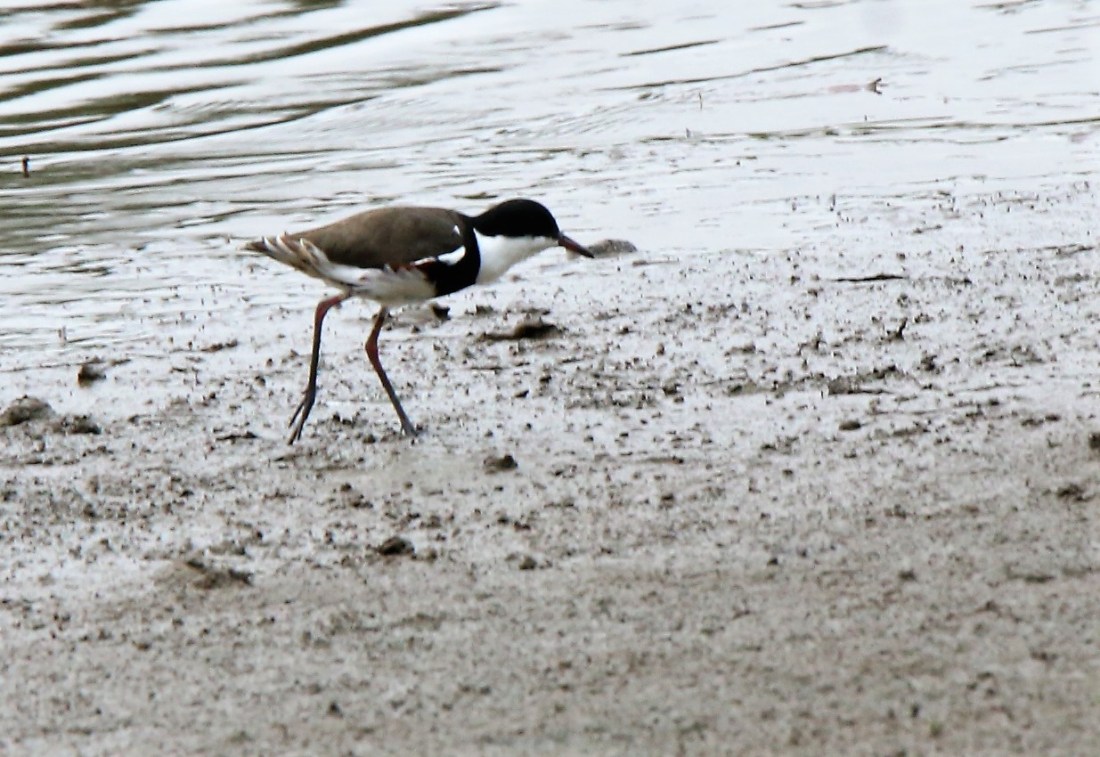
I have not seen both Red-Kneed Dotterells and Black-fronted Dotterells grazing together before.

IMG_1466IMG_1471Paradoxically, the Red-Kneed Dotterells are the ones with the most black on their fronts.

Let’s hope it rains soon.


Michael Monaghan

March 2019

Grampians

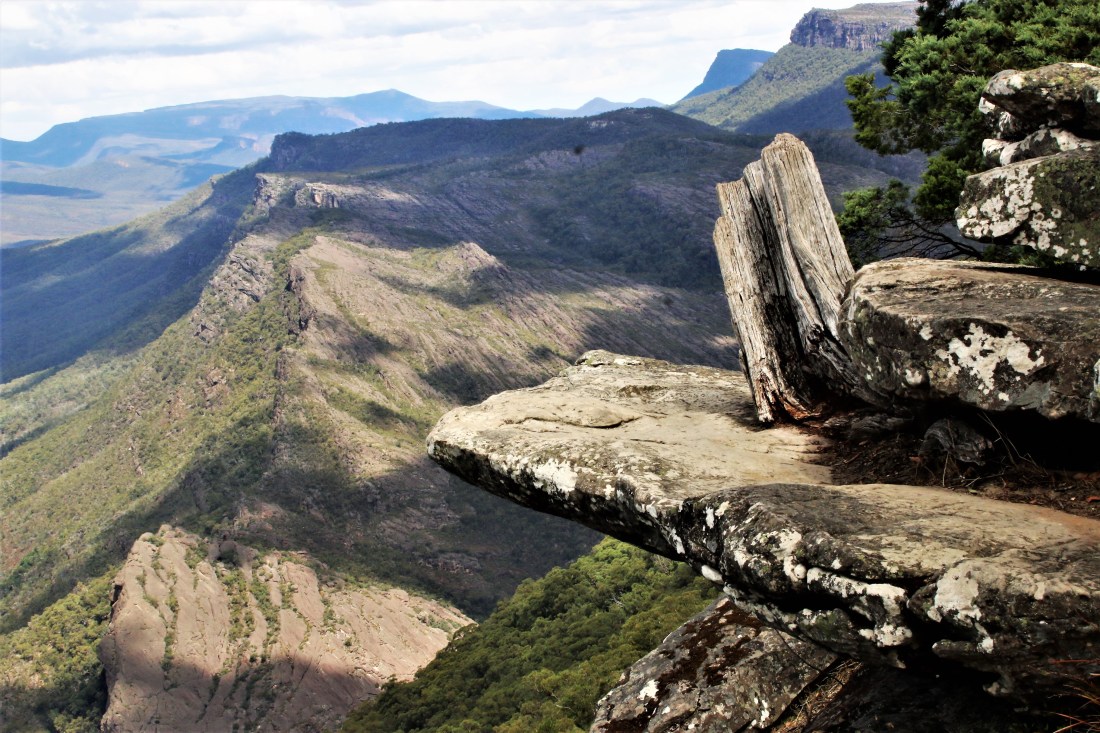
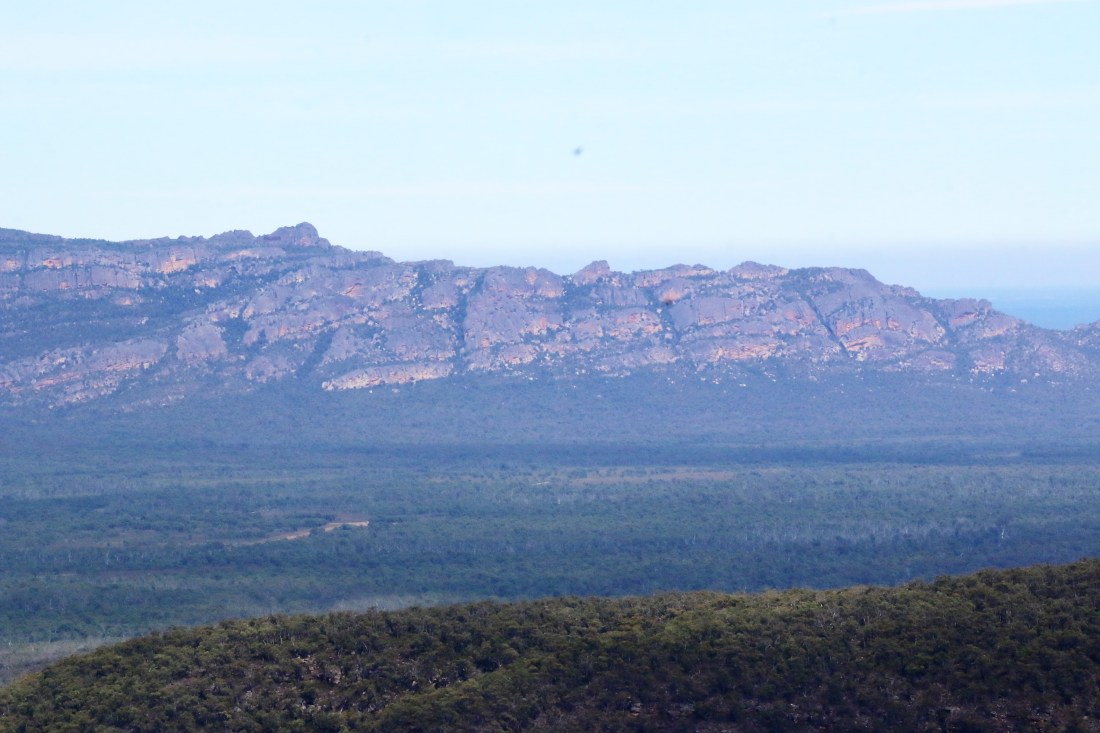
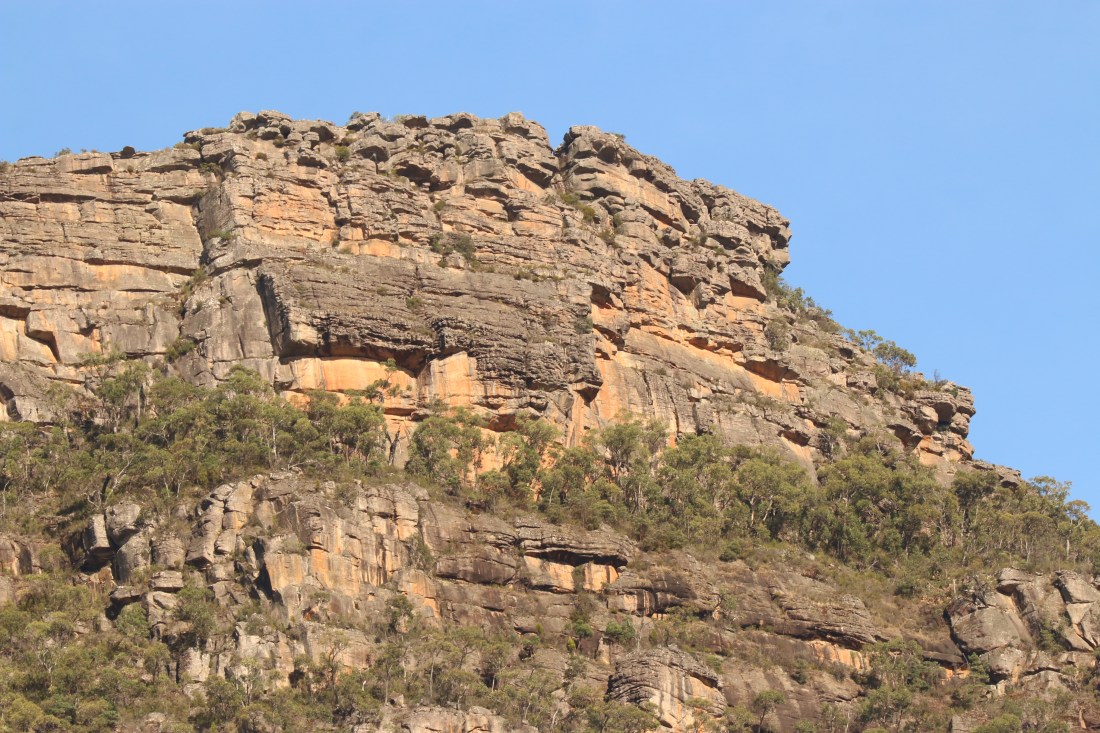
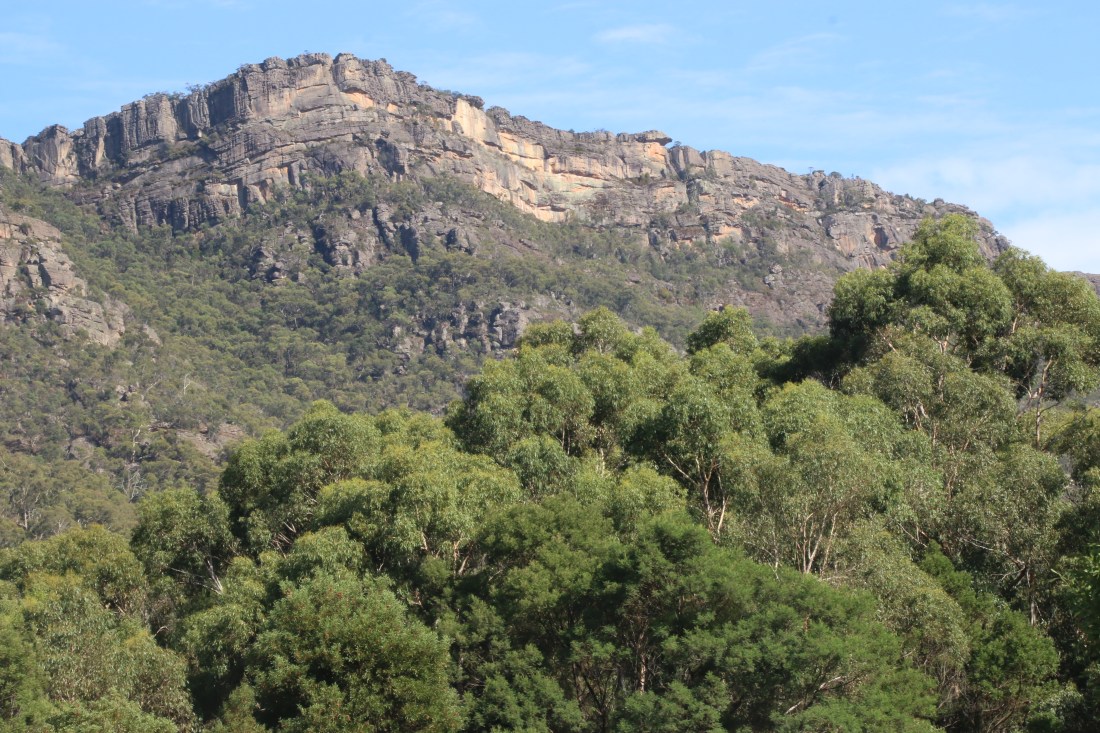
IMG_1201What an extraordinary region. The Grampians are a range of sedimentary uplifts someĀ  300m high. One can only imagine the forces at play.

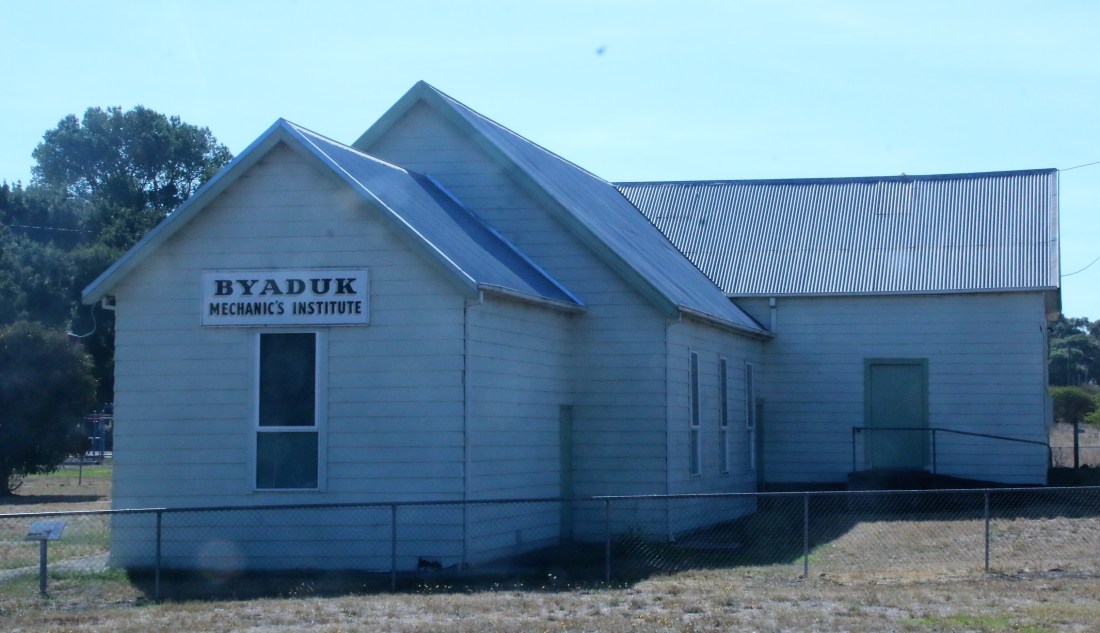
Firstly though, being settled by Launcestonians, Mechanics Institutes were a precursor to civilisation (Byaduk and Macarthur):

IMG_0991IMG_0947

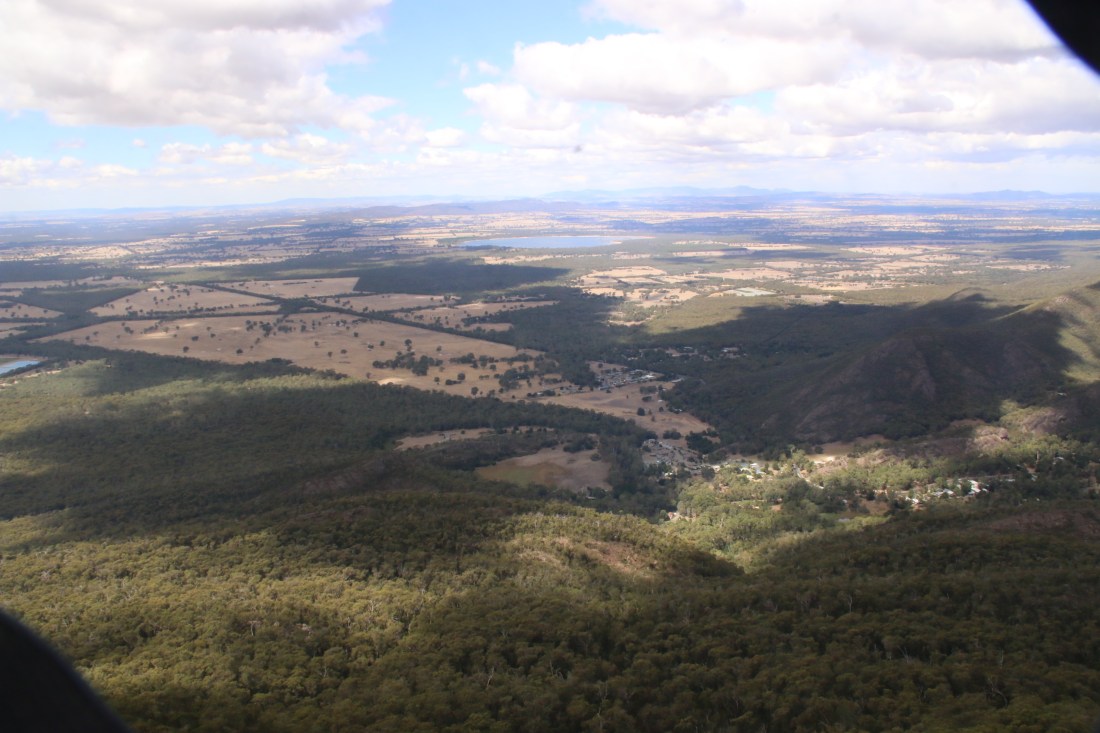
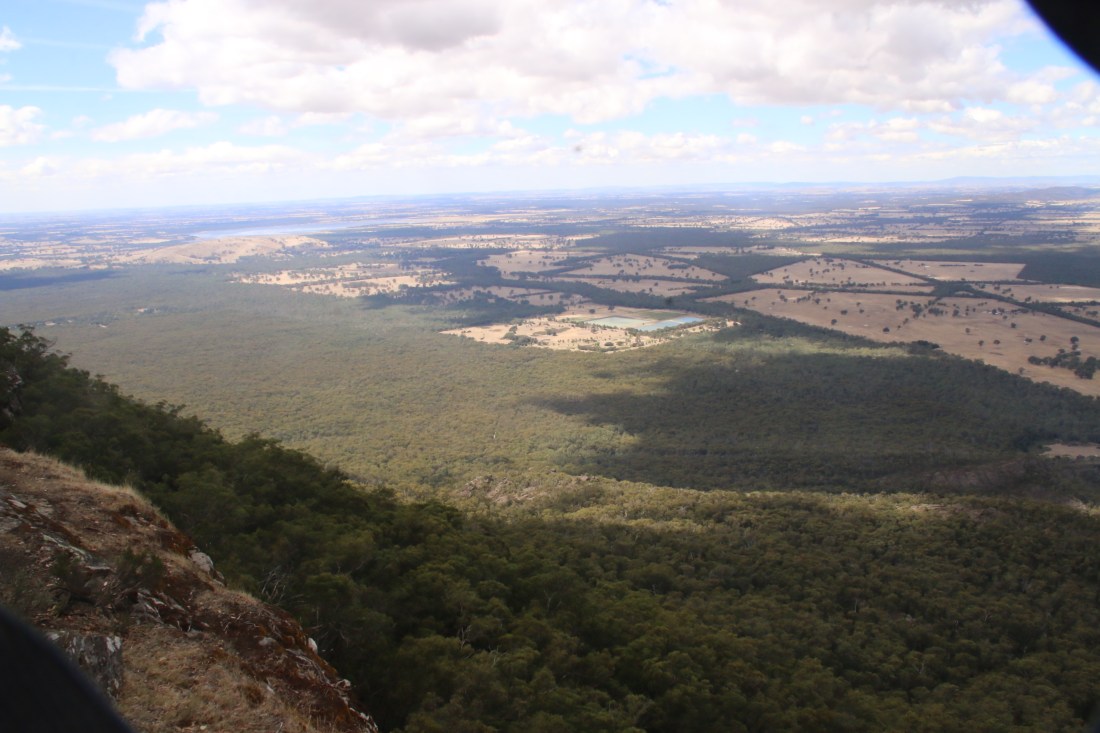
This is the Grampians from my accommodation:

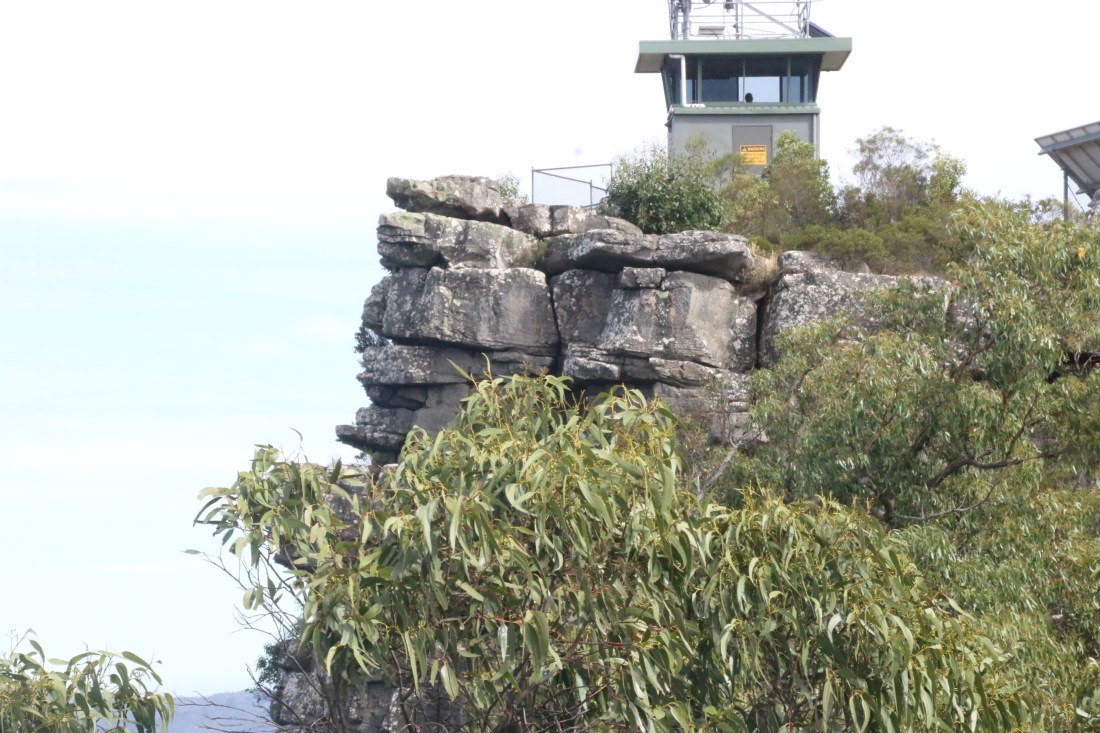
Halls Gap is, somewhat surprisingly, a gap in the Grampians Ranges. It is well seen from this lookout on the Mount Victory/North Grampians road;

IMG_1338IMG_1344IMG_1345IMG_1346IMG_1348

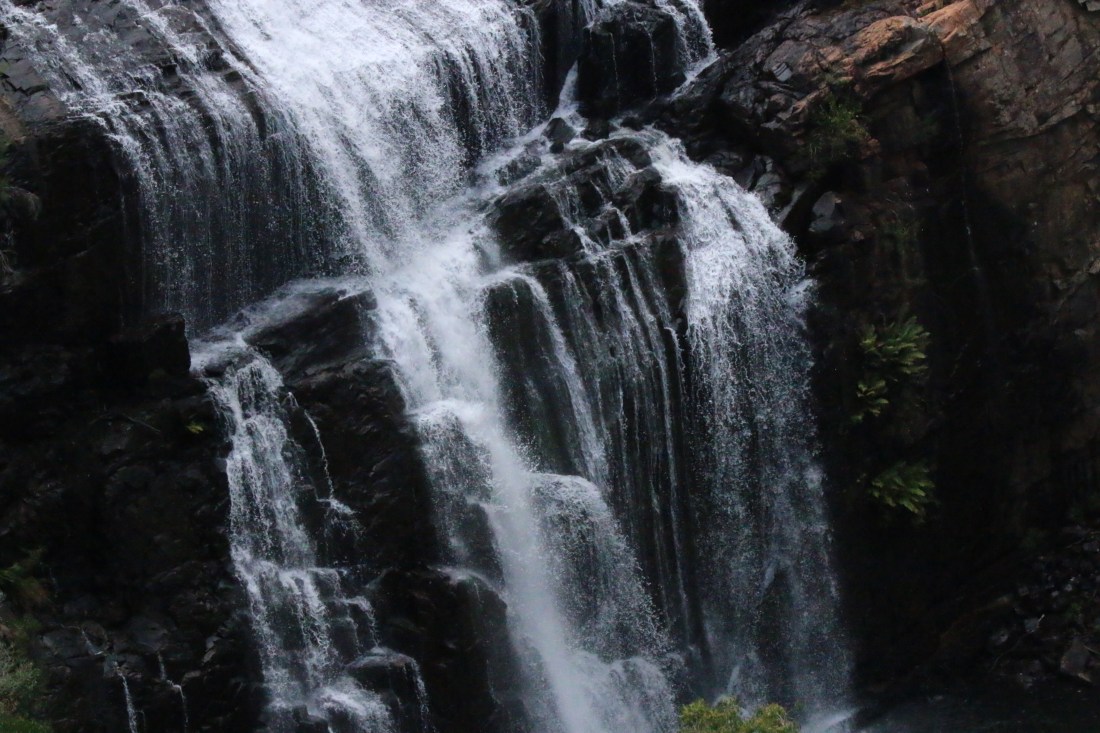
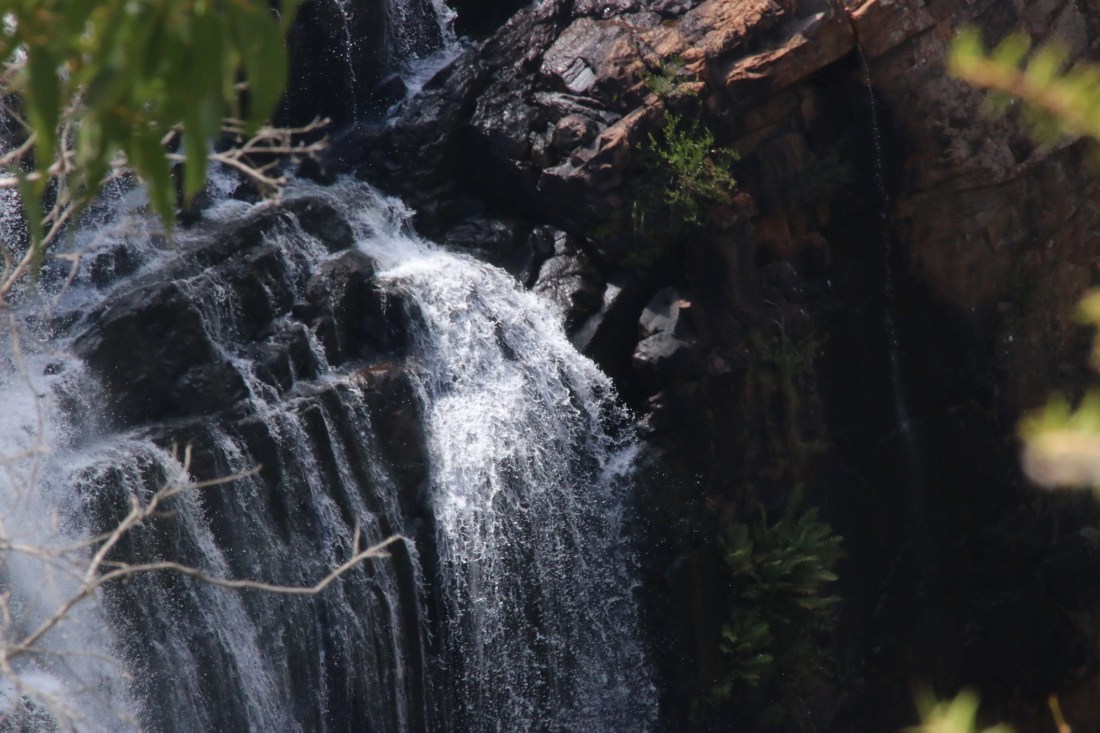
Mackenzie Falls are, well deservedly, a highlight of this area.

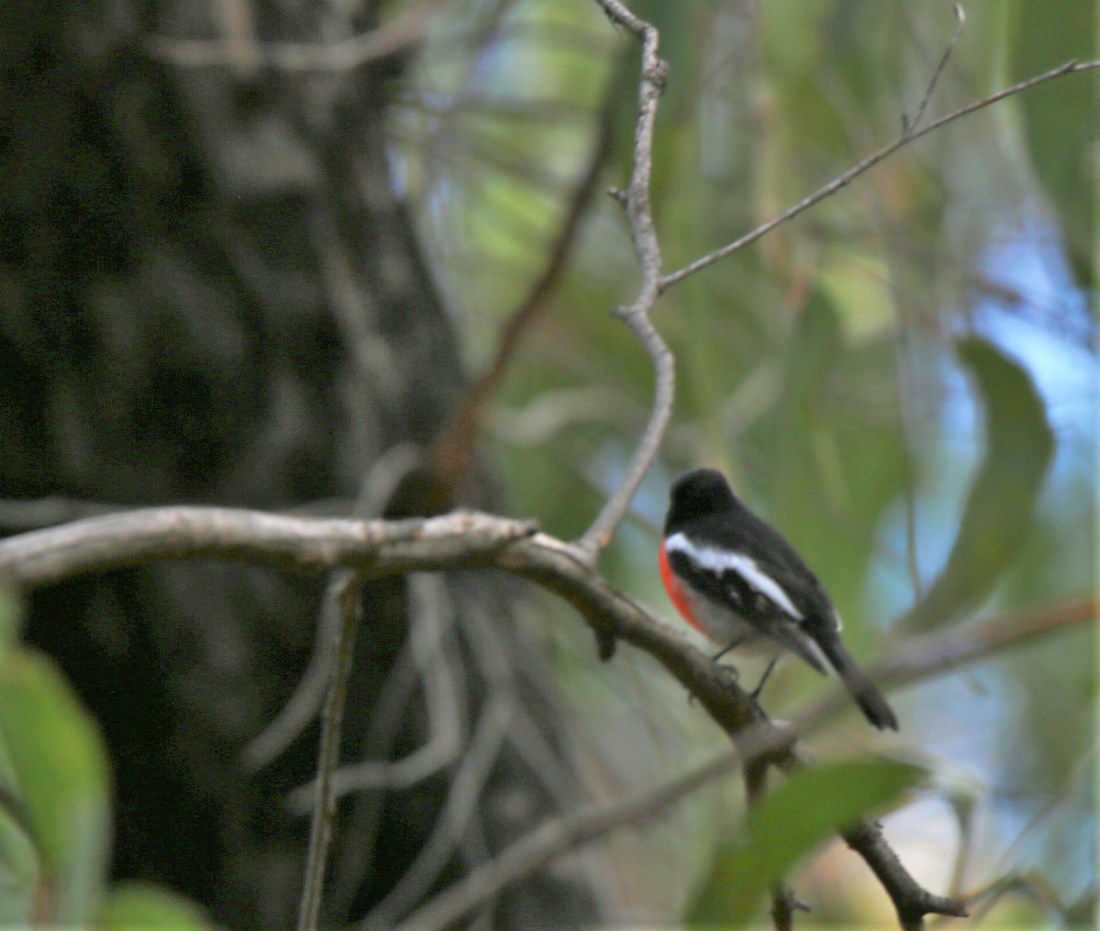
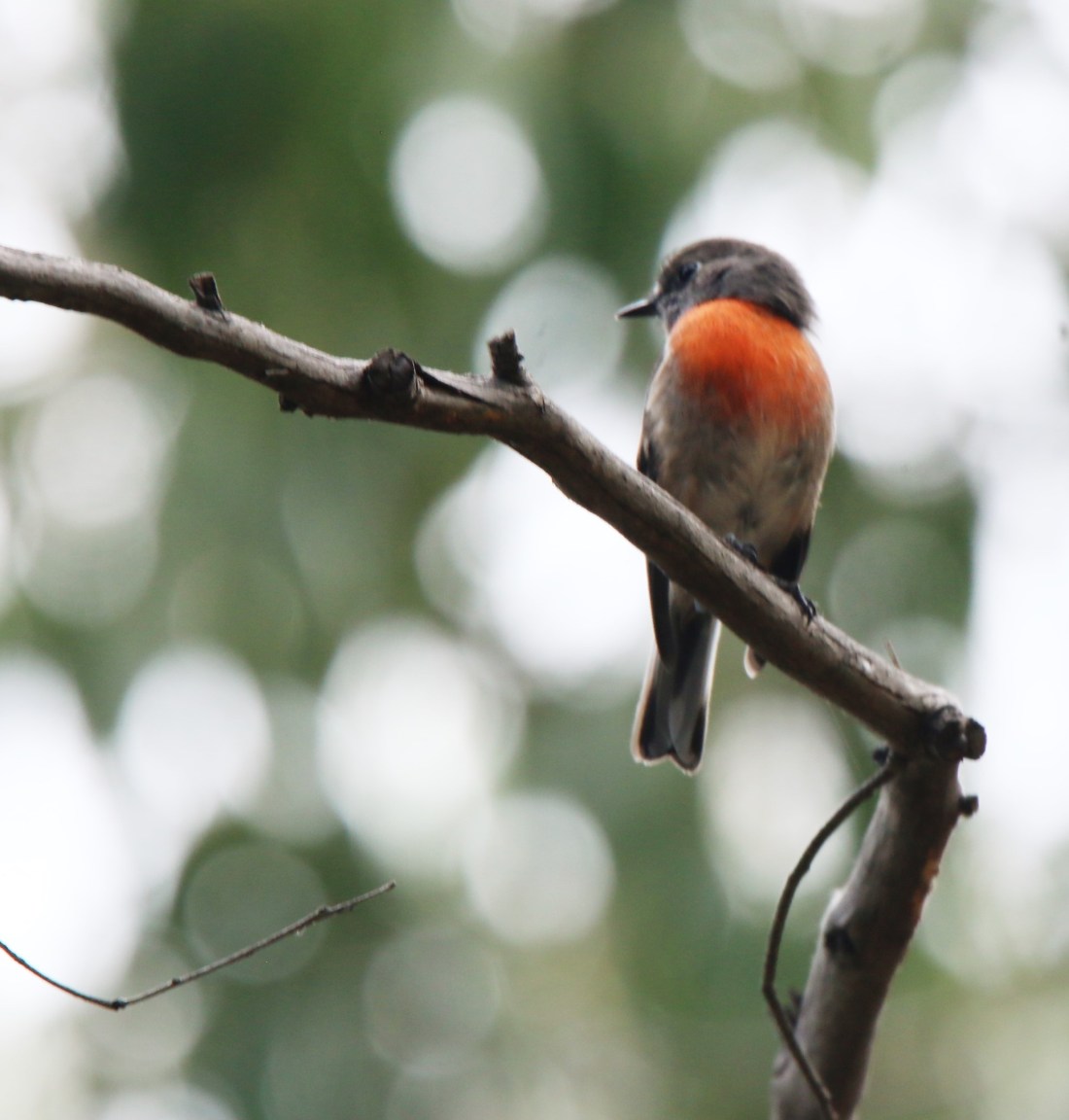
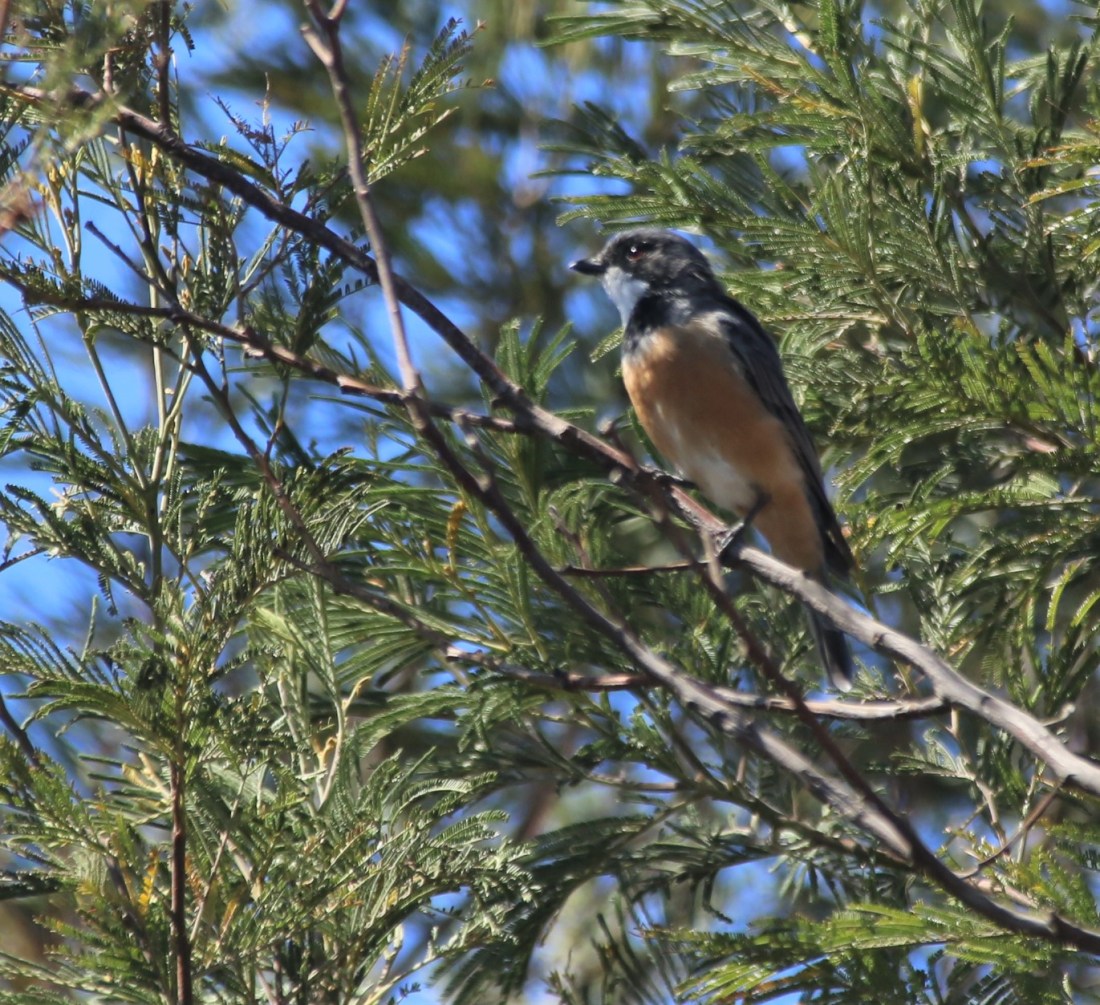
IMG_1168IMG_1176Along the many walks there were lots of birds to be seen, the highlight seeming to be the male and female Scarlet Robin:

IMG_1157IMG_1164

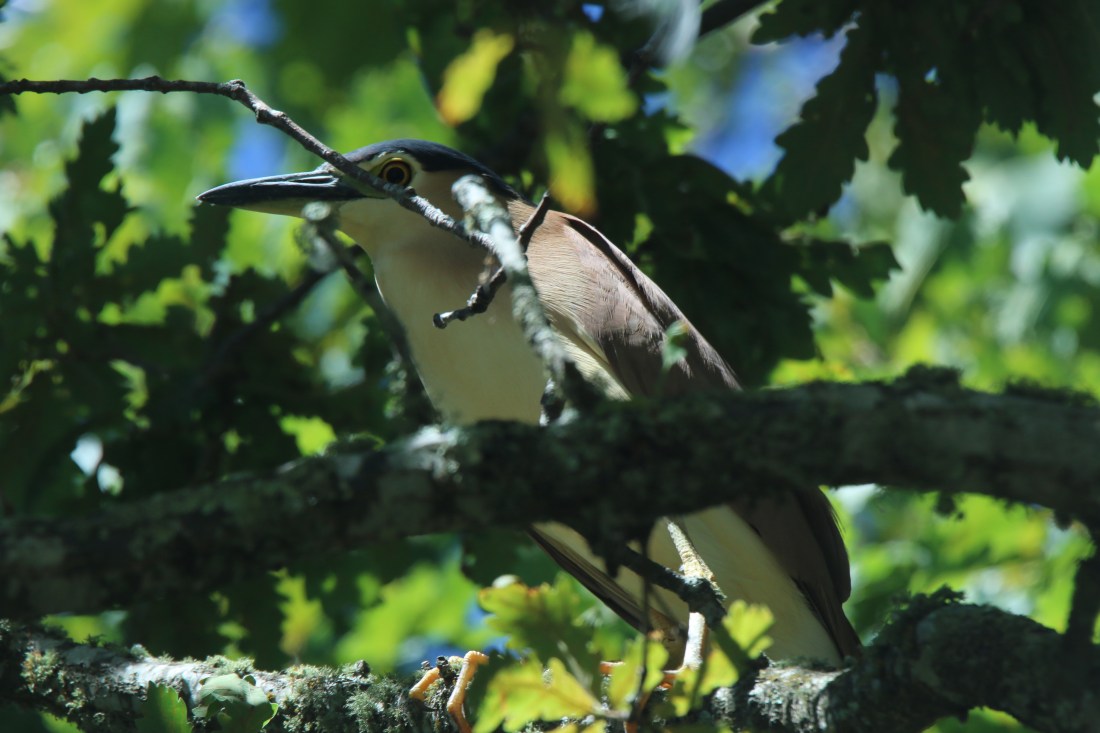
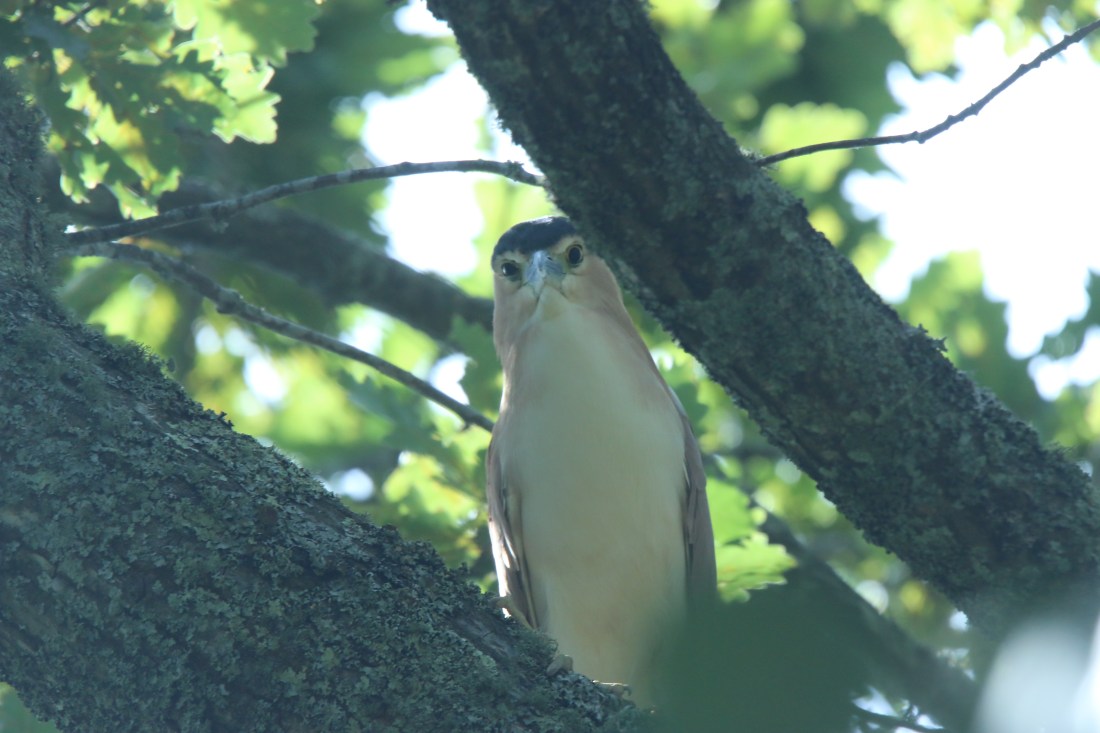
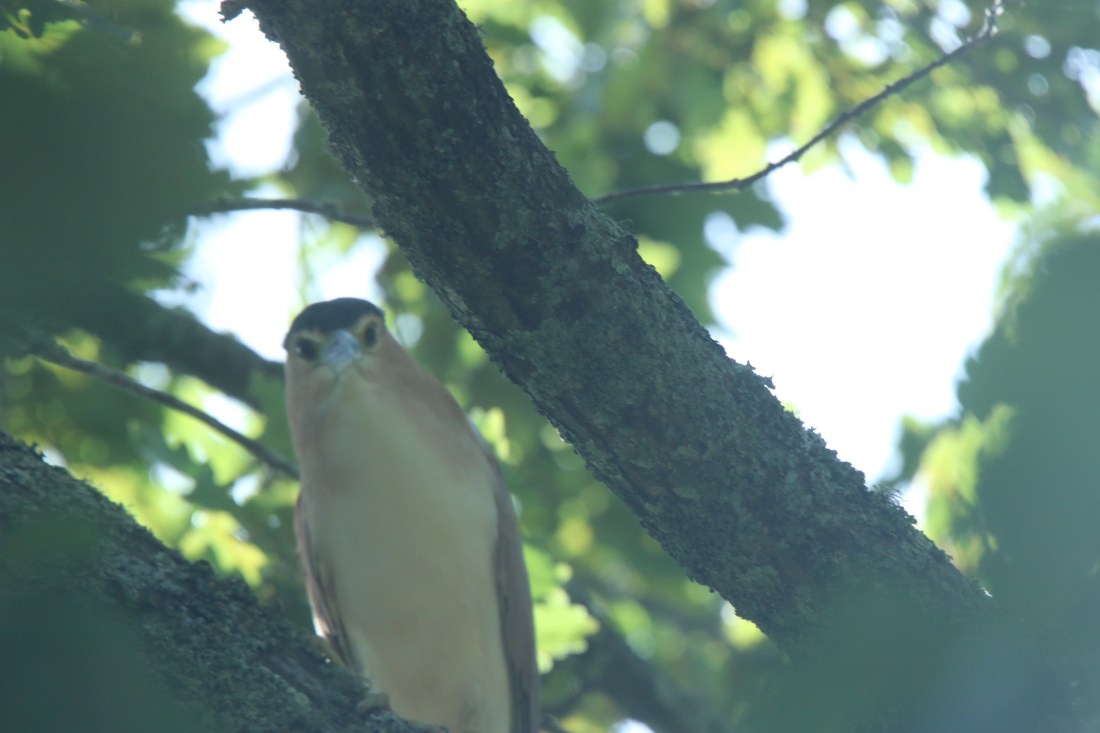
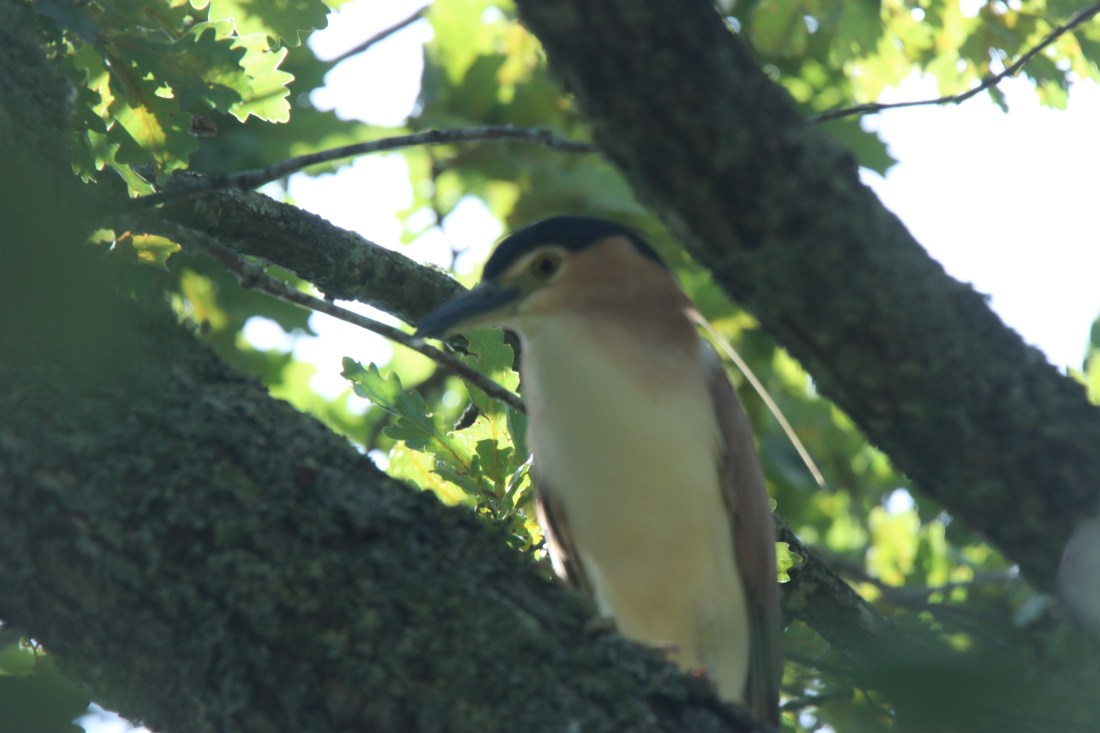
But I was lucky to bump several times into Paul and Laura, and under a single oak tree near the Warnook Weir, Laura showed Sherlock Holmes observation powers to look up to see what had pooped down. I was again lucky to be summoned to identify the strange birds.

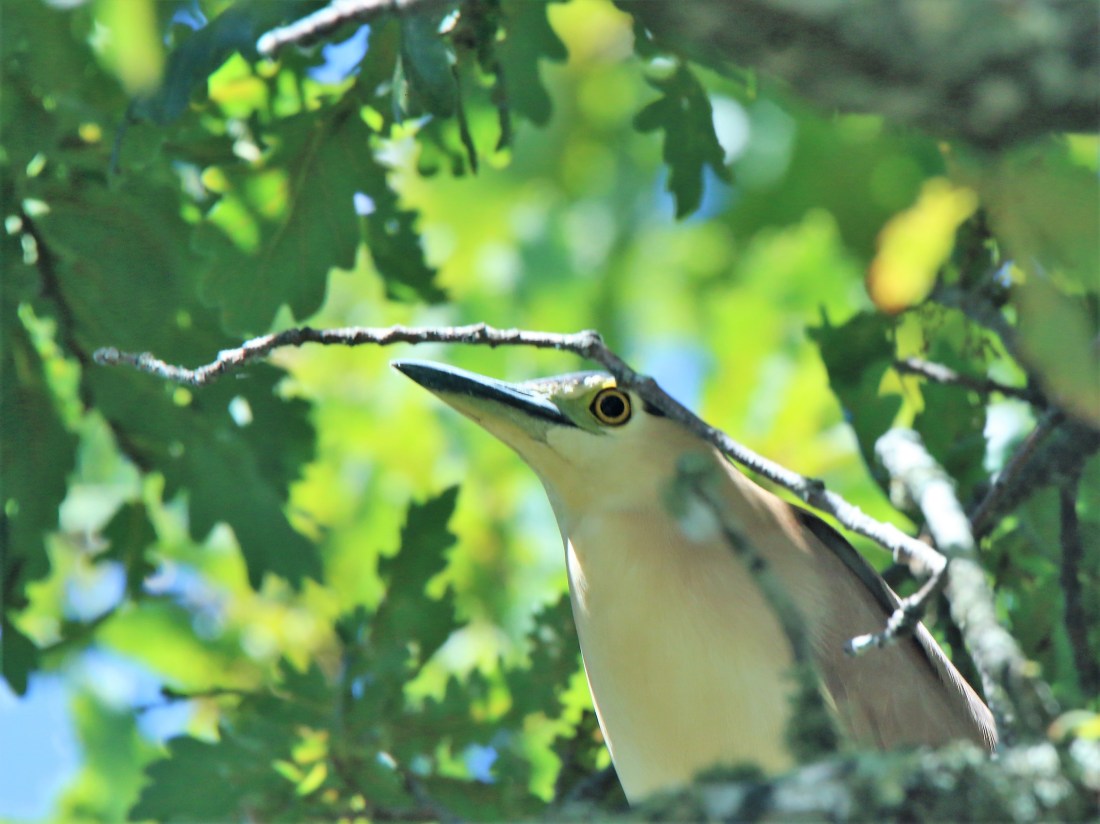
At first there seemed to be two Nankeen Night Herons, my favourite bird. Later we found there were in fact three, one breeding male and two others. Perhaps my most amazing bird findings ever. I can’t possibly choose the best photos so this is a selection


IMG_1195IMG_1201IMG_1213IMG_1252IMG_1263IMG_1275The last photo is of the breeding male with the show-tellĀ  feather spur from the back of the neck.

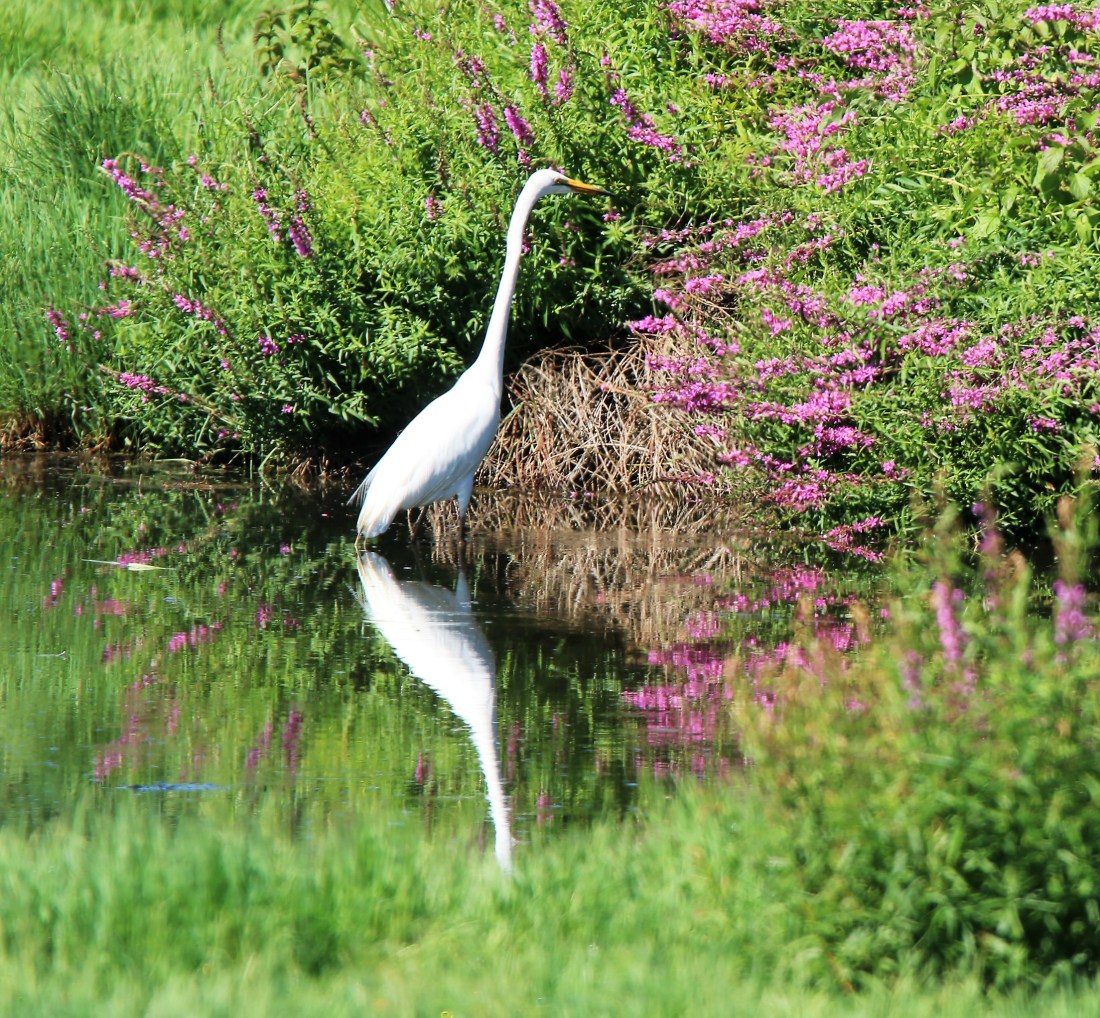
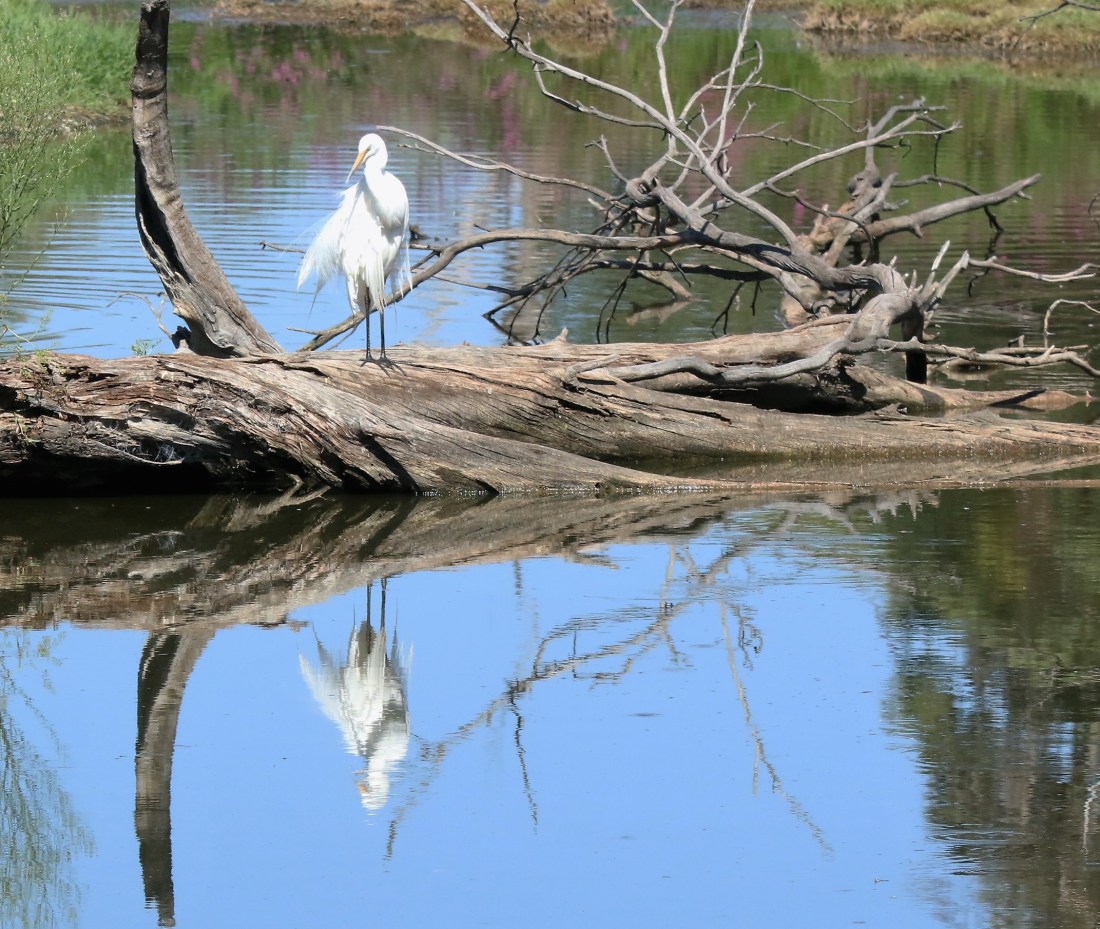
Many of the usual suspects graced the shallows, including this Great Egret pair.

IMG_1288 The Grampians are certainly extraordinary.


IMG_1137IMG_1091IMG_1100IMG_1138

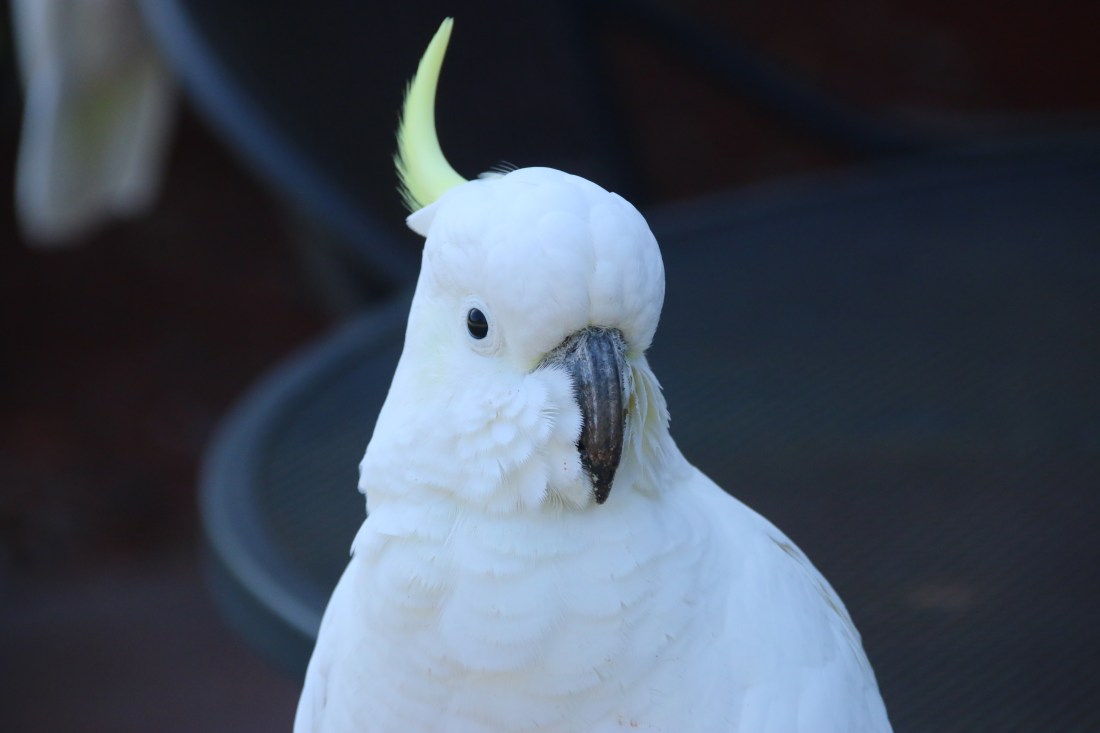
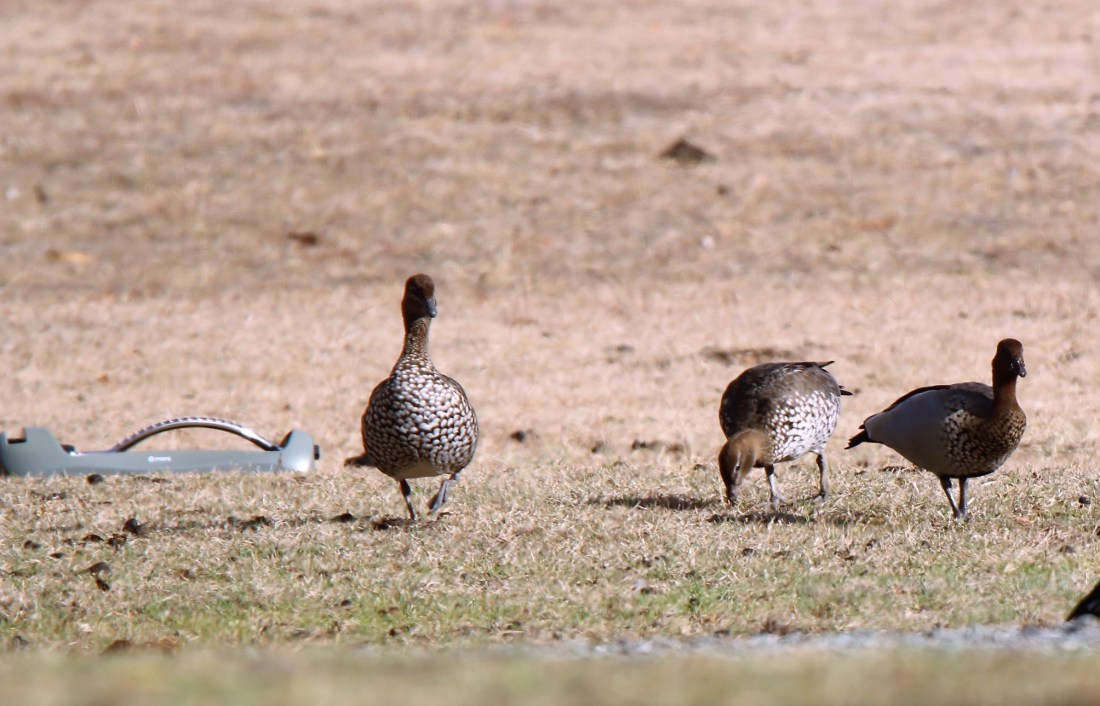
And the guests on the lawns at the excellent Halls Gap Valley Lodges included superb fairy wrens (including males losing their breeding blue) rabbits, emus, kangaroos, white browed scrubwrens, white browed babblers (my first sighting), crimson and eastern rosellas, kookaburras and many assertive sulphur-crested cockatoos. The white-browed babblers (my first sighting) are at the end.

IMG_1127IMG_1025IMG_1325IMG_1308

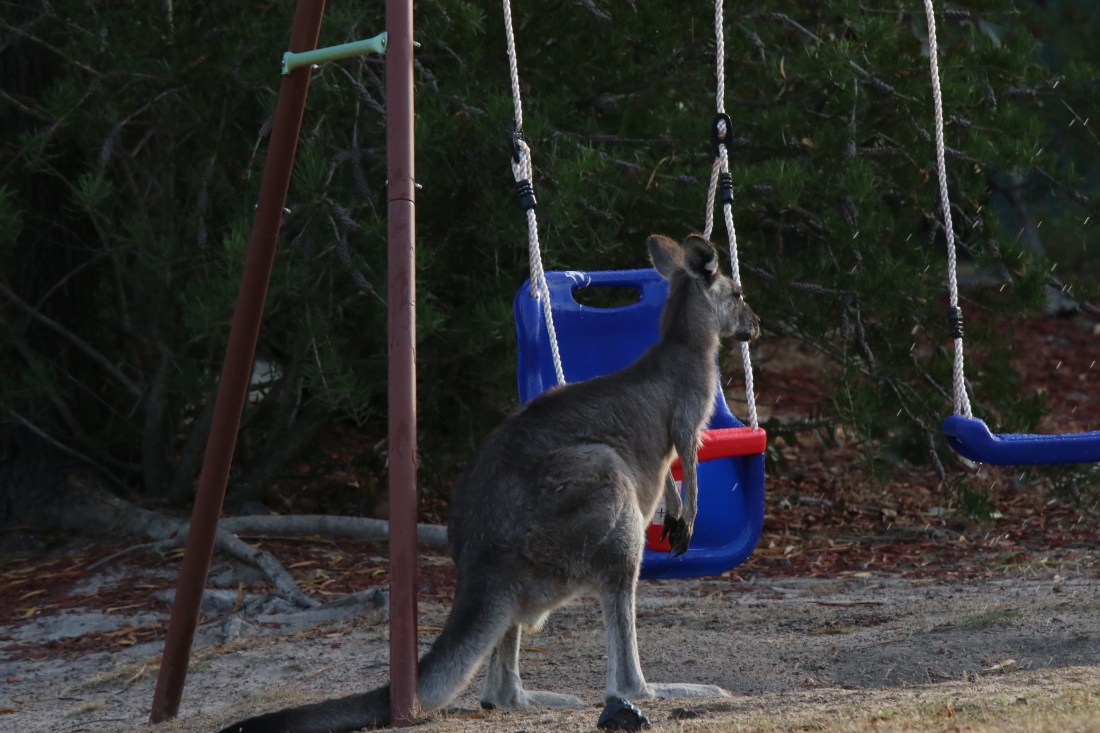
IMG_1065IMG_1047The swing got lots of attention from this ‘roo. To borrow from Austentashus: “You can garoo, you can!”

IMG_1064Michael Monaghan

March 2019


The Famous Eccles and the Story of the Big Bang

The Famous Eccles is, well famous, for his outstanding contribution to the foundation of modern comedy, through the Goon Show. There is a classic sequence where Bluebottle comments on Eccles’ Oxford tie. “I didn’t know you went to Oxford”. Says the famous Eccles: “Yup, yup. I went to Oxford.” Bluebottle: “Oooh! What did you do in Oxford?” Replies the famous Eccles: “Bought a tie.”

He was insanely famous, because Mount Eccles, a volcanic small mount near Macarthur, in mid-west Victoria, was named after the “famous Eccles” nearly a century before he came into existence. I suspect Doctor Who.

The Tumuli are worth finding, hard as that might be. Old Crusher Road is a sealed ok road. The Tumuli are on private land and clearly not cared for, but at this stage are still identifiable as capsules of lava which popped out from below through weaknesses in the earth’s crust. Very rare and should be better looked after.

Harman’s Valley lookout on the road from Macarthur to Hamilton is awesome. Fantastic signage too. You can see Mt Napier, which last went up only 8000 years ago, and the river valley created by the lava is evident.

These are lava caves, at Balyduk near Macarthur. The lava from Mt Napier, as is commonly the case, was hotter on the inside, so the relatively cooler flow formed a “skin” and the hotter internal flow kept moving. So a channel was formed inside the cooler skin, and over millenia some of the walls collapsed forming caves.

Victoria’s volcano country is not well known but is fascinating. And the more so, because our indigenous people would have seen it happen.


Michael Monaghan

March 2019


Scotts (no apostrophe) Creek, NW Otways, South-west Victoria.

Whoever created the European names for all the places around here must have decided the apostrophe was more trouble than it was worth – none to be seen.

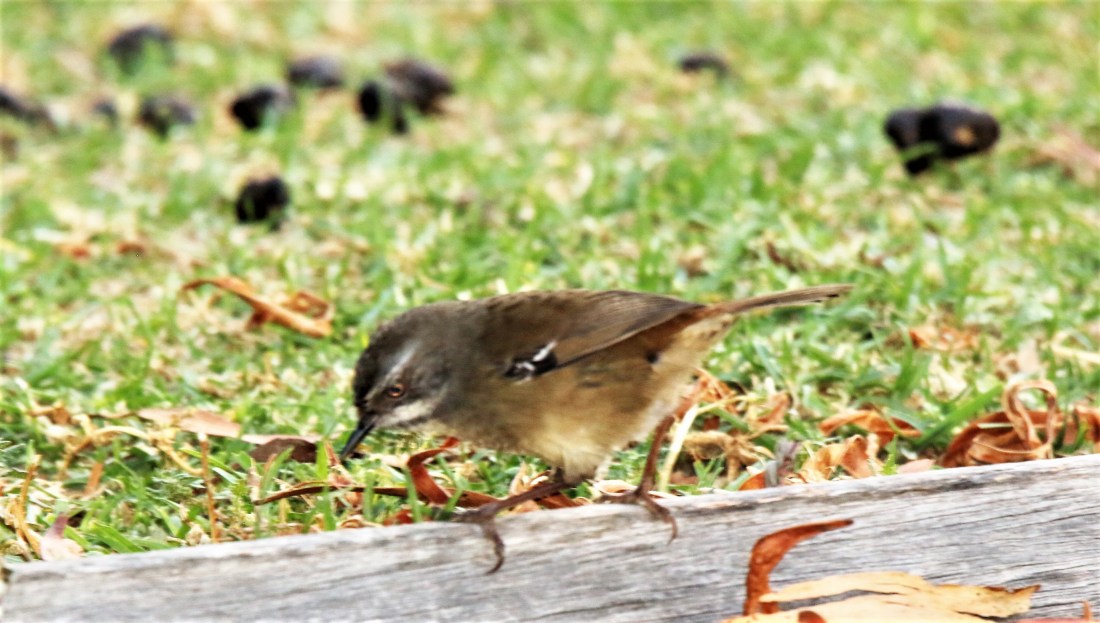
Trees are nearly as scarce as apostrophes, it being grazing land. But nearby there were Yellow Robins, and a Yellow-rumped Thornbill (last of the four).


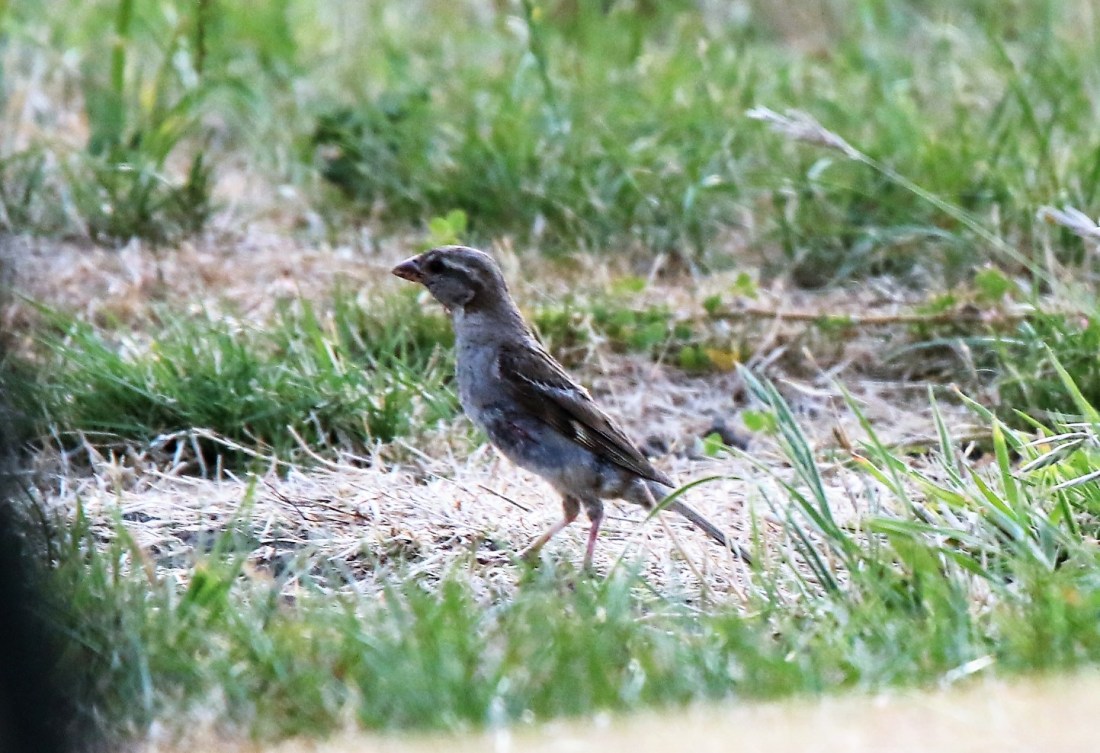
This looks like a Eurasian Skylark, also my first sighting, being very similar to the Bushlark but with a much longer tail.

IMG_0709.JPGThe sunrises were spectacular indeed:


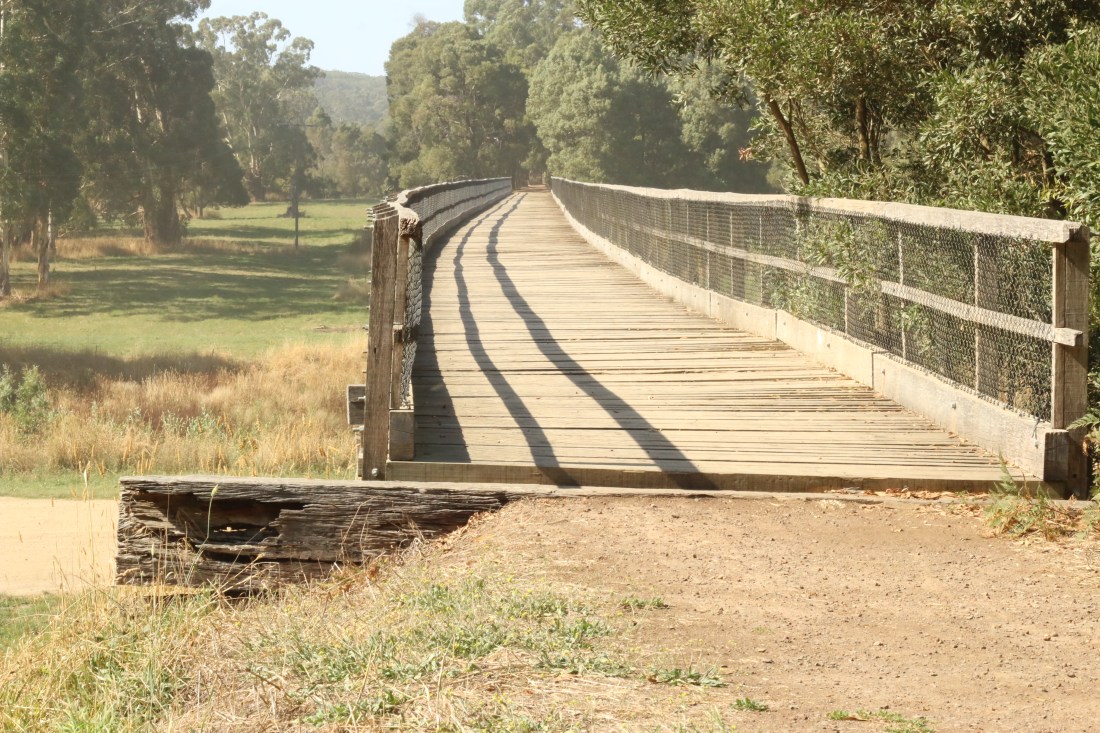
Nearby at Timboon, a foodies delight, there is one of the several wooden trestle rail bridges still standing across Victoria. Built in the late 19th century it is in good nick, although there are no rail tracks anymore.


IMG_0690Peterborough, where the Curdies (no apostrophe) River doesn’t actually run into the ocean at the moment, has many spectacular sandstone rocks suffering the same inevitable erosive fate of the no-longer-twelve apostles. I called on Peter from Peterborough but he was on the phone, I assume to the Coulda Been Champions.


b


Walking in the You Yangs.

The words You Wang in the local indigenous language mean something like: “big rock in open ground.”Ā  They are in a large granite range, part of the extensive volcanic remnants prevailing in mid west Victoria, and are just north of the Melbourne-Geelong Freeway, about 25 km east of Geelong. The first known European visitor was Matthew Flinders, and the highest of the granite peaks is now named after him.

The area was very dry with little undergrowth and now with large tracts of planted eucalypts.

IMG_0634

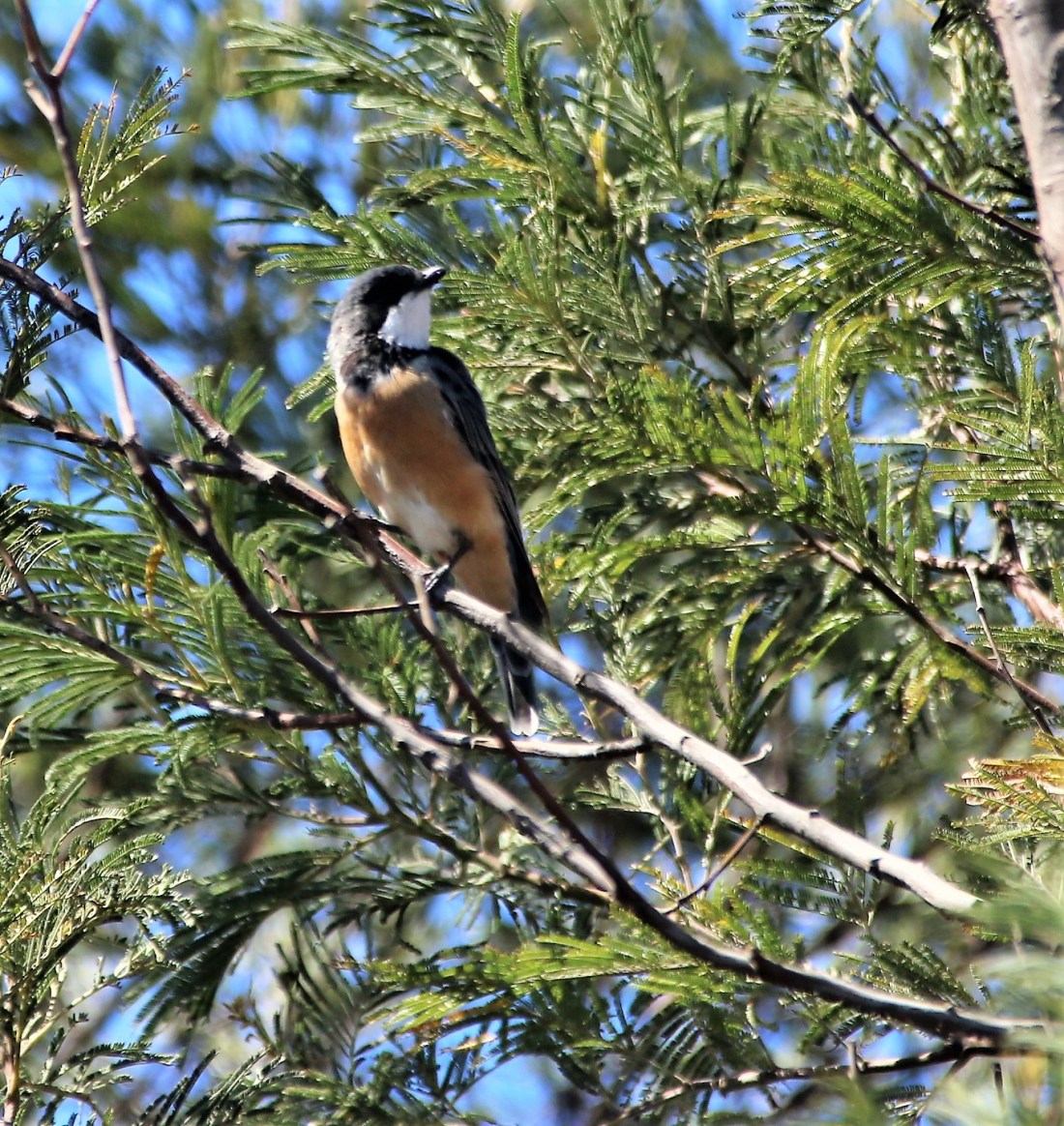
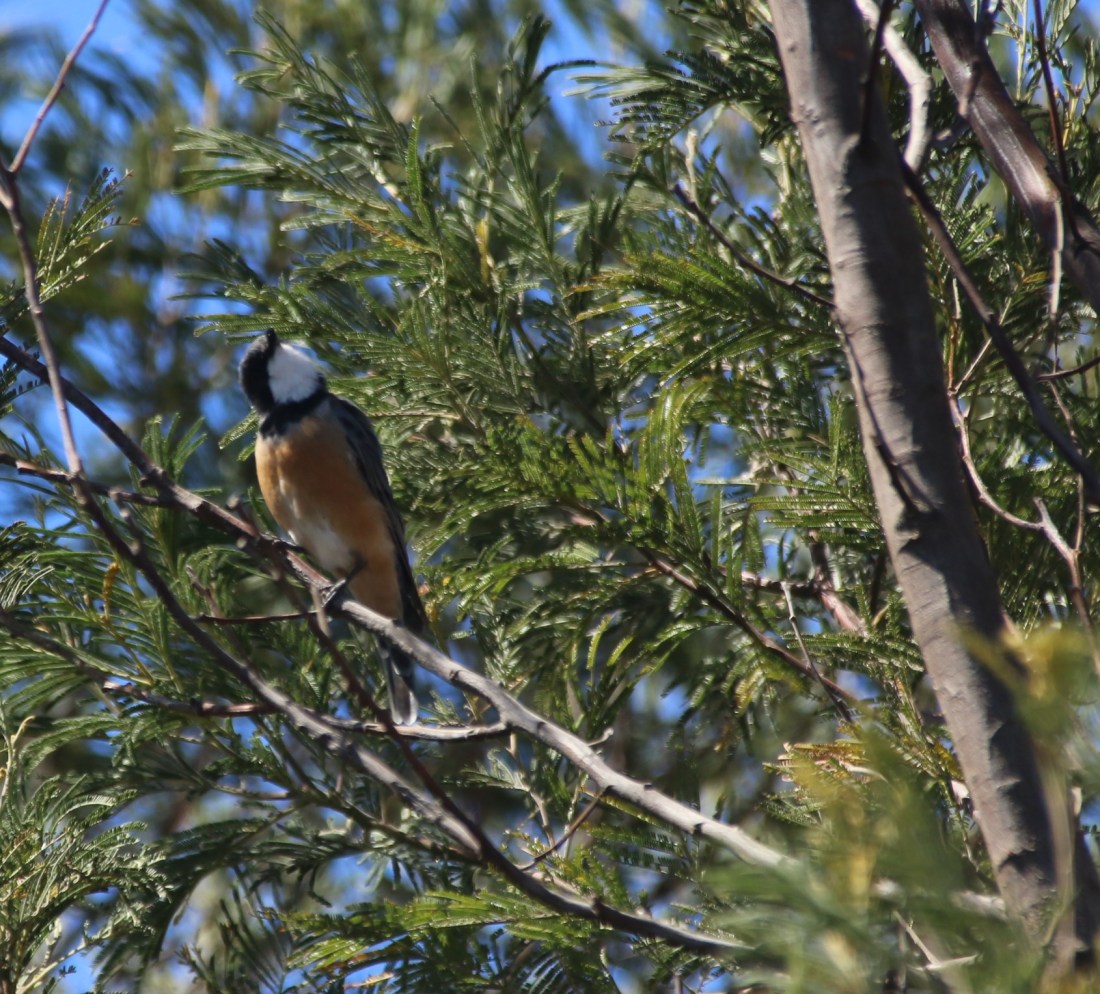
The most exciting find were my first sighting of Rufous Whistlers:

IMG_0584IMG_0585IMG_0586

There was also excitement with this odd looking blueish wren. Turns out to be a male Superb Fairy Wren after breeding season, its striking light and dark blue special purpose colouring almost back to normal.

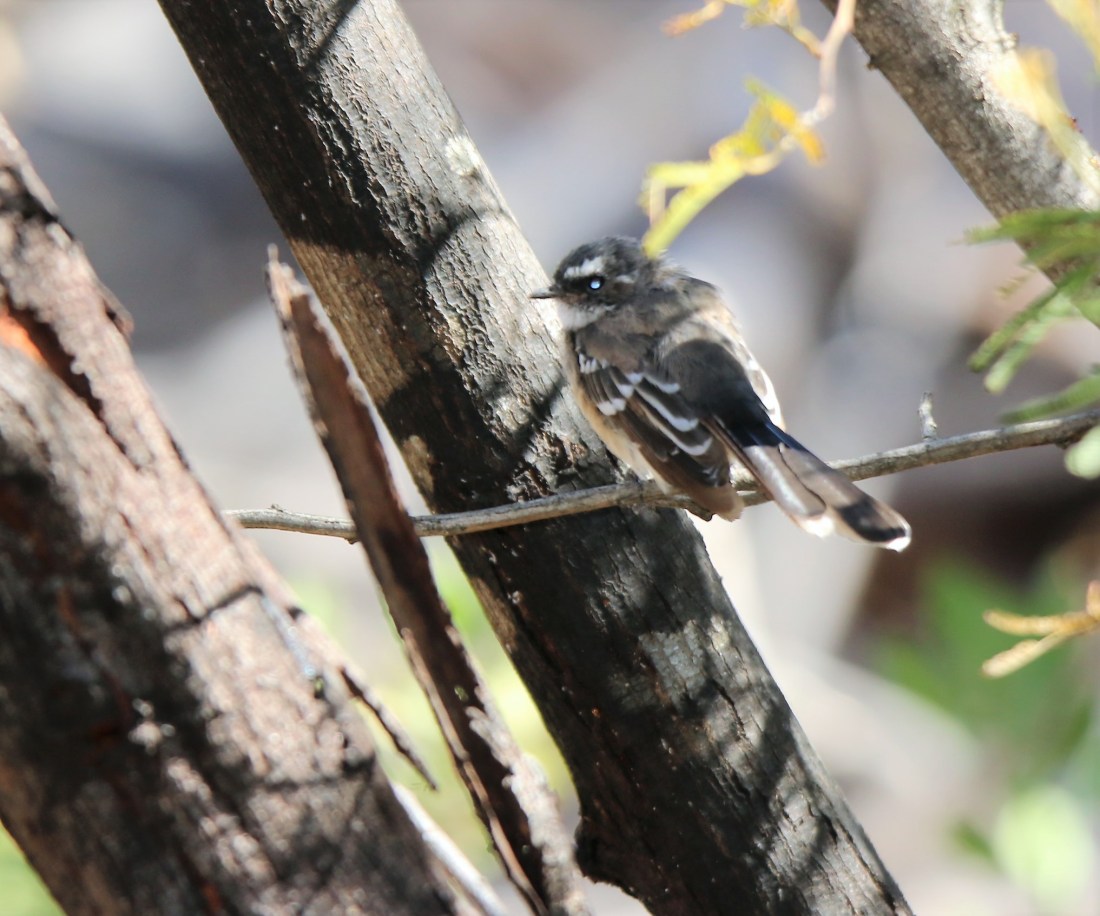
Grey Fantails were plentiful, there being just enough scrub-like cover for them:

IMG_0599

A couple of just visible birds are proving hard to identify. The second turns out to be a female Rufous Whistlebird, and the first is a juvenile Rufous Whistlebird.


Michael Monaghan

Feb 27, 2019

“Would you like to come to a sewerage farm?”

Sean Dooley, in his excellent book, ‘The Big Twitch” frequently bemoans the ineffectiveness of the pick-up line: “I am going to a sewerage farm tomorrow. You wanna come?”

I did, however, thankfully accept such an invitation, albeit not in the pick-up context. The Werribee Water Treatment wetlands are certainly worth the effort. More birds than you could poke a stick at!

The most critical infrastructure was in place:

IMG_0340


You need to apply online for a permit. Unfortunately, one of the rules is that you aren’t allowed to driveĀ  your tractor into the ponds – that nearly stopped the trip dead in its (the tractor’s) tracks. But we got over that disappointment, and having got the key, headed out past Werribee to Point Wilson, where the geographically misnamed wetlands are to be found. Despite the nature of the products here treated, toilet facilities are alluringly scarce – the one toilet, looking new – was closed due to a safety issue?

I reckon the ponds occupy about 20 square kilometres. Avalon airport is visible to the west from most of the wetlands. There is a hide on the edge of Port Phillip Bay. If you were going I would try to get there at mid to high tide, but this is an improvement not an issue.

Cattle grazing and cornfields exist within the area. Black Kites (identifiable by the bit (B for black) missing in the tail ie a concave end to the tail, are plentiful in the dry fields in the middle.


I didn’t know Brolgas came this far south:

There were thousands of Australian Shelducks, with some close couples apparently:

IMG_0491My first sighting of Red-necked Avocet was followed by sightings of hundreds of them:

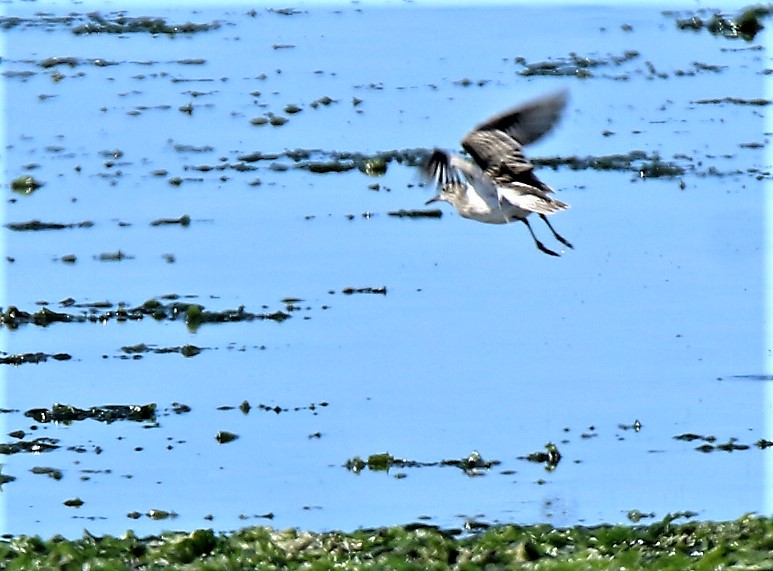
Whilst I did see an occasional Sharp-tailed Sandpiper on the north coast of New South Wales, there were hundreds here:
IMG_0343I had also never seen the Glossy Ibis before – further north there are the Sacred (Australian) and Straw-necked:

IMG_0538

No Straw-necked Ibis evident, but the Sacred (Australian) was:

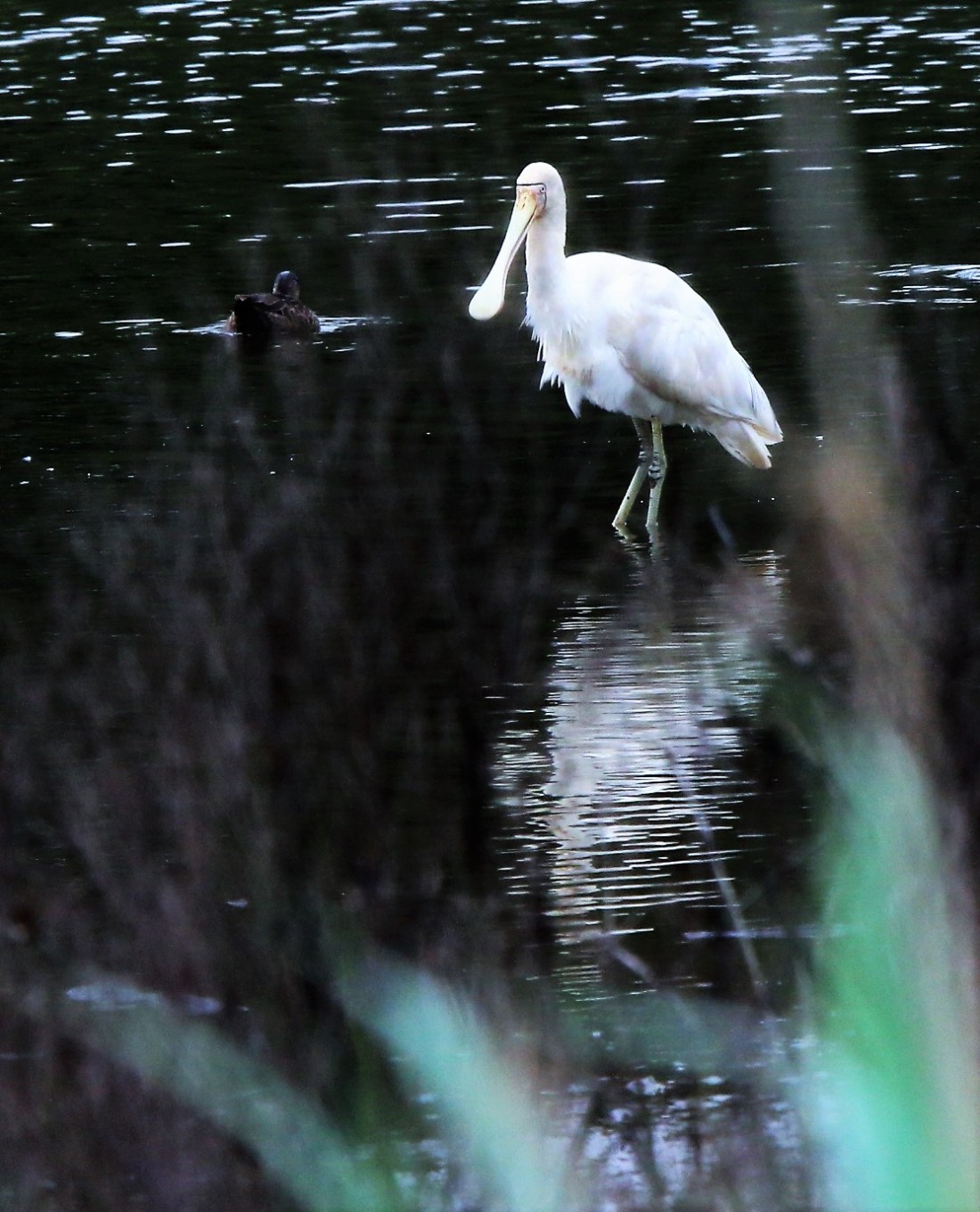
IMG_0545The Yellow-billed Spoonbill and the Little Pied Cormorant seemed quite at home with the Glossy Ibis:

The usual suspects were also about, the Eastern Great Egret (non-breeding –Ā  the dark shading on the bill is longer when breeding), and the White-faced Heron:

And amongst the usual suspects were hundreds of Black Swan:

IMG_0351Whilst I have seen lots of Black-winged Stilts, I have certainly never seen so many in one place:

It was also my first sighting of the White-fronted Chat:

As always it is worth checking the apparently amorphous duck population carefully. Lots of Pink-eared ducks about:

IMG_0512

Lastly, and identified by my knowledgeable advisor, the Golden-headed Cisticola and Australasian Pipit.

IMG_0452IMG_0470

What an extraordinary place!

Michael Monaghan

February 26, 2019


A fascinating couple of days at the Jerrabomberra wetlands.

Heron, Nankeen Night 2Have been a bit slack lately, so have got a few days’ worth of photos from the wetlands to share. Some rarities, especially the Nankeen Night Heron, and a first ever sighting for me of a Spotted Crake (and I was the one who spotted it).

Let’s start with the Spotted Crake. I just noticed some movement deep in the rushes, so the photos aren’t too flash:

The little Australasian Grebe family seems to be doing well. Both chicks still alive some weeks after appearing. Dad is still in his breeding colours so perhaps there will be more action:

Although I have seen Great Egrets elsewhere this was the first time here. This is a non-breeding adult:

Egret, Great (f)

Egret, Little

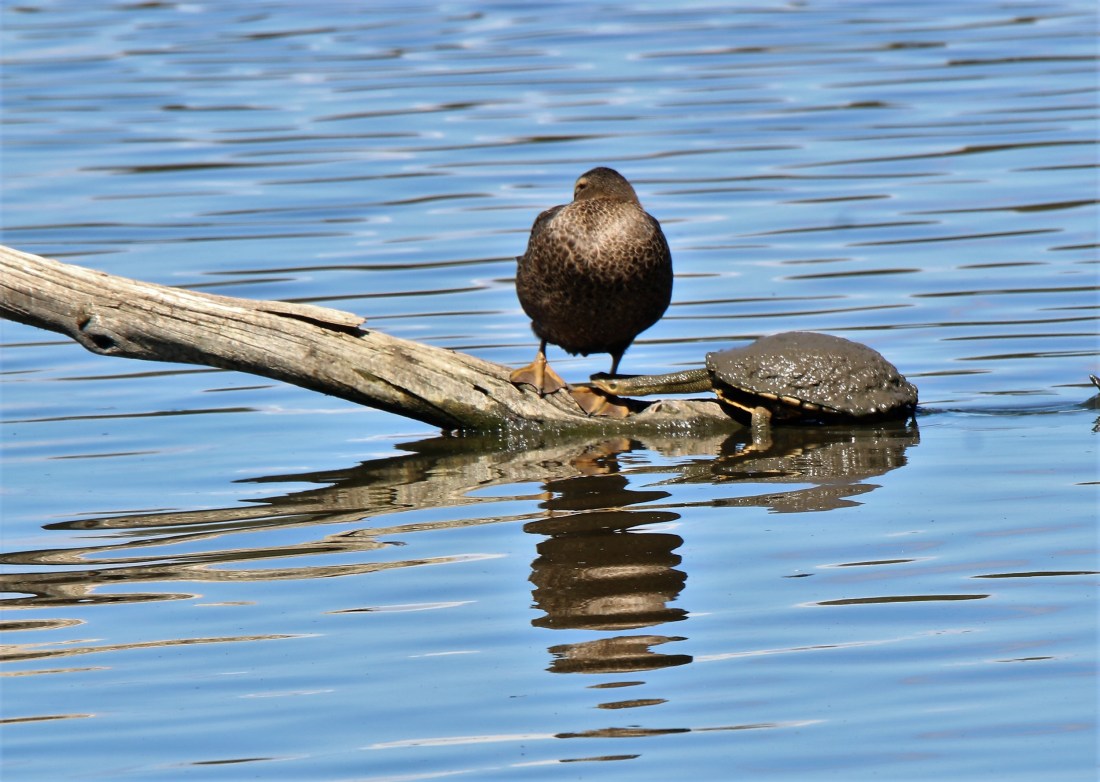
As always, plenty of ducks; but it always worth investigating as there are often many different species. The Pink-eared Ducks are featuring prominently at the moment. Note the Long-Necked Turtle looks quite at home on the Preening Log:

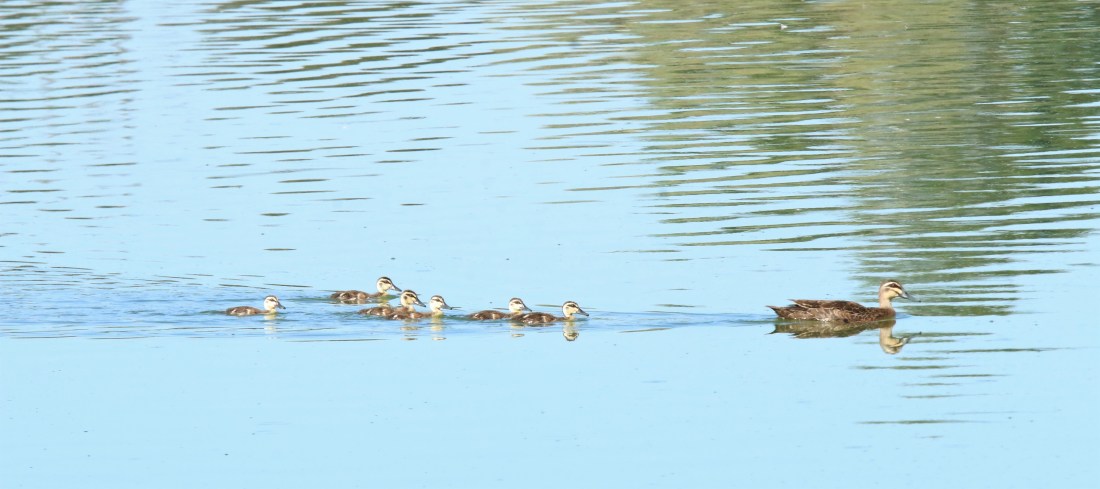
Other ducks include this family of Pacific Black Ducks:

Ducks, Pacific black

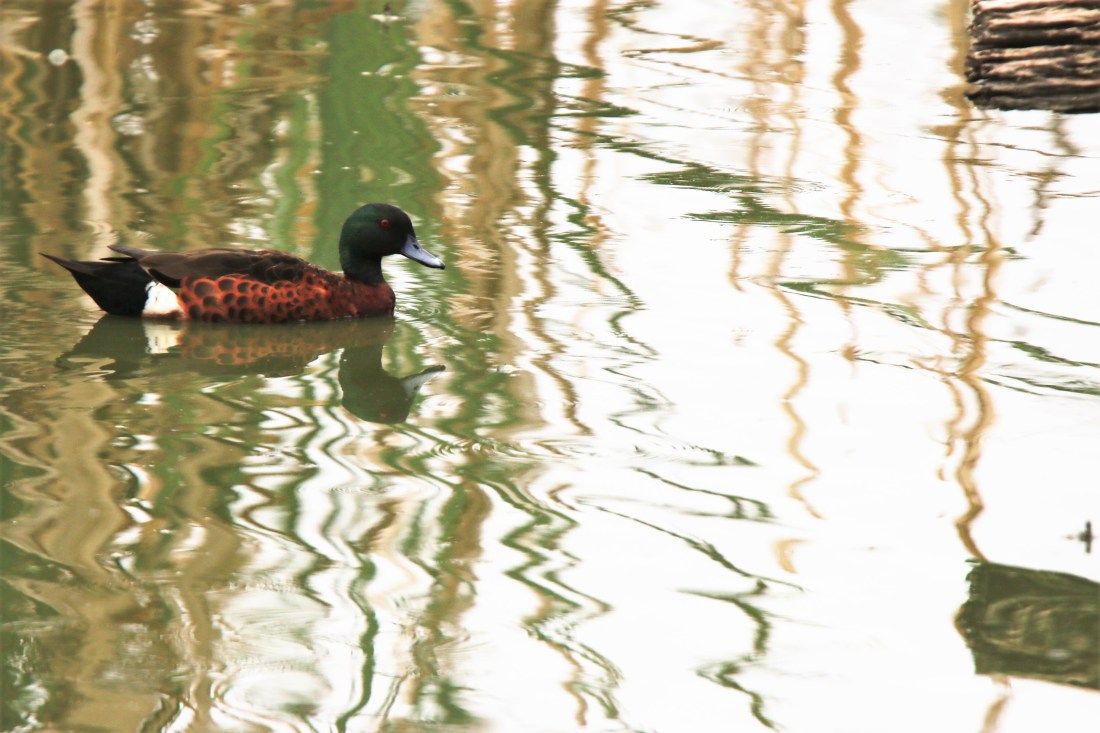
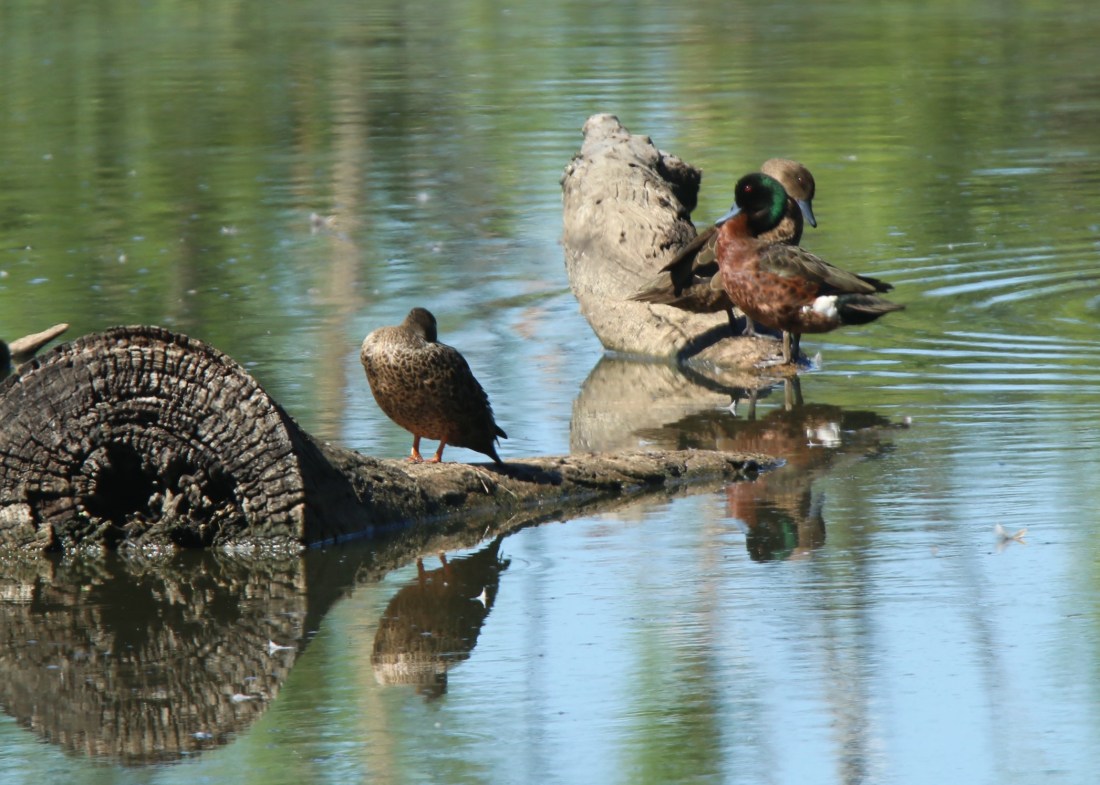
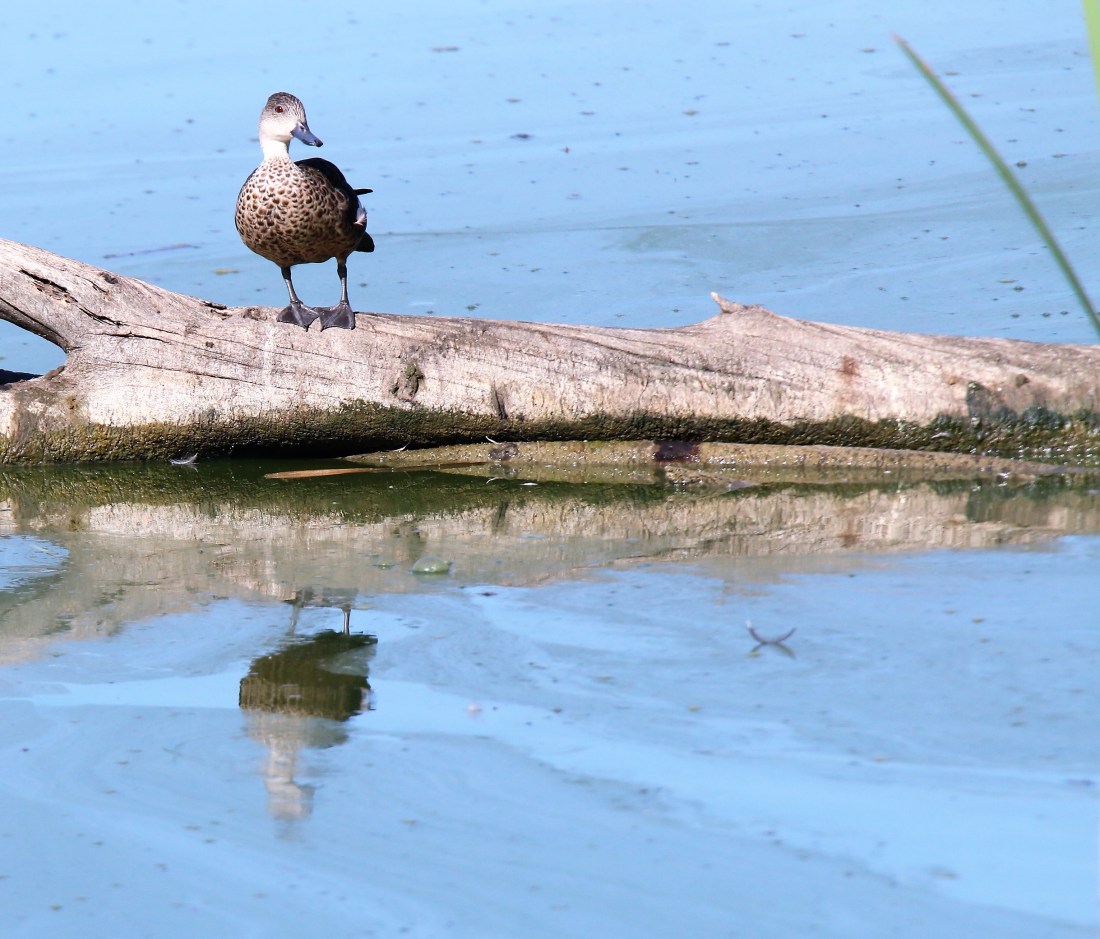
and both Chestnut and Grey Teals:

Teal, Chestnut, Male brTeal, Chestnut m brTeal, grey (juv)

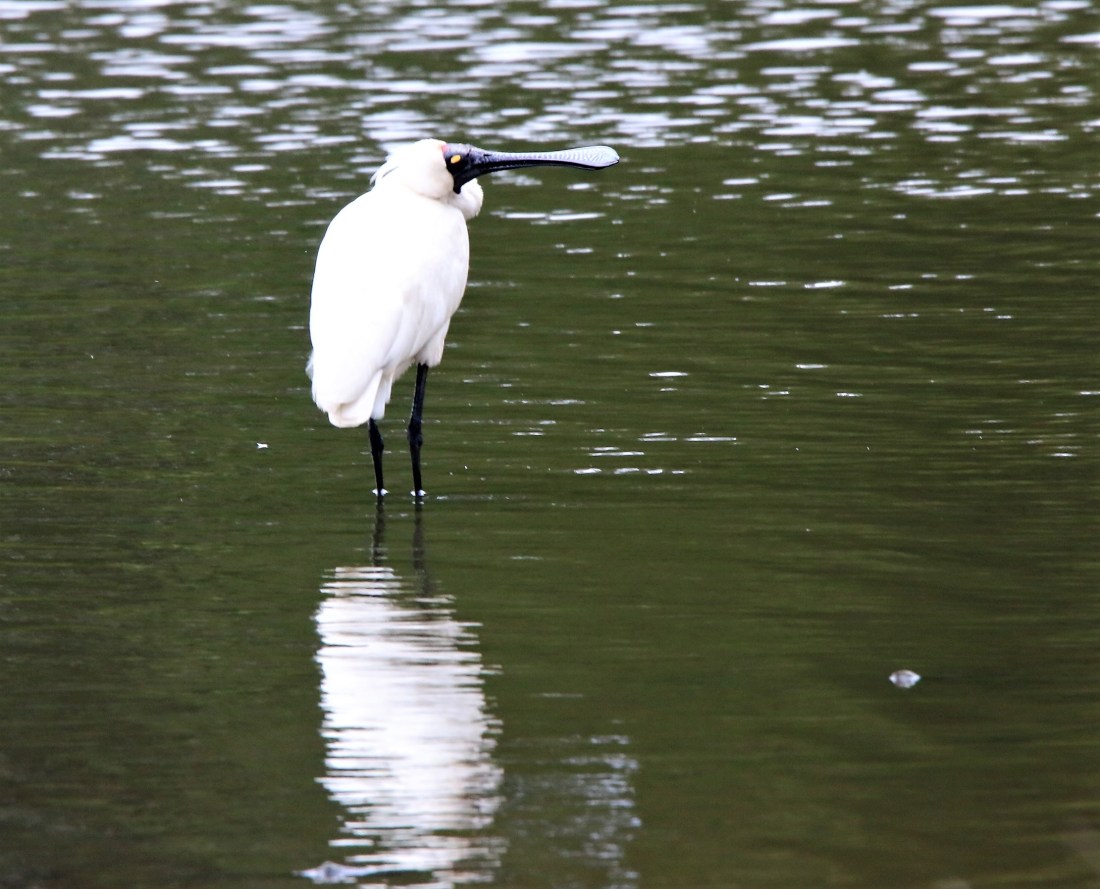
Regular visitors to these Wetlands are the Australasian (Royal) Spoonbills. They are energetic fishers, swaying their beak back and forward in the water for pot luck:

A bit away from the water, a huge flock of both Australasian and Straw-necked Ibis grazed in the long grasses. Perhaps it is frequent, but I have not seen both varieties together like this before:

Ibis, Straw-necked and Australasian

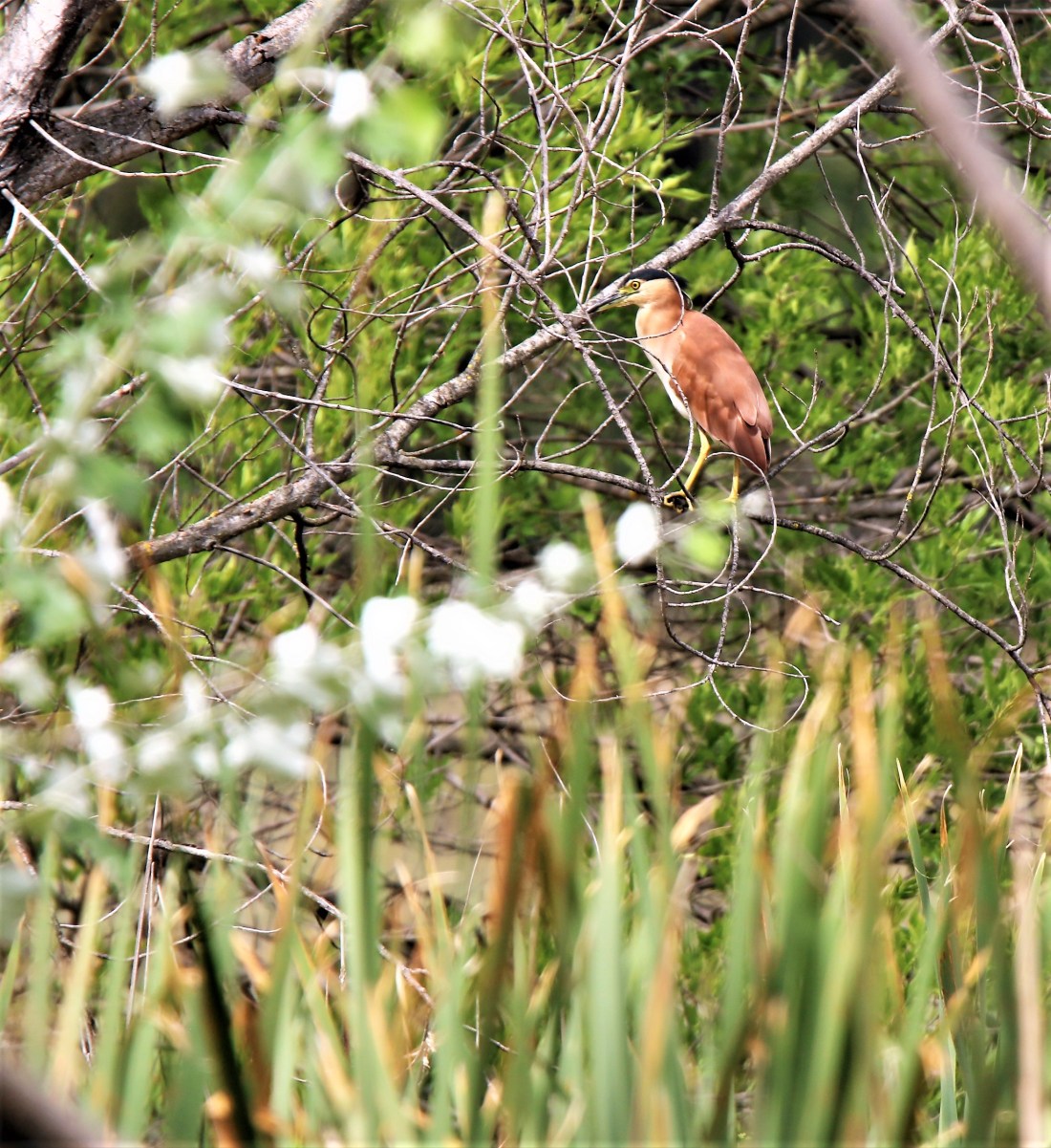
A highlight was a good look at a Nankeen Night-heron, a very elusive bird, and one of my favourites, It can sit still in tree-forks for hours and hours, which makes it really hard to spot. I was lucky here, in that it flew away just after I spotted it:

Heron, Nankeen NIghtHeron, Nankeen Night 2The Australian Reed-warblers were also about, and again very hard to spot, plus they don’t sit still for long:

Also passing through were some Dollarbirds:

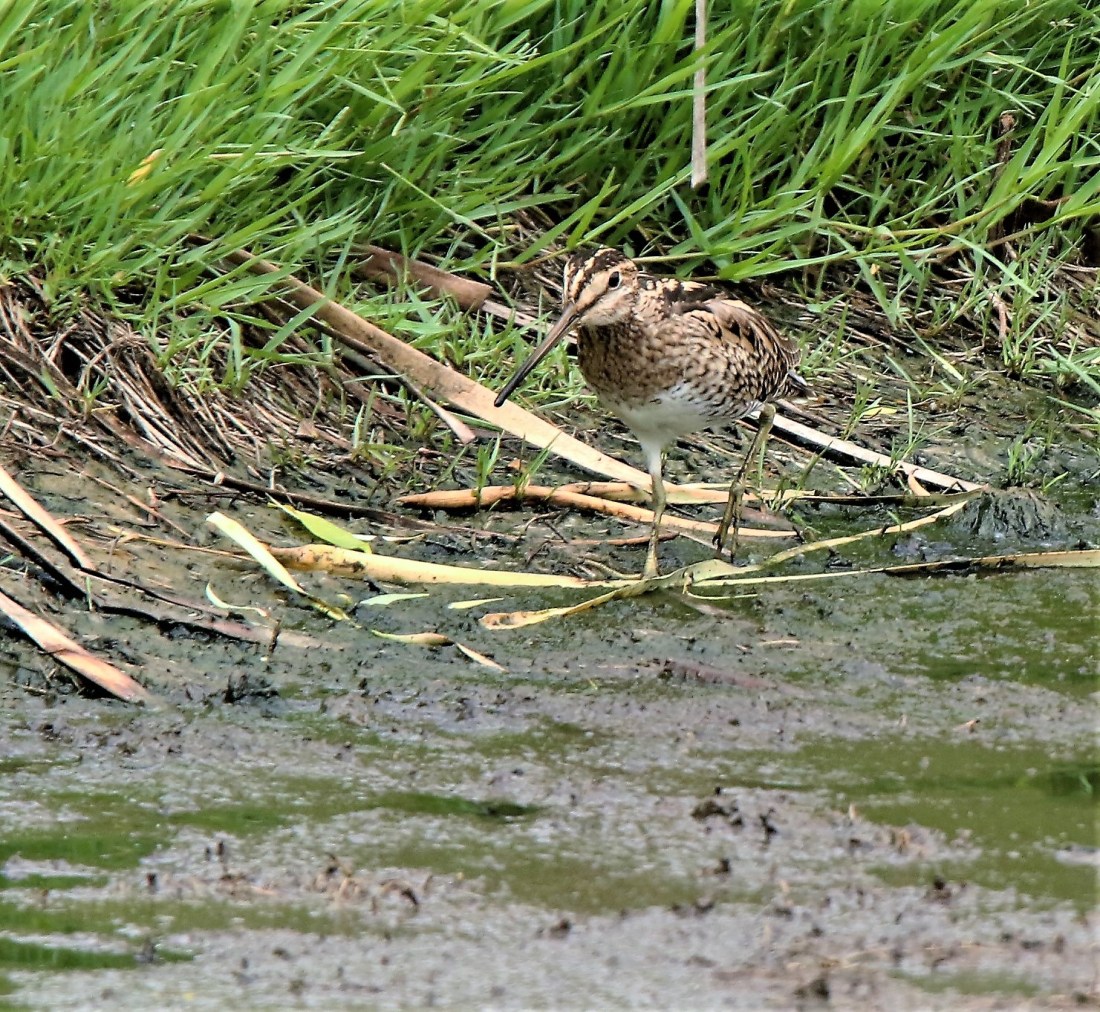
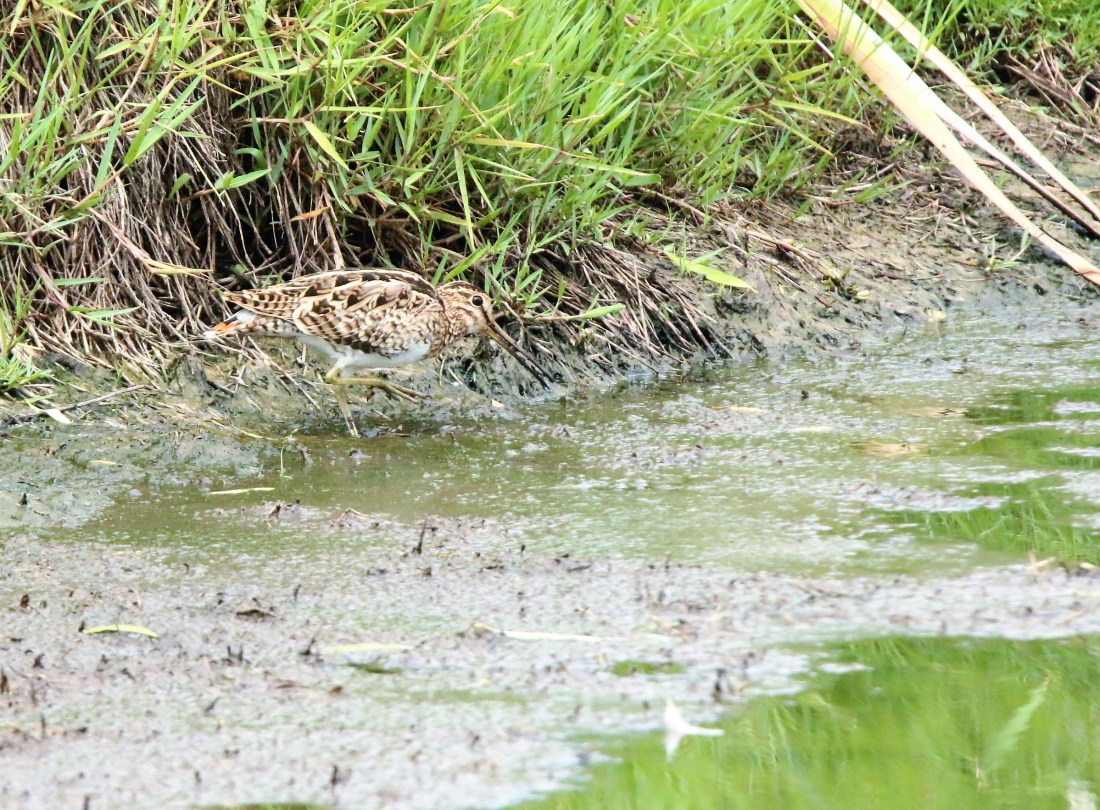
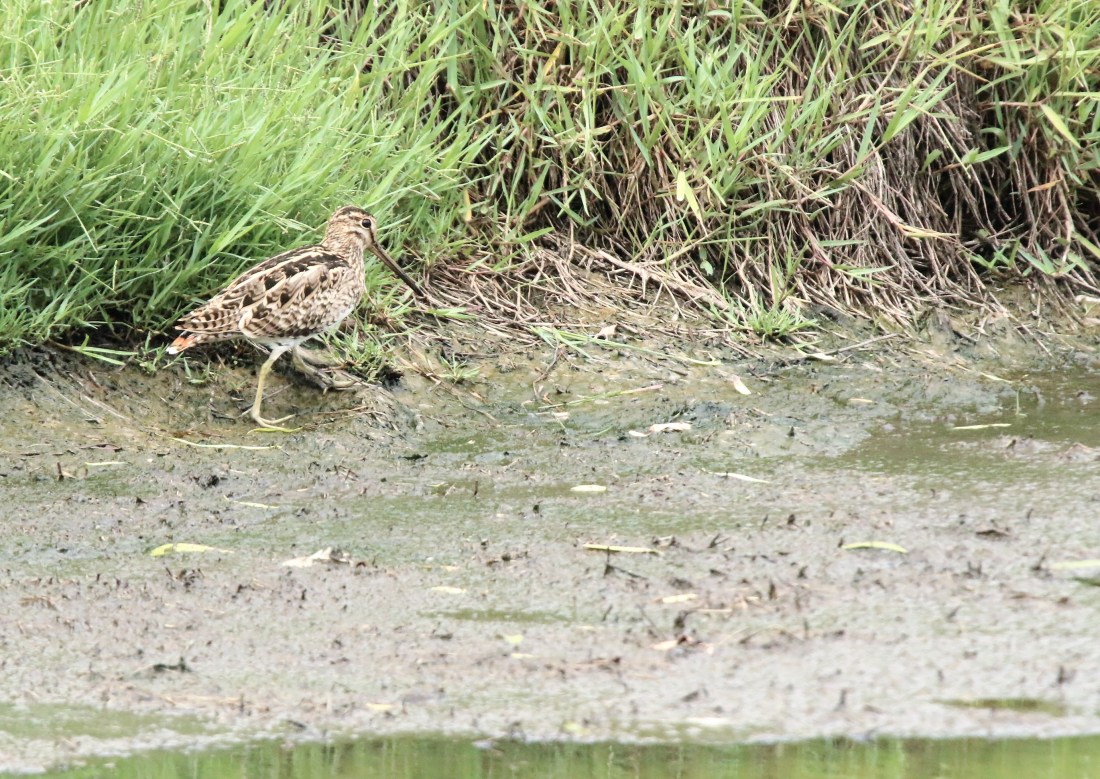
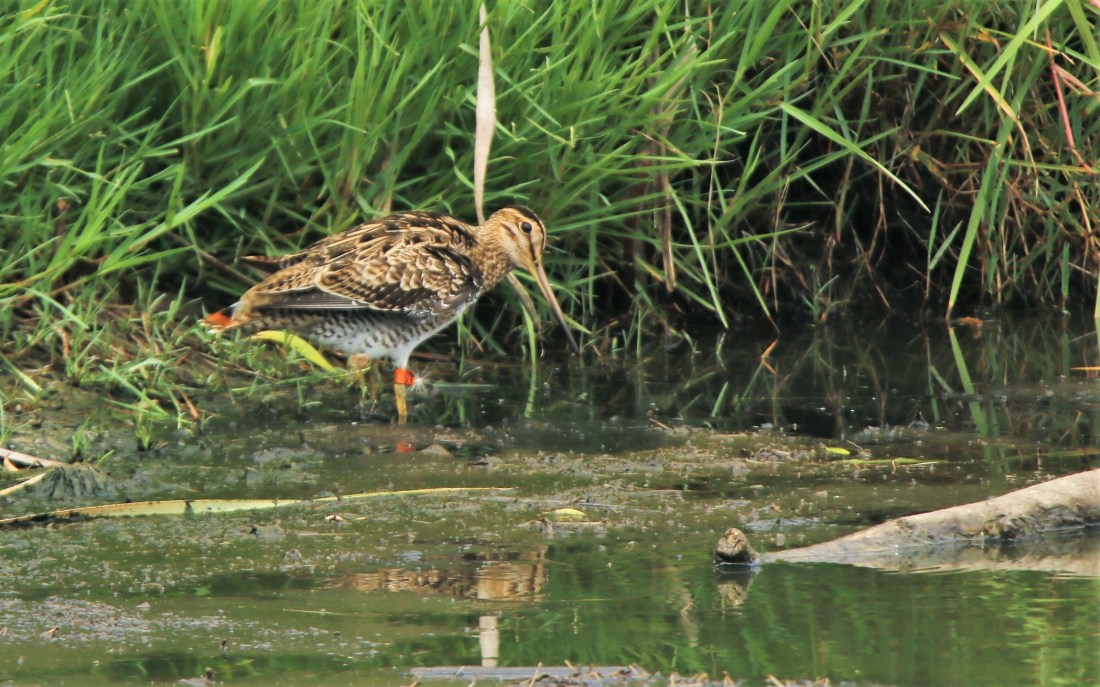
Another highlight was a couple of Latham’s Snipes. One was banded (#74) and the other not. The banding is helping ornithologists learn in particular about the astonighing flying feats of these birds. They fly from Japan to here for our summer in just 3 days, hitting 100km per hour in flight. It is not clear, as I understand it, if they rest, but the belief is that they stay in the air the whole way. Little is known about what they get up to in south eastern Australia.

https://www.abc.net.au/news/2016-05-12/latham-snipe-migration-project-takes-flight/7408292

Snipe, Latham's 4Snipe, Latham's 3Snipe, Latham's 2Snipe, Latham's (banded #74)

Other more common visitors were a pair of introduced European Goldfinches, some White-faced Heron, and a young Dusky Moorhen:

A great place for a wide variety of both waterbirds and bushbirds.


MICHAEL MONAGHAN

Monaghan Strategic Pty Ltd

February 10,Ā  2019


Wetlands action

Lots of water at the Jerrabomberra Wetlands with a couple of reasonable rainfalls lately.

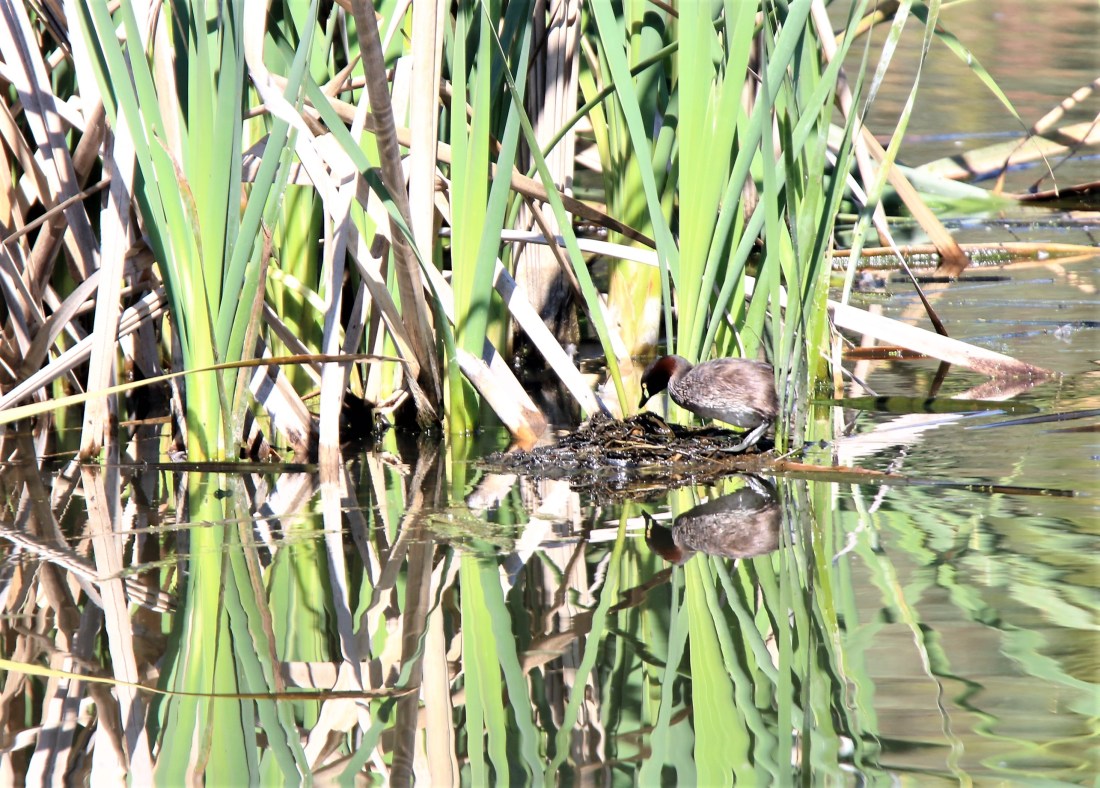
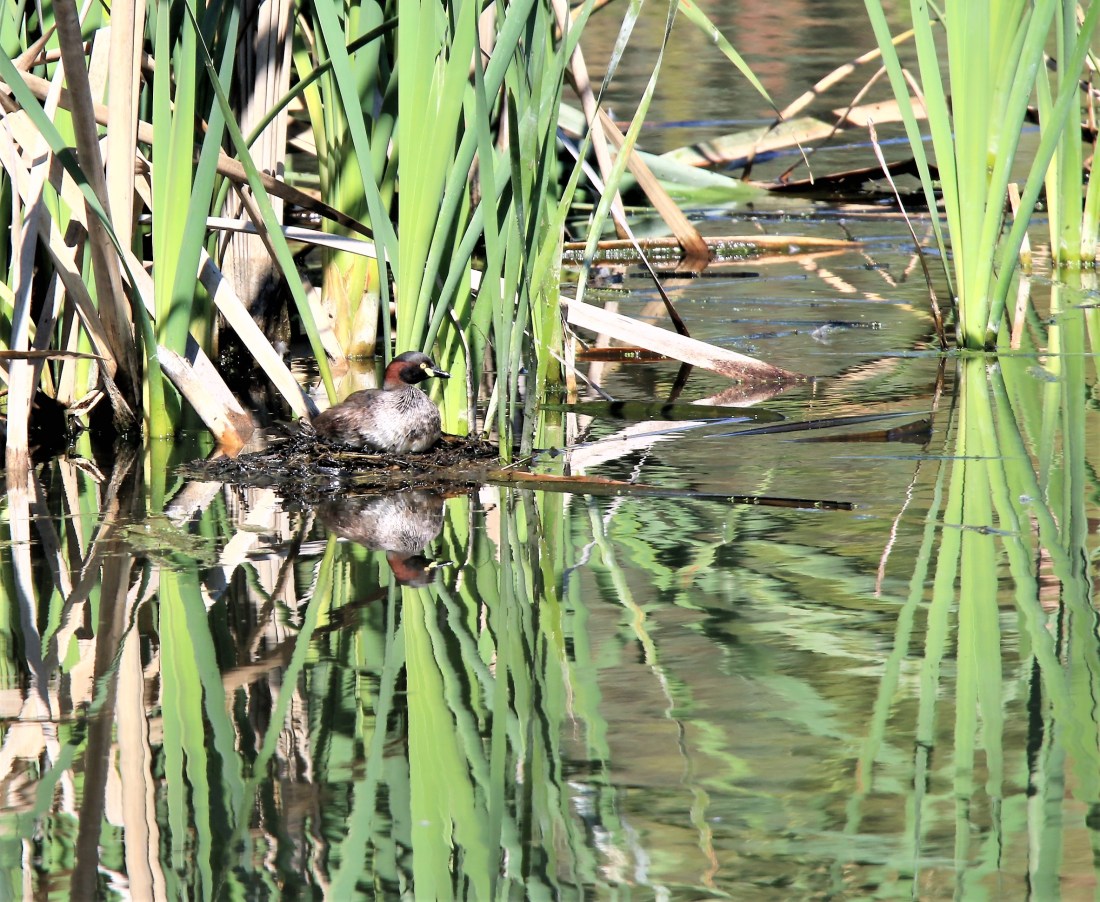
Spring sees a pair of Australasian Grebes building a nice muddy nest in Location, Location, Location.Ā  The male here is really brightly coloured for the task.

IMG_9648IMG_9654

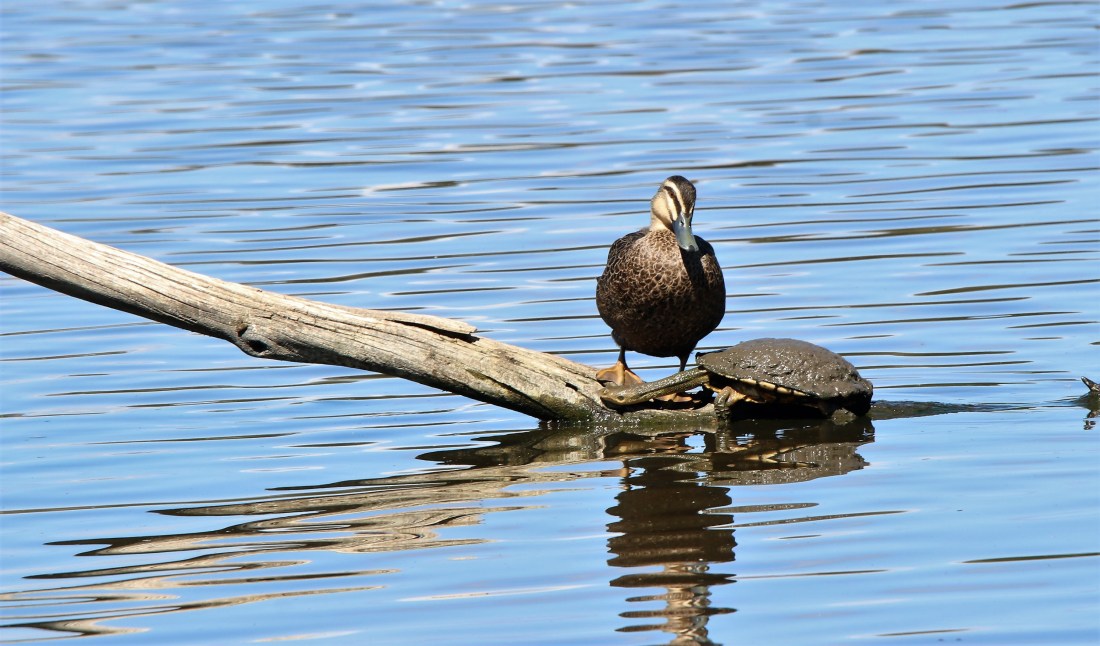
The Preening Log saw some unusual activity, with this Long-Necked Turtle and the basking Pacific Black Duck oblivious to each other till “What the duck!”:

IMG_9657IMG_9658IMG_9659

Unfortunately, I missed a photo of the duck kicking the turtle off the preening log – not a place for the non-preening types.


Michael Monaghan

November 2018

Dunne’s Swamp (Ganguddy), Mudgee

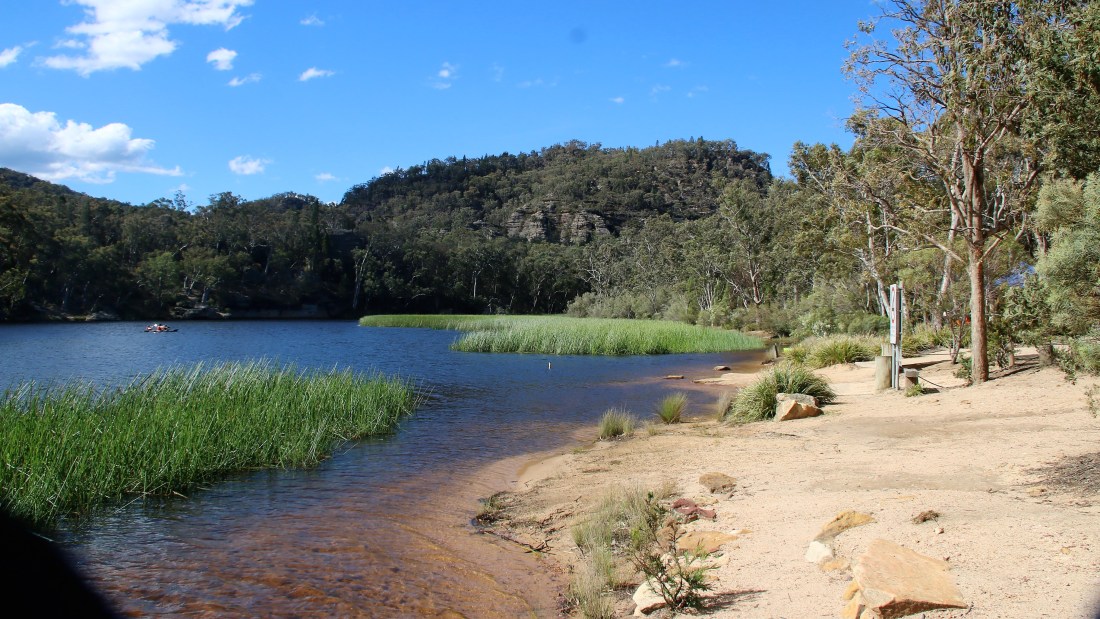
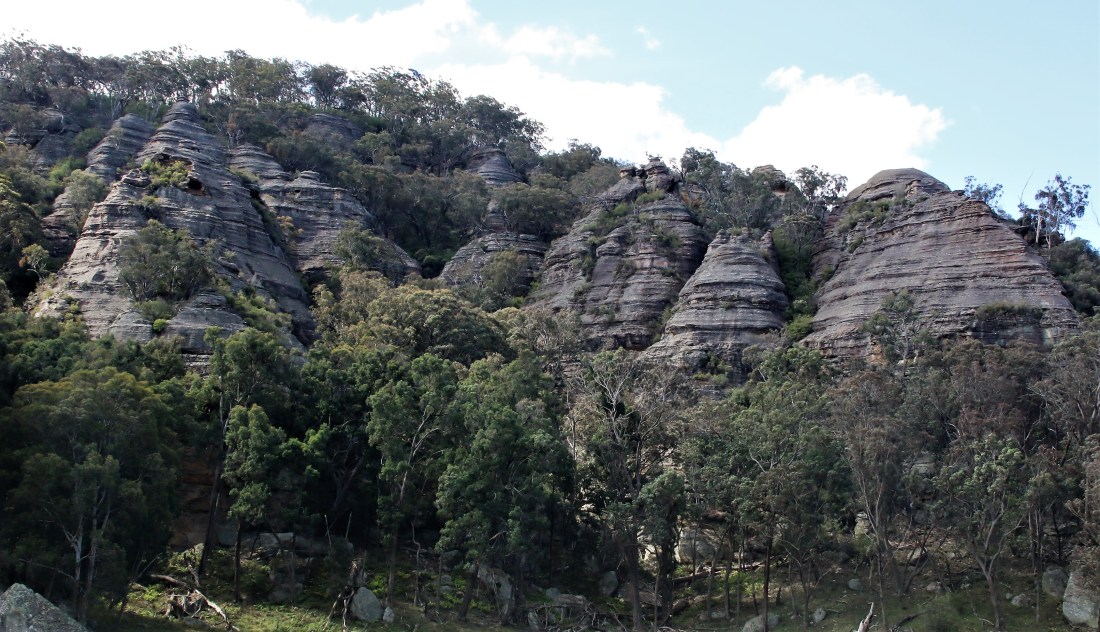
IMG_9622The ill-named Swamp is a glorious phenomenon: the rocks reminiscent of the Bungle Bungles, and the Swamp being a small pretty lake formed by the damming of the Cudgegong River in 1920 to provide water for the Kandos cement works (owned by Portland and operating till late 1970s). No doubt it is a special area to the indigenous people who lived here.
The area is populated by large sandstone ranges and weather shaped cone forms.

IMG_9617IMG_9620


The entry to the lagoon is through a narrow channel in the sandstone ranges, opening out a la Wilpena Pound into an oasis of magnificent eucalypts and dramatic sandstone forms.Ā  The lake is up to 60 metres deep., so it must have been a seriously dramatic rock valley before it was filled with water.


There were plenty of campers there for the weekend, and it looks a fantastic spot to camp. Ideal for kayaking; there were even a couple of swimmers! Is a must-visit.

Michael Monaghan

November 2018


Mudgee Wetlands


Similar to those in Urunga (see earlier blog), the wetlands in Mudgee have reclaimed industrial wasteland. Clearly lot of great work by volunteers to plant, build hides and picnic tables, and create tracks. Will be a great asset in a few years.

There was a surprising variety of birds for such small area, and so far inland.

The stars were the Black-winged Stilts, with legs so long you wonder they don’t snap:


There were also half a dozen Hooded Dotterells (my first ever sighting of these birds):

IMG_9550 (2)

No surprise to see Australian Ibis or the Royal Spoonbill, but Yellow-billed Spoonbill are much rarer sights:


IMG_9578 (2)TIMG_9580 (2)eIMG_9540 (2)


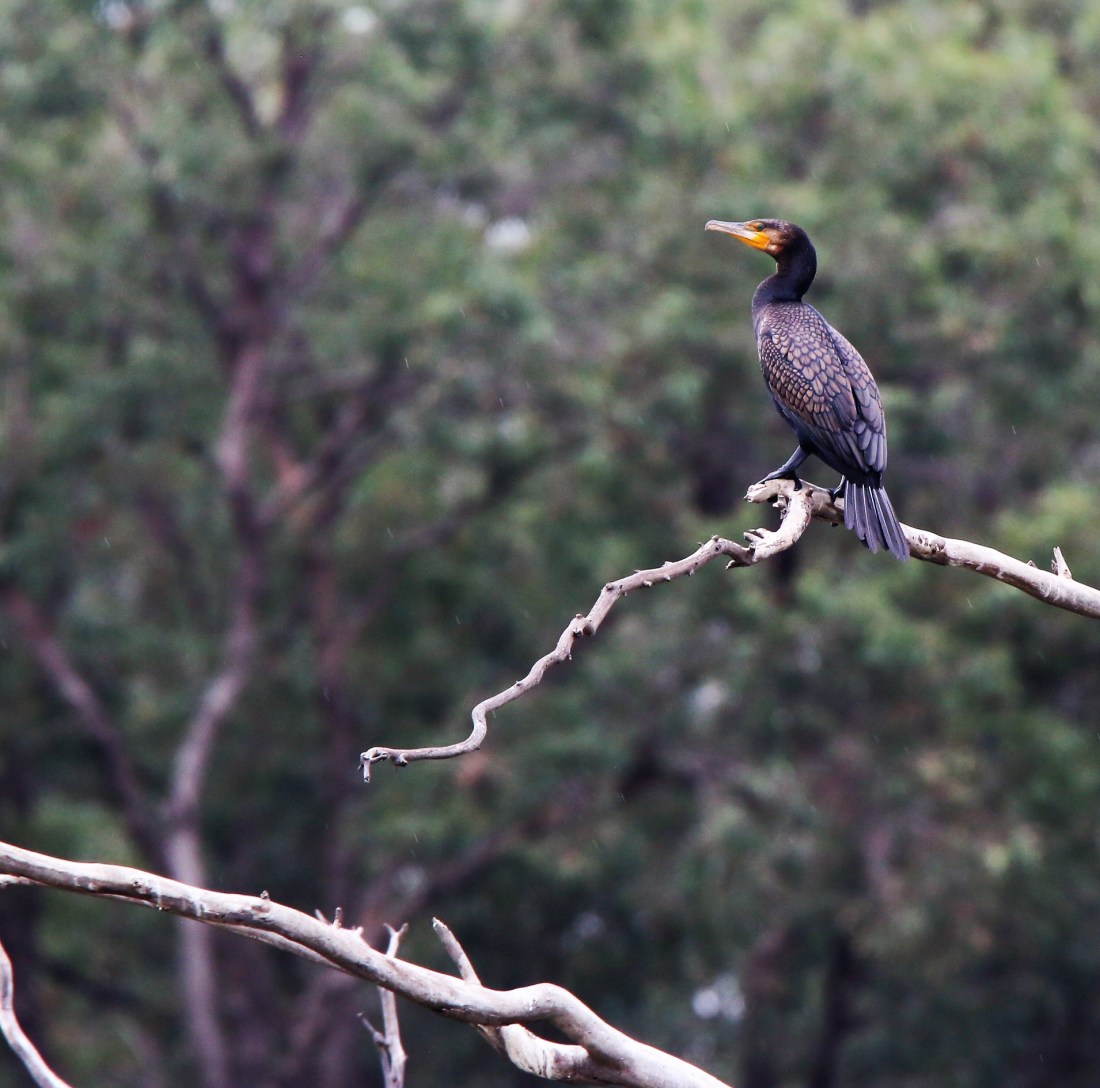
The mandatory Little Pied Cormorant sat close to a Great Cormorant, a lovely specimen with lots of depth in the plumage colours, both drying out in the sun, well in the dust-laden wind:

IMG_9587 (2)IMG_9589 (2)

Michael Monaghan

November 2018