Spectacular Waterfall Way

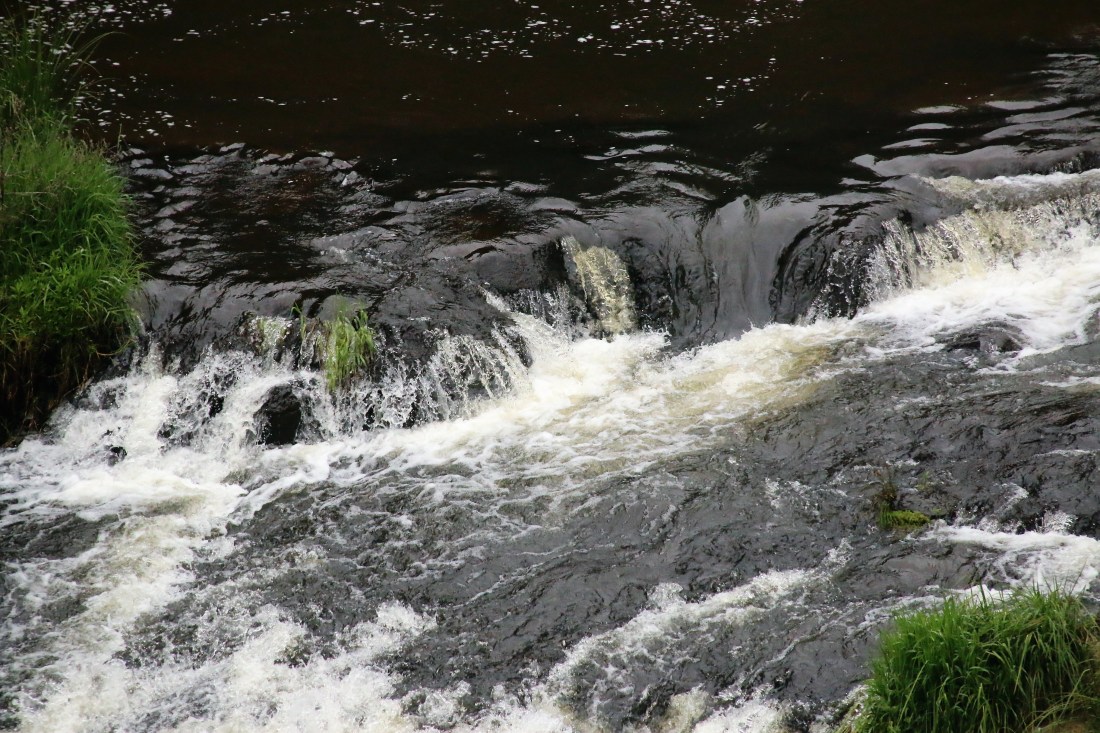
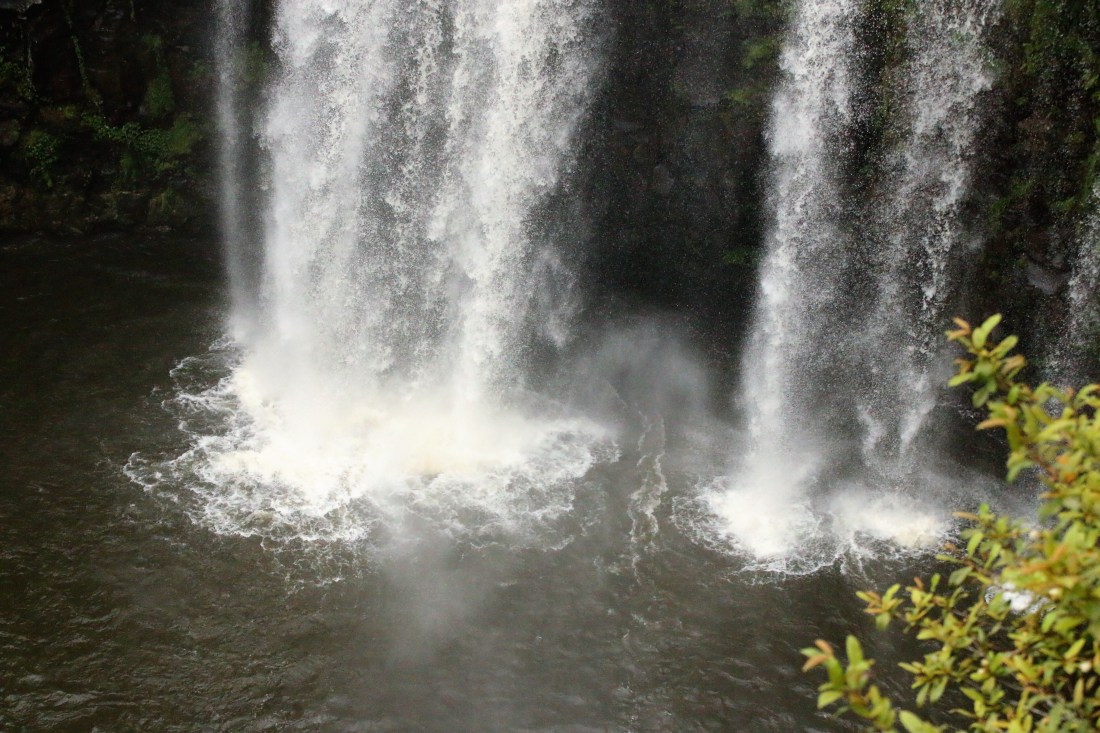
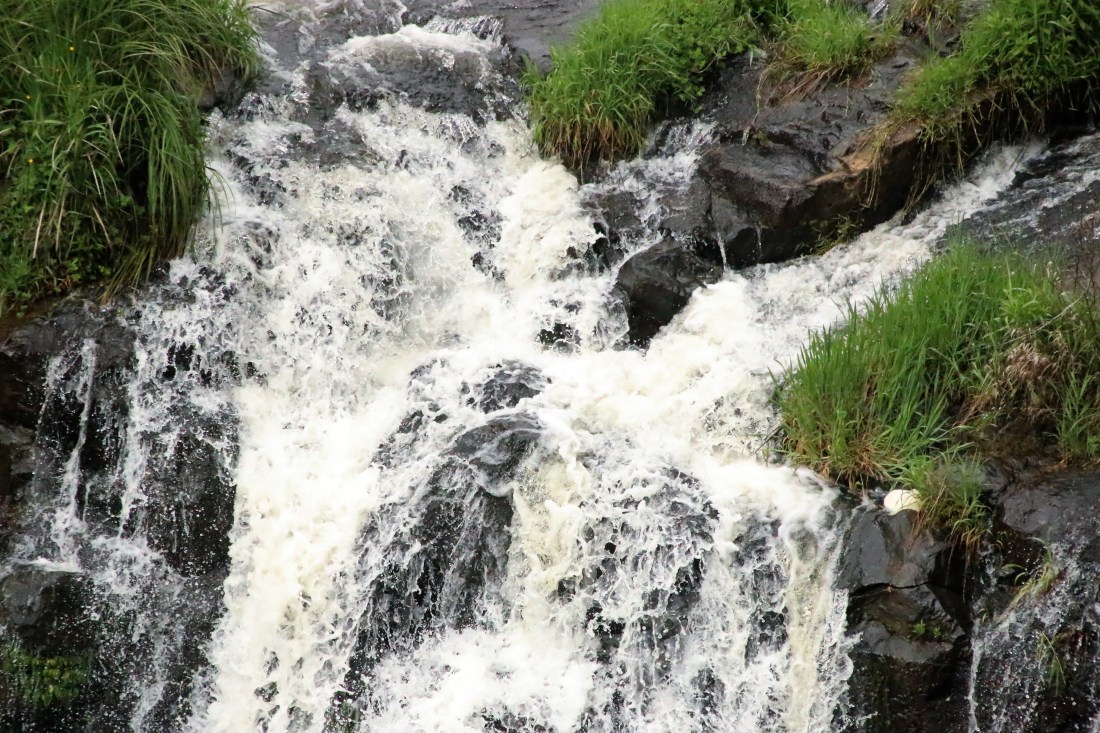
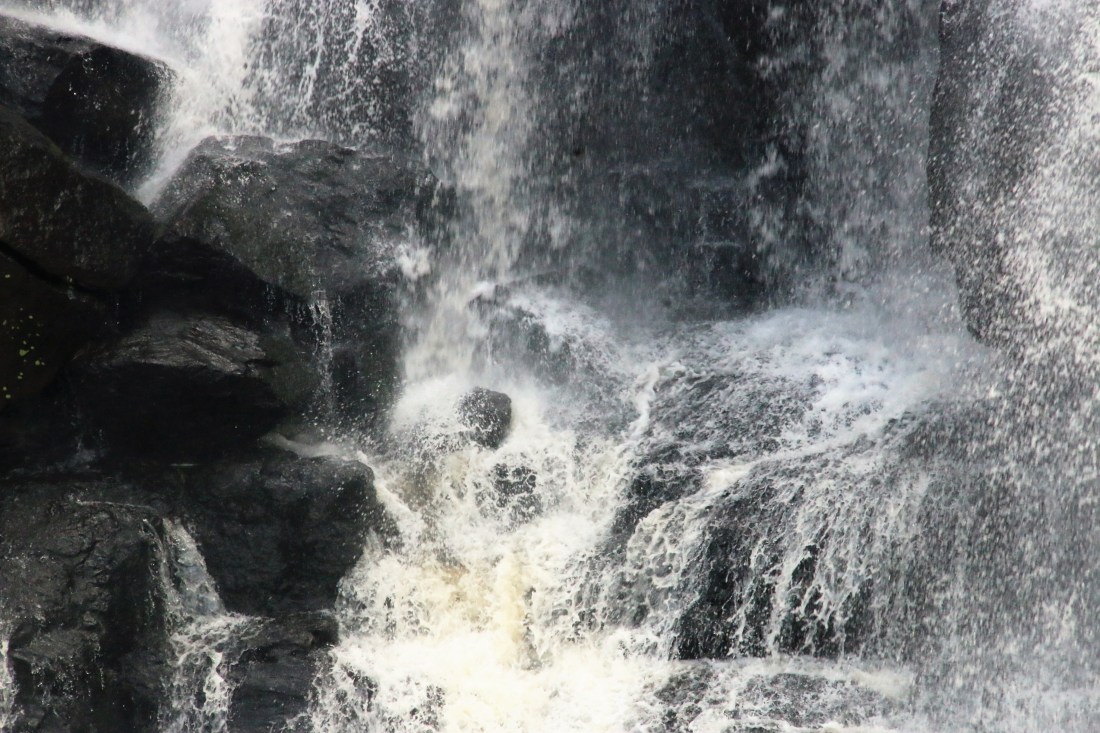
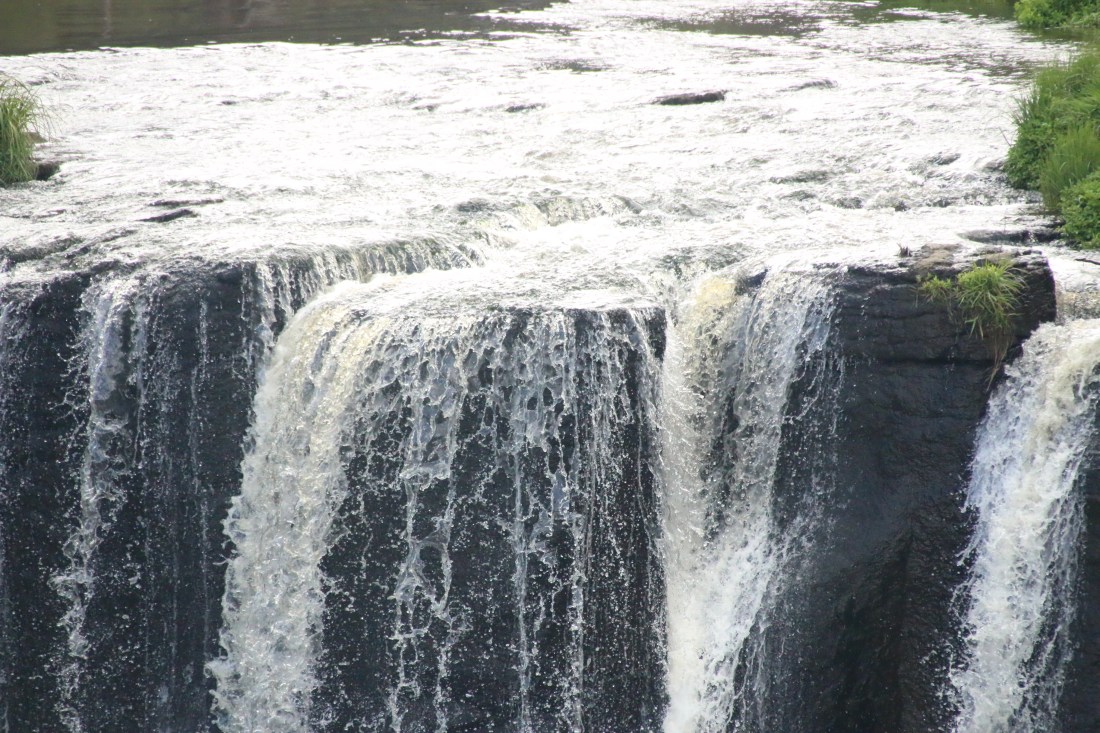
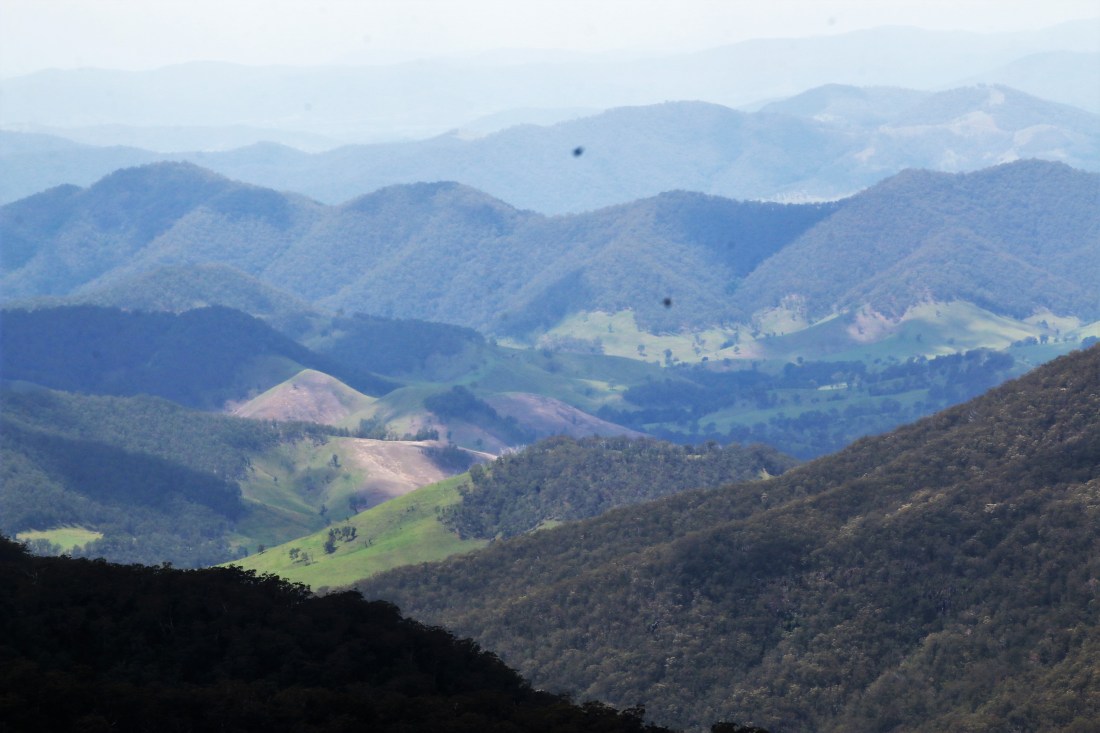
Waterfall Way runs from Bellingen to Armidale.  Most of the route is in heavy rainforest, with high sandstone ranges, and, you will be surprised to learn, many waterfalls. The engineering is awesome, highlighted by three sections where the road reverts to single lane over the top of the waterfall, and some stunning cuttings through the sandstone.

One of the road crossings is Newell Falls:

Dangar Falls is in the Dorrigo National Park, just north of Dorrigo:

The cliff face beside the Falls occurred when lava dried, shrinking into the shapes seen here in what is known as “entablature”:Dangar falls entablature

Dorrigo Rainforest Centre provides a lot of walks and the “skywalk” at the visitor centre:

Ebor Falls are just north of Armidale:

IMG_9392 (2)IMG_9393 (2)IMG_9394 (2)IMG_9399 (2)IMG_9403 (2)IMG_9404 (2)IMG_9405 (2)IMG_9500 (2)IMG_9501 (2)IMG_9504A great part of the world, with spectacular natural and man-made phenomena.


Michael Monaghan

November 2018

Gulgong

Gulgong is just north west of Mudgee in mid west New South Wales.  Built on the late 19th century goldrush and Henry Lawson, one of Australia’s greatest authors, the town has three sizeable streets which are unusually narrow. Most shops seem occupied, and many buildings well preserved, but many also need a coat (or three) of paint.

The Prince of Wales Opera House (image 5) dates from 1871, and is said to be one of the oldest opera houses in Australia.


Henry Lawson’s childhood home is half way between Gulgong and Mudgee, on the Henry Lawson Drive.

I can’t believe how many expensive signs you see with blatant typing and structural issues. This one would have cost a fair bit and is in prime place.

IMG_9605

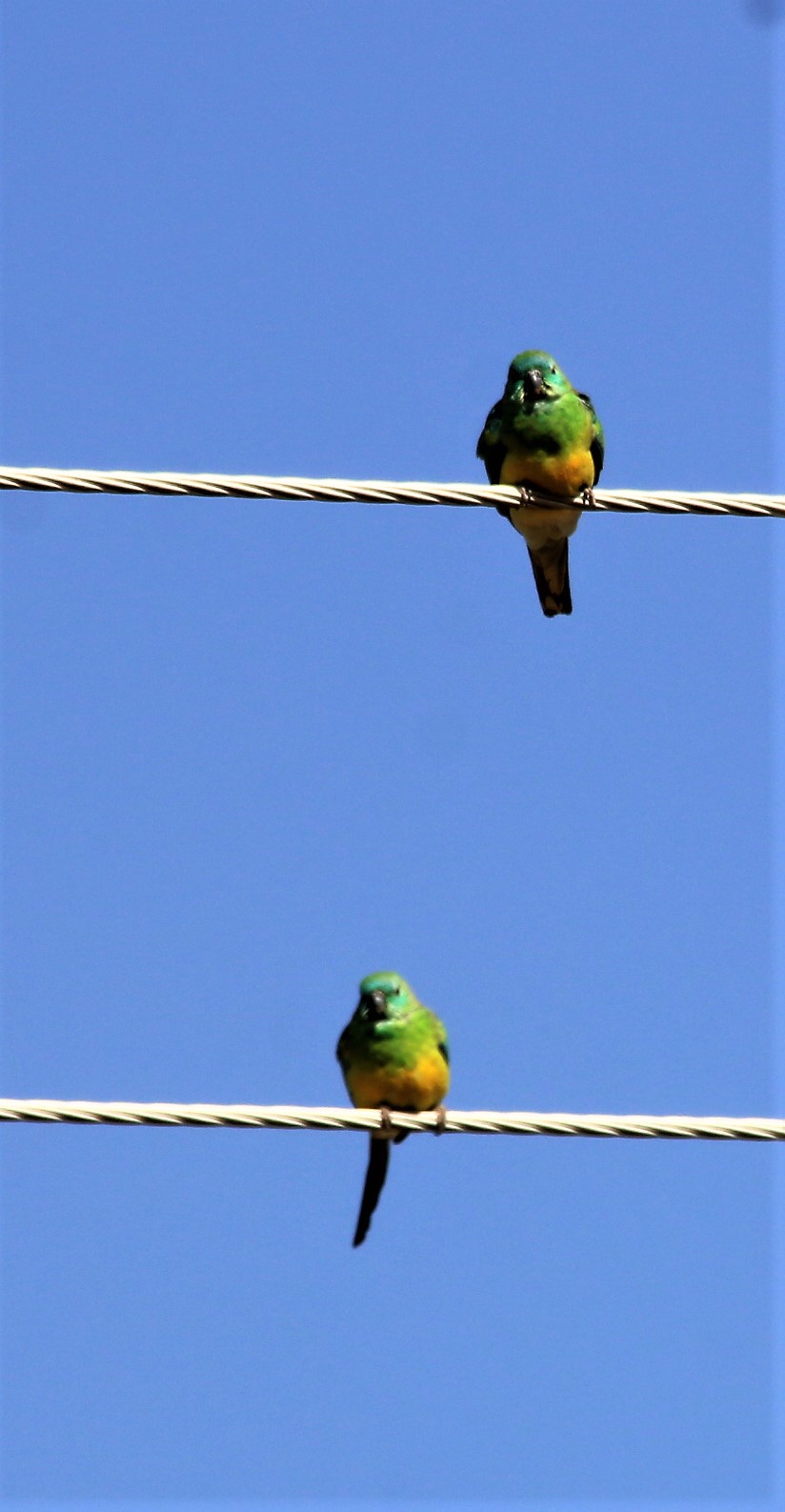
If you look closely, you can see these red-rumped parrots hanging on for their lives in the extremely strong dust-ladened winds.

IMG_9615


Michael Monaghan

November 2018

Birds around my (temporary) digs in Bellinger – aided by some feeding. Updated with the Green Catbird and Rainforest rain.

Lots and lots of birds here in my rainforest paradise, a few kilometres north west of Bellingen. Stayed at “Critters”, a lovely, isolated, quirky, but well thought out, self-contained cottage, less than 10 minutes from Bellingen. Main house is a few metres away, but well screened, and the considerate owners are more than happy to share birdwatching from their verandah.

Some do get fed, but there are also plenty that shun that luxury. I guess in a rainforest it rains, because that is certainly what it has been doing.

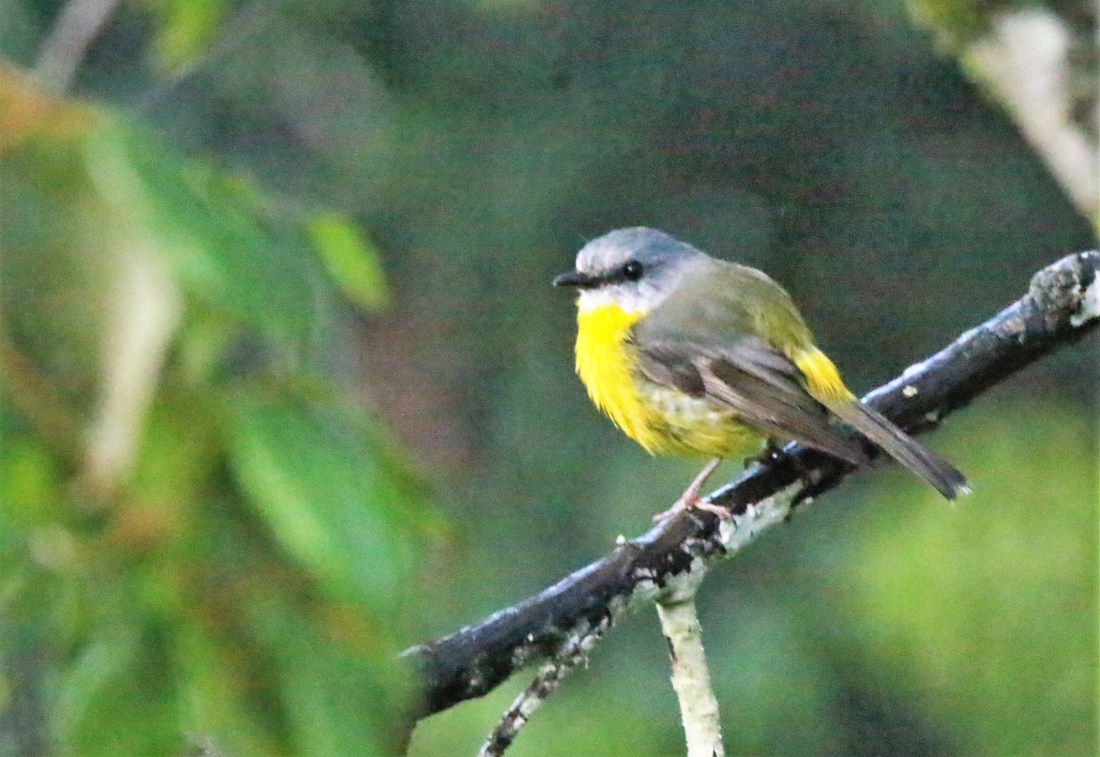
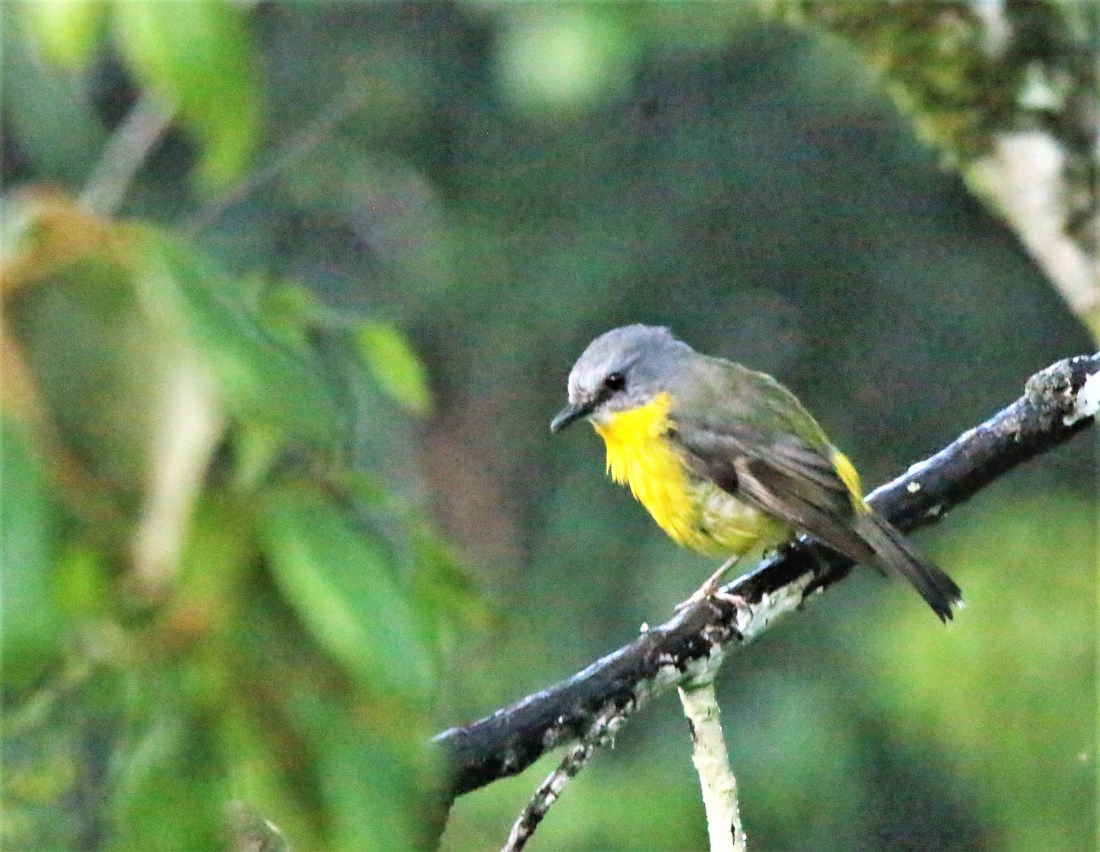
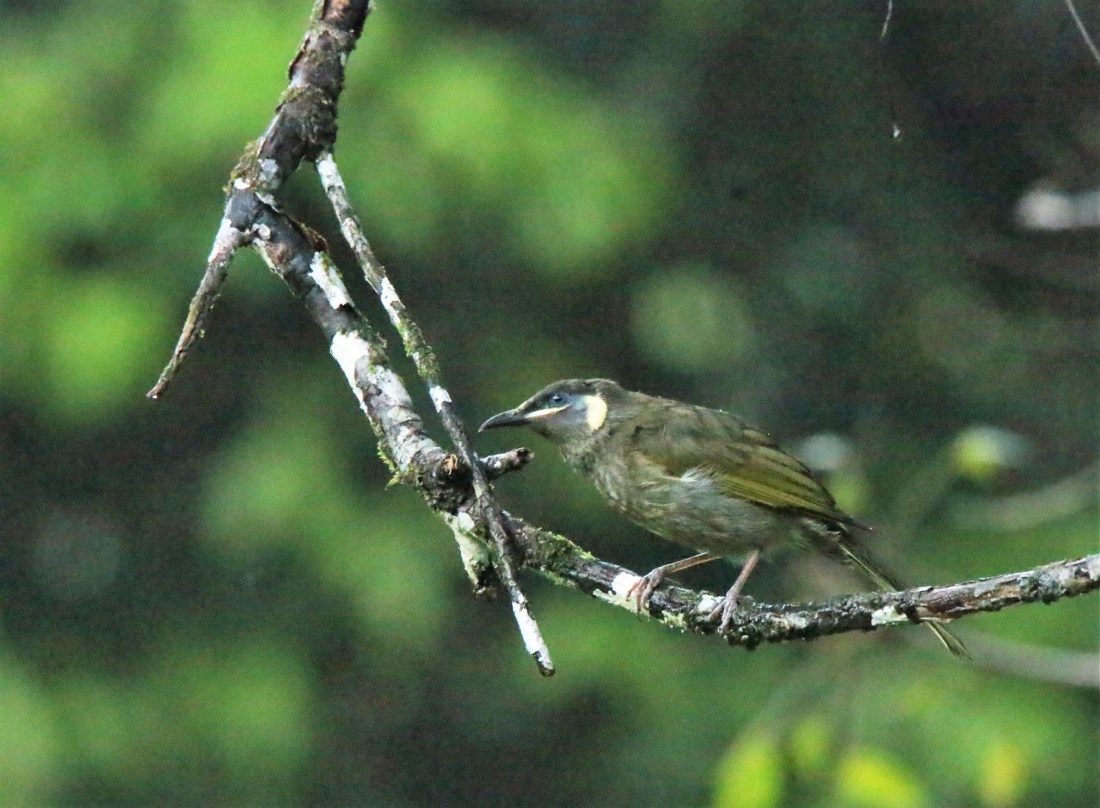
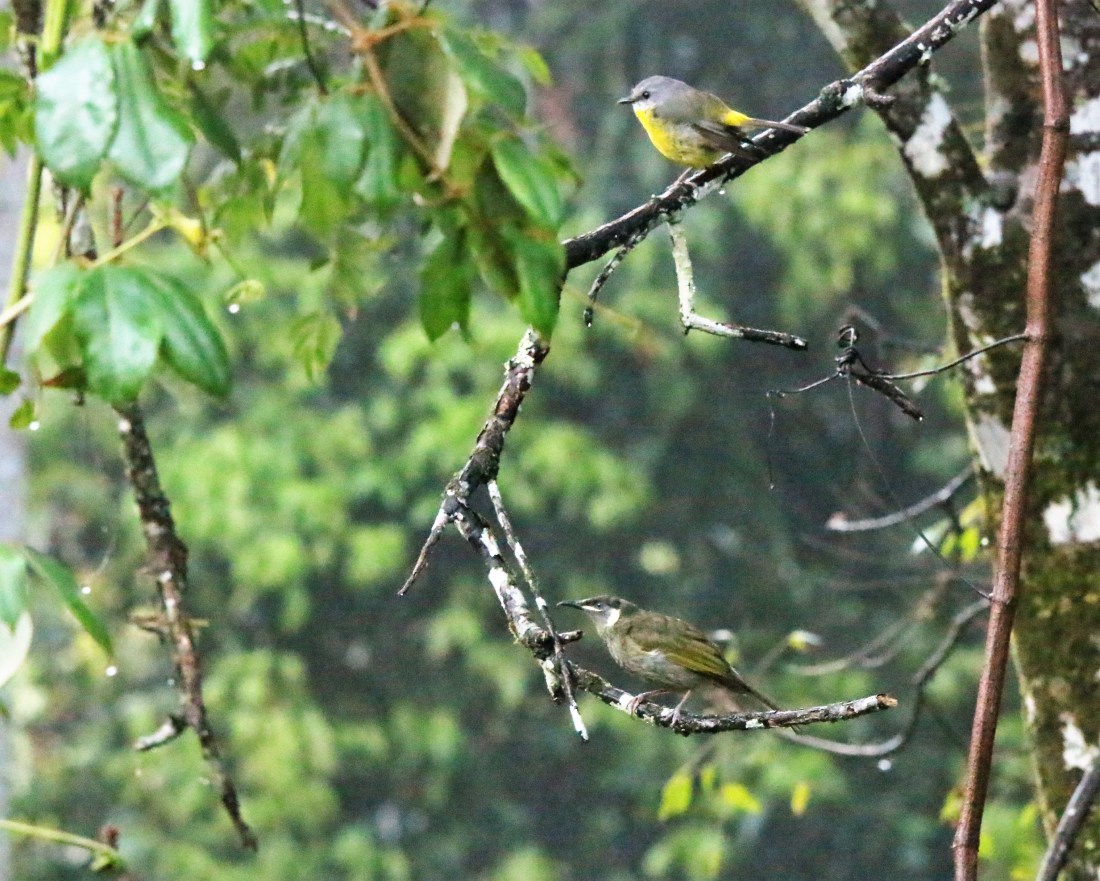
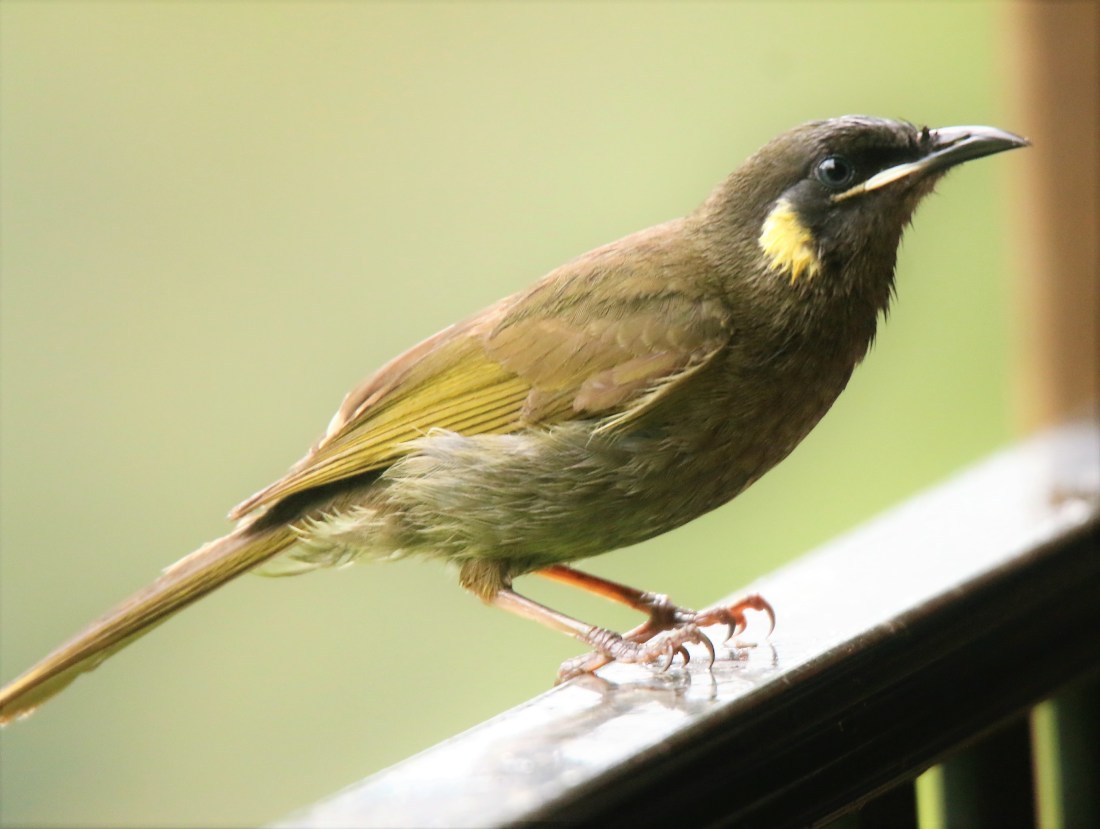
First we have Yellow Robins and the ubiquitous and noisy Leeuwin’s Honeyeater:

IMG_9216 (2)IMG_9215 (2)IMG_9219 (2)IMG_9221 (2)IMG_9267 (2)Unusually, I have seen the male Satin Bowerbird twice, but no sign of any females or kiddies:

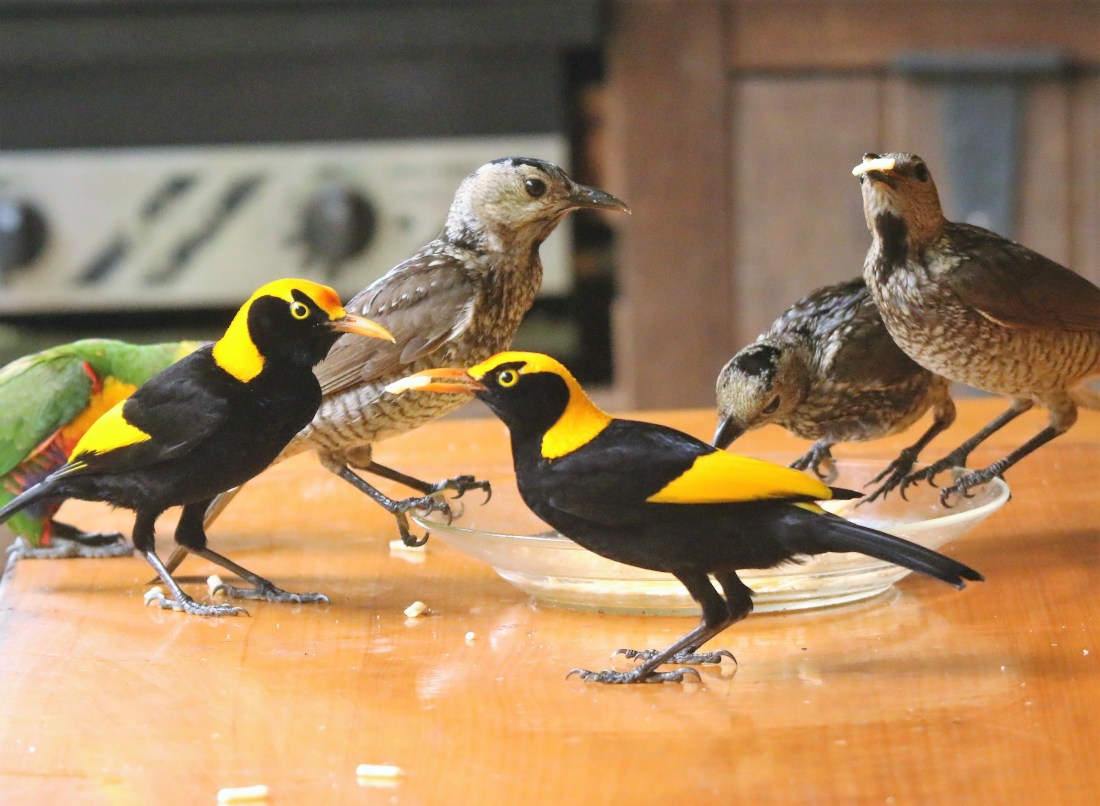
Regent Bowerbirds abound, the bright ones being the adult males – apparently they like grated cheese:

IMG_9261 (2)

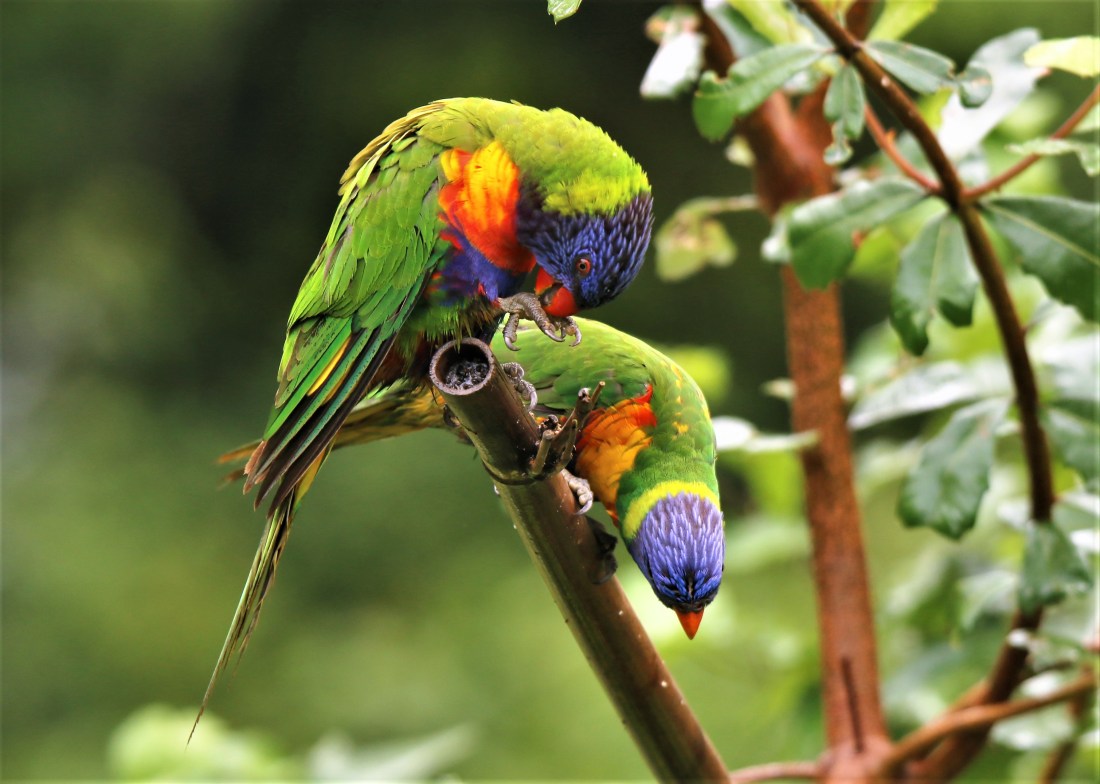
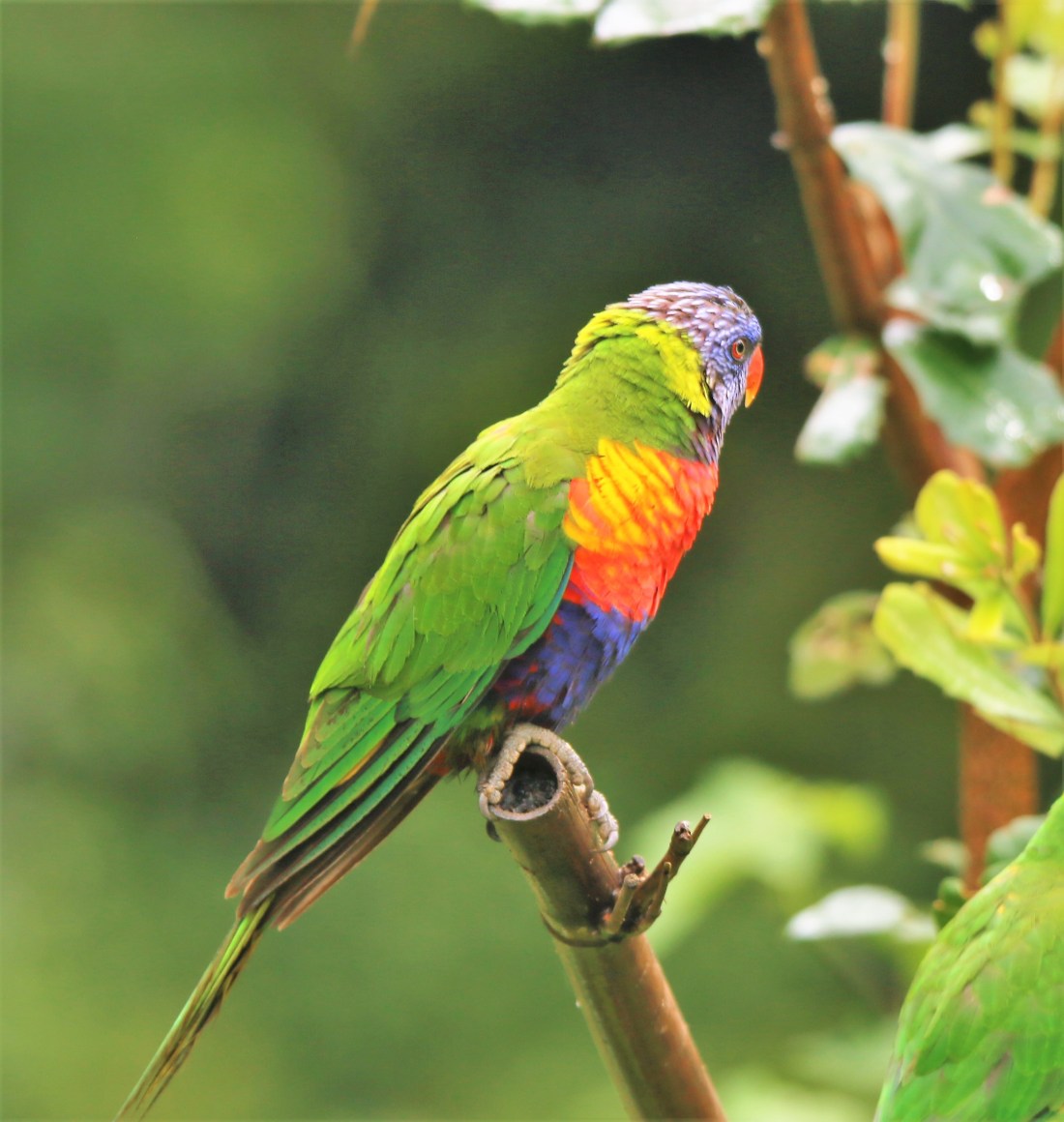
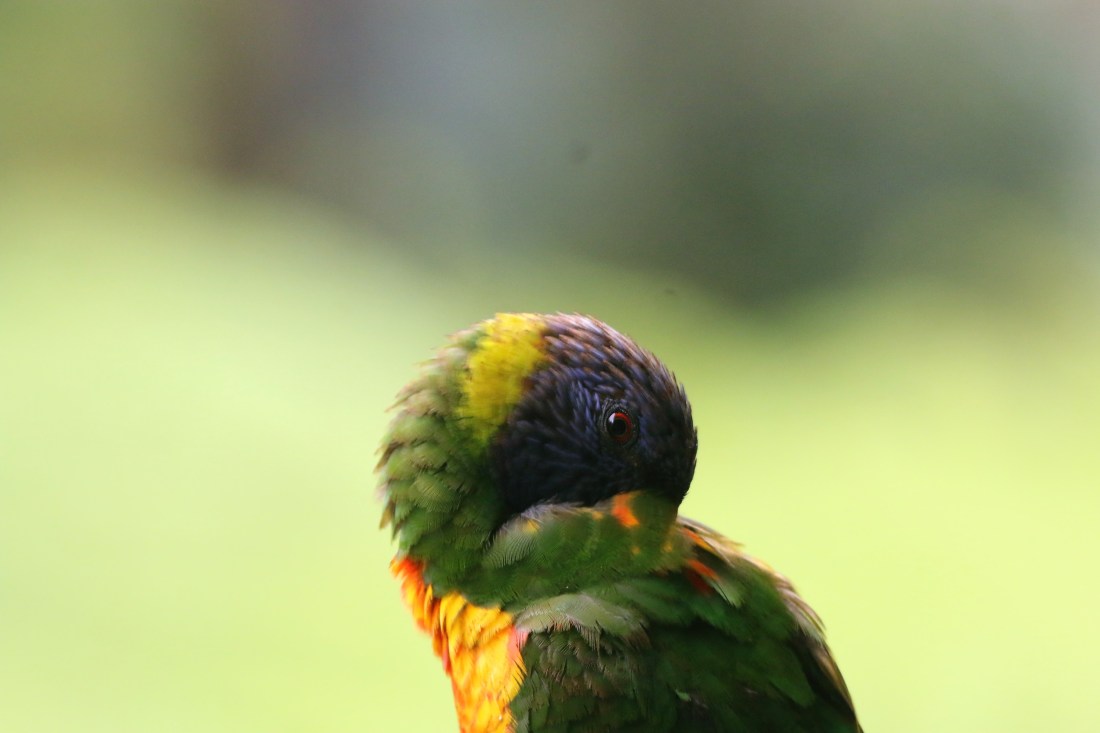
If there is one Rainbow Loriqueet there are always lots. One thing I noticed, which I have not before, is that Loiriqueets are perching birds, and so they hop rather than walk. Parrots are non-perching, so walk.

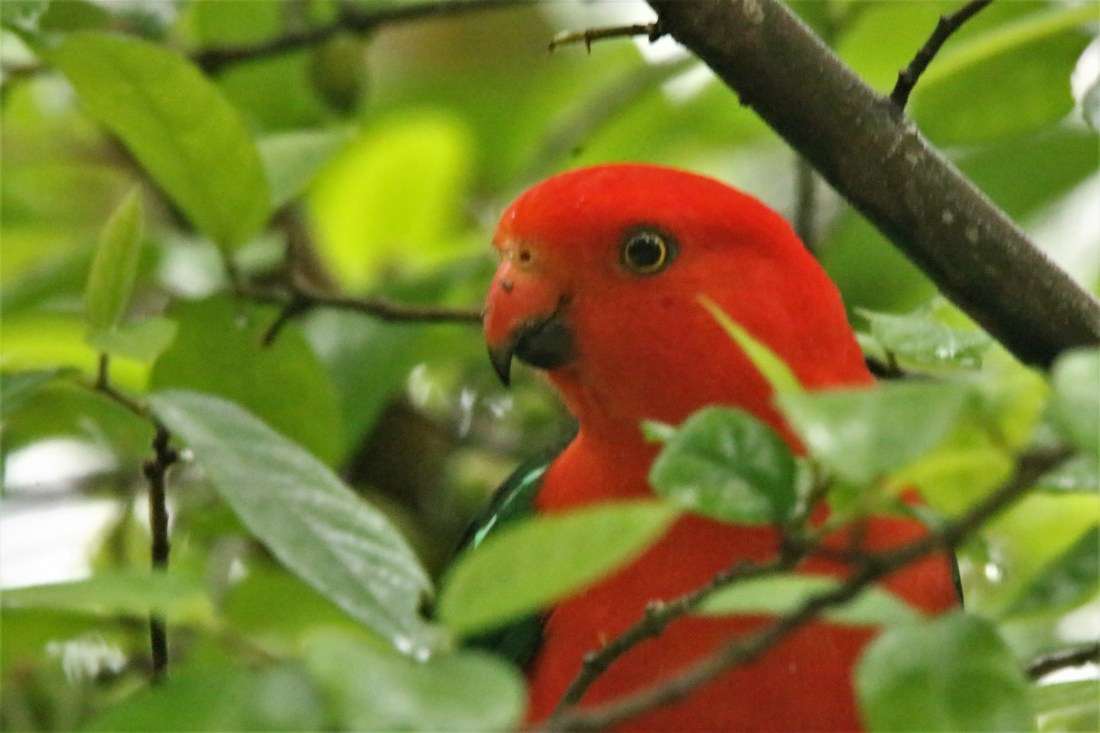
IMG_9275 (2)IMG_9271 (2)IMG_9249 (2)King Parrots are up there with the most striking birds:

IMG_9229 (2)

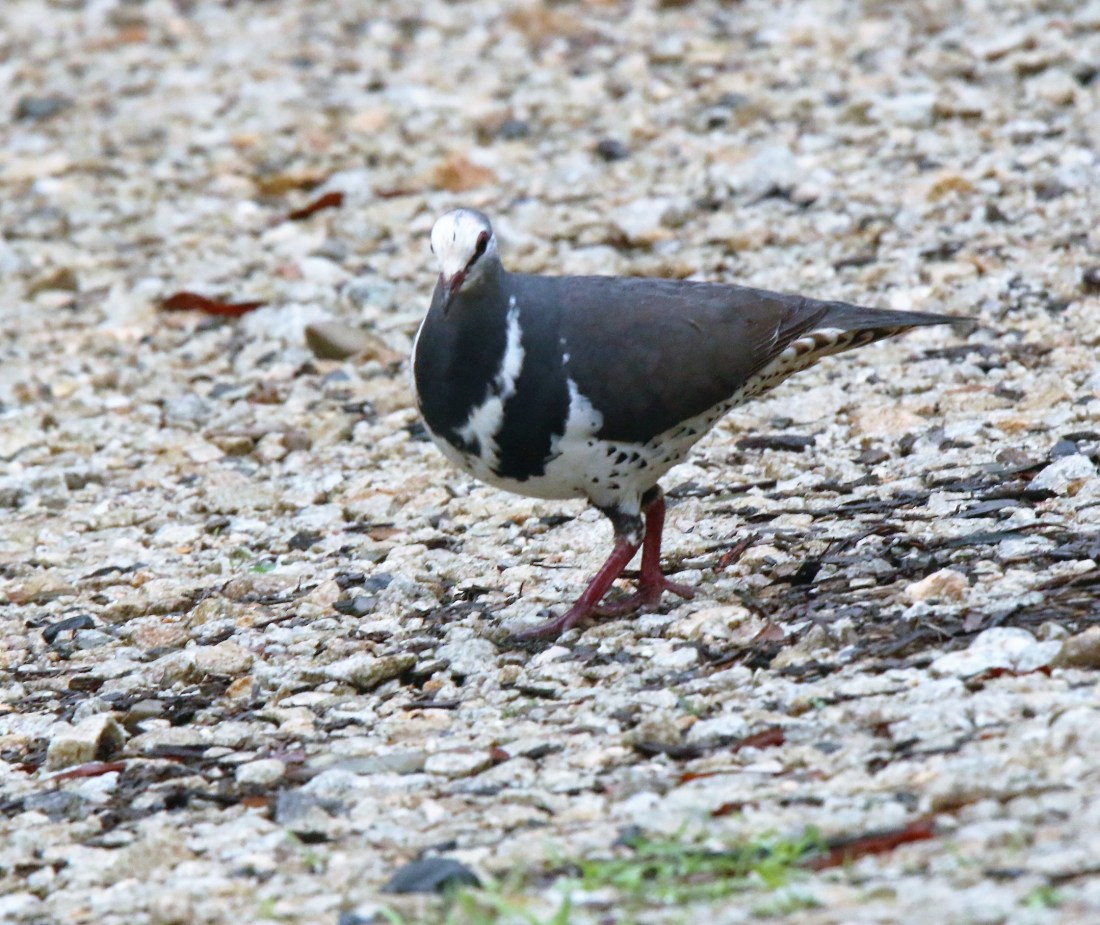
Wonga Pigeon:

IMG_9226 (2)Bar-shouldered Dove:

IMG_9236 (2)

White-headed Pigeon (the male is the whiter one):

Also there are quite a few Red-Browed Finch:

Managed to eventually track down the elusive, but incredibly noisy – sounds like a cat being strangled – Green Catbird.

The rainforest lived up to its name with torrential downpours.

Michael Monaghan

18 November 2018

Flat-rock beach in Ballina NSW

Flat rock beach is a beach, with some flat rocks. At low tide, it is a great place for shore birds to gather. At high tide, it isn’t.


This is a breeding male Darter (snake-bird) taking a rest out of the water.


This is a Grey-tailed Tattler (first three) and the last is  Reef-Heron:


There were dozens of the Pacific Golden Plovers:


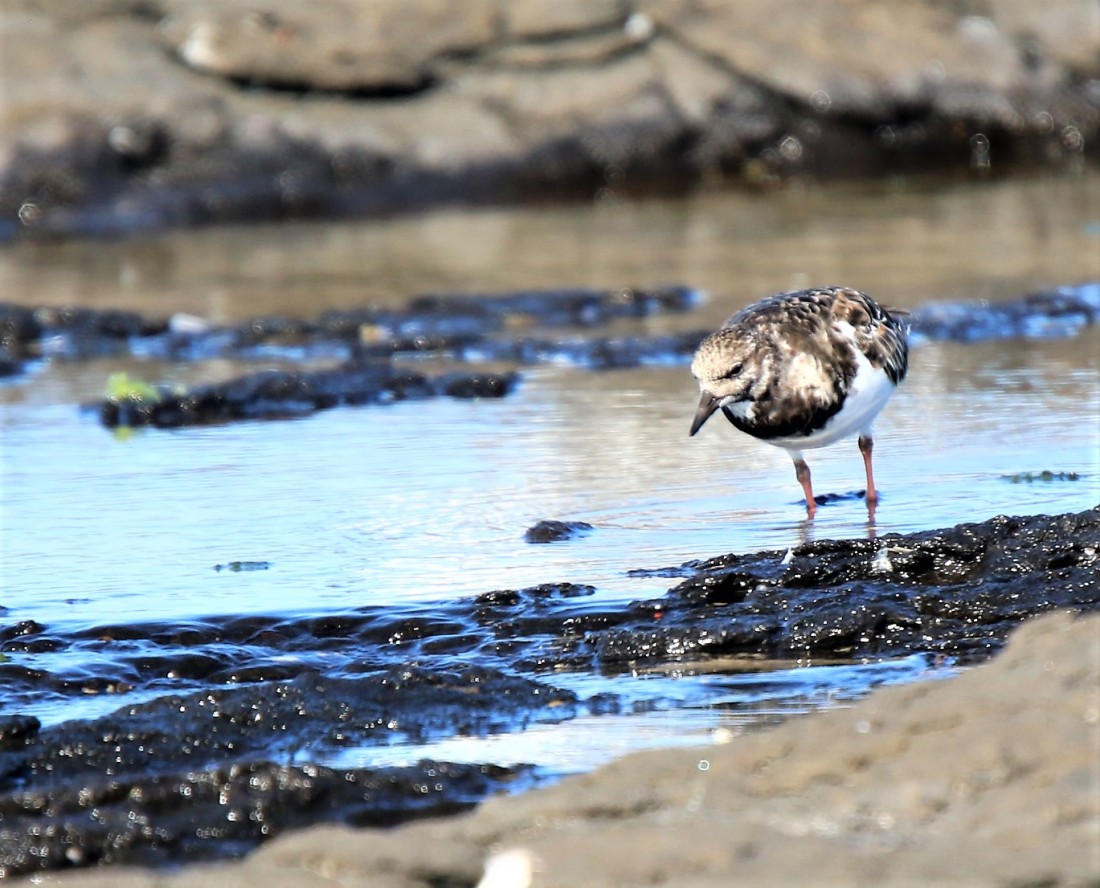
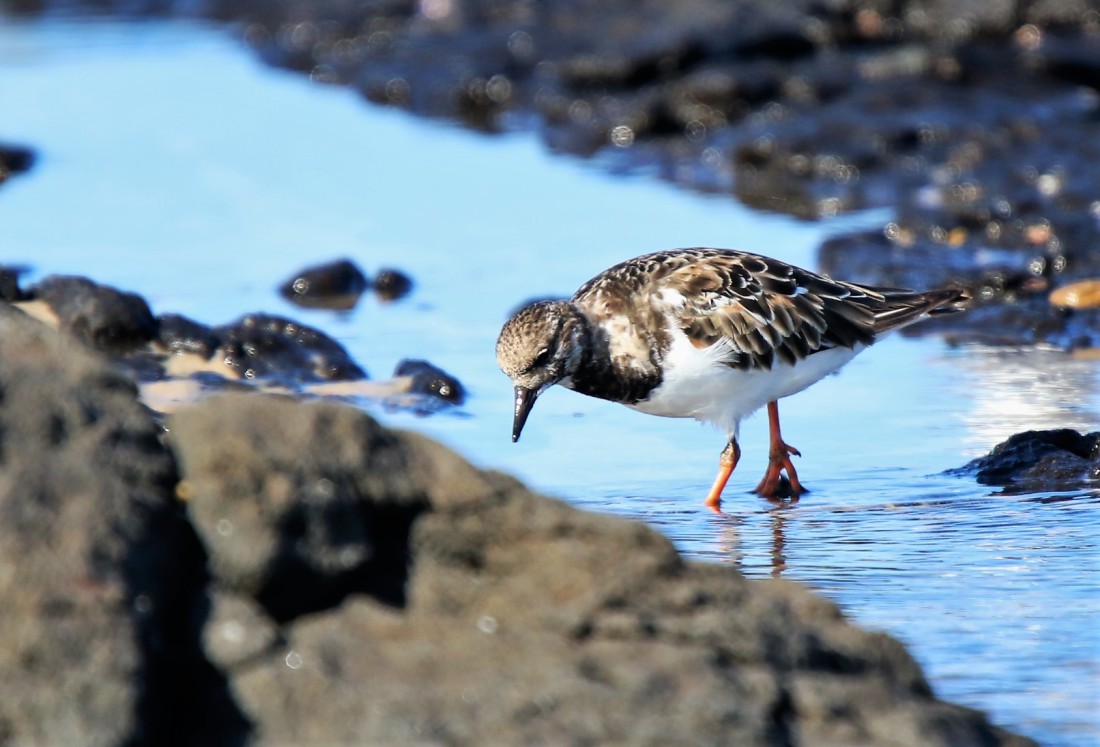
The Ruddy Turnstone is similar but with reddish legs and and a dark band across the chest. The darker head and chest is the breeding male:

IMG_8962 (3)IMG_9111 (2)IMG_9150 (2)


This photo shows the Turnstone (left) and the Plover together:

IMG_8966 (4).JPG

This pair of Rainbow Bee-eaters have made a nest in the sand bank on the path down to the beach.


They would gradually scratch the hole deeper and deeper with their claws, throwing the sand back and out as they went. The nest is just to the left of the heads.


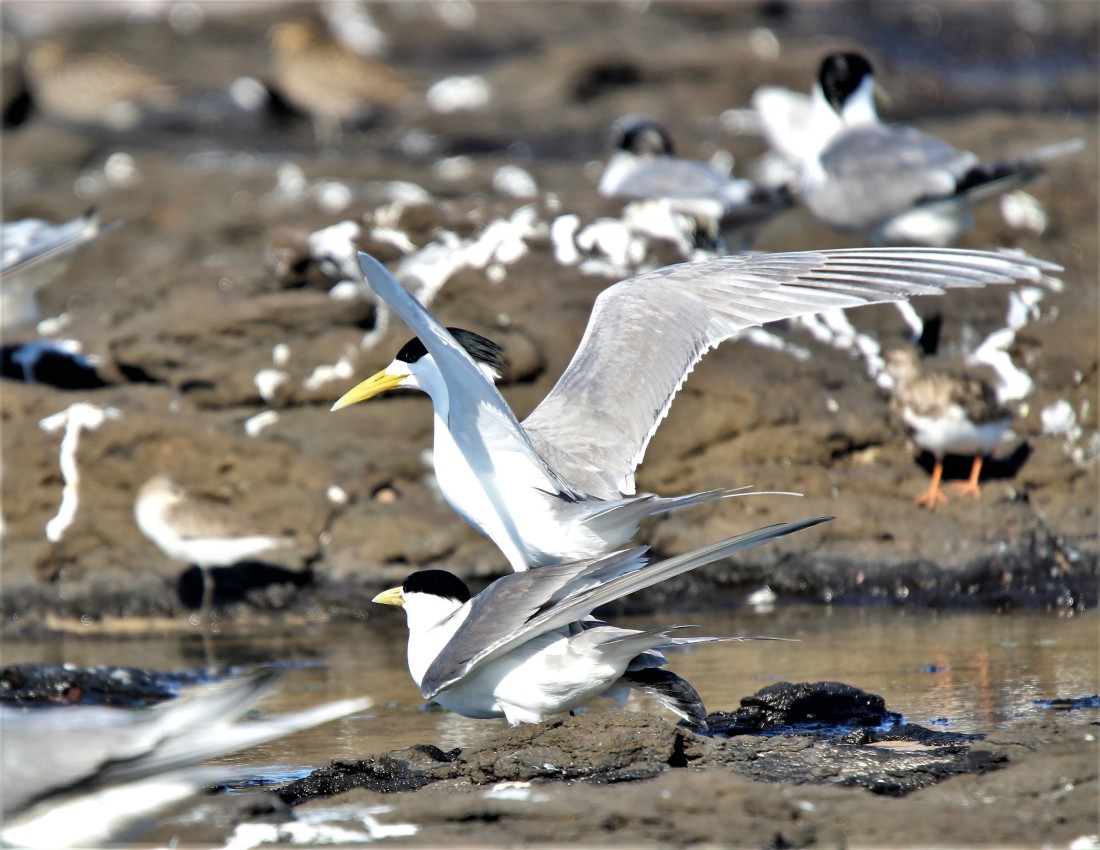
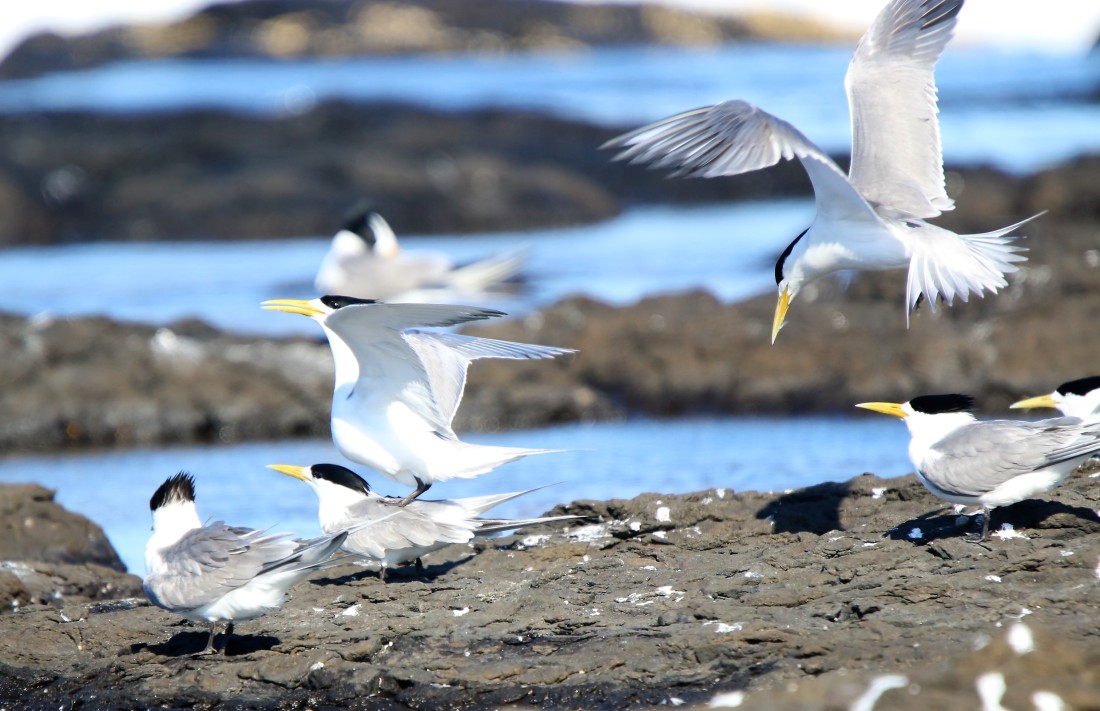
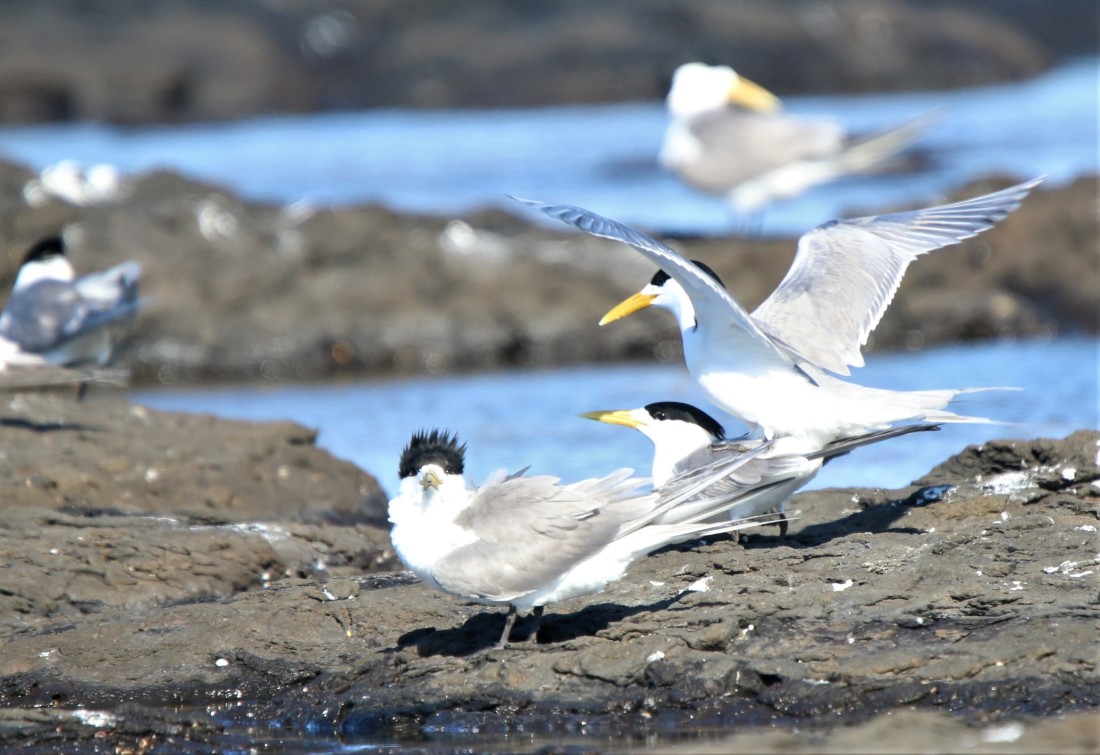
The Caspian Terns don’t bother with a nest and brazenly create new Terns, much to the consternation of their mate in front, whose hair really is standing on end”

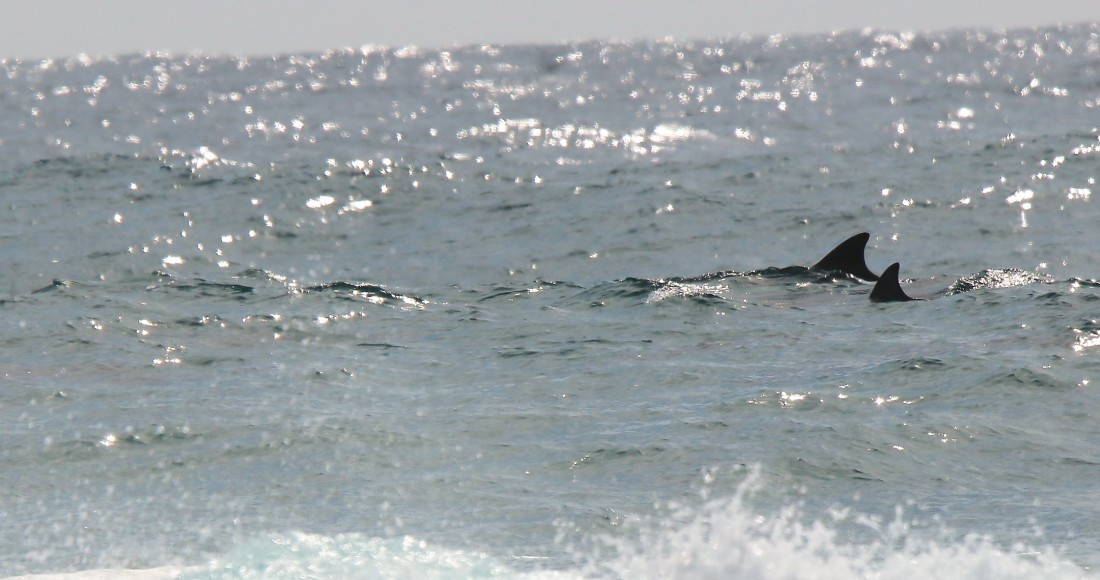
IMG_9127 (2)IMG_9158 (3)IMG_9156 (2)IMG_9153 (2)And finally a pod of dolphins wandered past:

IMG_9084 (2)

Michael Monaghan

11-17 November 2018

Barrington Tops and Gloucester Tops, lush green and up to 1500m above sea level.

IMG_8881

Staying at cottages overlooking the Barrington River and incredibly lush pastures. Have had over 300mm in last 3 months apparently.IMG_8758
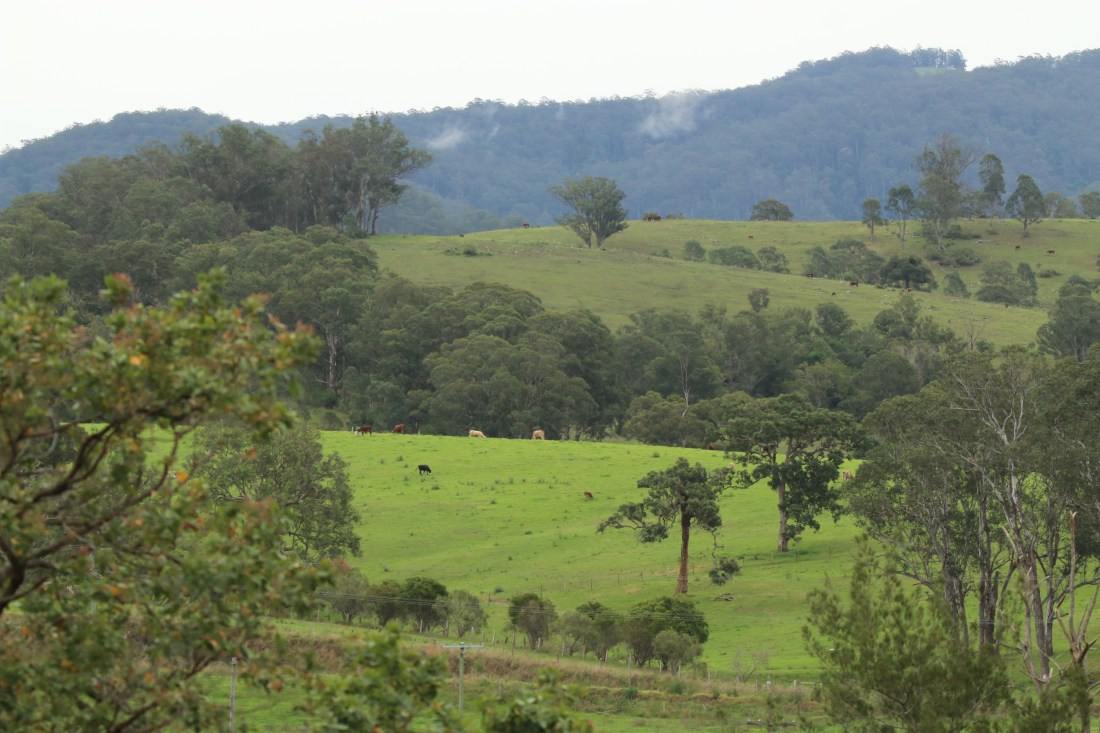
The river is a comforting 10 metres below in the foreground – there are indications everywhere that it does rain very seriously around here.

Lots of birds, although many hard to spot in the massive aged gums along the riverside.

Two Laughing Kookaburras frequent the grass in front, picking off insects in large numbers.


Another frequent visitor is an Azure Kingfisher, similarly feasting on the bugs on the grass.

The persistent din is generated largely by the appropriately named Noisy Friarbirds. They are very hard to pick out against the mottly and well-leafed eucalypts.

There are also lots of, also hard to spot, Grey Fantail.


There are three mountain ranges in the area, Gloucester Tops to the south, Buccan Buccan (Buckett’s) between Barrington and Gloucester, and the Barrington Tops to the west.

Barrington Tops tops 1500m which is well above much of the Snowy area, including Thredbo.

The Polblue marsh, at 1400m was formed about 6000 years ago as water running down into a dip in the hill slope couldn’t work its way through the rock base. It is called a “Montane Peat and Swamp”. The sphagnum moss can absorb many times its weight in water; it absorbs available water in wet times, then slowly releases it in drier times, creating a permanent water flow down the hills into the rivers. Crimson Rosellas must love something about it because there were dozens.


Finally, there are also lots of wildflowers.

Early morning visitor:

IMG_8892Headed up the southerly Gloucester Tops today. 7 ford crossings over the Gloucester River – this must be hairy driving when the water is really running.

Road is fair gravel and it quite steep and narrow in parts. Forest is awesome.


Took a good selfie, making sure I wasn’t dangling over a cliff edge at the time!
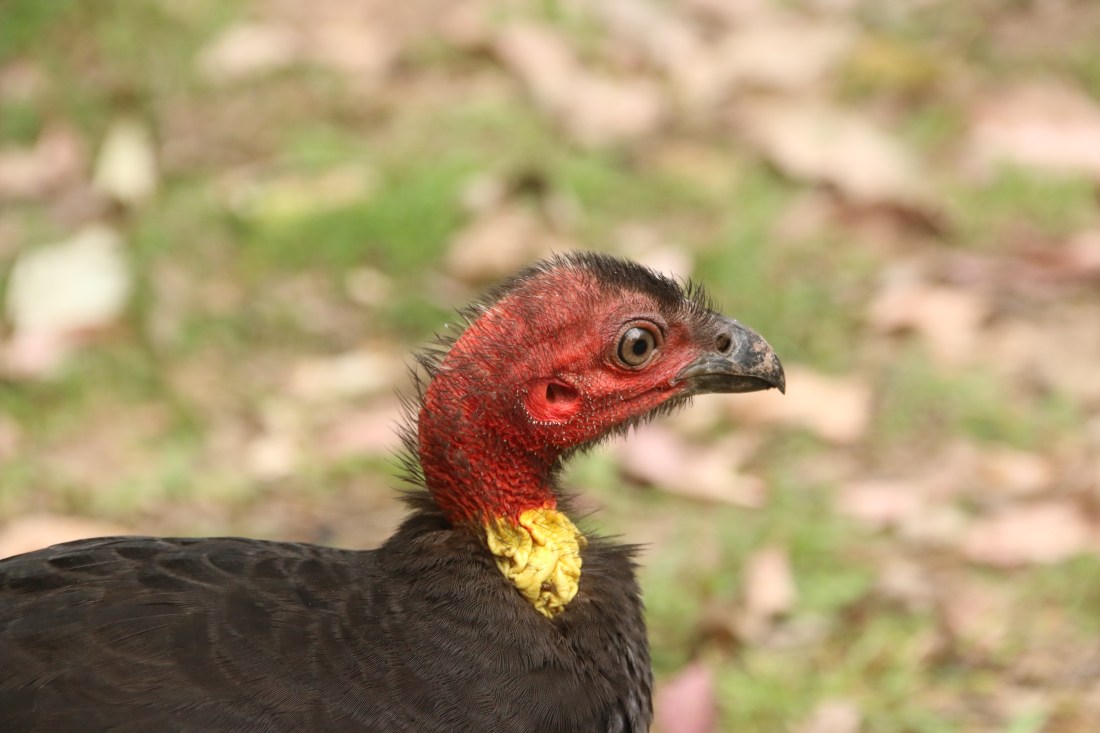
IMG_8925


Michael Monaghan

9 and 10 November 2018

Gannets and seals – but no whales

IMG_8646 (2)

Down at Green Cape, south of Eden NSW, is a rugged site for an 1873 lighthouse.

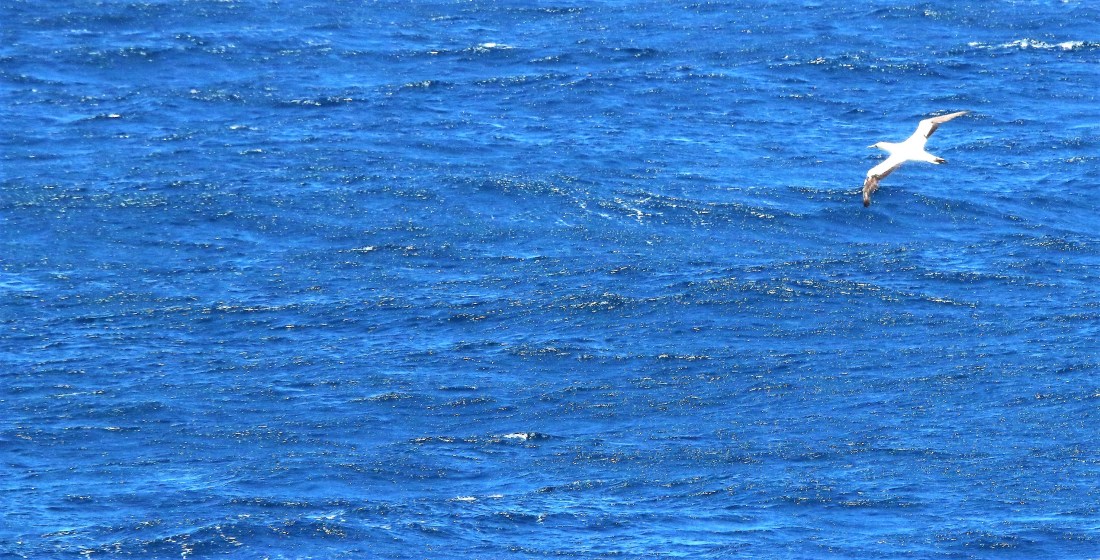
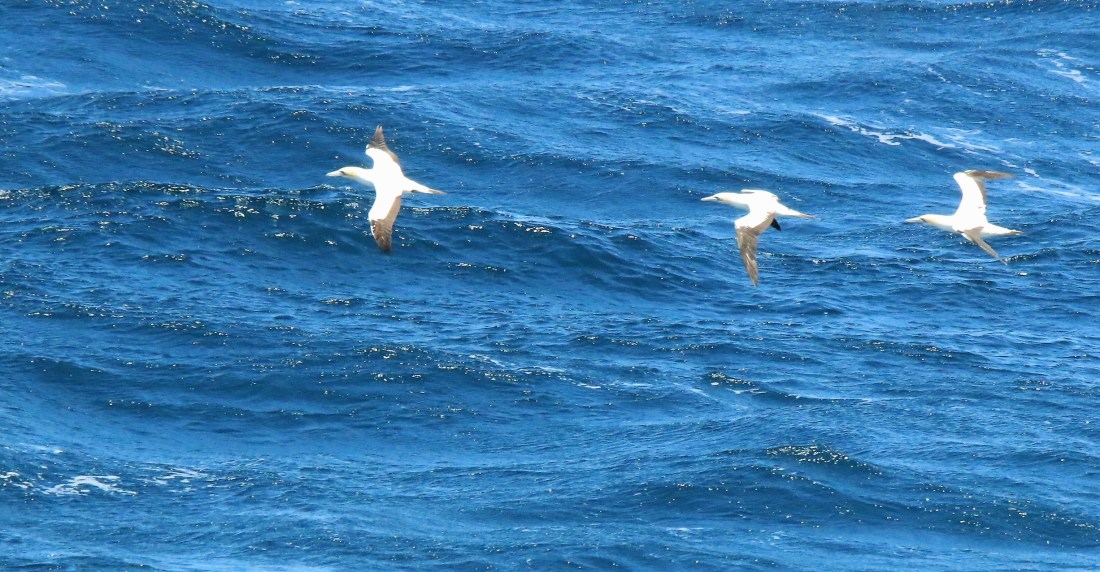
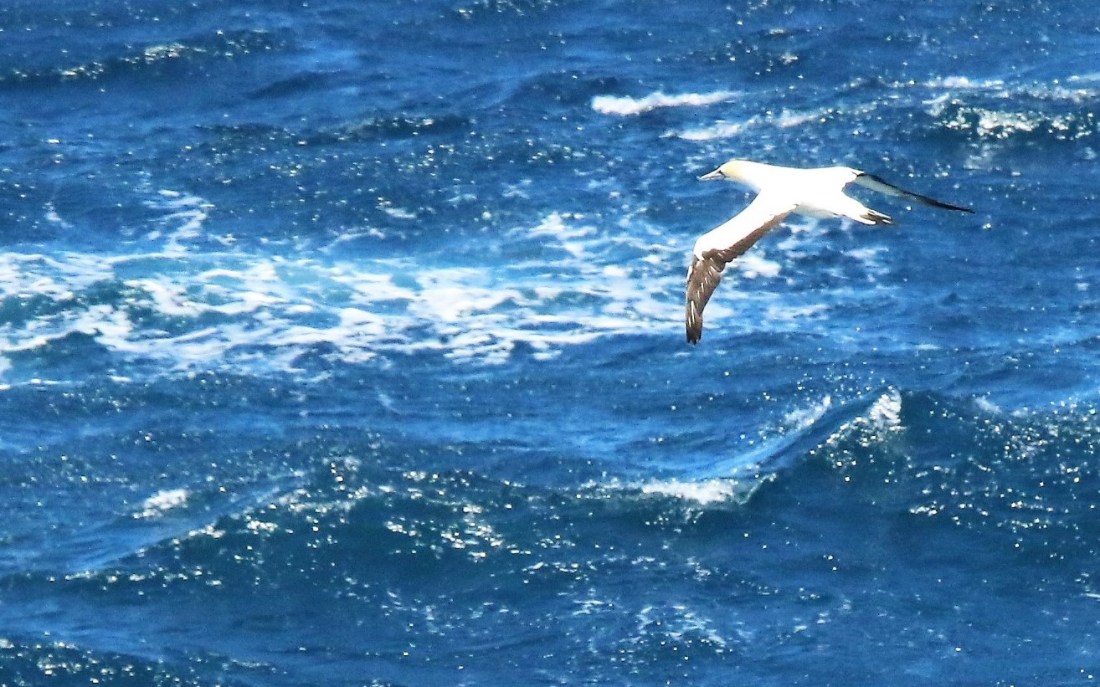
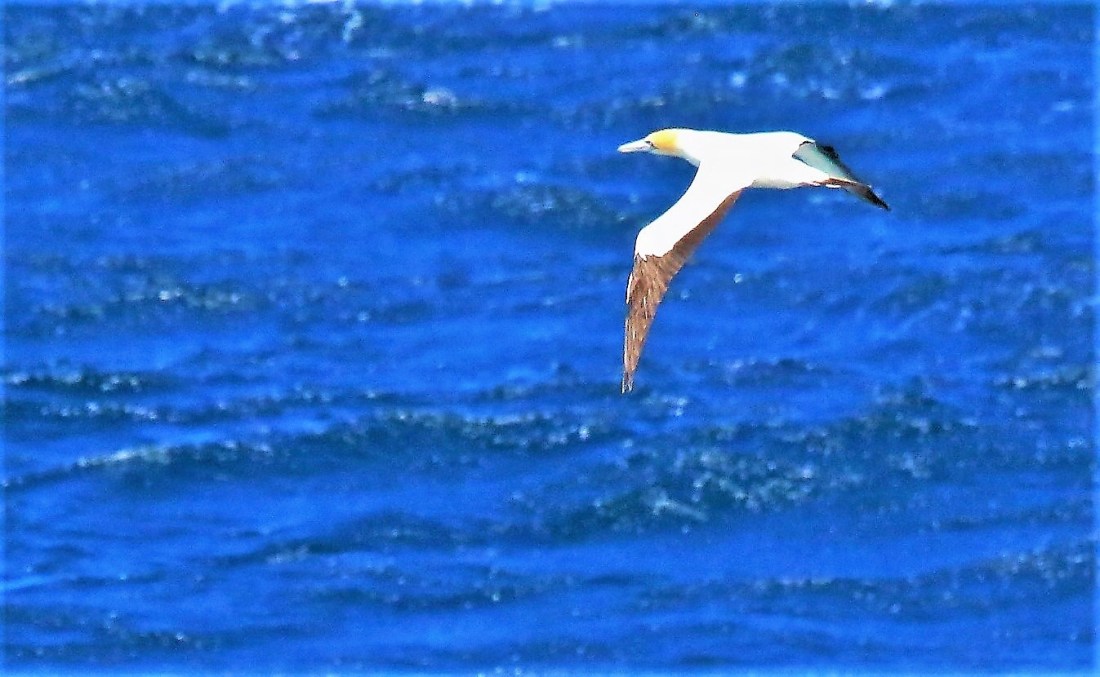
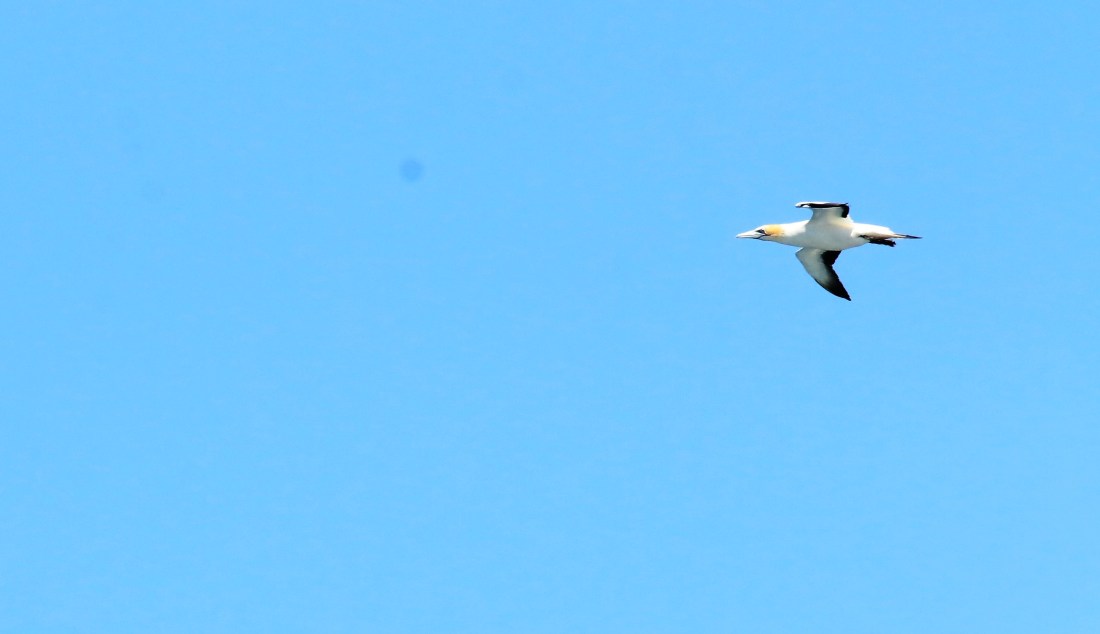
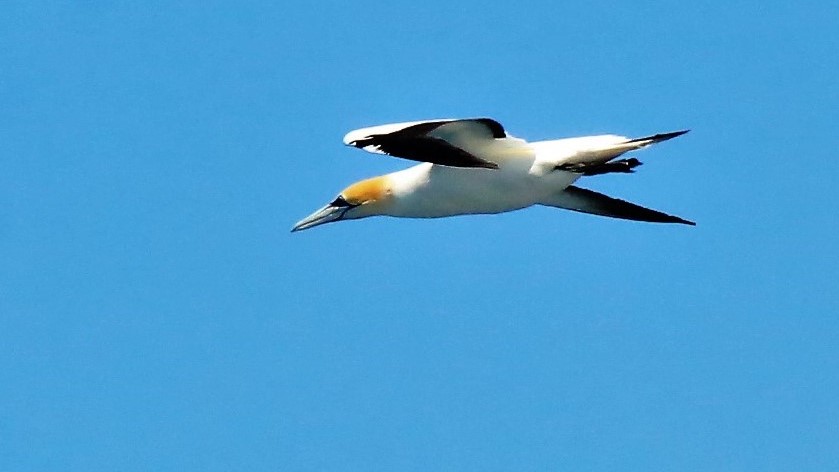
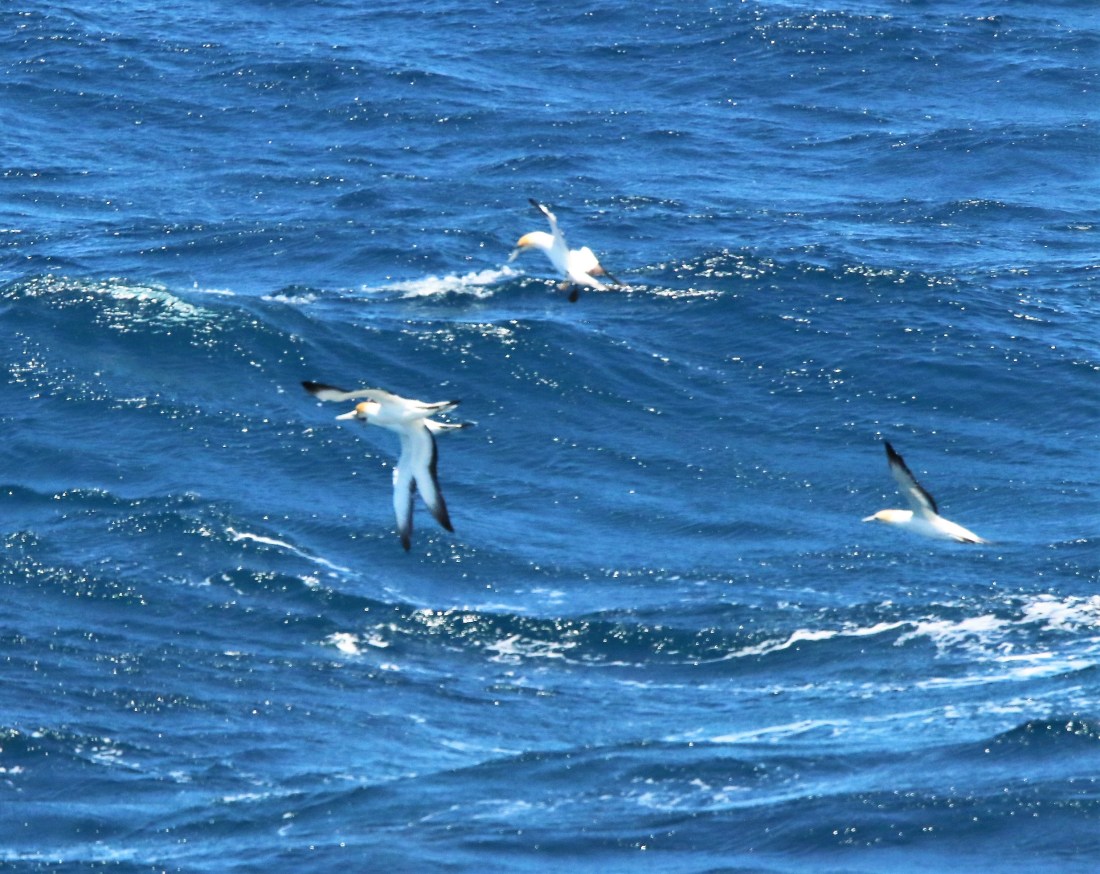
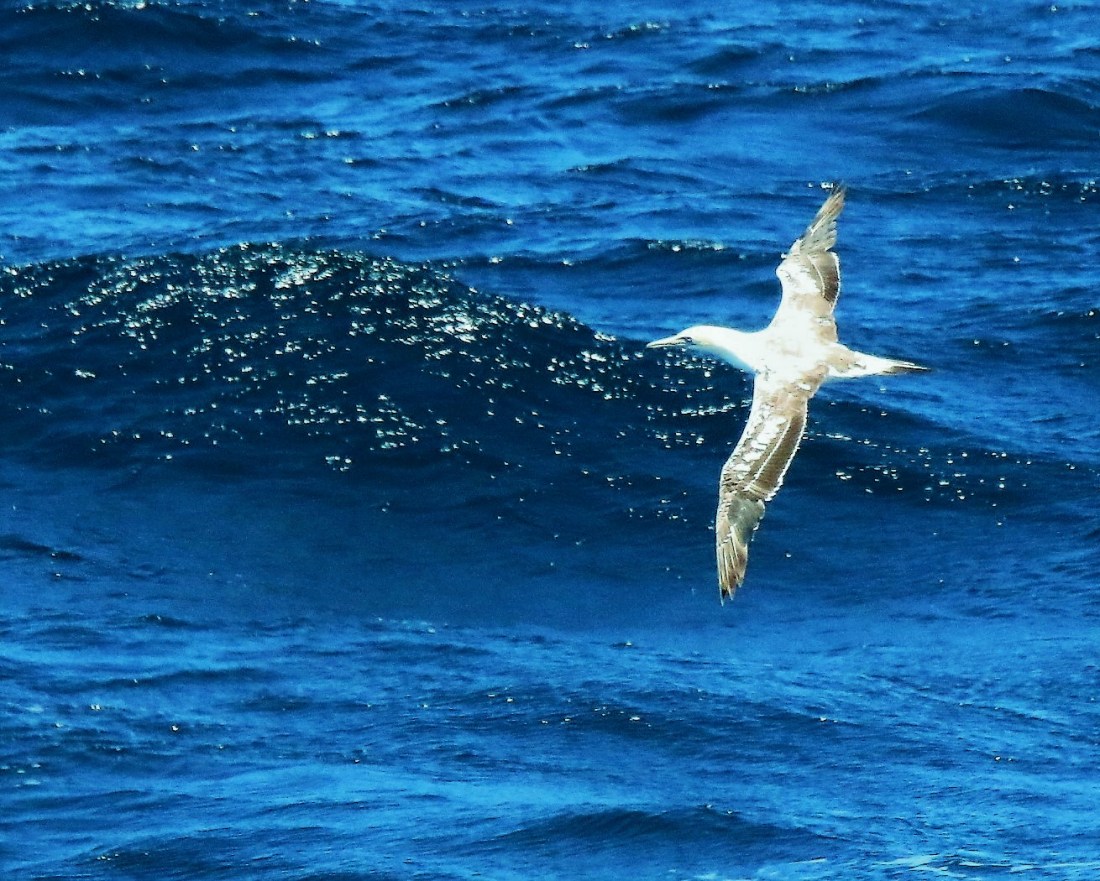
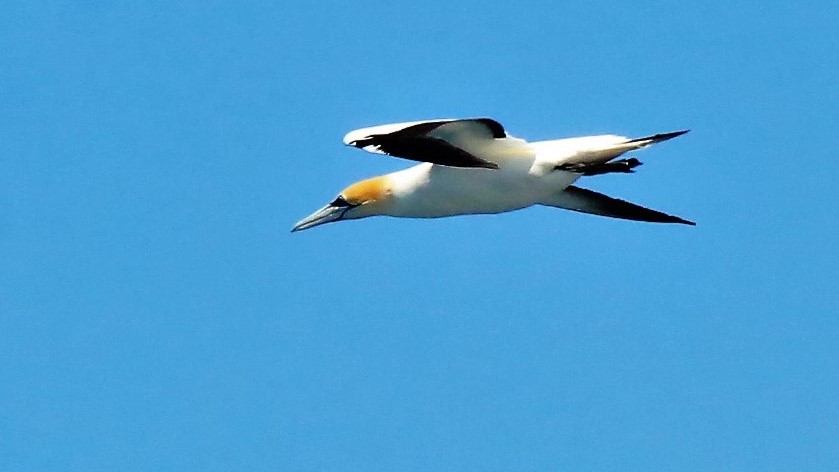
Dozens of Australasian Gannets were heading north. Later that afternoon we saw several “rafts” of gannets in Twofold Bay, a typical behaviour to trick the sharks into thinking it is a beast too big to tackle, whilst the gannets wait for sunset to head to their real night home. The lighter ones are the kiddies.

IMG_8633 (3)IMG_8686 (2)IMG_8635 (2)IMG_8636 (3)IMG_8642 (4)IMG_8644 (2)IMG_8646 (2)IMG_8661 (2)IMG_8676 (3)IMG_8680 (2)

We also spotted a group of about 20 fur seals also floating as a raft off the rocks.

No whale sightings. I did also spot a male lyrebird and a massive goanna. Is a lovely drive down to Green Cape.

Michael Monaghan

Nov 3, 2018

Idyllic cricket ground for comeback of star Australian fast bowlers

I was lucky enough to notice a news article advising that two of our best fast bowlers would be playing at a local Canberra cricket oval as the final step in their comeback from back injury.  Mind you, the ground was so local that it didn’t appear on google maps nor in my old style hard copy mapbook.

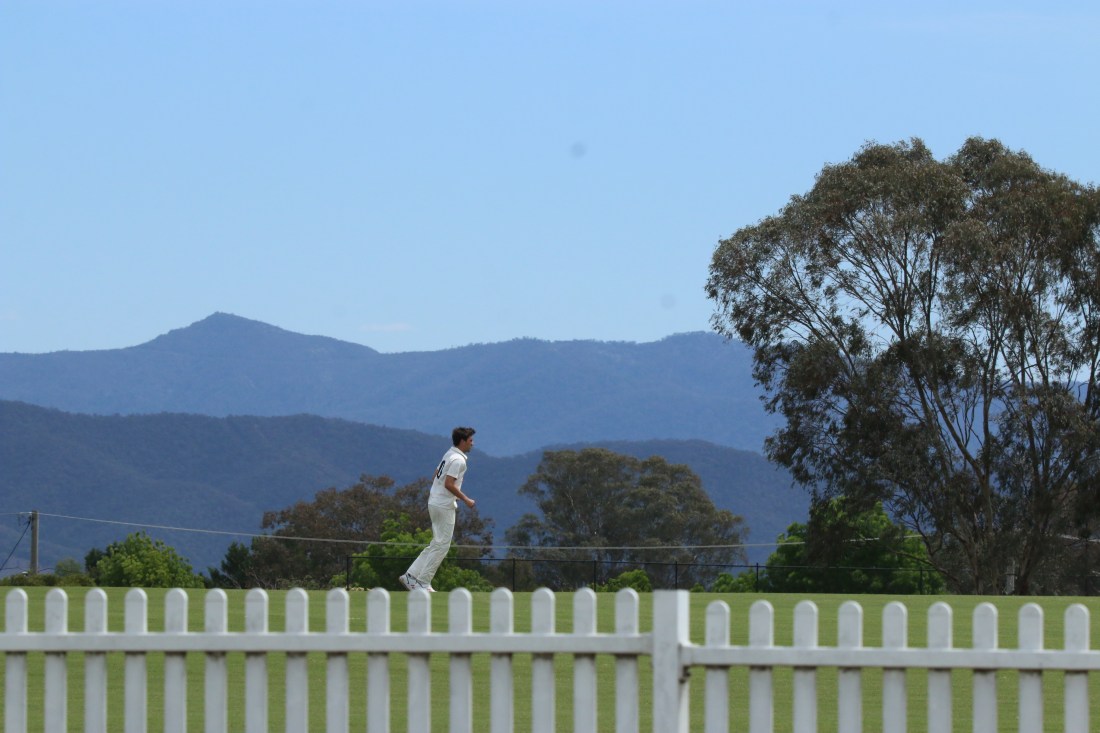
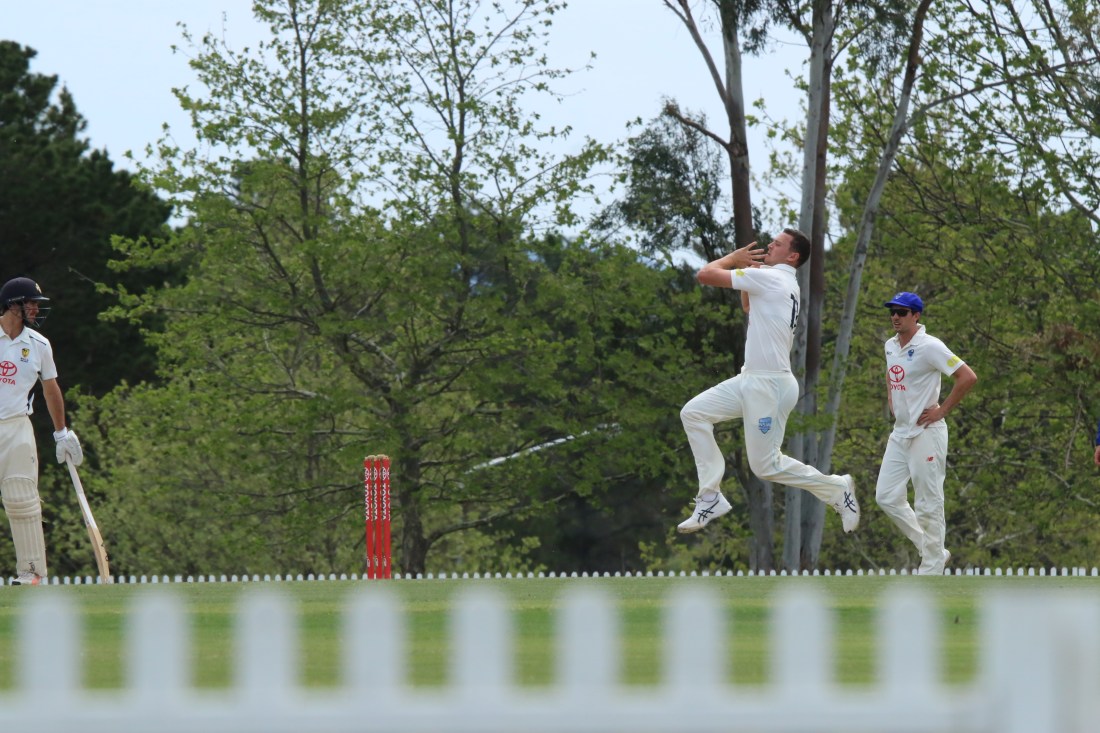
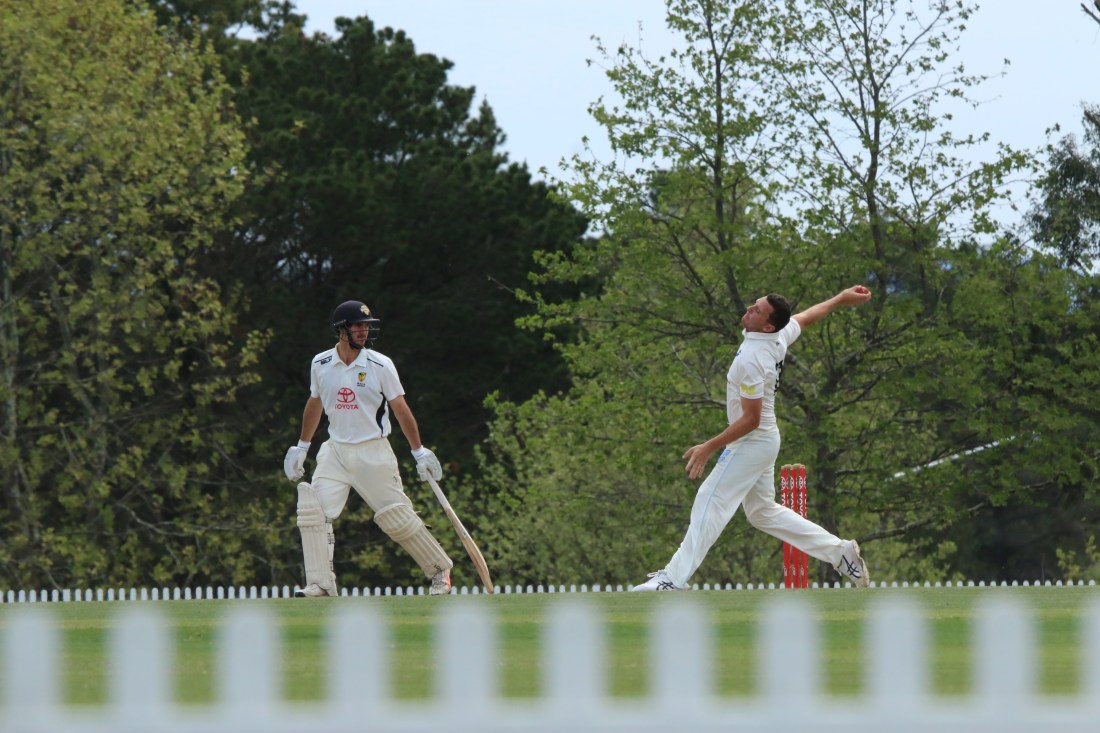
When i did find it, it turned out to be in a wonderful spot, set high with an oval sloping gracefully down from the pitch, trees at one end, and the wonderful Brindabella Ranges to the west. Lovely white picket fence just set it off.

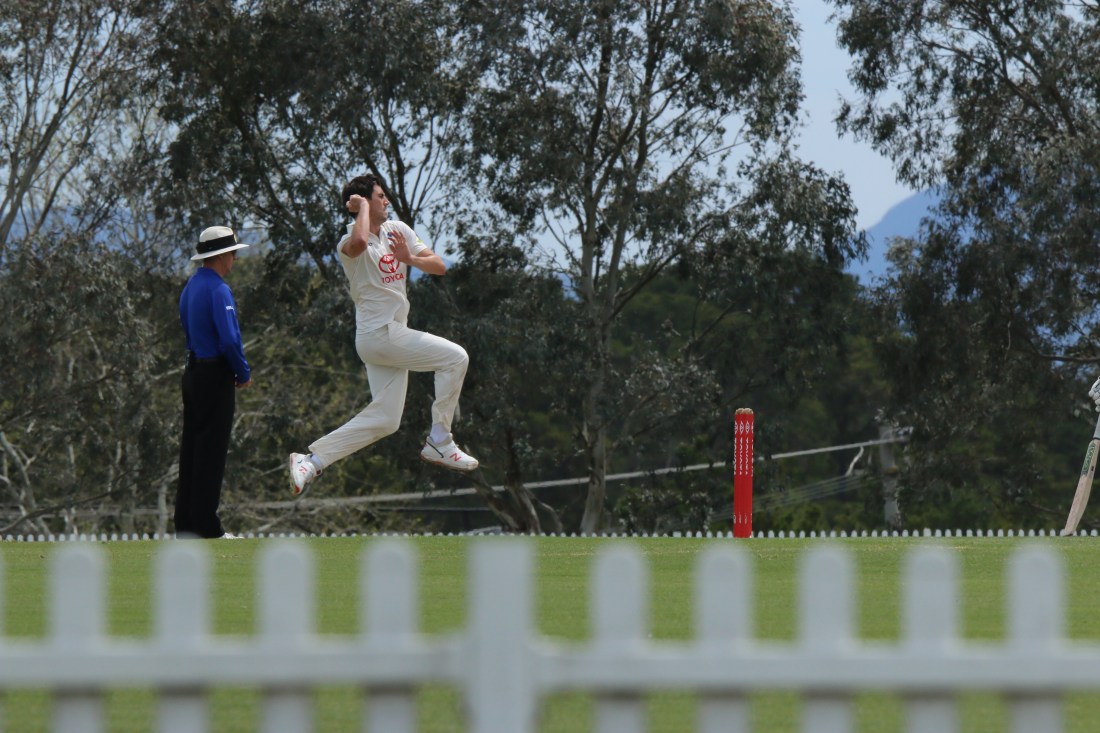
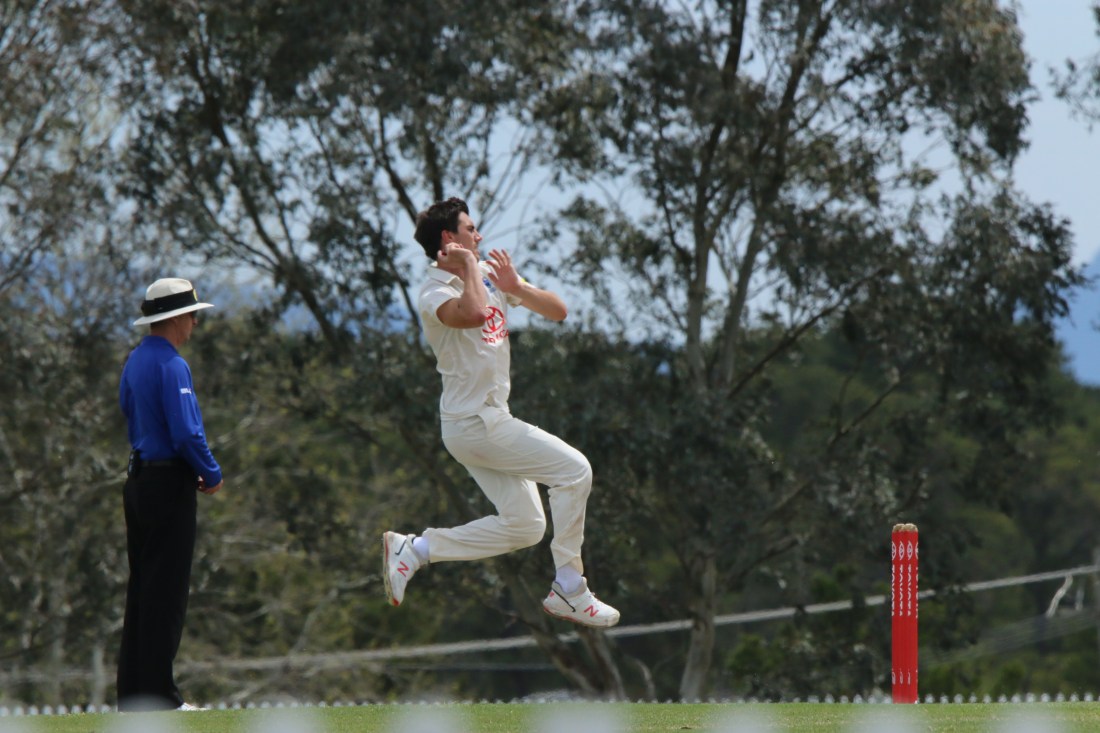
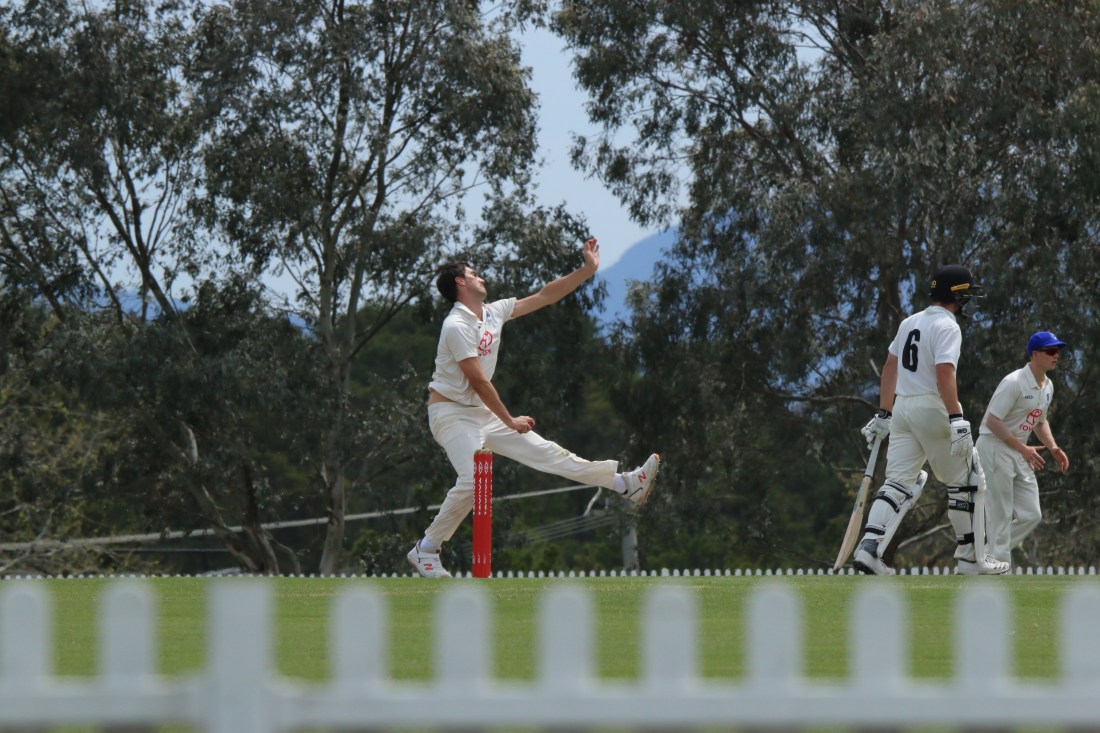
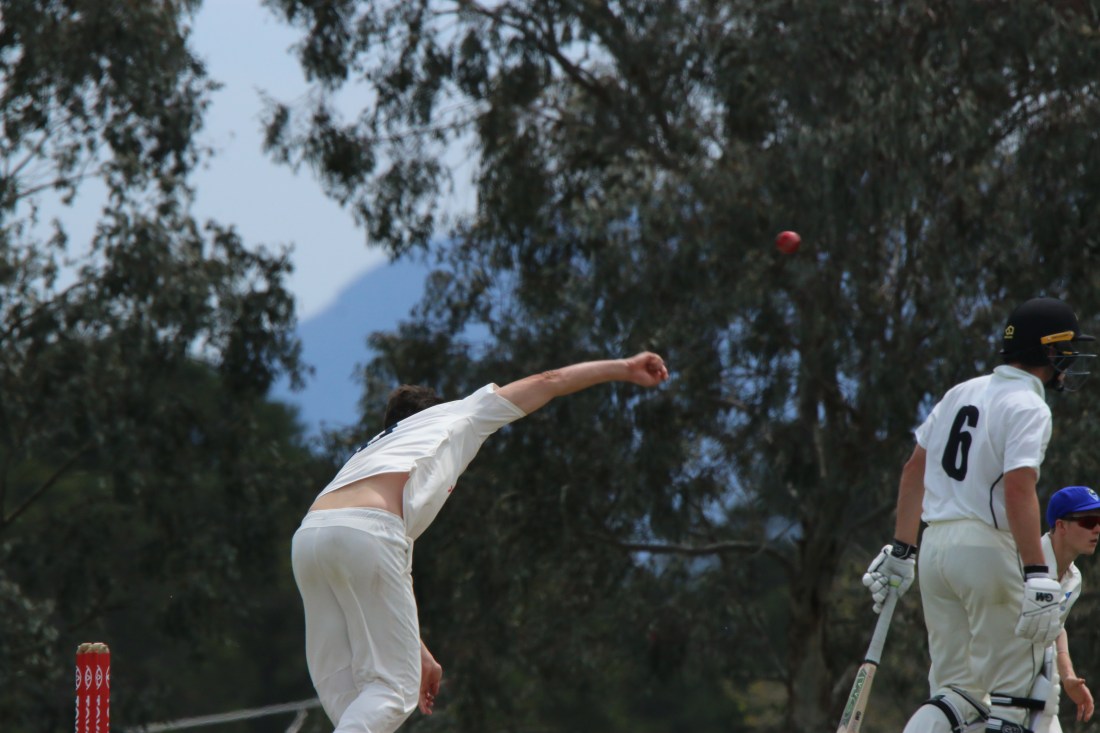
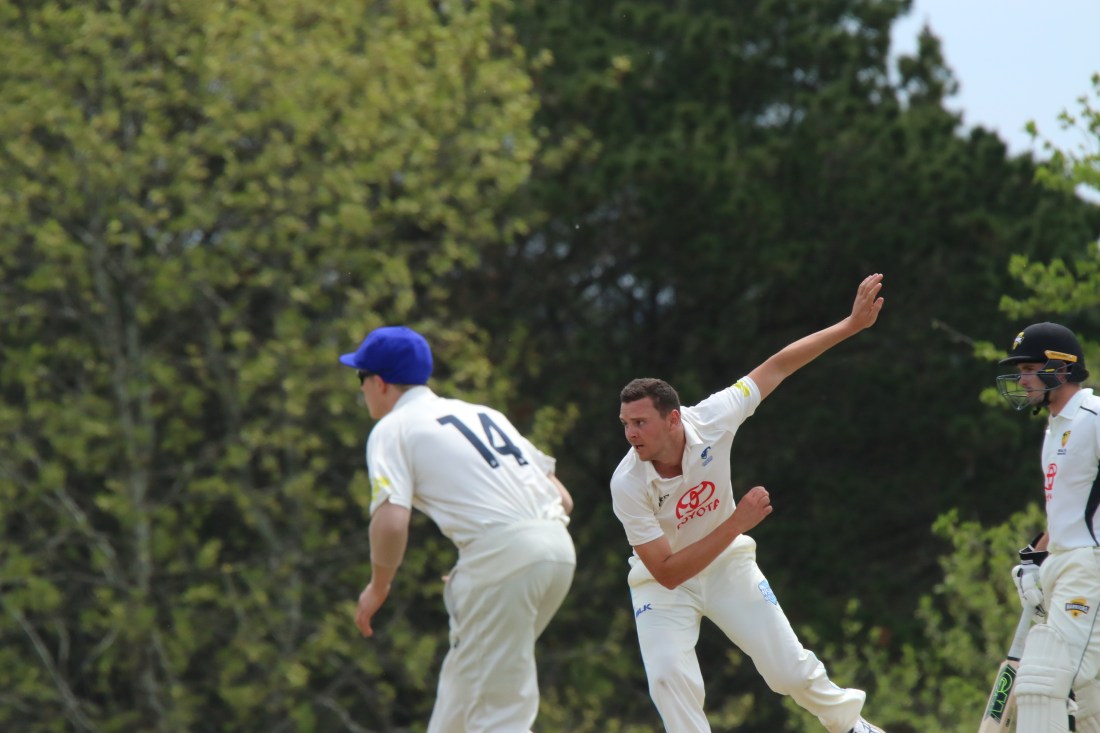
Pat Cummins looked fantastic, but I thought Josh Hazelwood was collapsing a bit into his final release, a common issue with back injuries.

Anyway, here are the photos.

First, Pat Cummins; then secondly, Josh Hazelwood:
IMG_8393IMG_8394IMG_8390IMG_8395IMG_8397IMG_8396IMG_8392

Hazelwood:

IMG_8399IMG_8400IMG_8403IMG_8404

We sort of need them back!


Michael Monaghan

October 2018

Red-Rumped Parrots

Must have been nice grass seeds at the Wetlands today. These Red-rumped parrots were quite happy to ignore me.


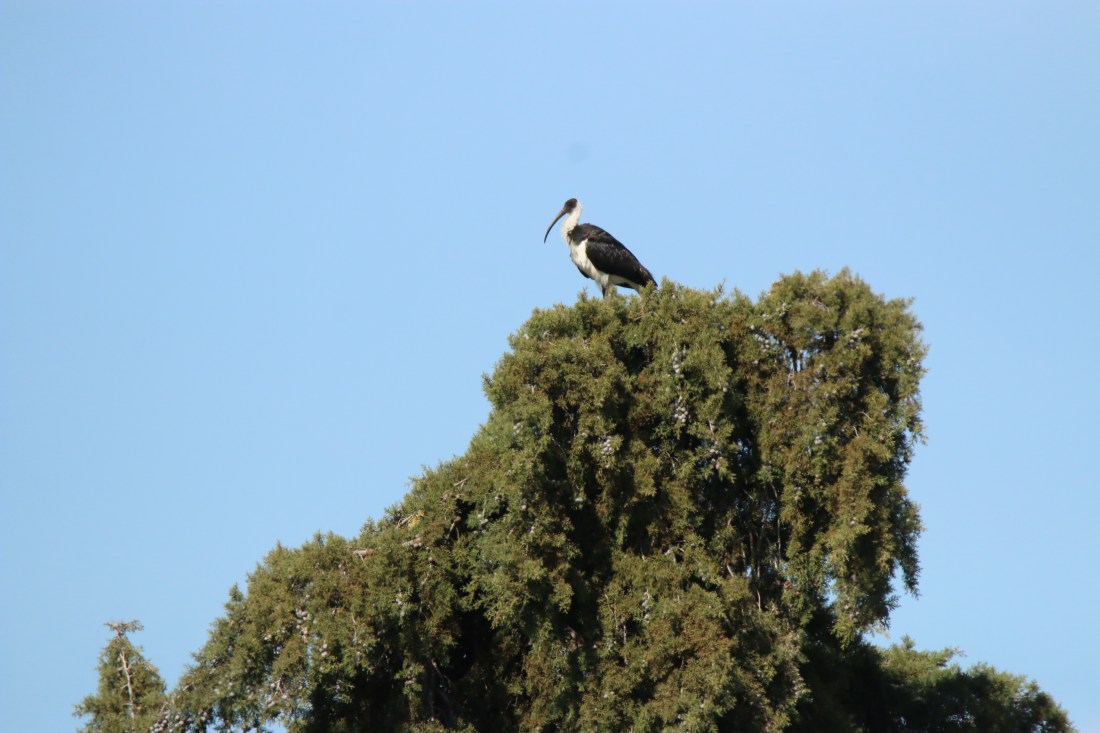
There were other birds allowed. The Straw-necked Ibis had taken over the Black-shouldered Kite tree:

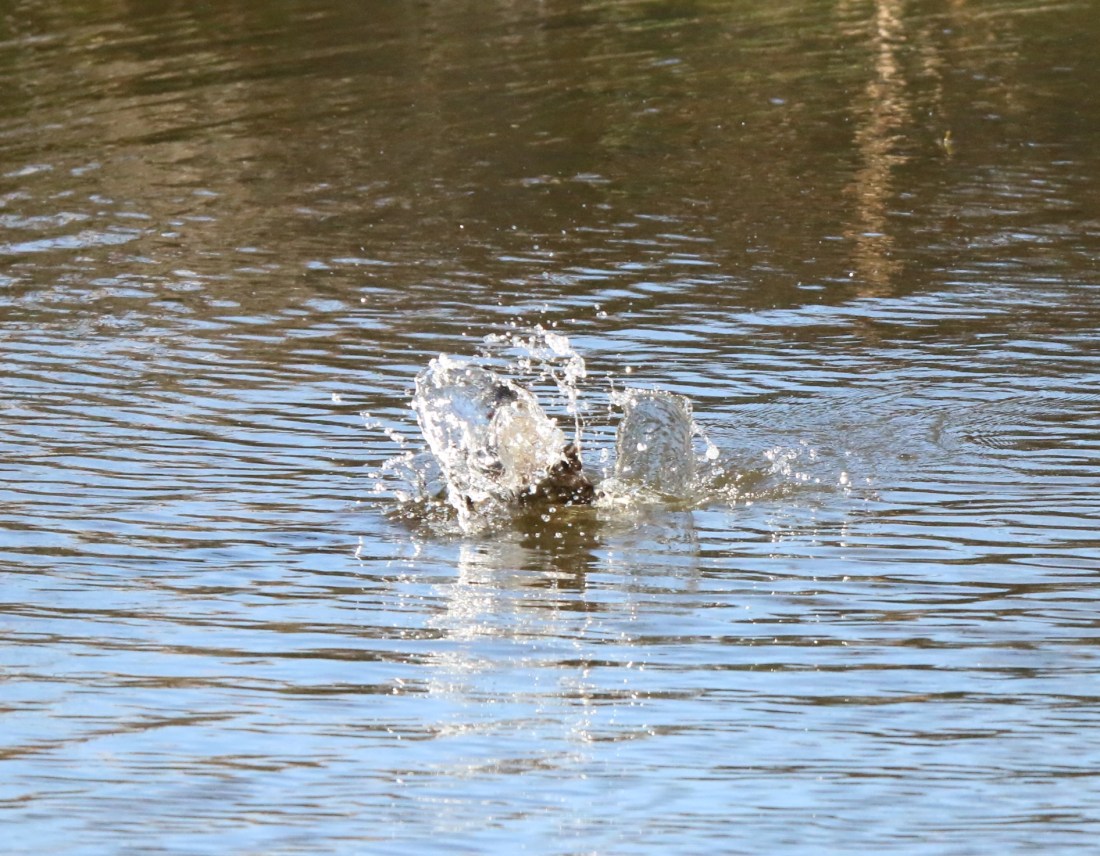
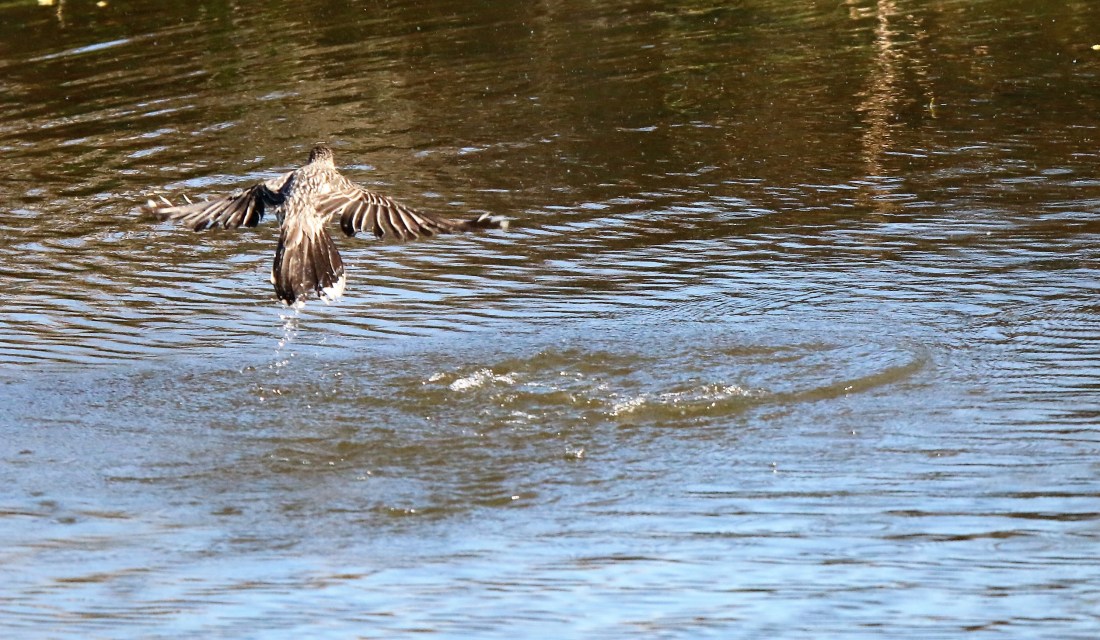
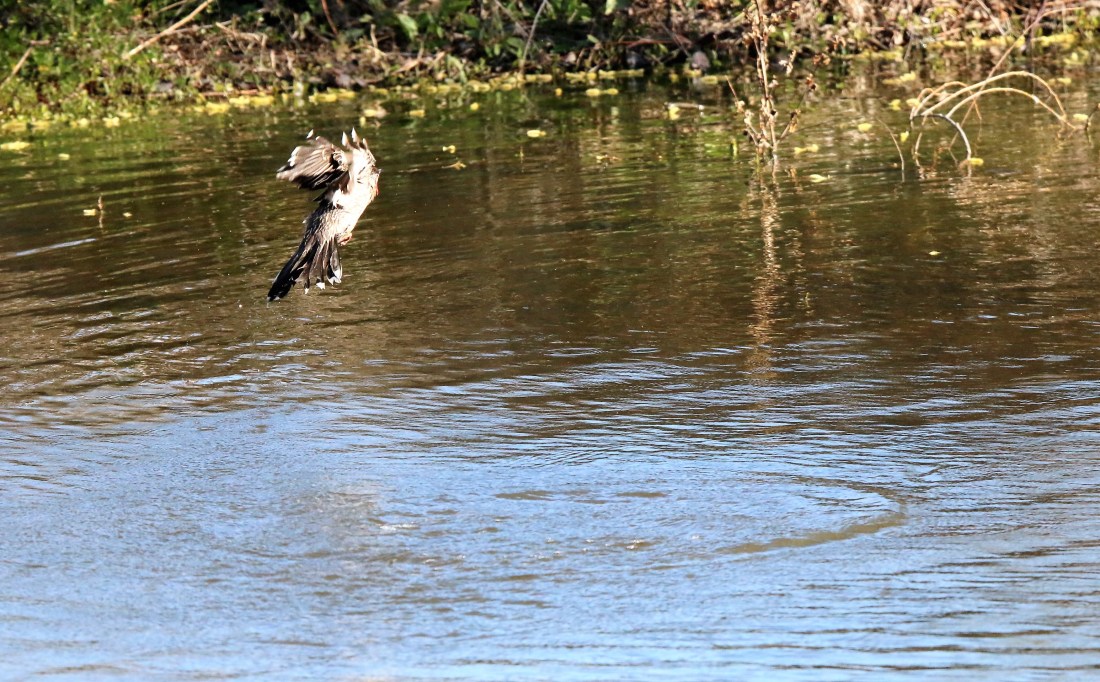
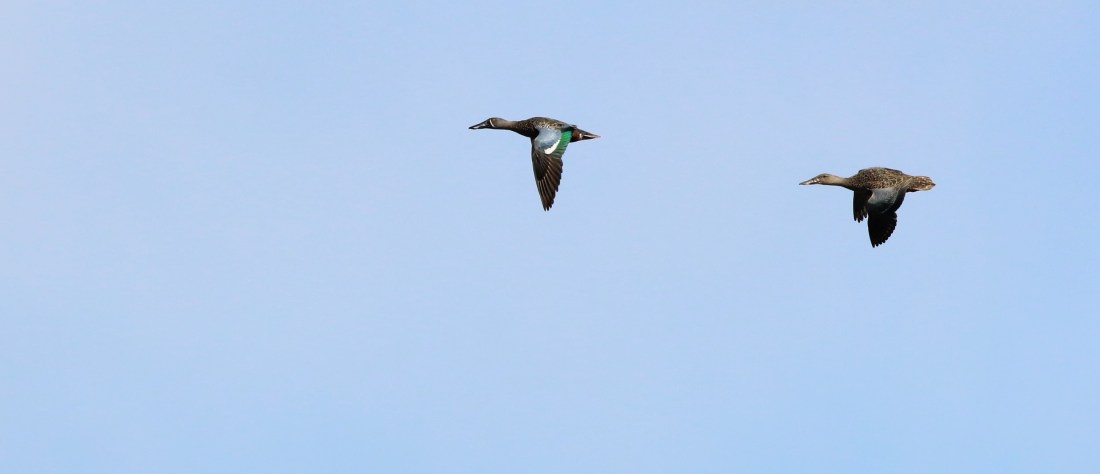
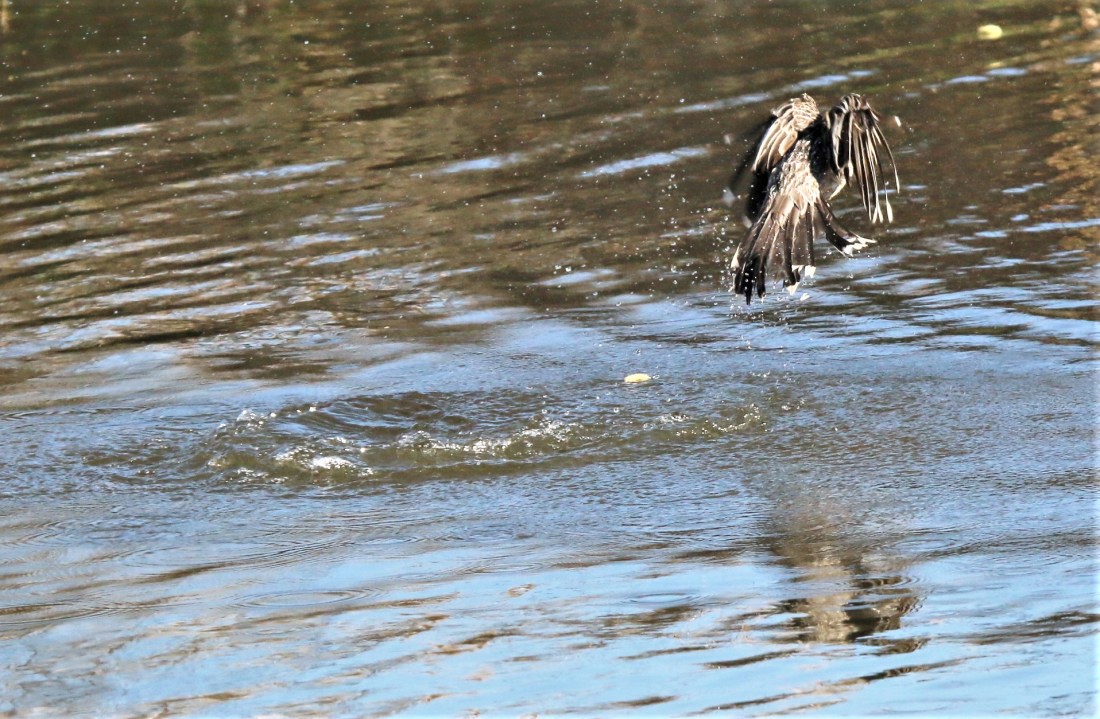
IMG_8328Pacific Black Ducks were as always in abundance. This was dad and mum coming in to land:
IMG_8322 (2)


Michael Monaghan

September 2018

The Preening Log

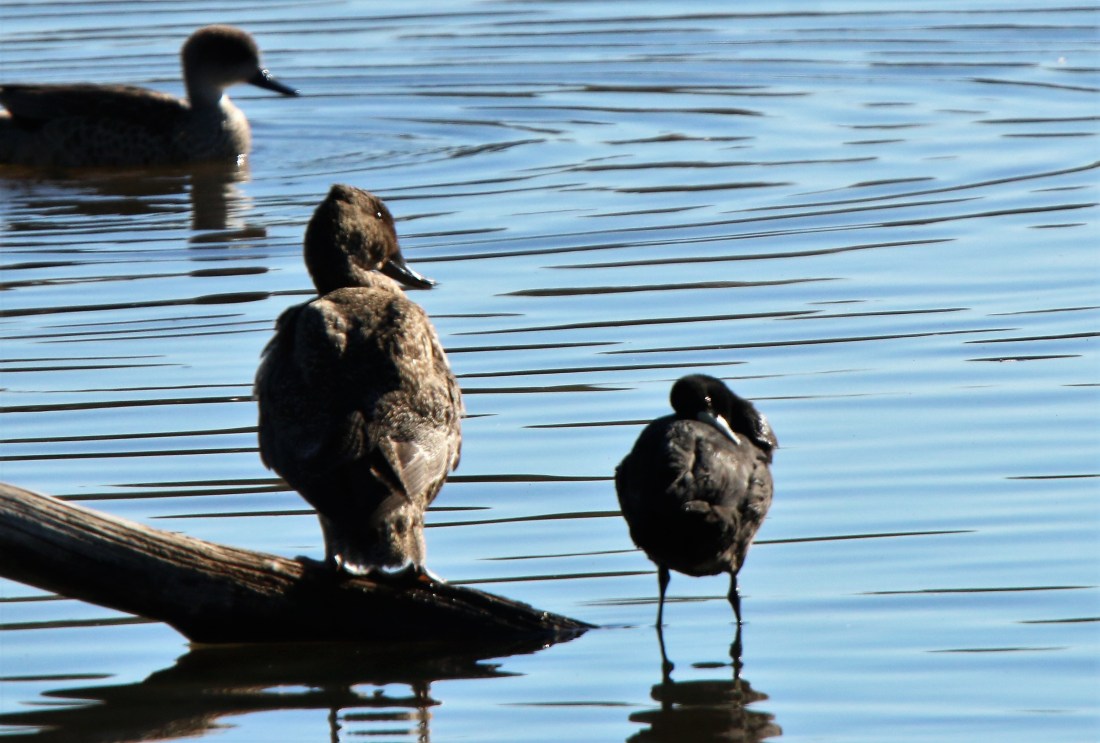
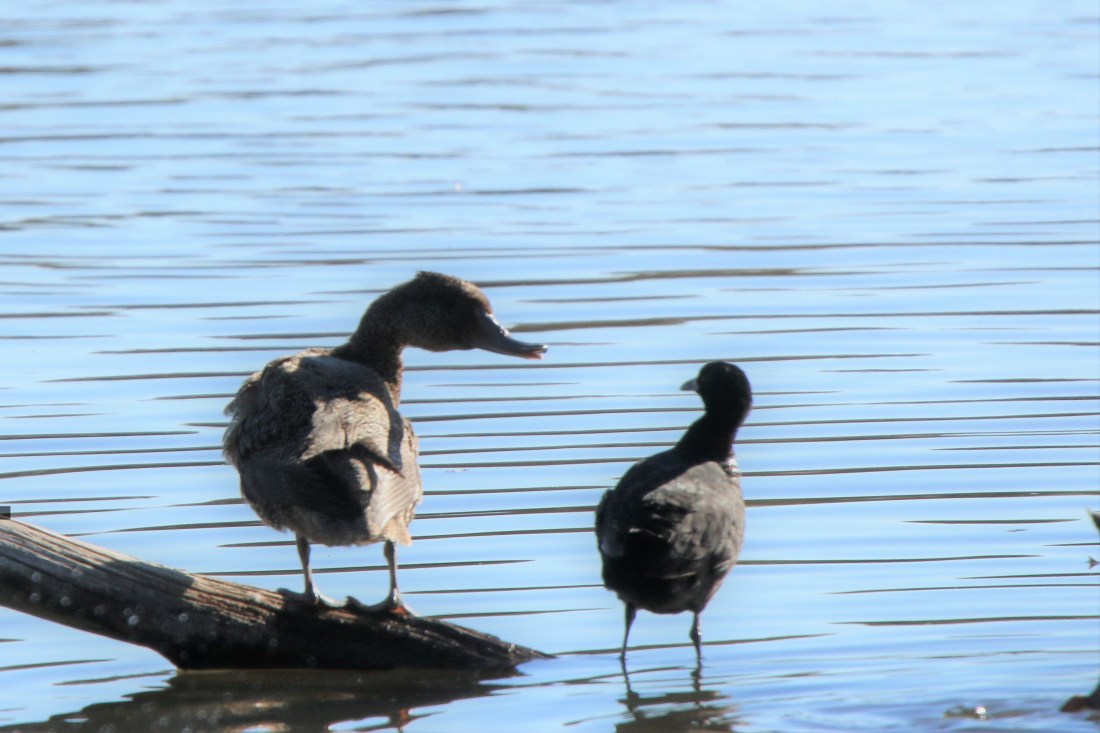
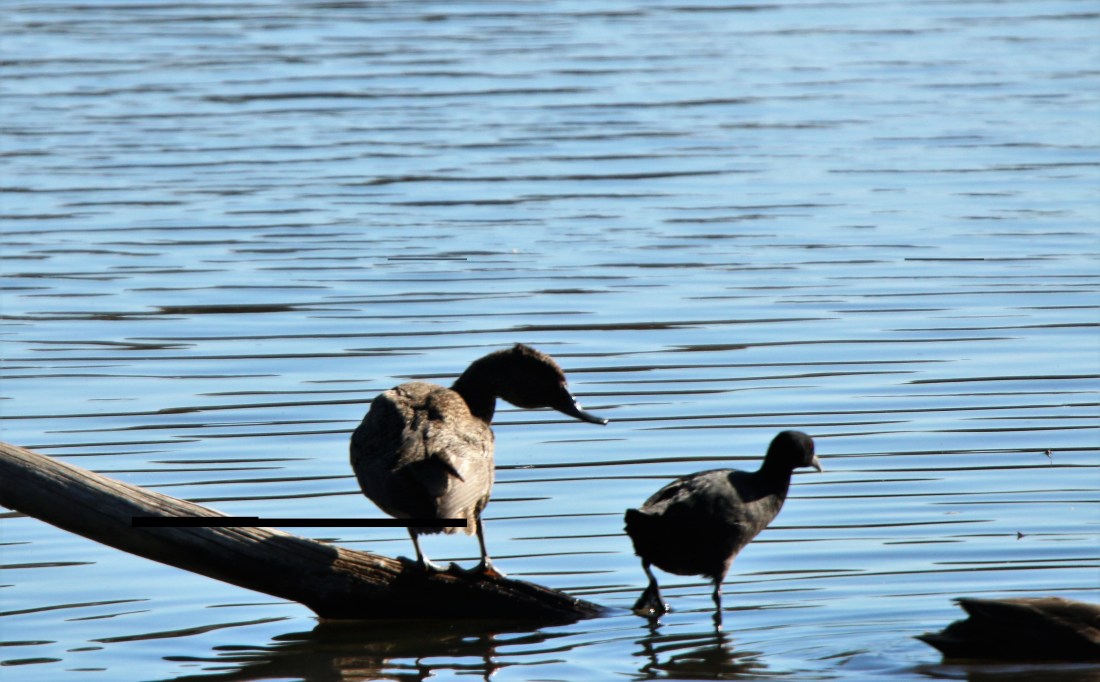
A long time feature of the Jerrabomberra Wetlands is the “Preening Log”.  It is the scene of serious preening, especially on still days when the water provides mirror support.  Positioning is jealously guarded resulting in frequent aggro.


Of course, it is not necessarily essential to actually be out of the water to preen. Serious bathing is well supported by the submerged part of the said log.

Space is often jealously guarded, and it was clear early on that there was to be ‘trouble a’mill’:

IMG_8156 (2)IMG_8158 (2)IMG_8160 (2)IMG_8161 (2)IMG_8162 (2)


Well you may hang your head in shame!

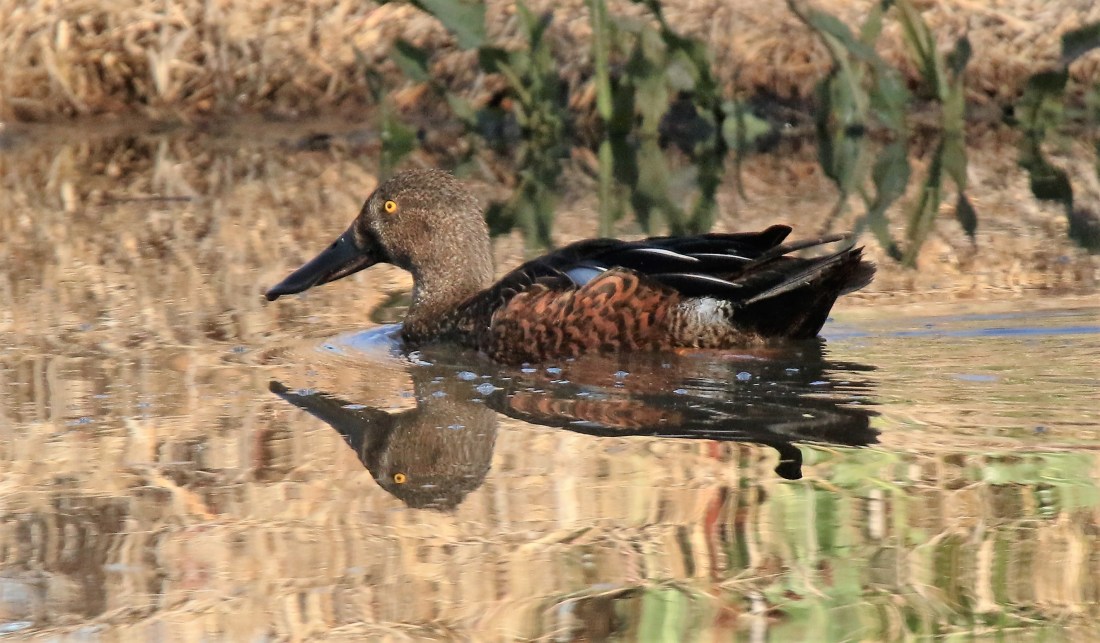
It is permissible to be at the wetlands even if not in serious preening mode. It is amazing how often you look out and see just more of those Duckin’ Ducks. Then on closer inspection there are many different varieties. So below from left to right is a Grey Teal, Pink-eared Duck and Male breeding Australasian Shoveler.

IMG_8187 (2)

This is also a male breeding Australasian Shoveler:

IMG_8195 (2)

This is a Freckled Duck.

IMG_8107 (2)

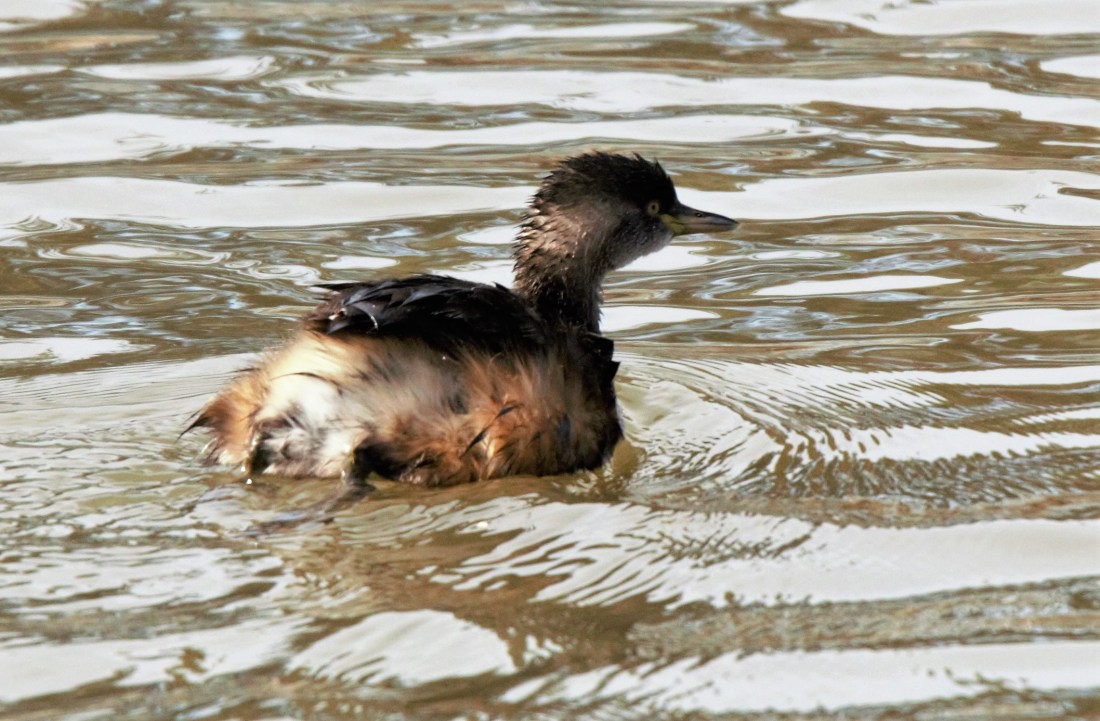
And this is an adult breeding Australasian Grebe.

IMG_8128 (2)Michael Monaghan

September 2018