Jerrabomberra Wetlands

As always, more to see at the Wetlands.

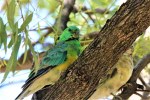
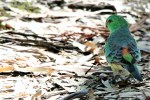
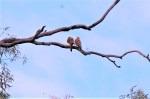
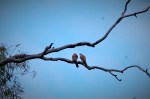
Three Dollarbirds (I got change out of a fiver) this time, the two adults looking much the same, with the blue neck, and the juvenile, without the blue.

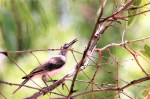
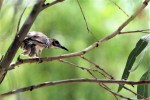
A brief glimpse of a European Goldfinch with lots of colour, and baby Little Pied Cormorant in the trees.

A rare sighting for me anyway of a pair of Little Black Cormorants, the male with the so-called “nuptial” white plume behind the neck. The look very seal-like.

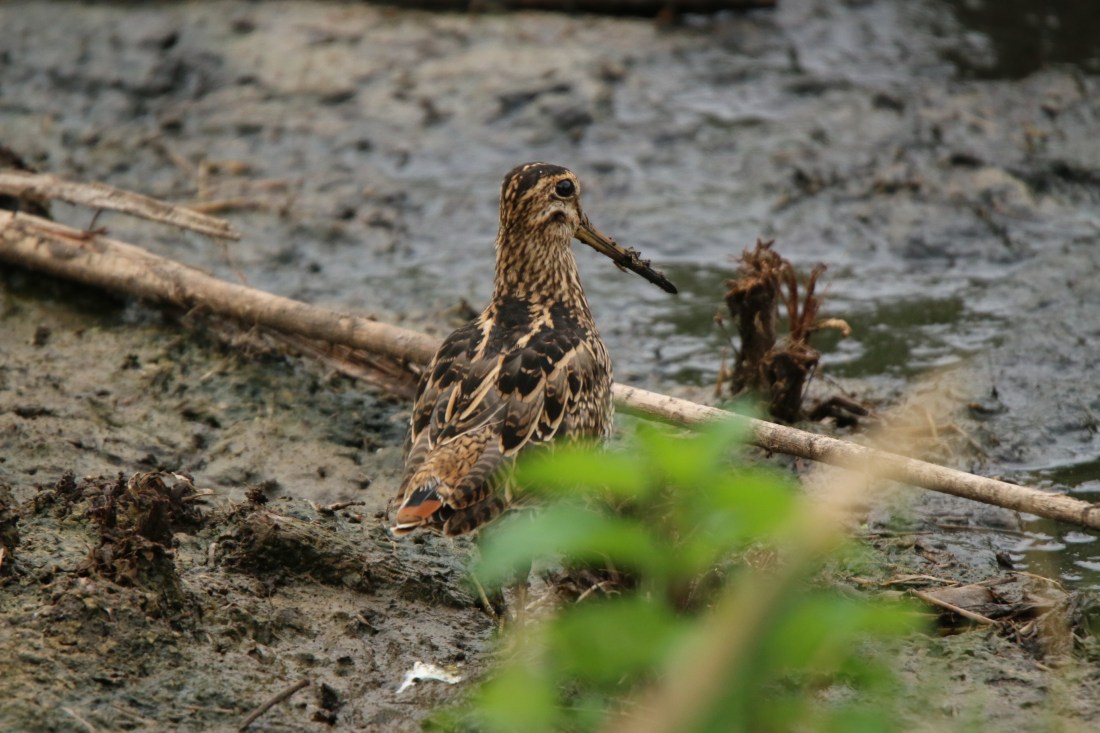
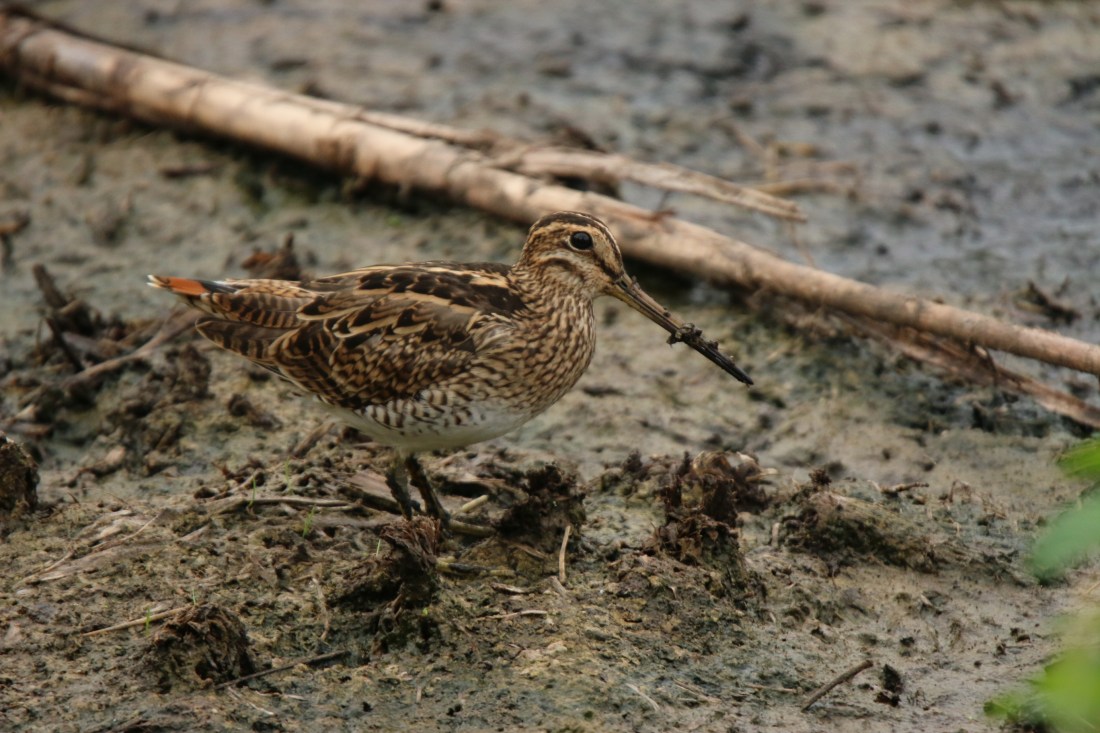
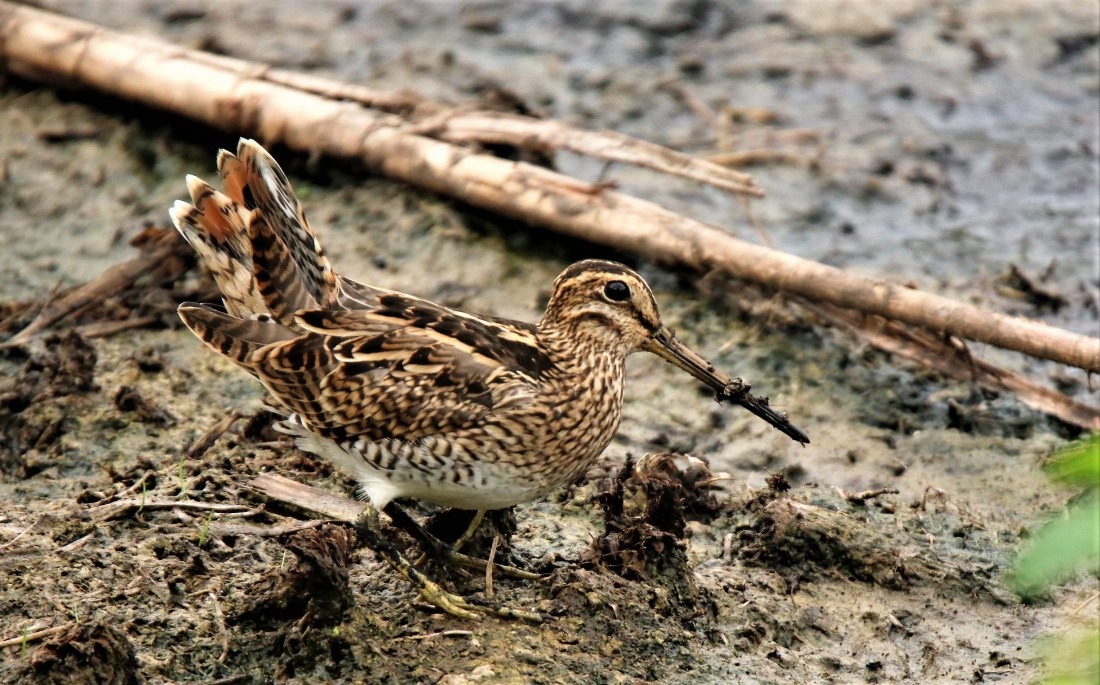
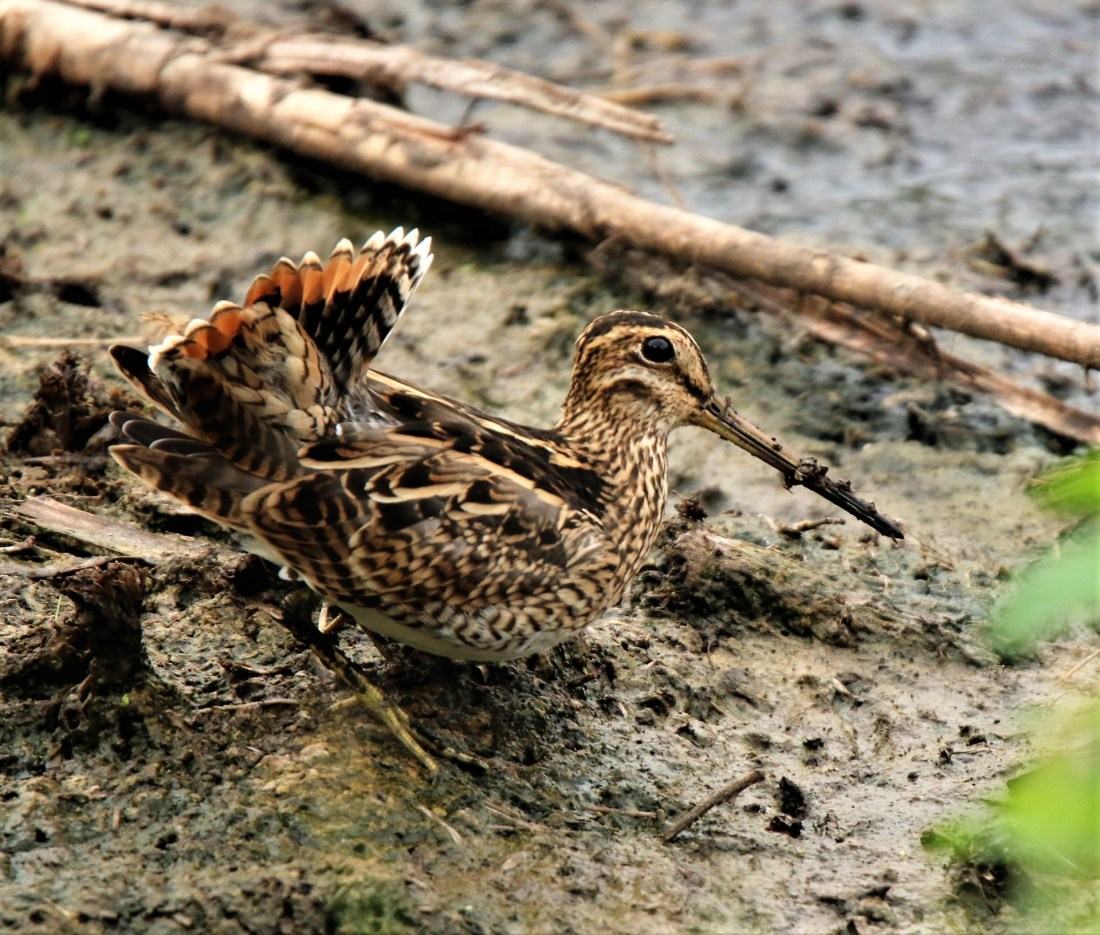
The Latham’s Snipe obliged by being on my side of the water for the first time.

IMG_6096IMG_6092IMG_6093IMG_6094

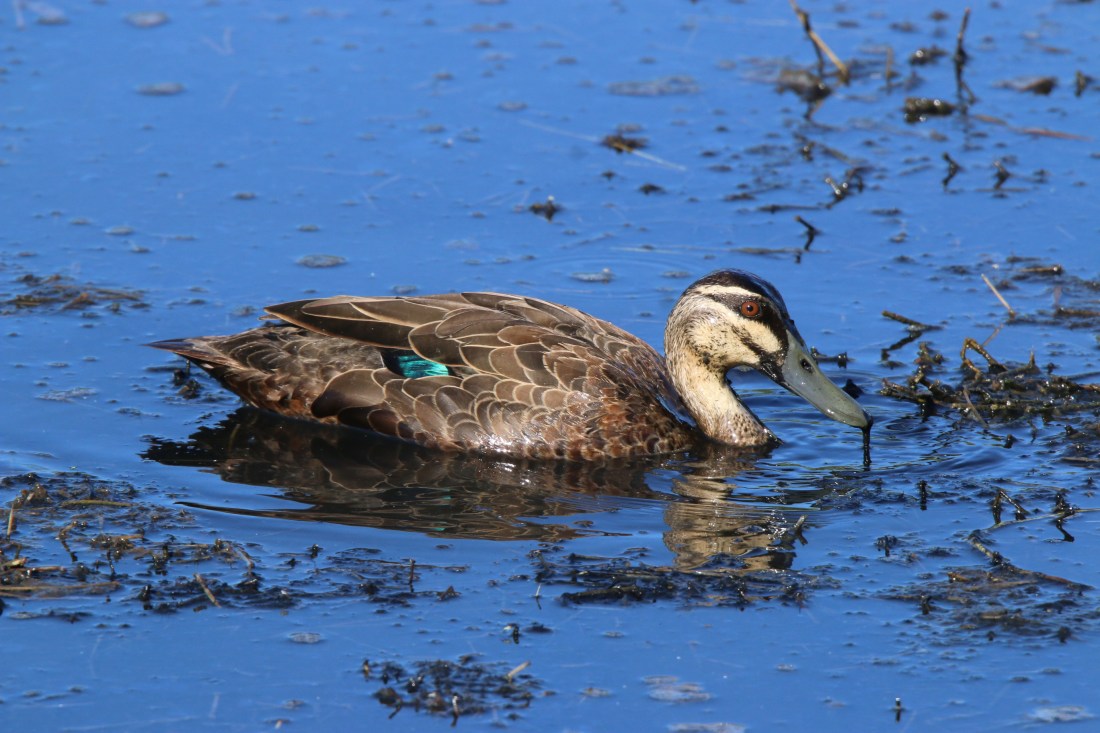
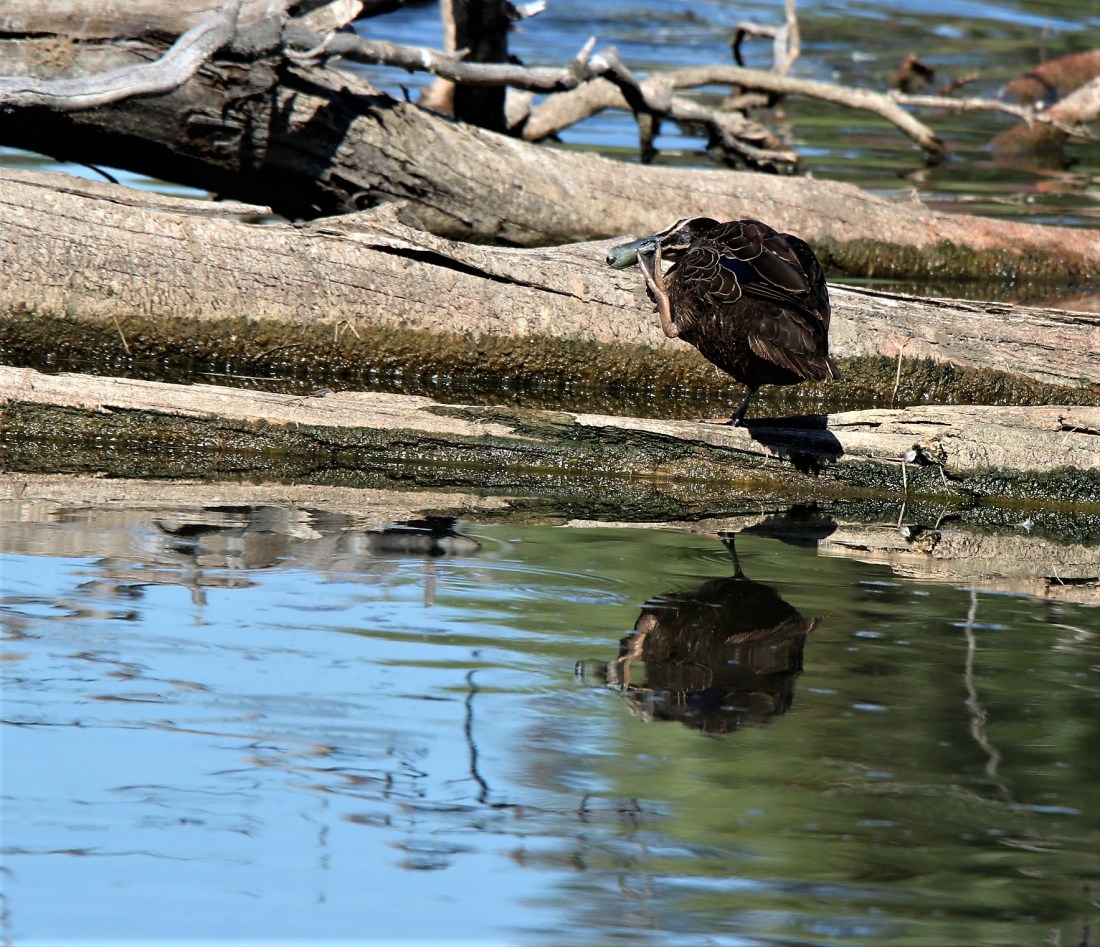
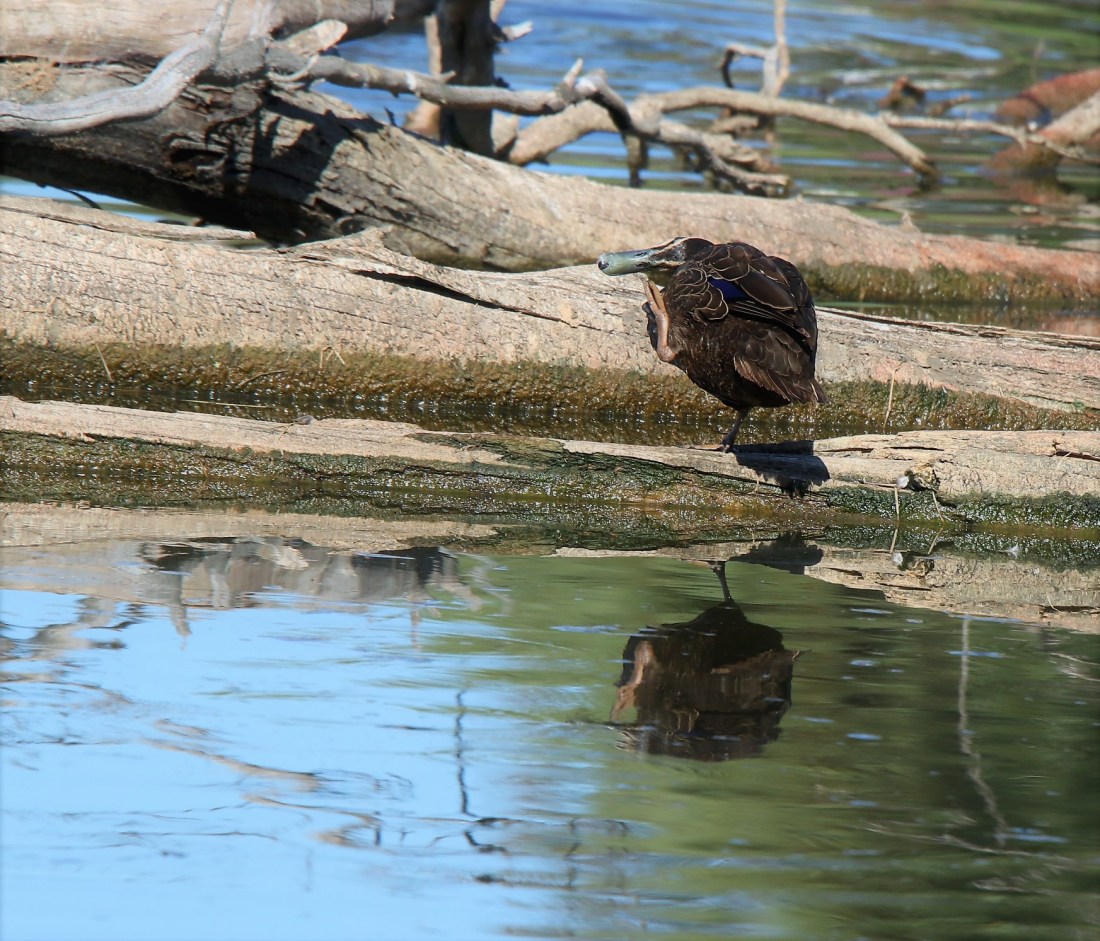
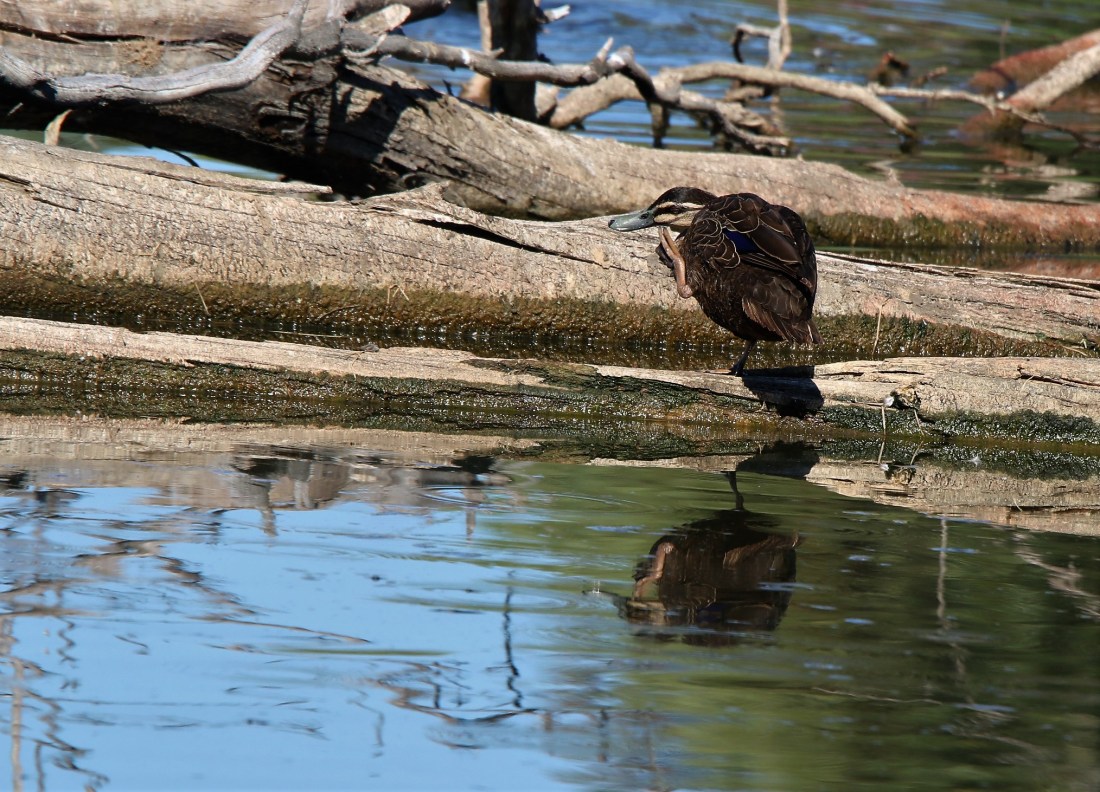
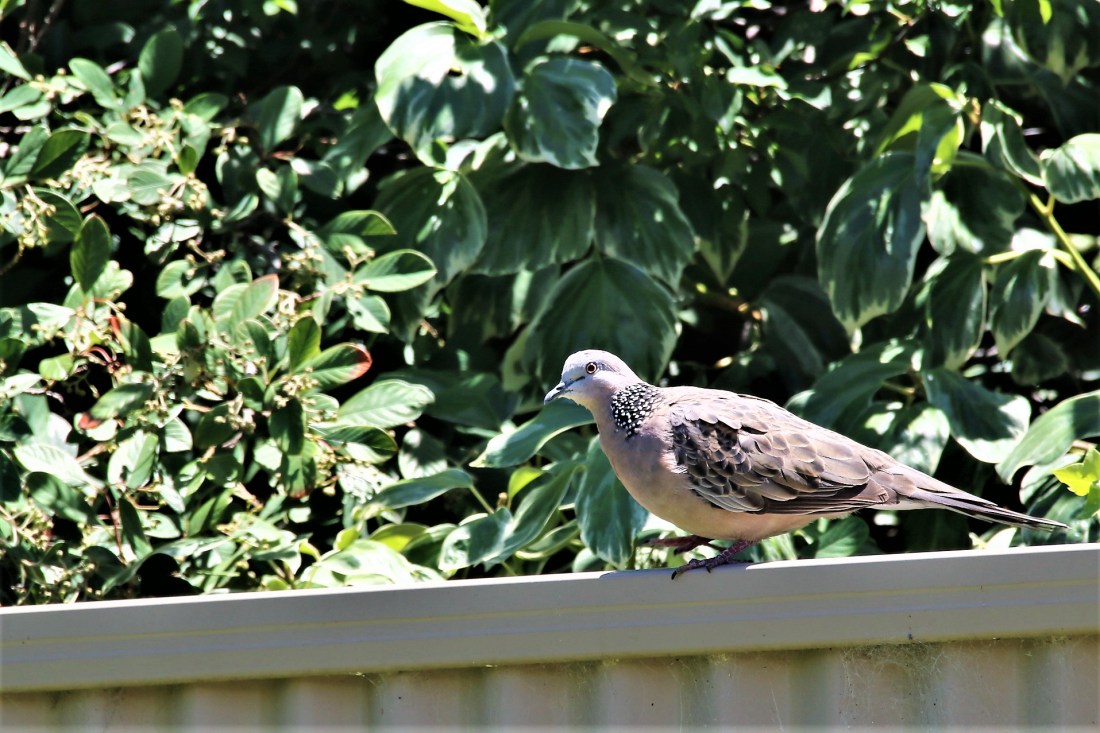
Lastly, a juvenile Pacific Black Duck learning how to fish, and a Spotted Dove.

Michael Monaghan


Googong Dam, Queanbeyan, NSW

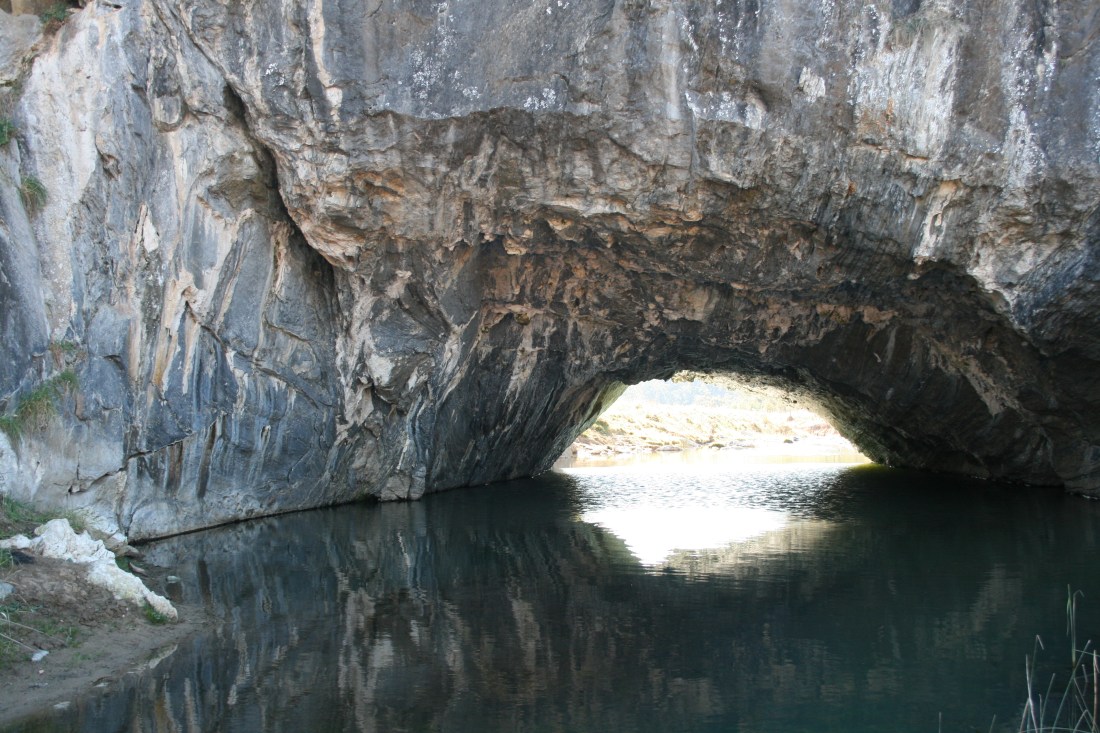
Googong Dam is a major source of drinking water for the ACT and surrounding areas. At the southern end is the old London Bridge homestead, and London Bridge itself. The copy made in London isn’t as old as this the original, which is a 20,000 year old rock formation with a hole through it created over about 400 million years by the Burra Creek.IMG_1663

Tin Hat Dam is a small filtering dam to remove as much silt as possible from the main inflow into the main dam. There is a bird hide a few minutes from the carpark. At first glance, it seemed to be home to a few ducks, but as is commonly the case, once you got your eyes (and binoculars) focussed, there was plenty happening.

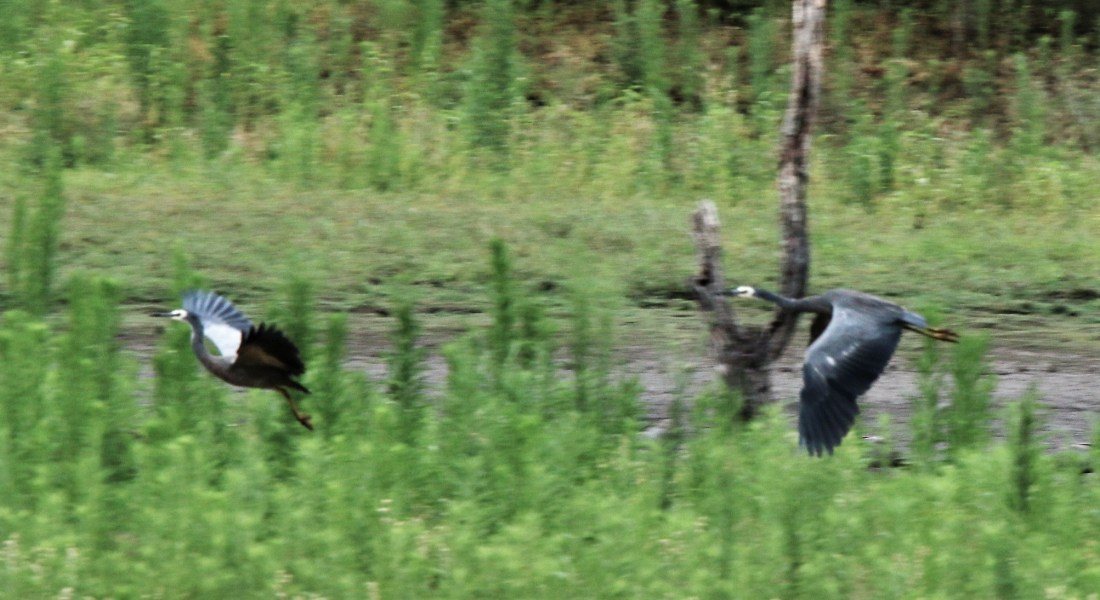
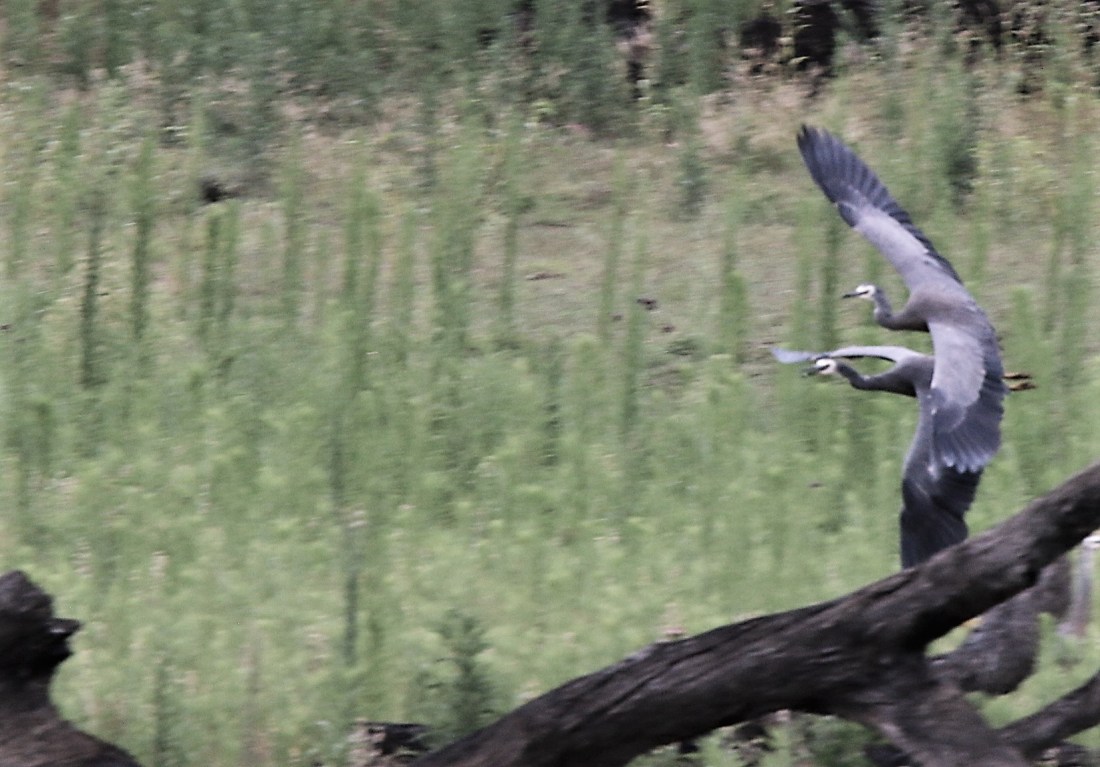
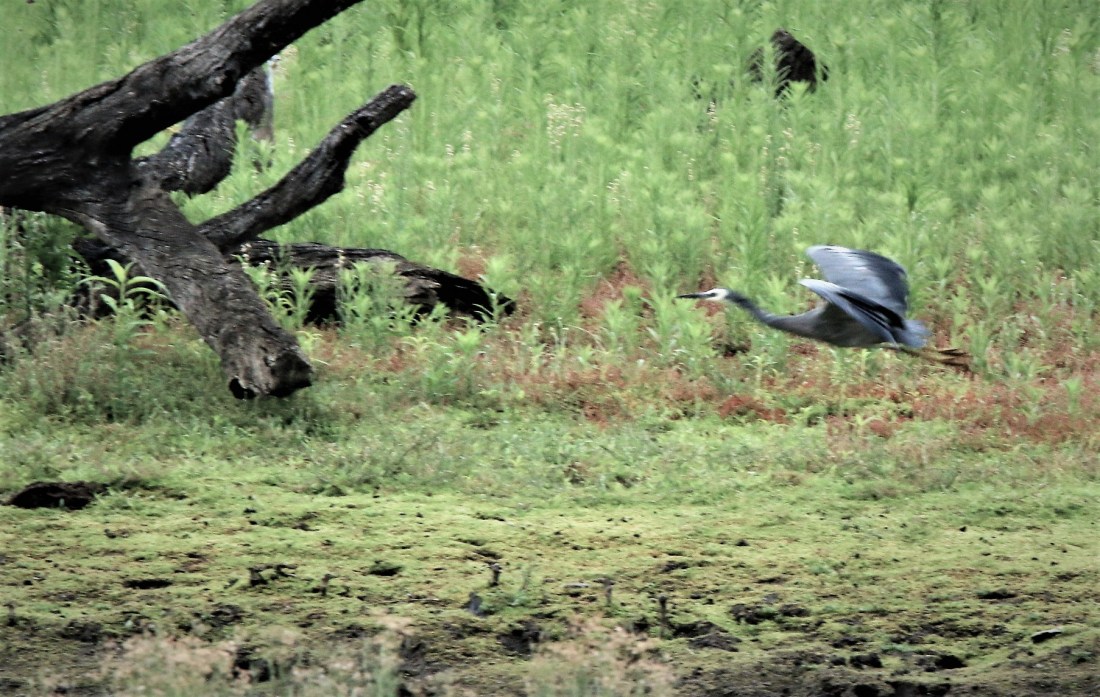
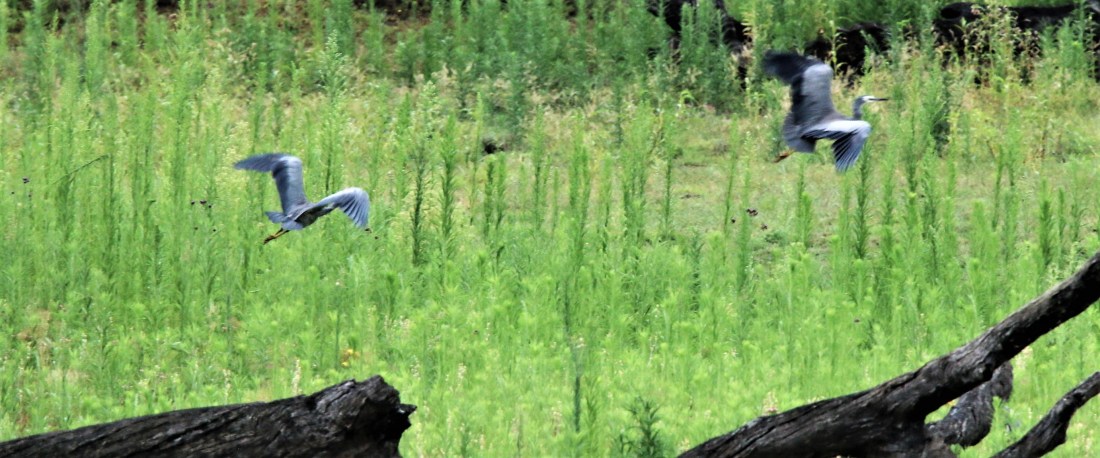
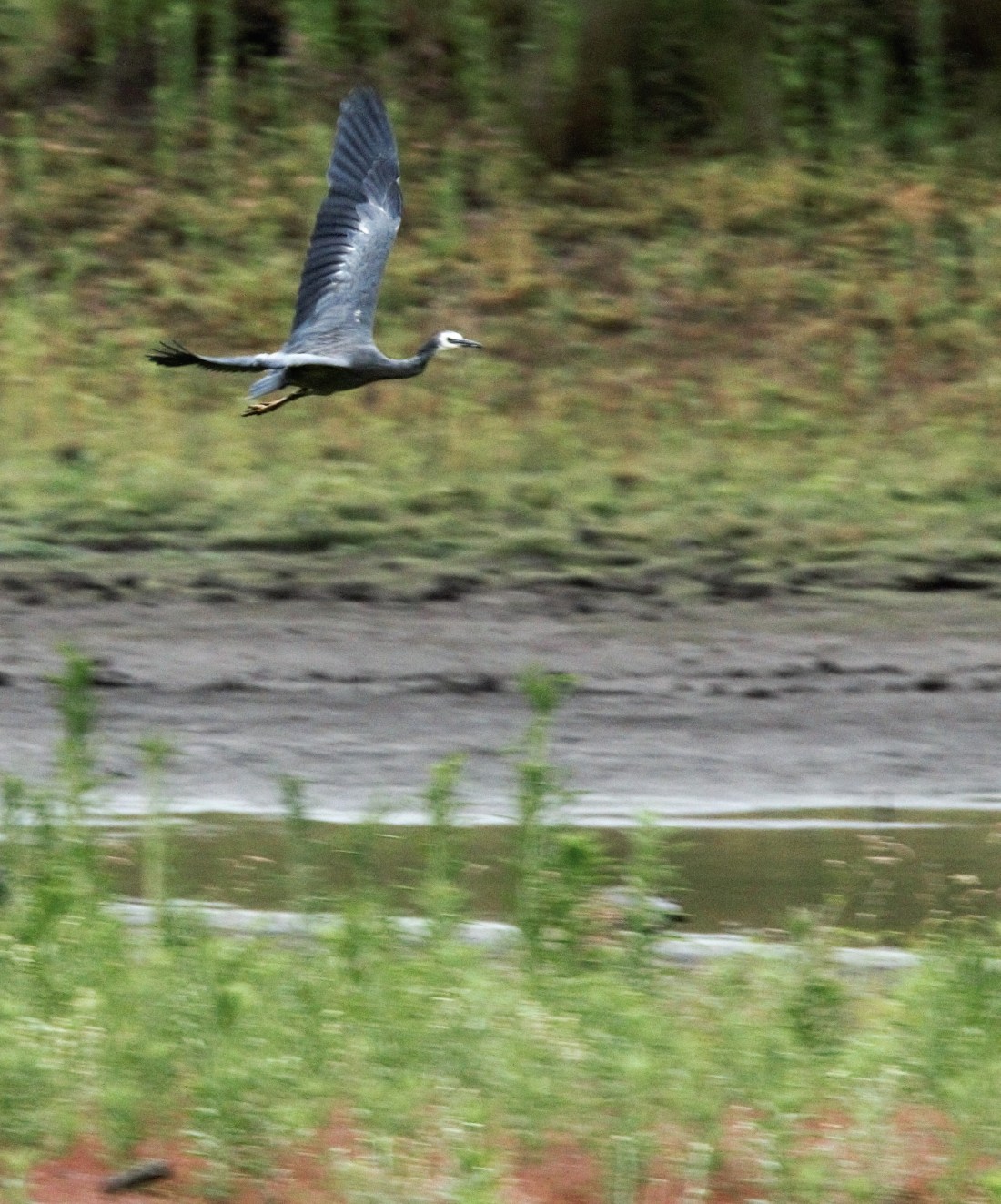
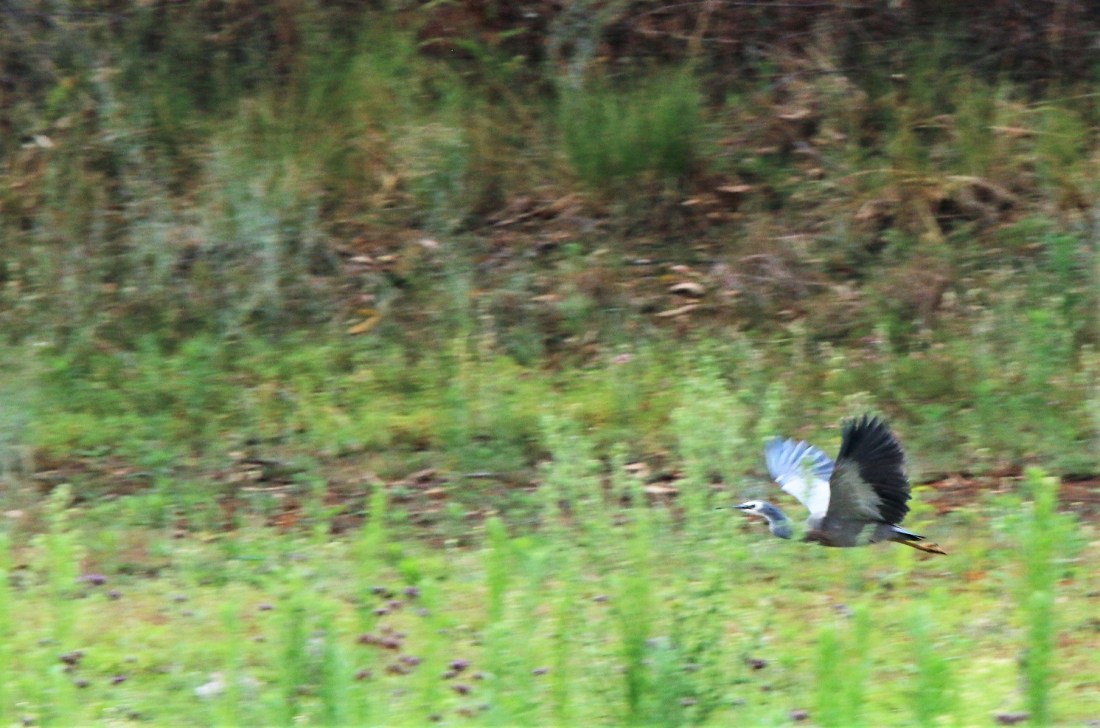
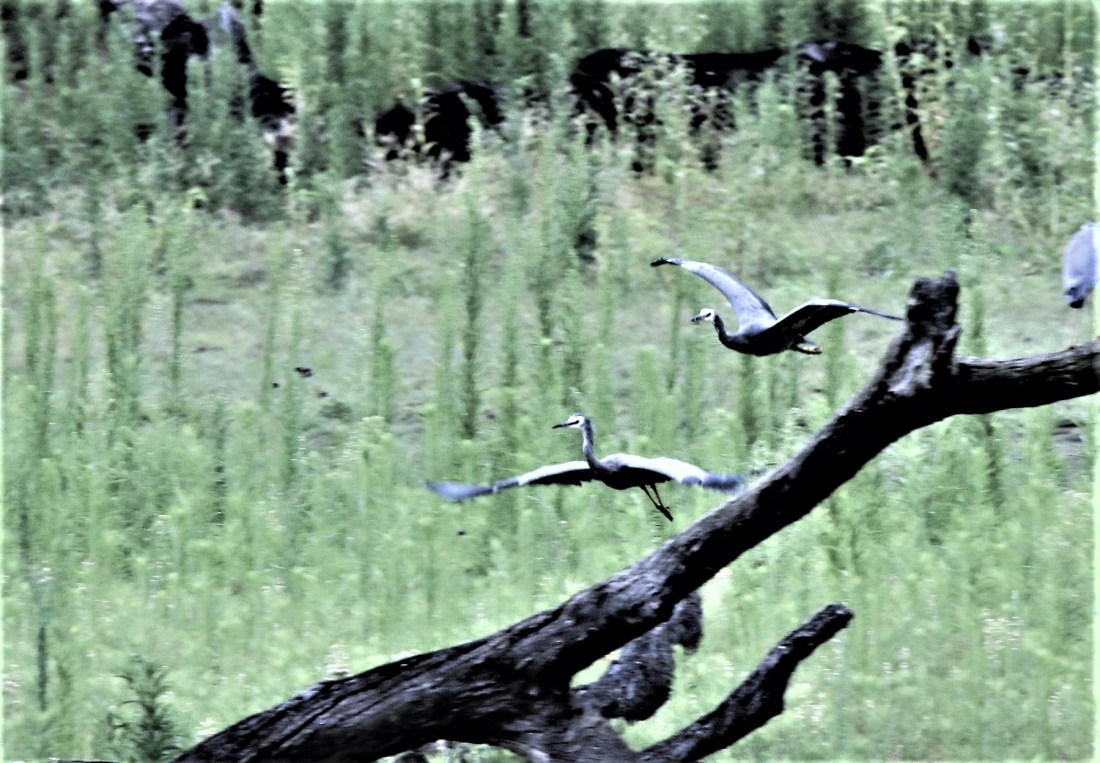
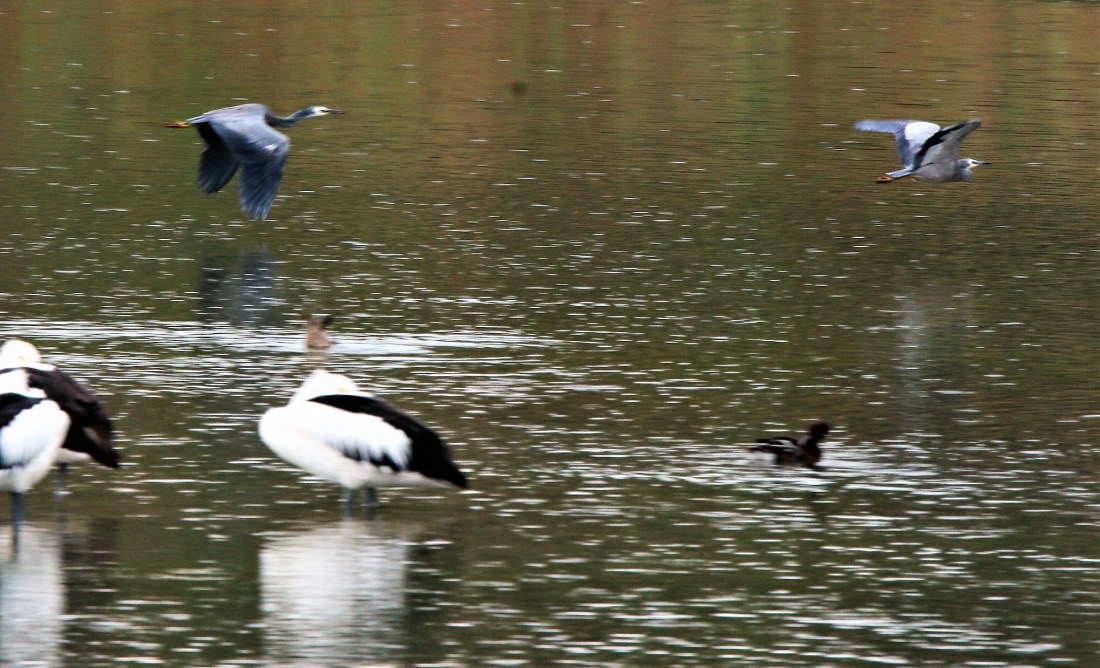
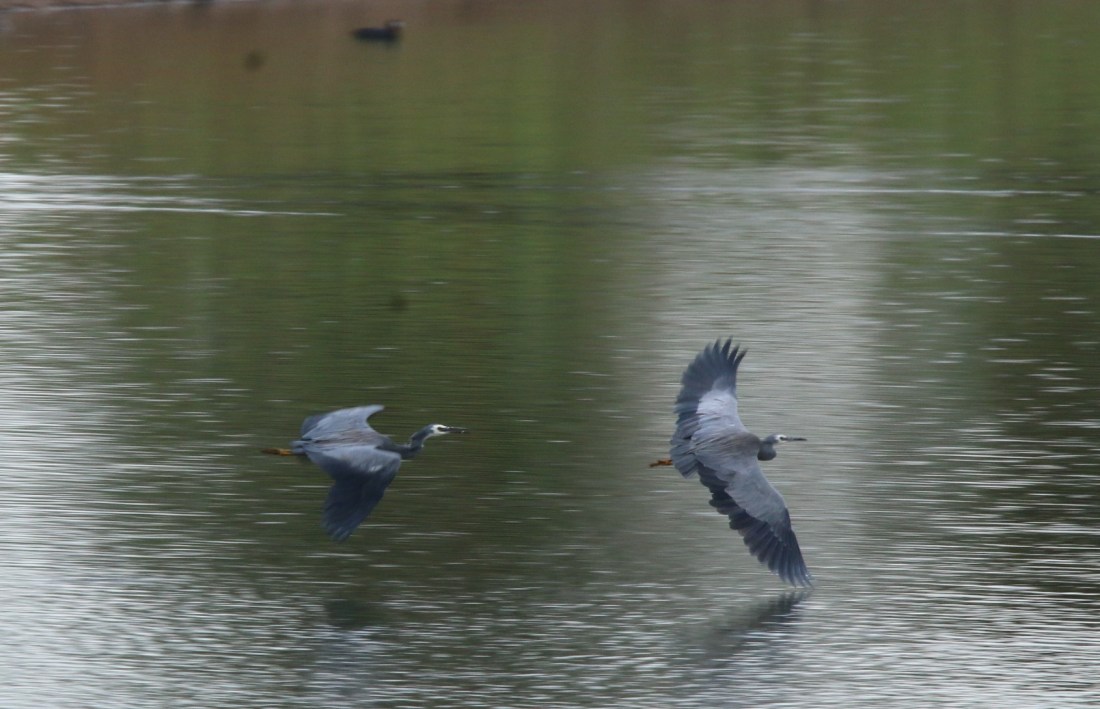
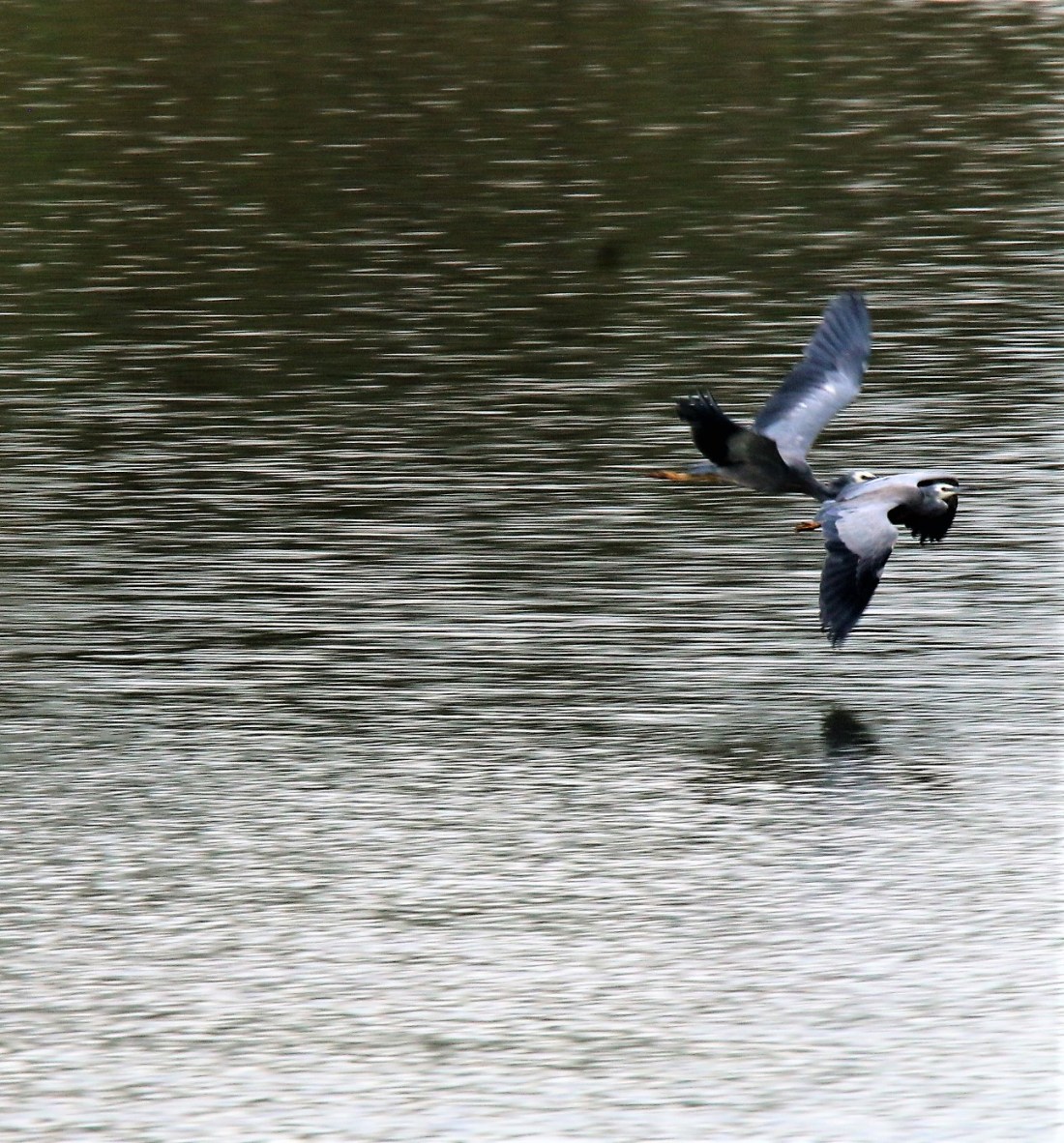
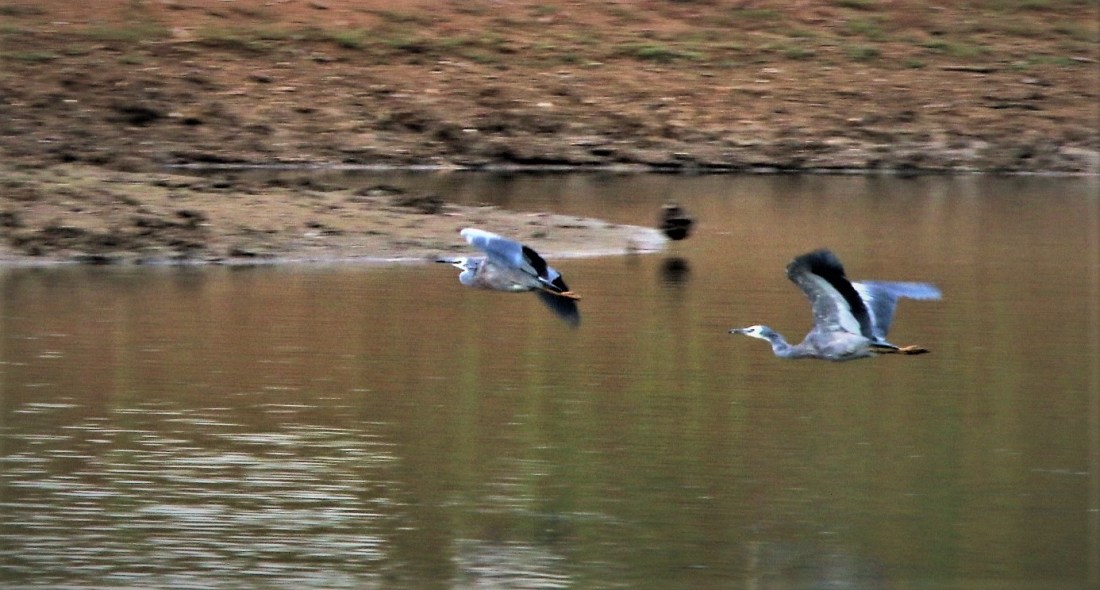
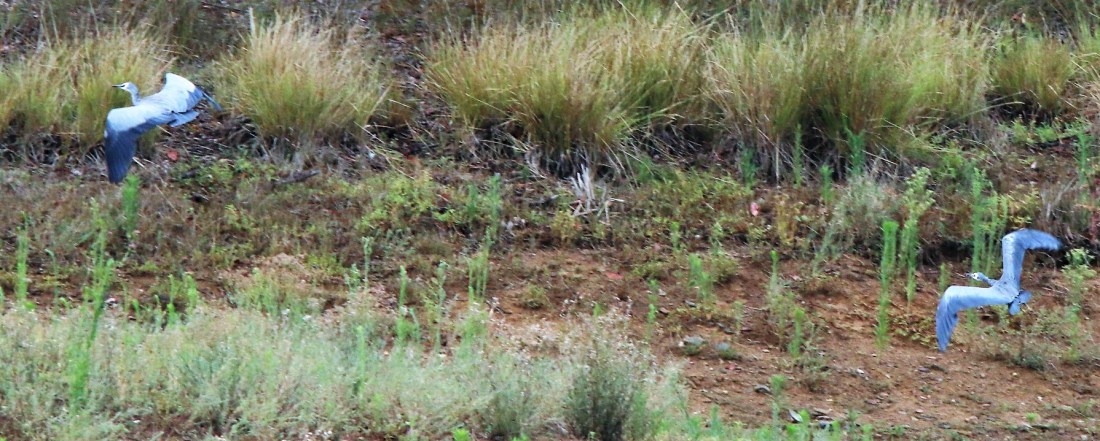
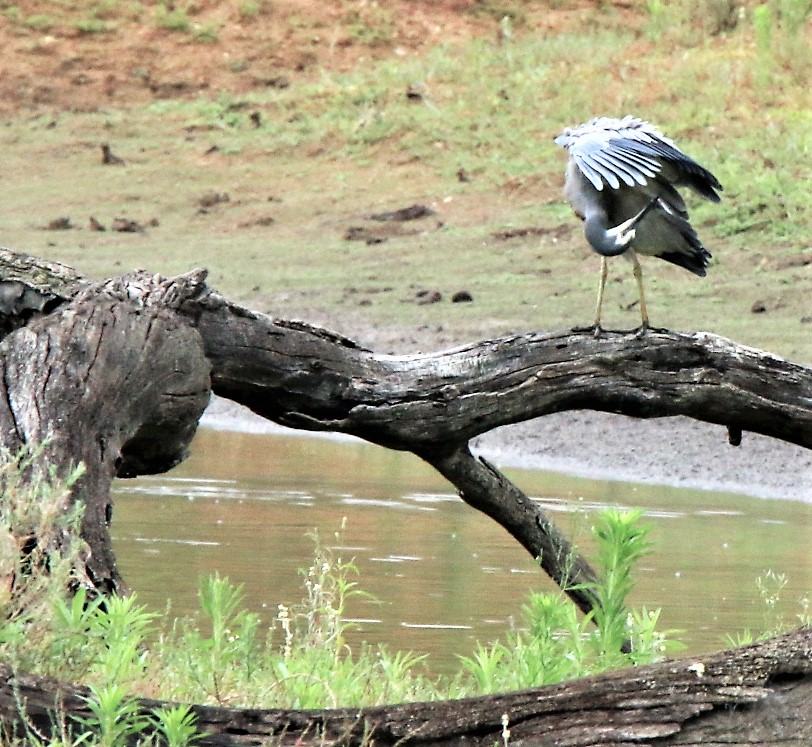
Never before have I seen so many white faced herons in one place. I saw 8 all within the same small spot with a number of large fallen trees to play around.  These two seemed keenly interested in something going on which pointed me to a pair frolicking for over 15 minutes. I can’t begin to imagine what the chaser had his mind on, but the chasee clearly intended avoiding it whatever it was.


IMG_5925IMG_5926IMG_5930IMG_5932IMG_5934 (2)IMG_5939 (2)IMG_5941IMG_5947IMG_5956IMG_5957IMG_5958IMG_5973IMG_5978IMG_5982

These pelicans seemed happy at the efforts of the pacific black duck to get off the water.


There were also Australasian Grebes (non-breeding), and overhead a gulp of pied cormorants, this one a juvenile.


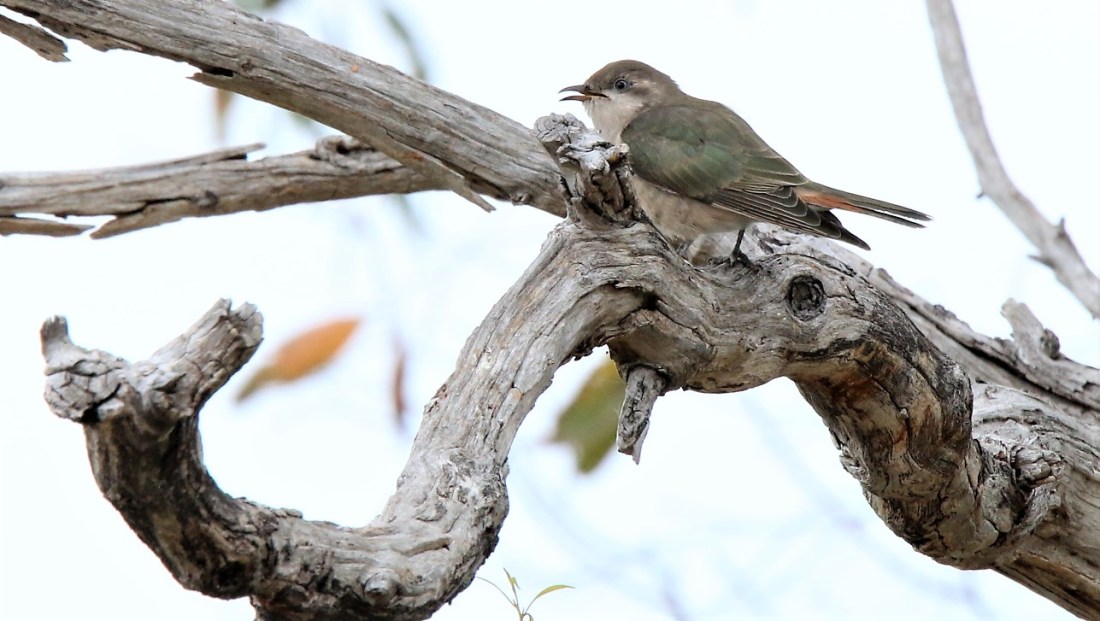
Further north on the Dam, there is a wooded picnic area alive with birds. One I had not sighted before is a juvenile Horsfield’s Bronze-Cuckoo.

IMG_5992


It was amusing to watch a superb fairy wren (male breeding) struggling to control a struggling butterfly, repeatedly knocking it on the stump but then dropping it and having to retrieve it as it tried to flee. Not so great for the butterfly.


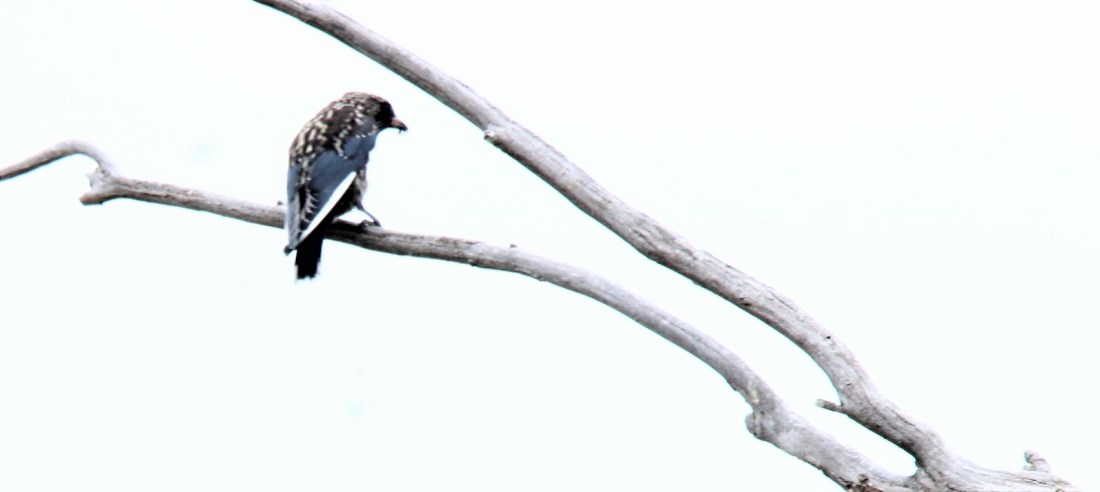
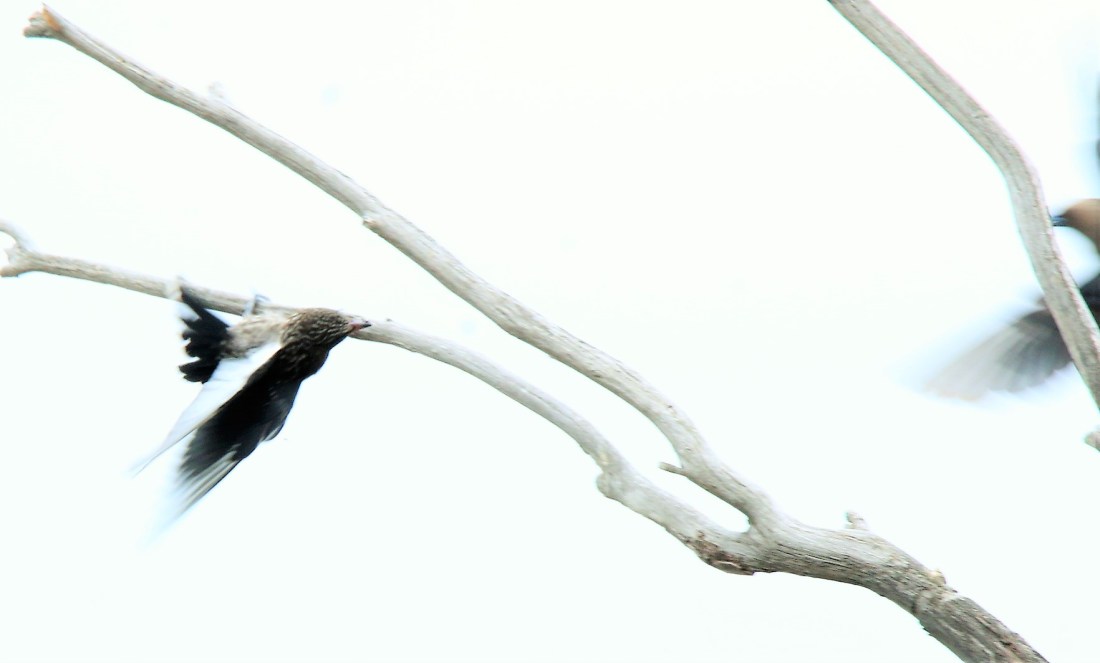
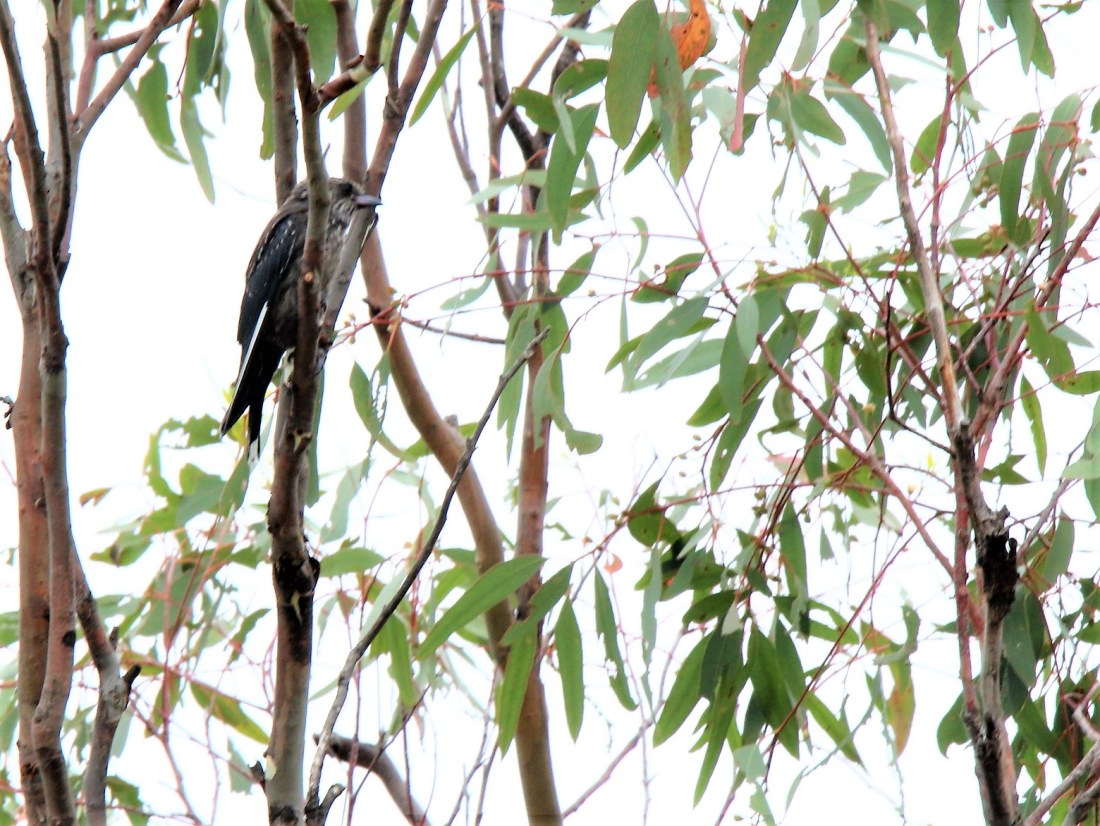
Feeding time too for the Dusky Woodswallows.

IMG_6012 (2)IMG_6015IMG_6016IMG_6014

Lastly, again feeding, a black-faced cuckoo shrike.


Back at home I heard two female Eastern Koel, and a male, calling. I finally managed to spot the male, but alas not yet the females.


Photographically speaking, a very satisfying day.


Michael Monaghan

More Jerra Wetlands

No matter how many times you go there, you often see something new. Today I nearly saw the elusive Eastern Koel, hearing the three calls – the common Cooee sound, the rolling male call and the stark female call.

But I did see, for my first time ever, the Dollar Bird. There was a pair high on the wires, and this one was, perhaps, hunting/gathering, flying in and out of the wetland reeds.

Some old favourites were in abundance, such as this female superb fairy-wren and the breeding Australasian Grebe.

First sighting this summer of the Royal Spoonbill, which spent over 30 minutes mining the shallows.


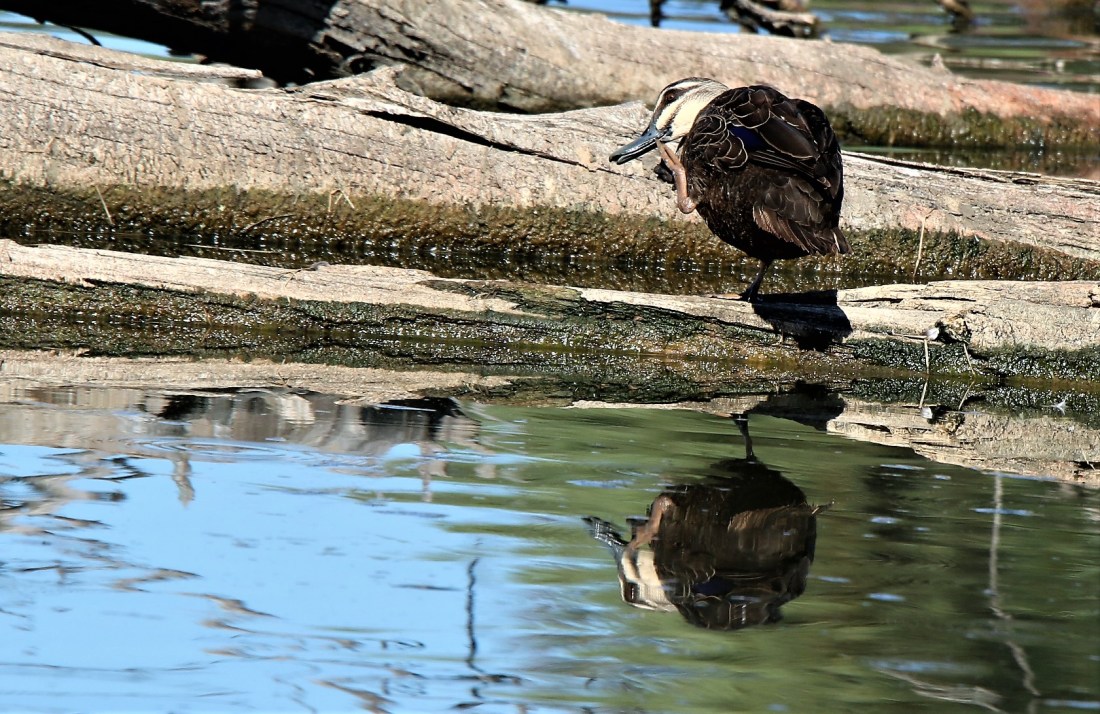
This Pacific Black Duck seemed to be auditioning for Lady Macbeth – out damned spot!


IMG_5823IMG_5838IMG_5837IMG_5836IMG_5835

First sighting this summer too of a White-Faced Heron, searching intently for some poor little chick, and having failed to clean the last meal off his beak.


Keep going back knowing how often there is something different out and about there.


Michael Monaghan

More from the Hay Plain

A warmish day forecast for 12 January, 44 degrees throughout southern NSW, so left early and kept ahead of the worst of it.

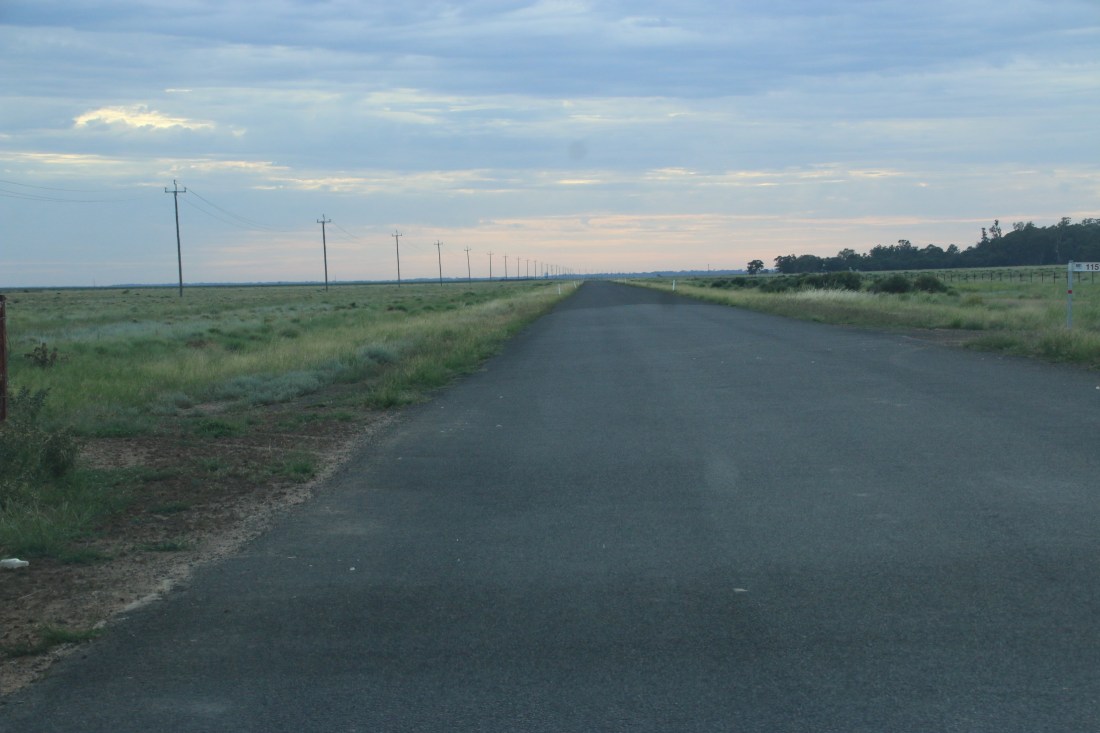
It is said to be the largest flat spot on the continent and it certainly was flat.

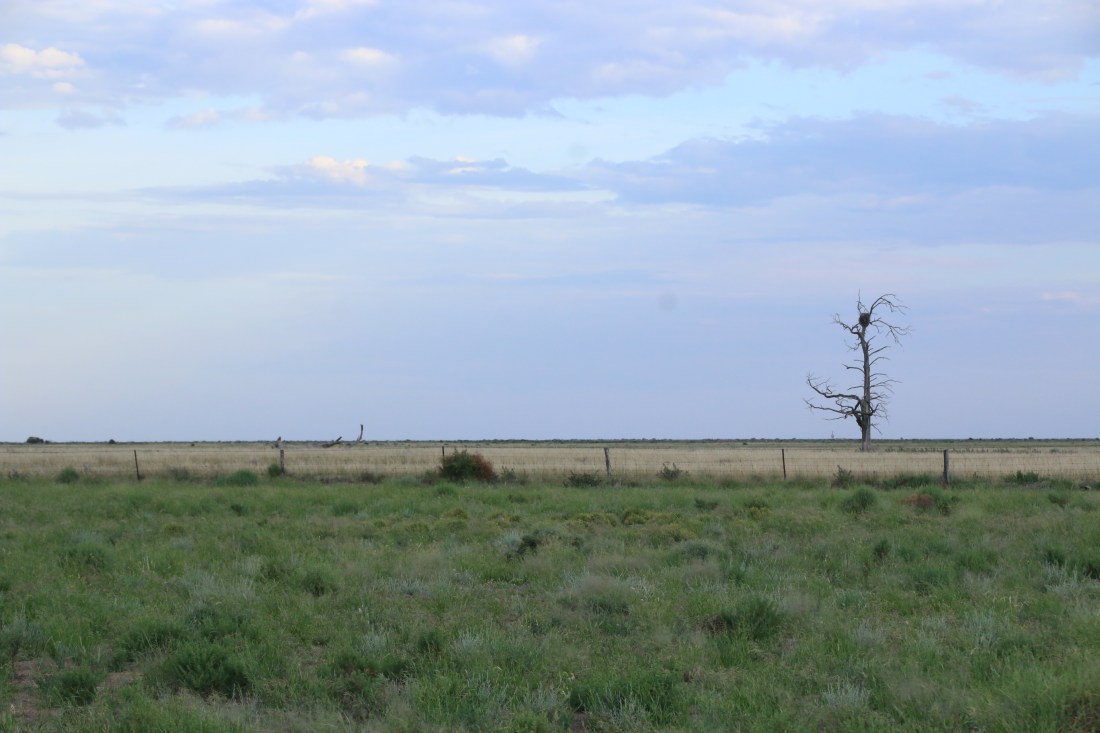
IMG_5715So when it is this flat, and treeless, the ravens have to take any spot they can get.

IMG_5712

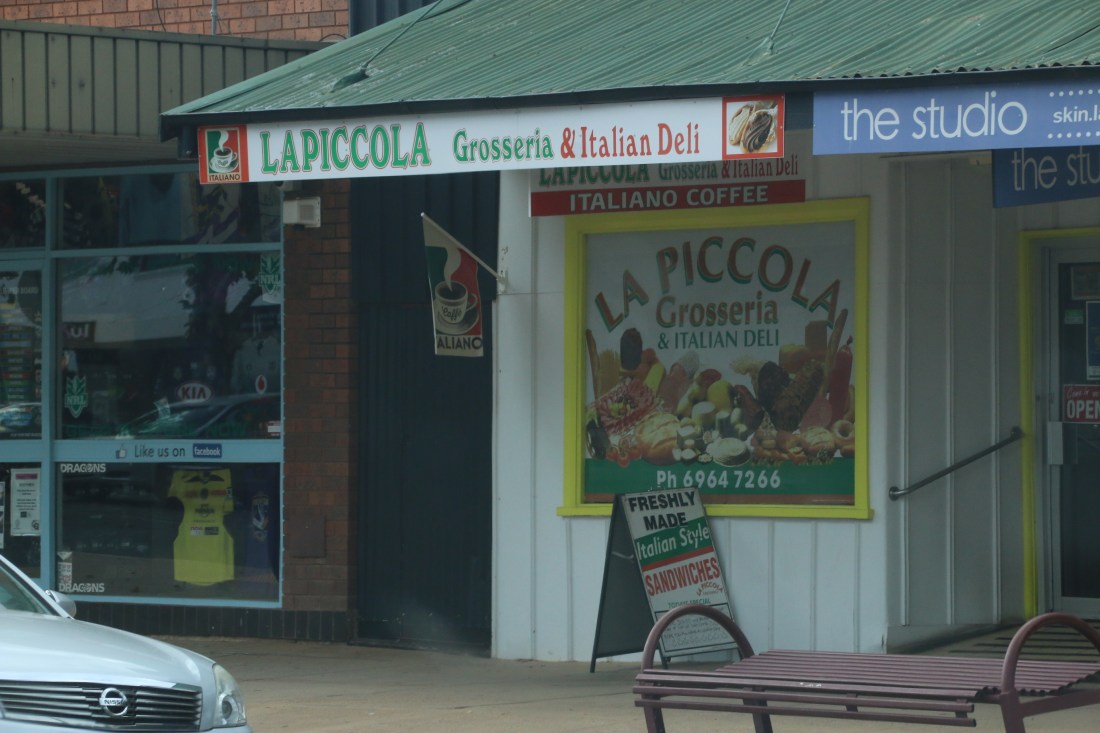
Griffith was very interesting with the huge plantations of grapes, citrus, nuts and more. Certainly still has a very Italian characteristic.

IMG_5716

The Murrumbidgee Irrigation Scheme was evident for many kilometres and is even more remarkable when you see it in action than on paper.


No more ladders, so an uneventful return to Canberra.


Michael Monaghan

Shearing Hay


The shearing museum in Hay is very good. The building is, deliberately or otherwise a great pun – sheer walls for shearing.

The history is in many ways a history of workers’ rights in australia, coupled with the great wide-comb controversy of 1983, where the workers sided with those kiwi types because they wanted to shear more sheep to make more money. The “bosses” wanted to keep it as hard as possible on just this one occasion.

The only use one can think of for the hammer was to encourage recalcitrant sheep to keep the f## still.

Hay is on the great droving trail from Moama/Echuca to Wilcannia. It is also the crossroads of the great western and the cobb (north/south) roads.

michael monaghan


The ‘Bidgee in Hay

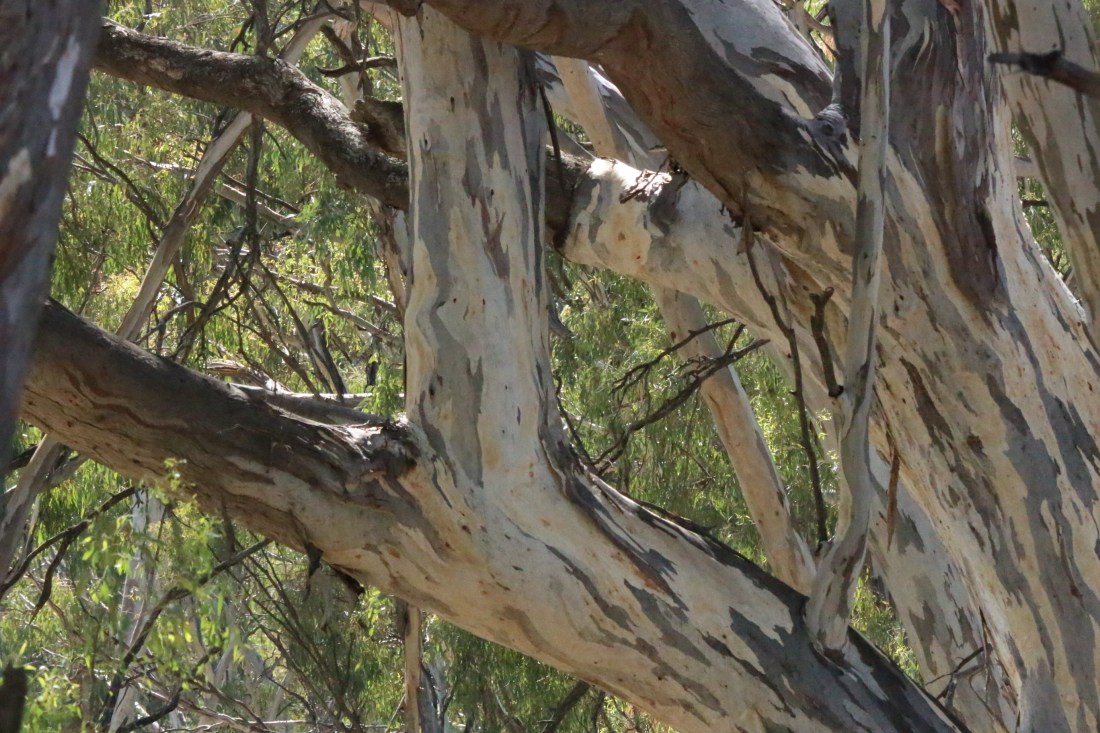
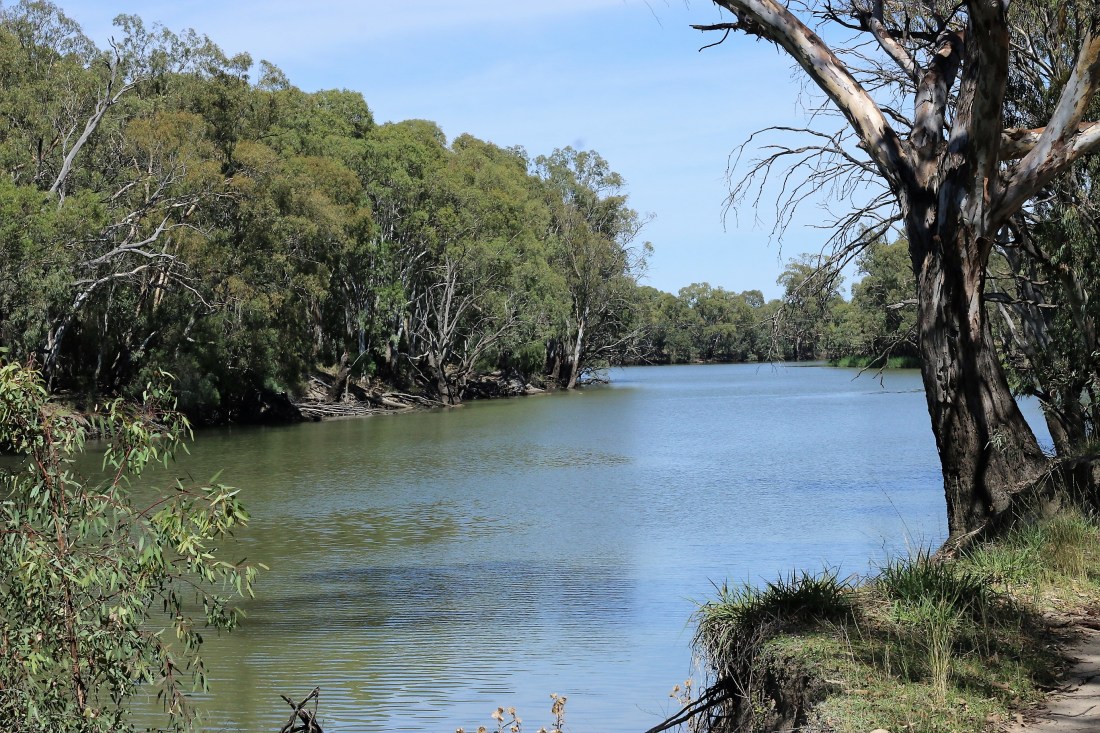
The river is fantastic here. 30 to 50 metres wide, fast and alive. An excellent walk is the Bidgee River Trail, only about 3 km but through great eucalypt forest, and the river is right there for 90% of the walk.
IMG_5432

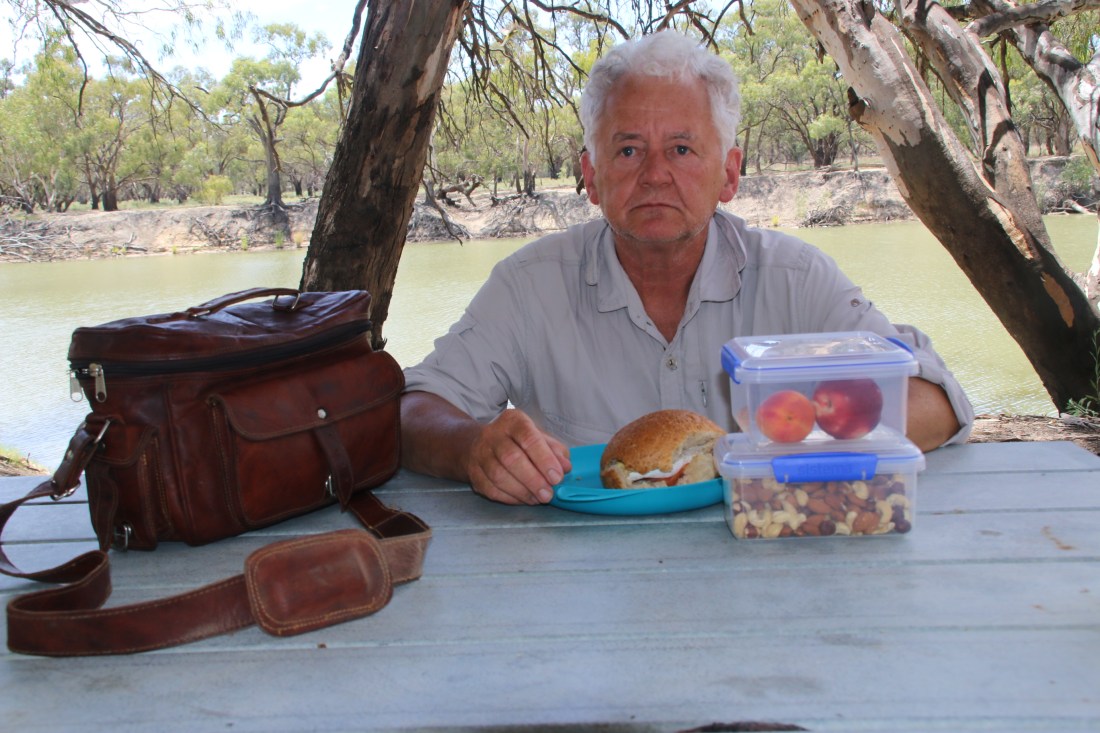
IMG_5643Great place for lunch as long as it was in the shade. Already 34 by lunch time.
IMG_5688

Huge numbers of birds to be seen, especially if you just sit and wait – or walk very quietly – just loud enough to give the snakes time to piss off.

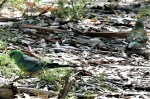
There were dozens of red-rumped parrots.

Patience was also rewarded with a pair of sacred kingfishers.

As in many parts of the west and central riverina, there are the yellow crimson rosellas.

These below are juvenile s and an older male juvenile with darker wings.

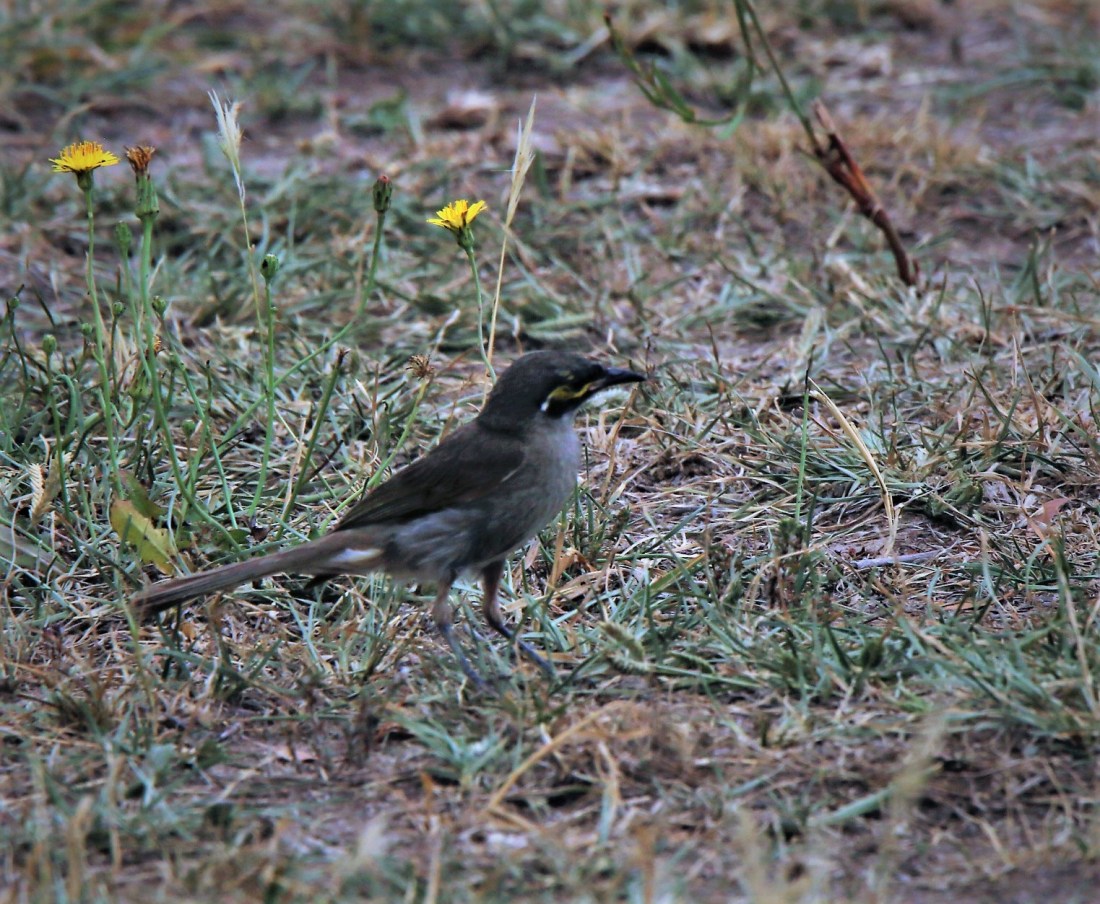
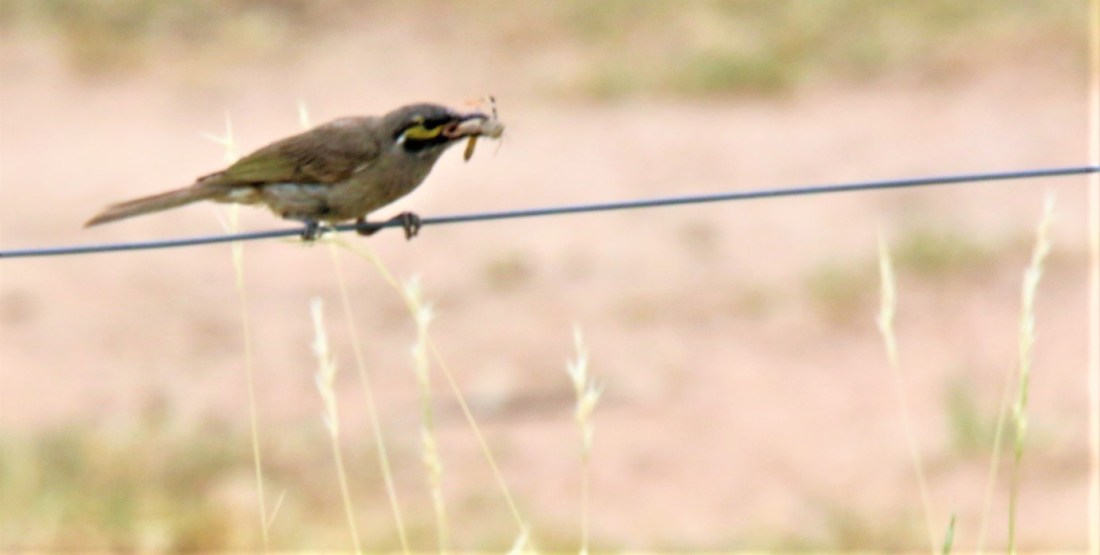
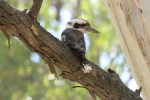
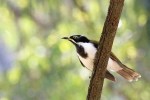
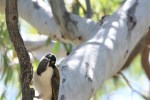
Whatever this is (some sort of honeyeater), it was tough enough to make the Kookaburra move on.

Again patience saw lots of superb fairy wrens. The males only become blue in the breeding season. These look like the variegated variety to me.

The  white browed tree-creepers were clearly well used to humans and were prepared to potter about as long as you kept still. They seem happy enough creeping on the ground as well as in the trees.


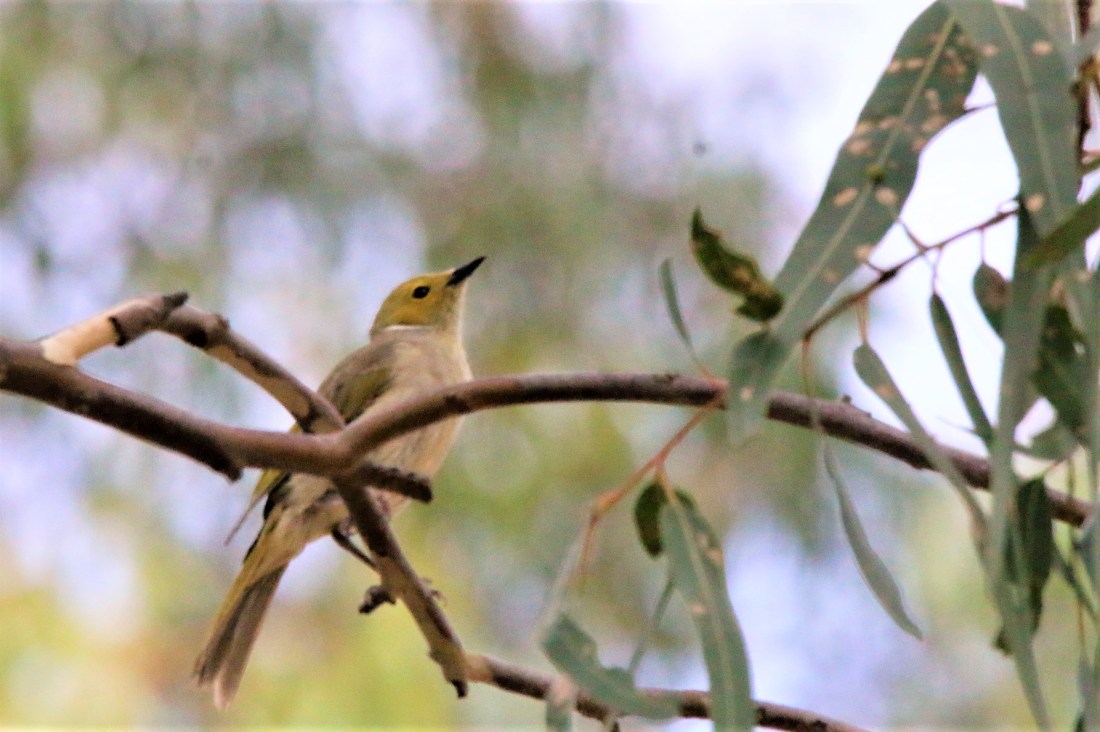
The thick green foliage proves excellent hiding territory for the little fellas, like these white plumed honeyeaters.
IMG_5587I felt like I was intruding on a private conversation between this pair of brown falcons.  Honestly, he said at the end, I would go out on a limb for you!

It is not often you see three falcons together, but in this case the bottom two are kiddies, and mum or dad is on guard higher up. The nest is just to the side.

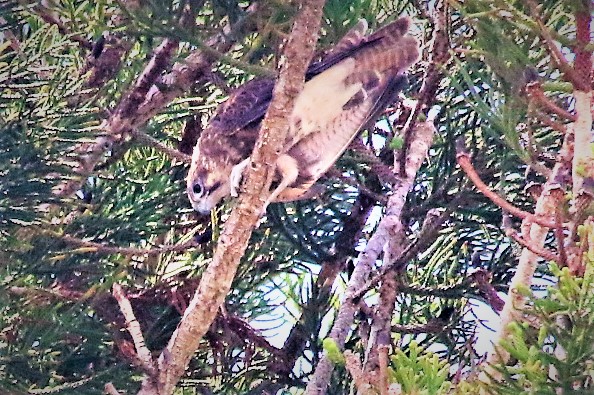
Later, without my good lens, I spotted a pair of brown falcons high in the conifers at Bishops Lodge. From the sounds, I reckon it had prey that still had an in vain desire to remain alive.
IMG_5569

Whilst it is common to ducks as just ducks, many different ducks are to be found. These are Australian Wood Ducks, as in “She’s a witch! Burn ‘er, burn ‘er”  – Life of Brian.

As always some hard to pick:

This, which certainly seems to prove the dinosaur connection, I reckon is a very young noisy friar bird.

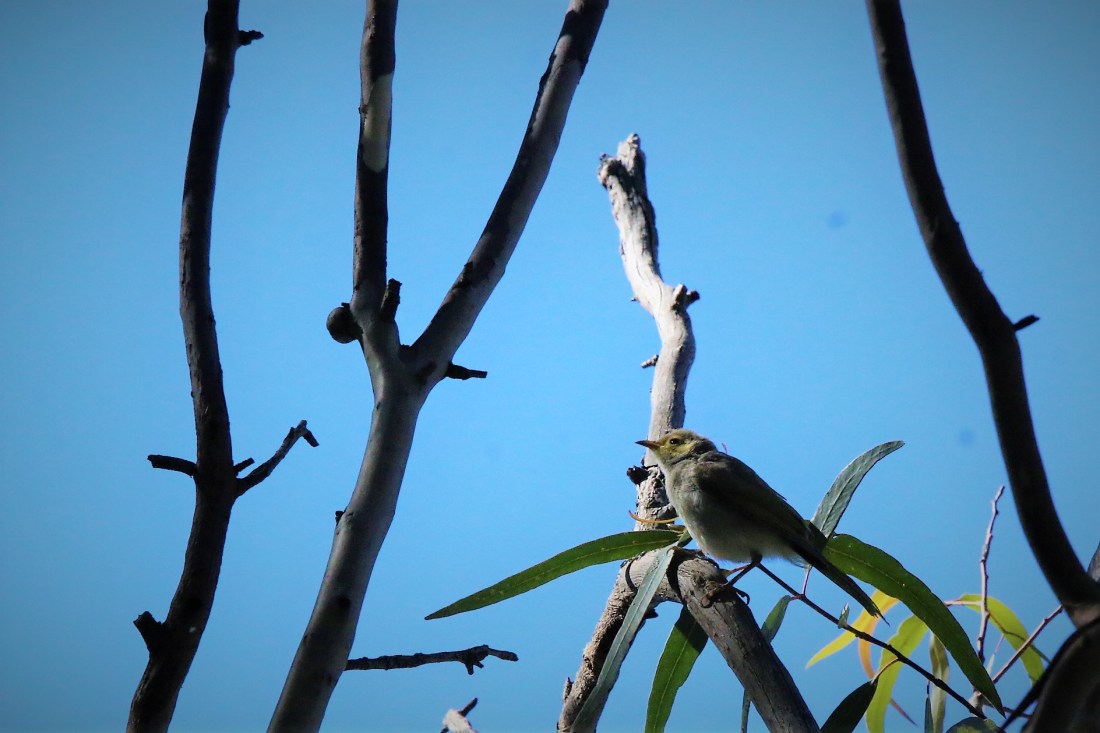
.The next one I am going with juvenile silvereye:
IMG_5415

And this one I suspect is a bird.

IMG_5419And to finish up with on the Murrumbidgee, and even though they would be not native but likely escaped domestic stock, I wouldn’t want to leave these out and make a goose of myself, which would be worse than finding a natural home in either Galah or Madman’s Bend.
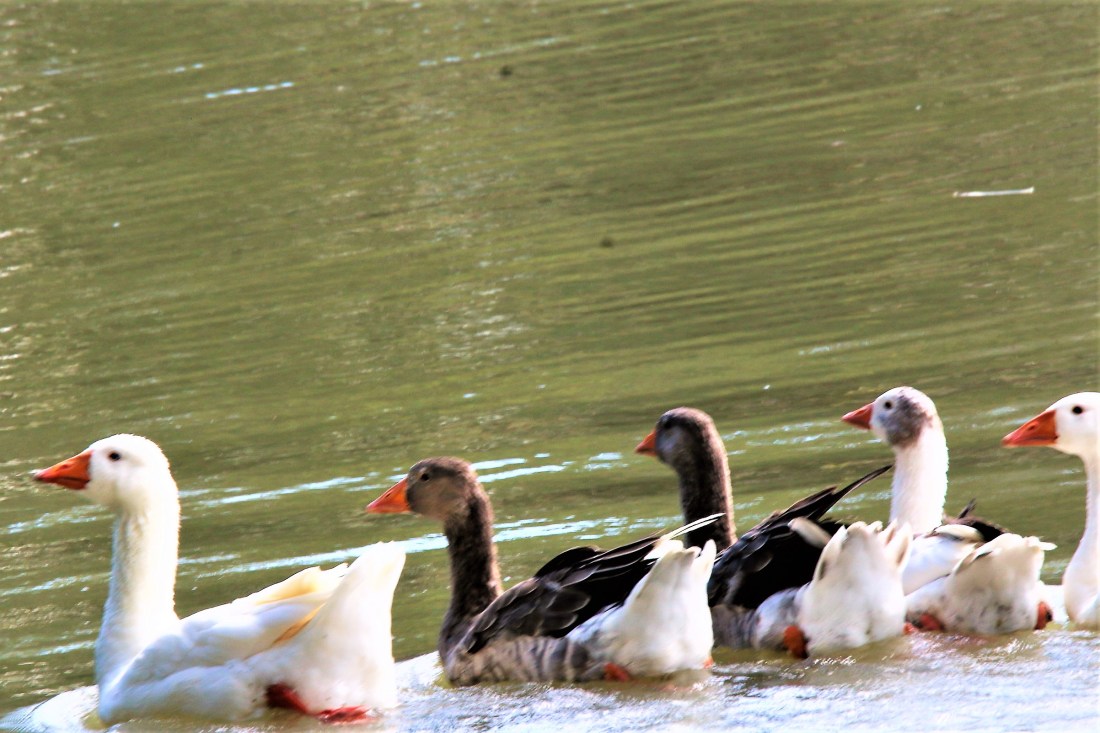
IMG_5625So that is it for birds along the Murrumbidgee in Hay.  There will be a bit more later on shearing.

Michael Monaghan


Making Hay because the sun is certainly shining.

Long drive from Adelaide exacerbated by heading a bit too far south to avoid peak hour traffic. So had to wind my way back through the Adelaide hills which was extremely picturesque but extremely slow. It is no wonder they are terrified of fires.

Only adventure could have been a nightmare. Rocking along at 110, the speed limit, on a tree-lined road, I did think it odd to have a traffic counter cable across the road. By the time I realised it had height, and was in fact a 3 metre long extension ladder, I hit it full bore at 90 degrees. I think the fact it was lying directly across the lane, so square on to the traffic, and the fact I was going 110 with nitrogen filled tyres, saved the day. I pulverised it into re-cycled alfoil. Caused even more consternation to the van towers behind me. Incredibly lucky escape for all concerned.

Ended up being a 10 hour drive. The Pale Rabbit went down very well!

Hay has some decent history and is on the droving trail from Echuca to Wilcannia. The ‘Bidgee is fantastic here, being about 10 metres wide and lined with superb eucalypts.

Hay Gaol was, unsurprisingly, initially a gaol. Otherwise they would have had to change the name. Built in the late 1870s, it would have been a haven from the heat – not. Really naughty people were sent to Goulburn, which would have been a great trip one imagines.   It was also later an isolation hospital for people with flu, and later mumps. Like many public buildings in Hay, it also housed, during WWII, those untrustworthy people who had the misfortune to be born in Japan or Italy.

IMG_5542The Gaol now has myriad relics of Hay’s past, such as bottles, clothing, telephony and rifles. It also has dresses made in 1850 (the adult one) and 1883 (the child’s one). It also has, they say, the oldest wood canoe in Australia.

The railway station, which is quite a stylish building, also has, within two old carriages, further museum material from the days of internment.

It will take a lot to get a train what moves here anymore.


The last museum of note is the Bishop’s Lodge, also built in the 1880s to house the anglican bishop for the region. It is brilliantly designed to deal with the heat, and is made largely from corrugated iron, with huge verandahs and cleverly designed flow through breeze.

The main attraction is the river. More on that soon.


Michael Monaghan

More Adelaide


IMG_5326

A happy duck! at Belair National Park, Adelaide.

Belair National Park is South Australia’s oldest, and a diverse mix of native and introduced flora, as well as cultivated and wild bush picnic spots. The lake is largely man made. Old Government House, built as a winter residence in the 1870s, is well preserved on the grounds. It seems it was a considered decision to retain the mixture of native and exotic because that is what it is.  There are 39 tennis courts, several cricket pitches and many trails.

DSC_0115

The lake seems well used by the fauna – below are broad-shelled river turtles, an eastern rosella, a pacific black duck and aadult male non-breeding chestnut teal.

Back in the garden where I am staying, a pair of bar-shouldered doves are very busy building a nest.

IMG_5319The next day, Saturday, as the temperature rapidly rose to the predicted 41, we had a lovely swim at Glenelg Beach followed by breakfast at the Broadway Kiosk.


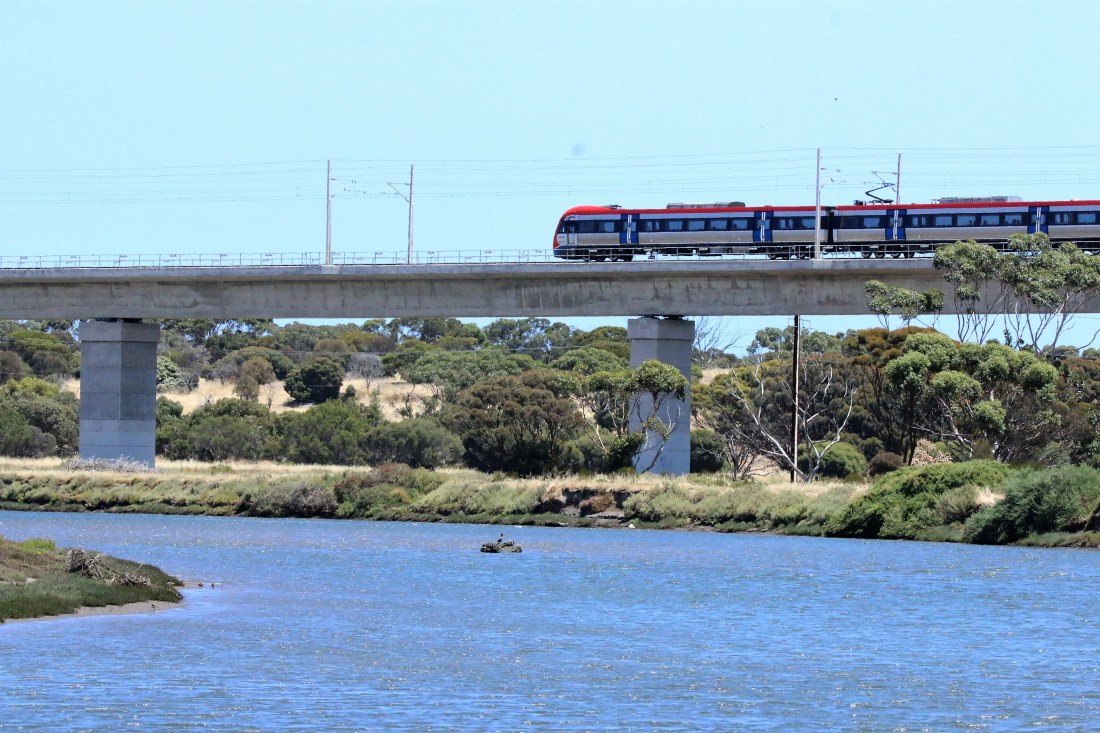
DSC_0119Slightly disappointing, and perhaps should be a winter walk when there is more water, were the Onkaparinga Wetlands, with plenty of land but little of the wet bit.  Still they have sensitively enhanced the wetlands  by building a viaduct and train line over the top.


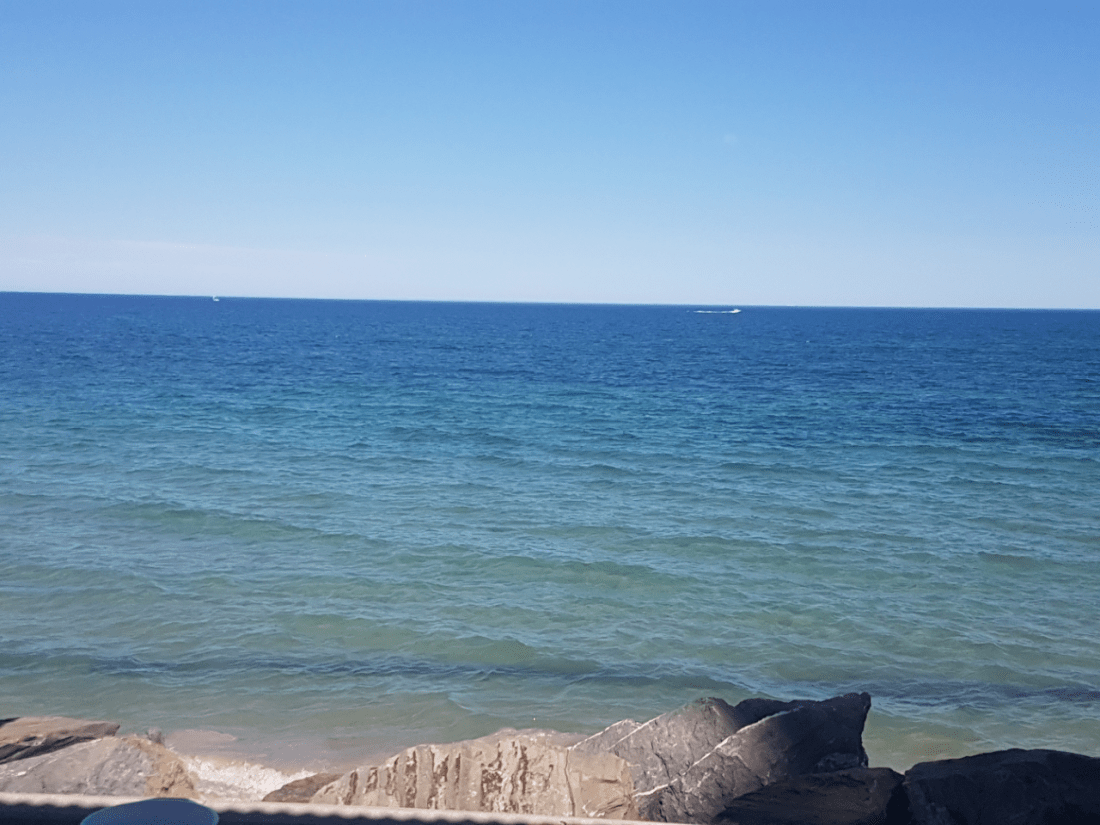
IMG_5352The Port Noarulunga jetty seemed even longer than that in Glenelg, and extended out to an extensive rock ledge.
 

Today is end of Adelaide. Head back tomorrow.


Michael Monaghan