
QUARANTINE IN AUSTRALIA SINCE EUROPEAN SETTLEMENT
I happen to have been reading a fascinating book on the history of the Custom Office in Australia since 1788 (1). It struck me that there have been many serious epidemic and pandemic events from our earliest European days. They were, for the first 110 years, largely dealt with by the Naval Officer (the precursor of the Customs Officer) and then by Customs Officers. The parallels with our current situation struck me so I thought I would point some of these things out.
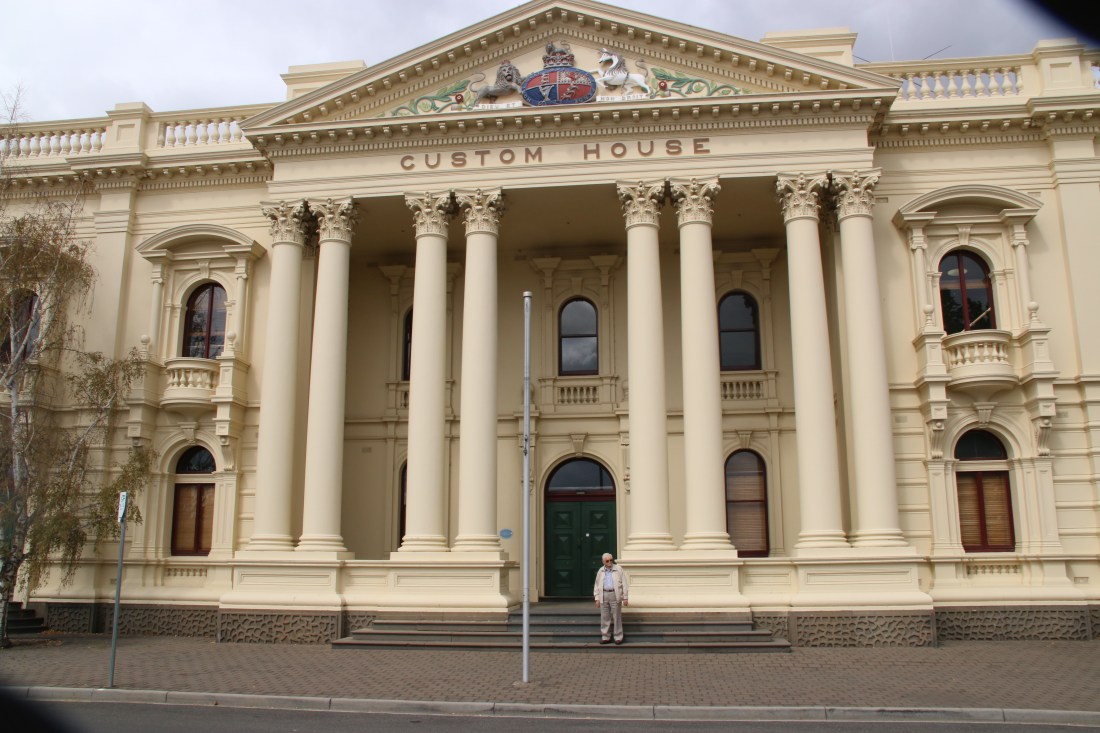
As an aside, it seems the term ‘custom(s) duty’ is a shorthand of the requirement to pay “the customary duty”.(1) The buildings are generally known as Custom Houses, but the duty is customs duty, and the officers, Customs Officers. The original Custom House in Launceston, the first picture below (National Trust), was built in the 1820s and used as a Custom House from around 1860 to 1884; the new Custom House, built in 1885 and also still there, is where a very notable Monaghan started work in 1949.

This article is intended just to raise interest in our experience, since European settlement, of epidemics and pandemics, not to be a complete formal history, nor to comment on the effectiveness of measures, nor the competence or otherwise of authorities. The parallels though are certainly worth thinking about and communicating to the youngsters.
The major issues in the first decades after 1788 were smallpox, typhus, whooping cough and infectious fever/plague. Since around Federation, the big issues have been smallpox (despite wholesale immunization in the earliest 19thC), so-called Spanish Flu, polio, normal flu, and now Covid-19.
1788 -1850
These were the smallpox years.
In 1803, Governor King wrote home to Lord Hobart, noting that: “… as the smallpox has never been introduced or occurred here.” (2) Yet as early as 1789, David Collins then still in Port Jackson, wrote in his diary (3), that the deaths of aboriginals were clearly from smallpox.
To the extent anyone accepted the possibility, they reverted to the most likely cause, and blamed the French. Once logic intervened, and it was pointed out that it was over 15 months since any Frenchman was sighted in those parts, other reasons were sought. In much later analyses, it was thought the most likely cause was the contents of the flasks which English surgeons had brought with them from the mother land.(3)
The Governor though was quick to get onto vaccination, with King having most children in the main colony vaccinated by 1804, on Norfolk Island by early 1805, and in Hobart by late 1805. (5)
I have so far found no record of vaccinations in the other southern State, northern Tasmania – maybe the later outbreaks were due to that? More likely I just haven’t found it yet.
Quarantine was the responsibility of what was to become Customs, because they were responsible for inspecting arriving ships for illegal imports, be they uncleared goods or sick people.
An early major incident occurred on the 26 May 1804, word having been received that infectious fever/plague had broken out in New York State, leading Governor King to proclaim that all ships from New York State were to be prevented from landing. If there had been no reported cases on board, the ship was still to be quarantined for 14 days, and if there had been cases, the ship was to be sent to Sandgate Creek (Botany) for 14 days quarantine. The Naval Officer was instructed not to board, but to use caution and discretion in ascertaining the state of play on board.(6)
In March 1828, a migrant ship, “the Morling”, arrived in Sydney Harbour with cases of whooping cough. Governor Darling ordered the infected women and children be housed in an outhouse at the mansion built by former Naval Officer and dandy Captain John Piper (now that is a story for another article in due course) at (guess who named this) Point Piper. But he was too late (a common theme) and several children in the settlement died, including one of his own sons.(1)
March 1828 was a bad month, also seeing a major smallpox scare. The several cases onboard were not discovered before the Captain had dined onshore with local dignitaries. The infected were successfully isolated in tents on the North Shore.(1)
The nature of cholera was that it was generally expected to work its way out on board over the lengthy trips. Good for the people here, but no doubt horrendous for those on the ship. Later, as the speed of voyage increased, and more ships stopped off at trading ports on the way, the risk of cholera reaching here grew.
In 1832, cholera was rampant in Leith, Scotland (Edinburgh’s port), a major departure point for convict ships to Australia. (Gov Macquarie, in the early 1820s, had made the nomenclature jump from New Holland to Australia, a name coined by Matthew Flinders, or possibly his companion, no not Bass but his cat, Trim). Again, all arrivals were prevented from landing passengers until inspected. If there were no cases, the ship still had to await clearance; and if there were, it was sent to Neutral Bay for 14 days quarantine.(1)
A dreadful incident occurred in 1836, when a grossly overcrowded “death” ship (yup all the lessons from the second fleet had been well forgotten) arrived in Port Jackson. Of the 700 free immigrants on board, 56 children had died of either whooping cough or measles, and, not to be outdone, typhus carried off over 50 adults. In addition, around 80 more died shortly after arrival.(1)
Lessons learned and quickly forgotten saw another episode in February 1837, when a very crowded ship from Cork bobbed its way in without 54 of the migrants who had died of typhus. It clearly wasn’t the full bottle. It was quarantined at North Head, and in a first, it was guarded on the water by the military, and on land by Customs, who also disinfected the arriving mail.(1)
The North Head (Manly) quarantine station was used from 1830 till it was swabbed out in 1984 to become a chic retreat, complete no doubt with ample hospital grade hand sanitiser.
1850-1900
This seems to have been a period relatively quiet in Australia for epidemics and pandemics, but a period of growth in Customs officers duties and infrastructure. Sydney and Hobart, amongst many other growing towns, got nice Custom Houses.


In the 1880s, smallpox reared its ugly head again. In June 1881 the situation was alarming enough for then Governor of NSW, and soon to be darling of the federalists, Henry Parkes, to order all vessels from China or Hong Kong to be quarantined. You may find a theme here.(1)
By 1887 there was the first of several serious outbreaks in particularly the northern of the two States in Tasmania, with 11 deaths from 35 cases. Another wave in 1903, again in the Northern island State, led to 20 deaths from 66 cases.(7)
Shipping into Launceston at this time was diverted over to New Zealand, to await the control of the outbreak. This caused no end of trouble for genealogists, who found their ancestors disappearing off the face of the earth, or rather the water, somewhere between the mother country and Launceston.(8)
A major review led by a Dr Elkington and presented to the House of Assembly, concluded the outbreak most certainly came from a steamer, the Gracchus, and, although, with the learning from earlier outbreaks, infected people were removed into quarantine, overall he concluded the city had reacted much too slowly at the outset, and considered a bullet had been dodged.(7)
A constant threat of epidemics has been the plethora of pearlers, fishermen and traders across the north coast of Australia. For example, in Darwin in 1886 a customs officer became ill with smallpox, leading to the quarantining for a time of all boats arriving from Hong Kong, with the occupants isolated on lighters floating in the harbour. (1)
“Spanish” Flu
The worst pandemic in the world, so far, is said to be the so-called Spanish Flu of 1918-19. Influenza virus kills many people every year and mutates fairly quickly, hence a vaccination consists of 4 strands, and itself evolves annually. The term itself comes, no not from the Greek, but from Italian for “influenced by the stars”, once thought to be its origin.(9)
There have been flu pandemics in Australia, namely in the 1890s, 1957, 1968 and 2009, but none compare with the 1918-19 outbreak.
It seems clear that this horrendous strain of the flu emerged from the battlefields towards the end of World War 1. Cases would have been either difficult to detect amidst all the other miseries, or hushed up to avoid delays in repatriation of soldiers at the war’s end.(10)
The first reported case was, ironically, in neutral Spain, hence the moniker. The Spanish to this day are said to bitterly resent the labelling.
Although you would think soldiers would inherently follow orders, the thoughts of being re-united with loved ones, especially alcohol, proved too much to resist, and they notoriously and overwhelmingly breached isolation.
Authorities in Australia were alerted to the disease before troops started arriving home, and there was even a Federal/State agreement as to how to handle it when it inevitably arrived. One guess as to how long that lasted.
Marine quarantine did however give us what should have been a major head start, in that entry of the virus amazingly was restricted to one entry point, which turned out to be Melbourne, the case being reported in January 1919. However, the similarity to normal flu, also an issue at the time, meant a delay in identifying the much more serious strain.(10)
This delay exacerbated the early spread, because the Victorian border remained open. By the time it was closed, the rapidity of train travel had already seen cases in NSW and South Australia. Tasmania moved very quickly to quarantine the State (both).(10)
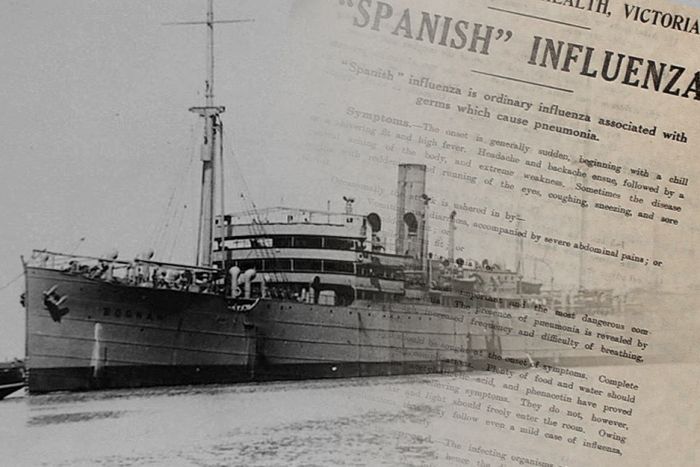
Ships with returning soldiers had been held offshore, with authorities concerned about more flu outbreaks. For example, in December 1918, before the first cases were seen in Australia, a ship, the Boonah, carrying returning soldiers, at least 25% of whom had influenza, was held offshore at Fremantle.
After a first wave was survived relatively well compared to most countries, reports are that complacency crept in, and restrictions eased, leading it is thought to the much more serious second wave.(10)
Tasmania recorded the lowest cases per capita, with around 40% of the total Australian population infected. Australia’s preparations and subsequent travel restrictions and internal border controls were successful in restricting case numbers to amongst the lowest in the world, with also the lowest death rate in the world being 2.7 per 1000 cases. Death rates in some remote indigenous communities were massively higher.(9)
States went on their own after the Federal/State agreement broke down. One outcome of the difficulty of garnering intra-State cooperation was the creation of a Federal Department of Health.
Polio
Now we move to a pandemic people alive today remember, testified to by recent articles comparing that period with today. (11) Within my own family, my uncle suffered a life long limp due to polio, his life no doubt being saved by his father’s expertise as a football masseur.
Poliomyelitis was initially called infant paralysis, because the first impact was seen in very young children. However, whilst this remained the main affected cohort, many people aged around 20 to 45 succumbed. Older people were generally not affected.
Poliomyelitis does, of course, but as we have already seen, unlike influenza, come from the Greek; polio is the Greek word for grey, and myelitis means the inflammation of the myelin, which is the nerve sheath. So the cunning little virus would get into the body through the mouth, and hang about until it found a way into the spinal cord, destroying messaging to the brain. (12) It was eventually identified that the virus is transmitted from faeces remnants (eg carried by flies) into the mouth.
Tasmania was the world’s polio hotspot, and its impact in that State has been described as the worst pandemic in world history. (15) That was before the current Covid crisis.
Polio had occurred in Australia from early in the 20th century, and around the world more or less forever. It was a major issue in Australia in the late 1930s, early 1940s, and 1950s until the Salk vaccine in 1956, and the Sabin vaccine in 1966. Around 4 million people in Australia were infected.
If we think the current Covid issue is scary, feel for people in the polio era – they had not the foggiest idea where it came from, how it was transmitted, and how it destroyed the body. And it was decades from the first outbreak to the first vaccine.
The impact of polio is seen by many Australian baby-boomers through the eyes of Alan Marshall, who wrote a book called “I can jump puddles”. The leader reads: “It amazed me that they would imagine I would never walk again. I knew what I was going to do. I was going to break in wild horses and yell ‘Ho! Ho!’ and wave my hat in the air, and I was going to write a book like The Coral Island.”.
The worst cases involved artificial respiration in what were colloquially called iron lungs.
 Some cases involved hospitalisation for up to 10 years, and some also required artificial respiration for life. (One woman contracted polio at age 23, and lived in an iron lung till she died at age 83).(13)
Warning that the impact of virus pandemics can be felt well after the initial impact came in the 1980s, when cases began to emerge of muscle and limb fatigue, thought now to be due to overuse of polio affected muscles. (14)
Fear ruled in Tasmania, particularly in rural areas which were harder hit. Railton, in the central north, was a particular hotspot. In that State, there were 81 deaths from 2000 infections.(13) Similar to the Covid story, most people infected with the polio virus didn’t even notice, about 10% of the infected felt significant symptoms, and about 3% of those developed severe symptoms as the virus found its way into the nervous system. Once at this stage, death or permanent respiratory weakness was common.(12)
Somewhat ironically, it seems that increased health and hygiene contributed to the outbreak of the polio virus, with western rich countries most affected. It is thought that in earlier times and in less developed countries, poor hygiene meant youngsters were exposed, and hence became immune, at a very early age.(15)
Unlike with Spanish flu, Tasmania apparently didn’t move as quickly to close the sea border, with polio cases already being reported in Victoria. They did belatedly start a process of refusing transit if not satisfied the traveller had not had contact with a polio patient. It was problematic though, when no-one knew how it was transmitted.
Tasmania did, in July 1919, introduce stringent isolation measures, with all travellers both ways being required to isolate for three weeks. Isolated people had to report on a daily basis, and to immediately, at any hour, report illness. Surprise inspections were made to ensure isolated people were just that. Attempts to fence the outbreak to the area of the first case in Inveresk failed due to the lack of knowledge as to its character. (15)
Reactive closures of schools, milk bars, cinemas and other gathering places similarly lacked success because they were reactive. Even short distance travel was policed, with 21 days isolation demanded on arrival.(15)
Writers to the papers were quick to point out that mingling was very inconsistently managed, with one writer pointing out that his children had to isolate at home despite being allowed to travel to their home town by crowded ship and train. (15)
North versus South rivalries emerged yet again to muddy the Government’s attempts at control. The Government was forced to assert publicly that no political motivation was involved in placing more stringent restrictions on the north than on the south, it just being the case that the medical advice was to that effect due to the intensity of the outbreak in the north.(15)
In what could be seen as a silver lining in the rivalry, the north and south ran a fervent competition as to which of the two “States” was the most generous. Whipped up by the main mastheads, very large donations were made.(15)
Astonishingly, a massive breakthrough came thanks to the Queen of another country, namely Great Britain. In preparation for her visit to Western Australia in 1954, unrelated to polio and with still no idea how polio was sourced nor transmitted, it was thought a good idea to give all the kids their own soap and towel in case they got to shake the Queen’s hand. Later a marked drop in polio cases had scientists saying Oh gosh or words to that effect: maybe if people washed their hands?(16)
The turnaround was fortunately soon reinforced by a vaccine.
Polio is thought to now be virtually eradicated across the globe.
CONCLUSION
We can safely ignore the many conspiracy theories proliferating over social media. This has happened over and over again.
Each time we learn, and our response is generally better, although perhaps, too, the viruses are getting stronger – they too seek to survive and reproduce.
In a story which could have happened in the mid 19thC, except the numbers would have been lower, I note that in the current press there are reports that 60 waterside workers in Melbourne have been stood down because they refused to unload a cargo ship bringing supplies from, you guessed it, China. Their position is that it was still two days short of the mandatory 14 day quarantine period; the Government authorities’ view is that that period applies to people, not cargo; and in any event it is up to the authorities to decide what is safe.
Other things to consider include the multiple waves of Spanish flu and polio. Also this poignant comment from our deputy Chief Medical Officer: “In terms of the virus dying out, as it were, in certain parts of Australia, that would be a great achievement. It does bring with it a challenge, of course, it would mean the most of us would not have been exposed yet. So we would remain susceptible to the virus if it was re-introduced.”
I hope you found this interesting. I certainly did.
April 2020
Michael Monaghan
Main references
- Smugglers and Sailors: The Customs History of Australia 1788-1901 by David Day (AGPS 1949 Canberra)
- Historical Records of NSW Volume 5
- Later published as “An Account of the English Colony of NSW”
- Historical Records of NSW Vol 5
- Historical Records of NSW Vol 5 and Vol 6
- Historical Records of NSW Vol 5
- https://www.utas.edu.au/library/companion_to _tasmanian_history/S/Small%20pox.htm
- Launceston Examiner – see Trove for 1880s
- https://www.nma.gov.au/defining-moments/resources/influenza-pandemic
- http://theconversation.com/how-australias-response-to-the-spanish-flu-of-1919-sounds-warning-on-dealing-with-coronavirus-134017
- https://www.polionsw.org.au/about-polio; https://www.findandconnect.gov.au/ref/tas/biogs/TE00387b.htm;
- https://www.aihw.gov.au/getmedia/ea7684ff-753c-44db-9091-24654db8b6b1/aihw-phe-236_polio.pdf.aspx
- https://www.findandconnect.gov.au/ref/tas/biogs/TE00387b.htm
- https://www.polionsw.org.au/about-polio;
- https://eprints.utas.edu.au/20791/1/whole_KillaleaAnne1993_thesis.pdf
- Kerry Highley: “Dancing in my dreams: confronting the spectre of polio”.Melb Monash Uni Press 2015



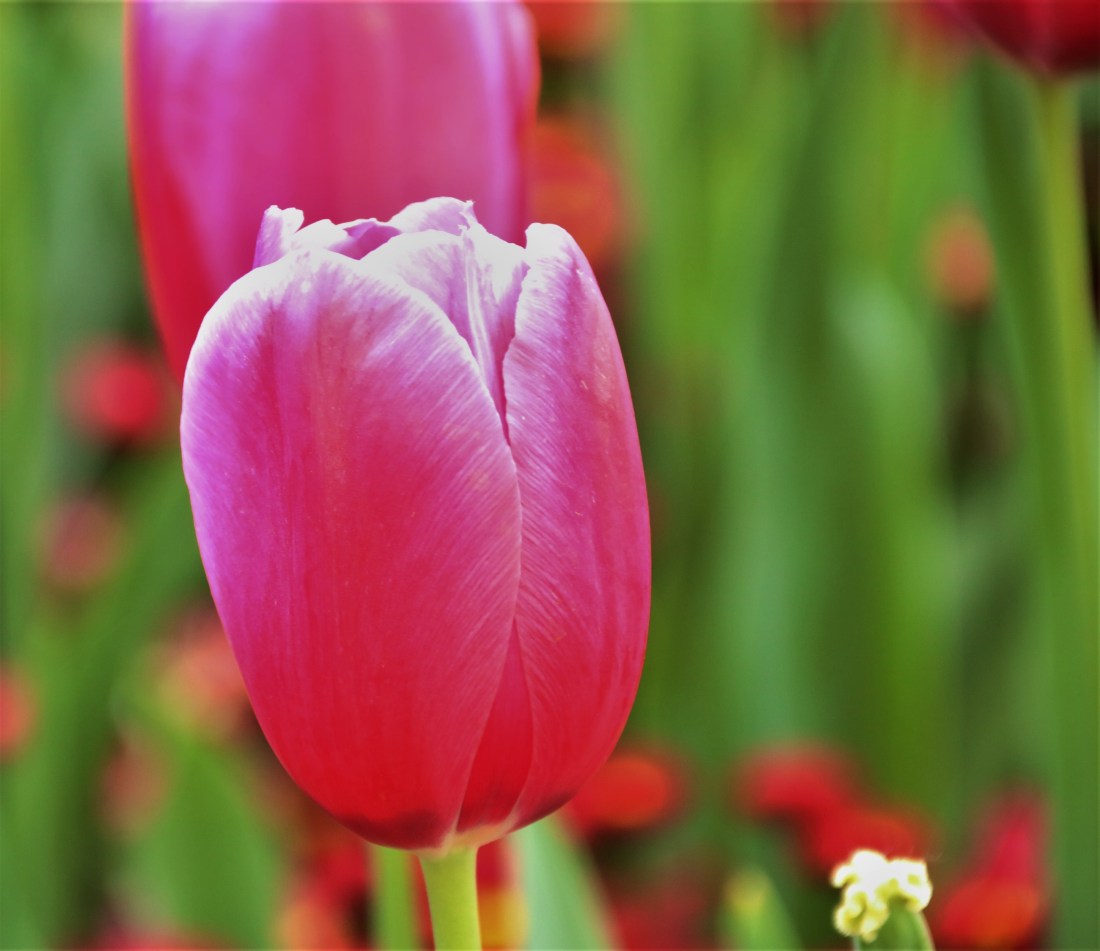
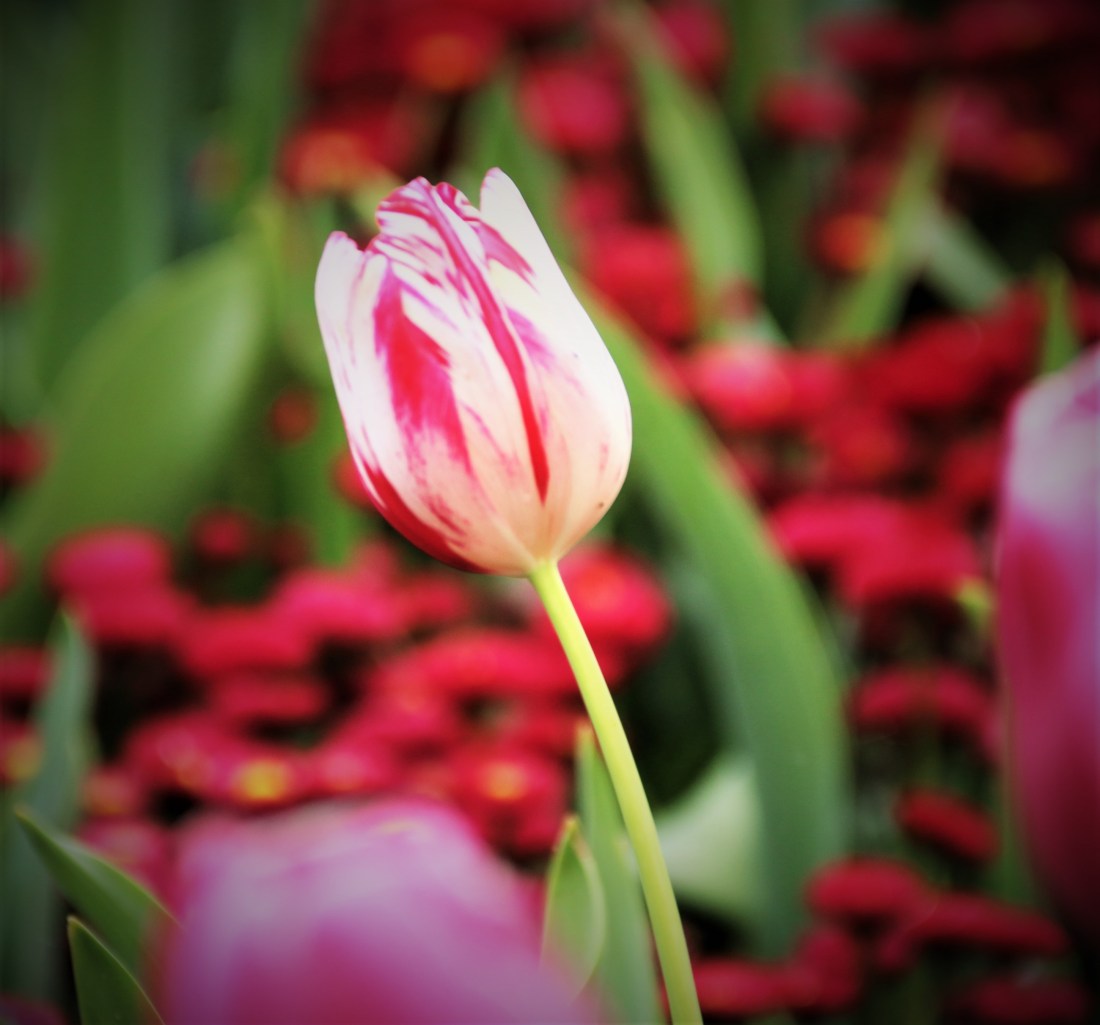
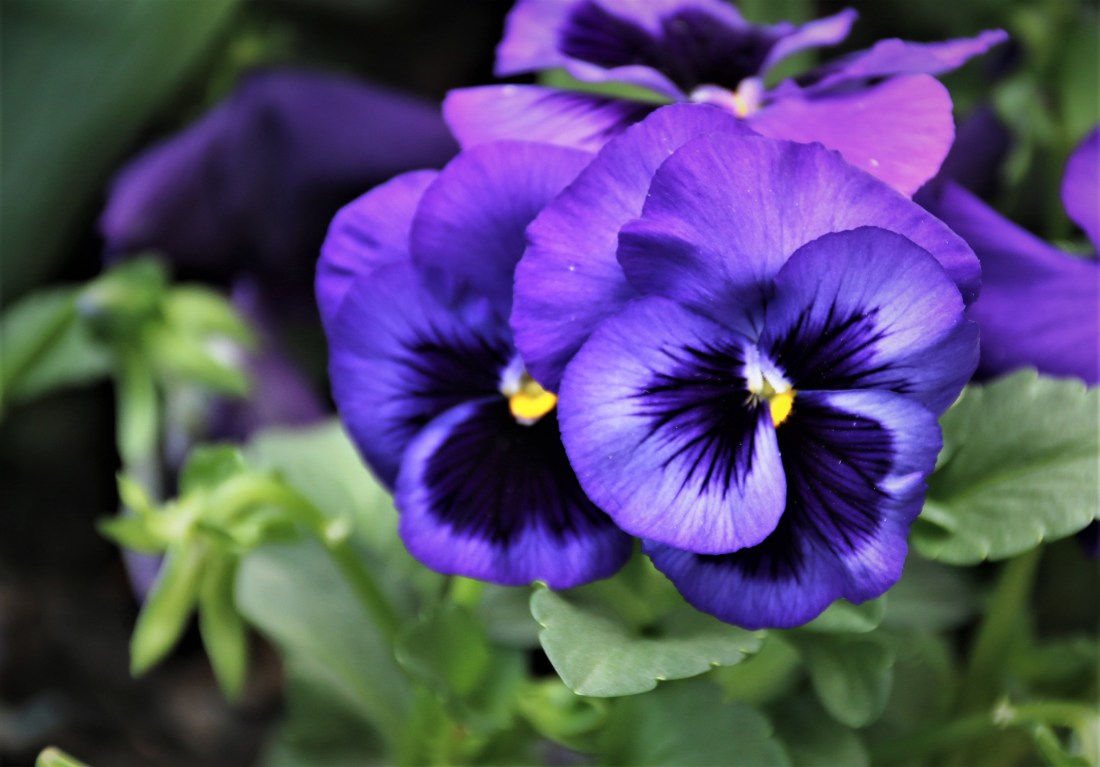
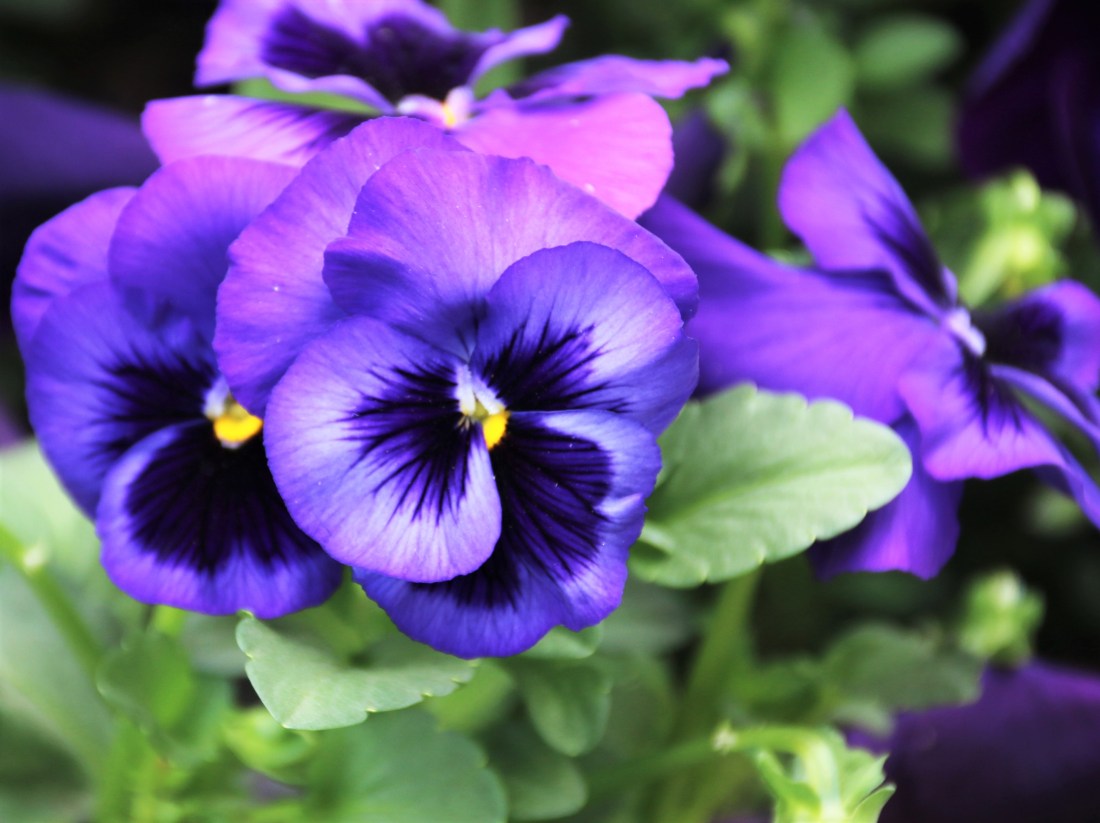
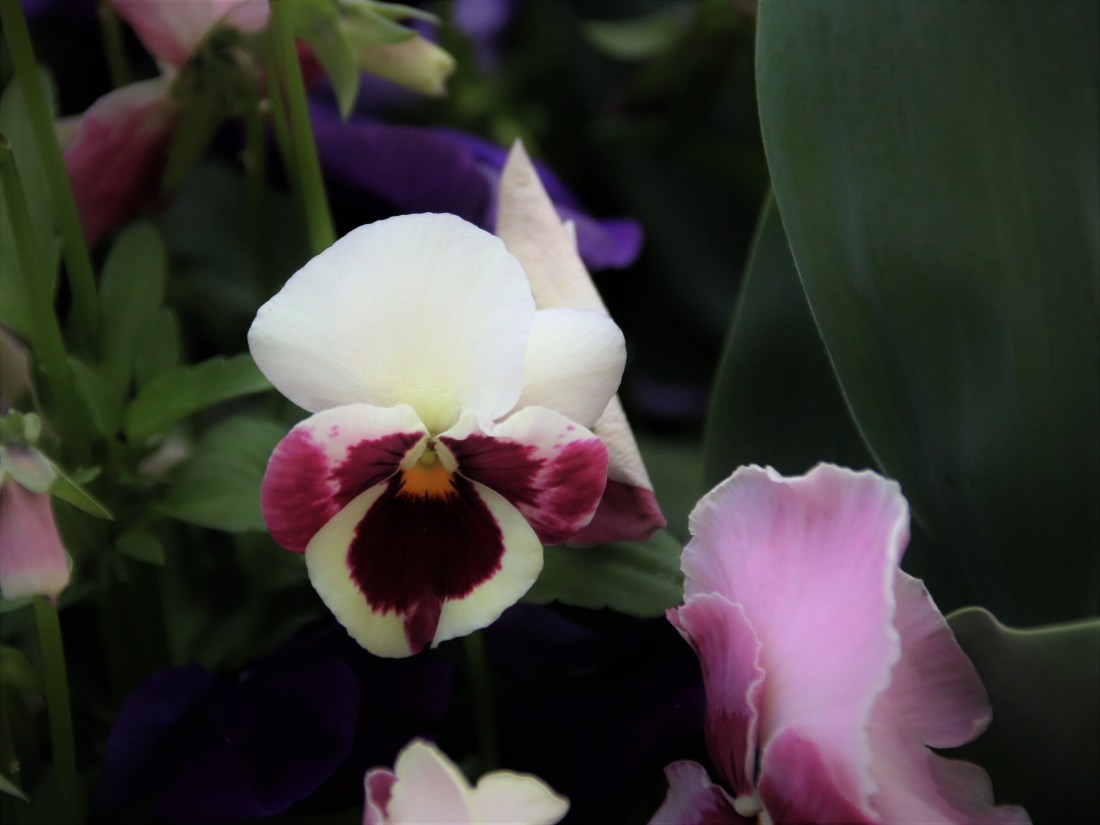
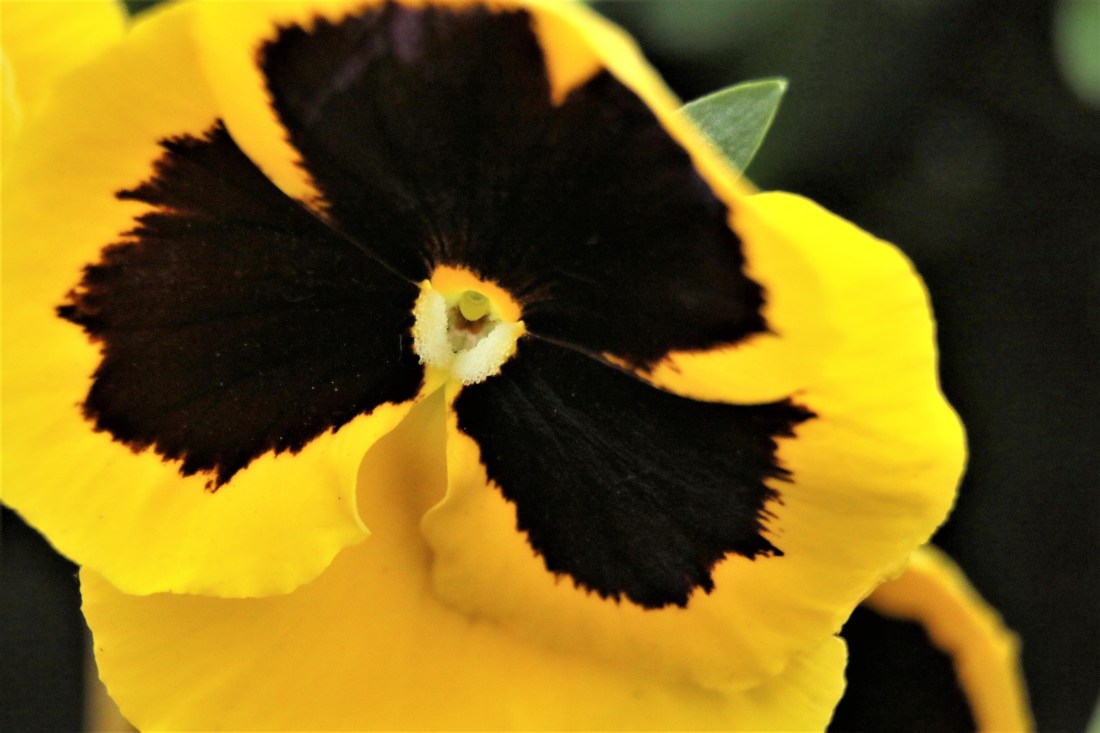
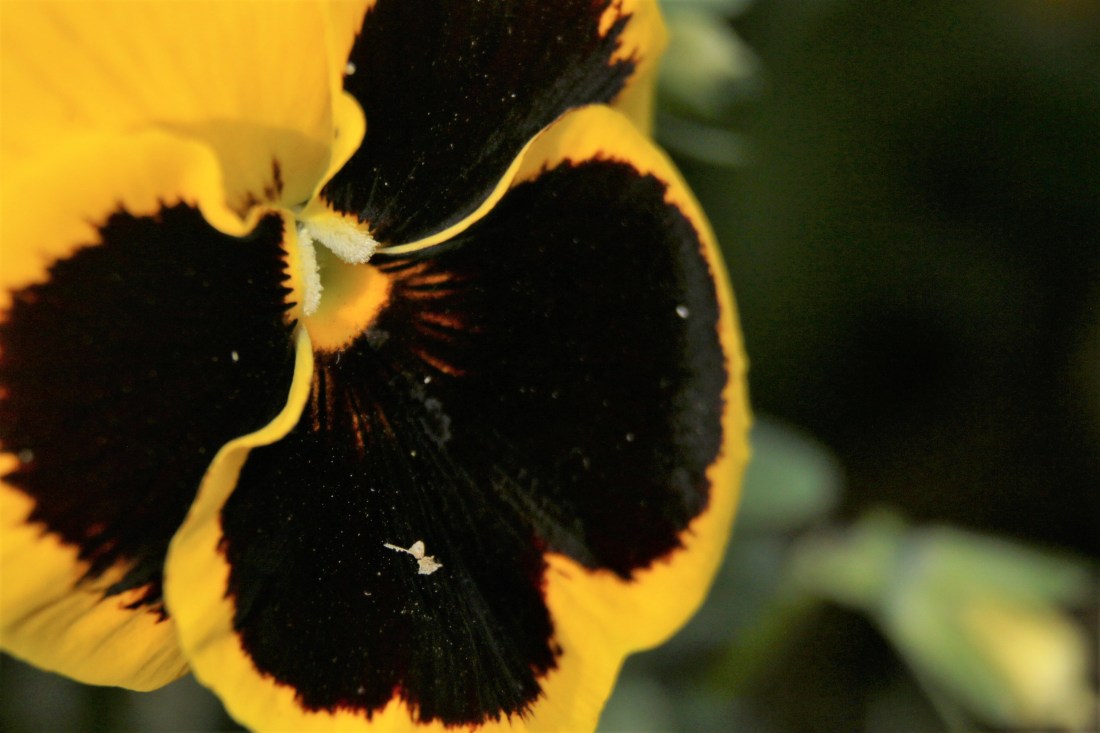
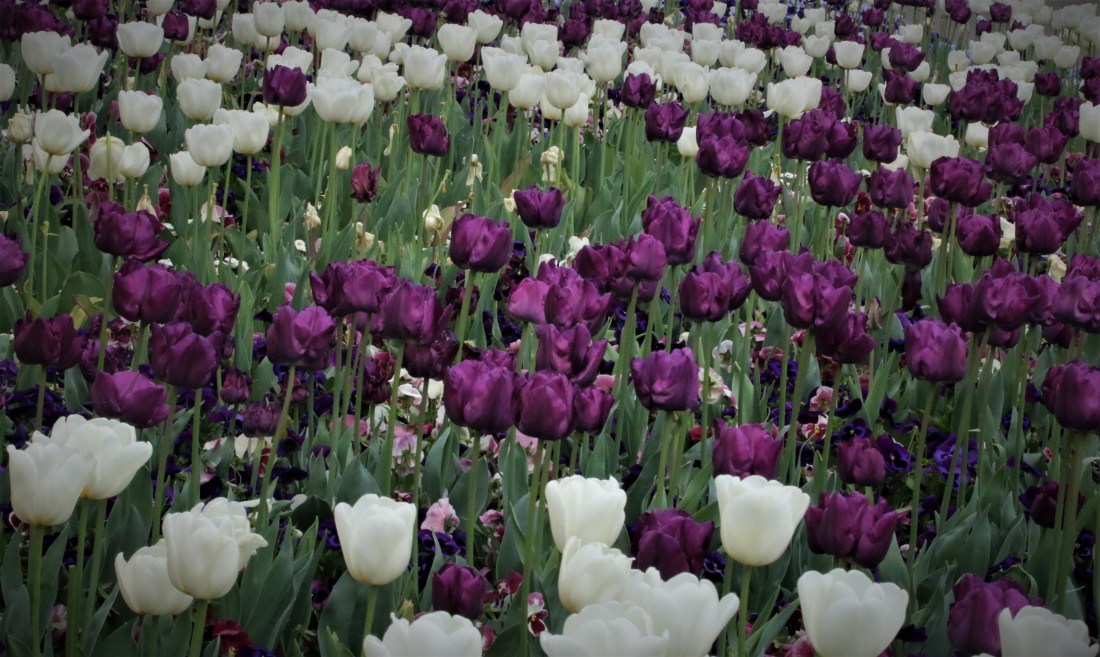
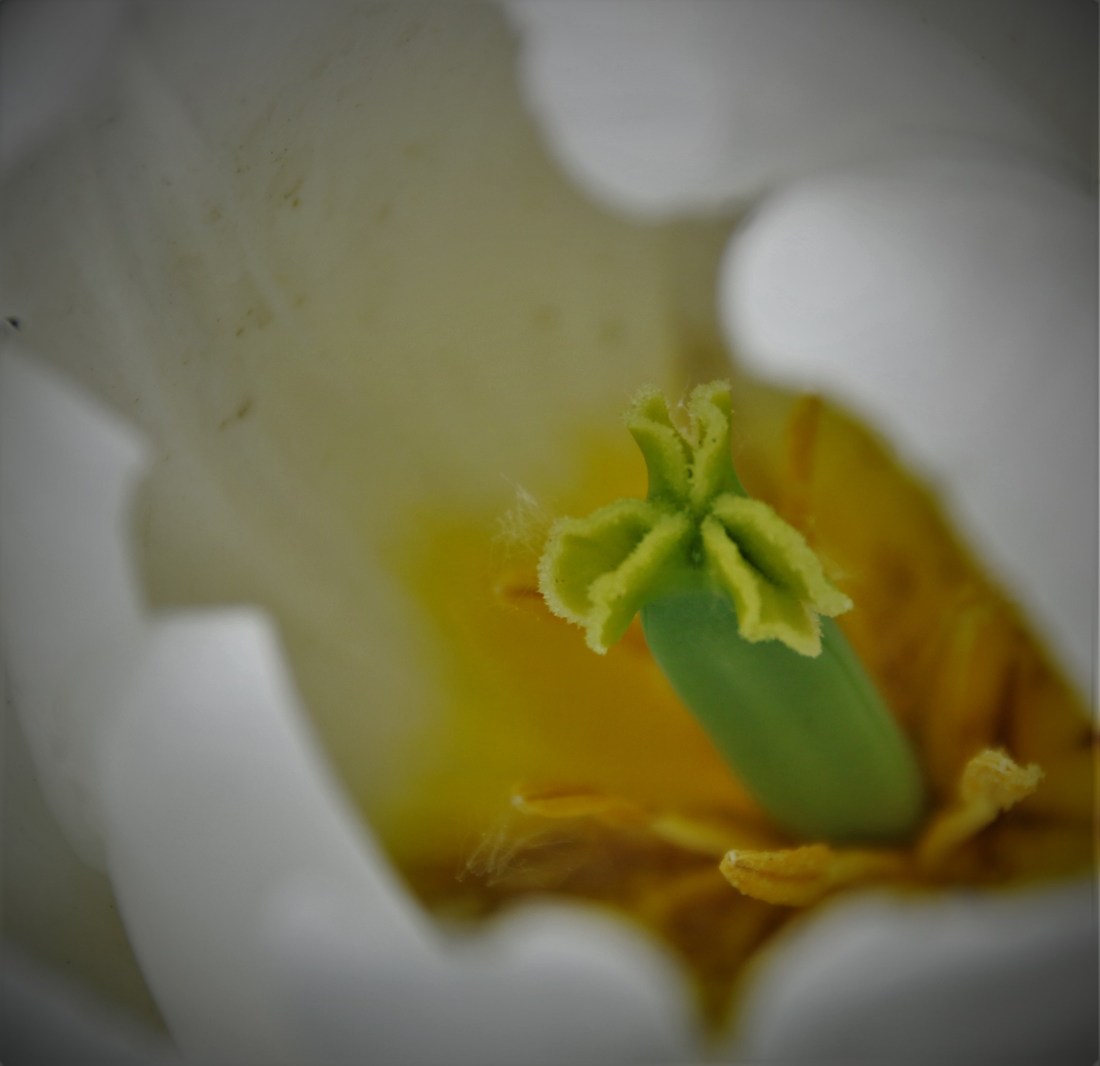
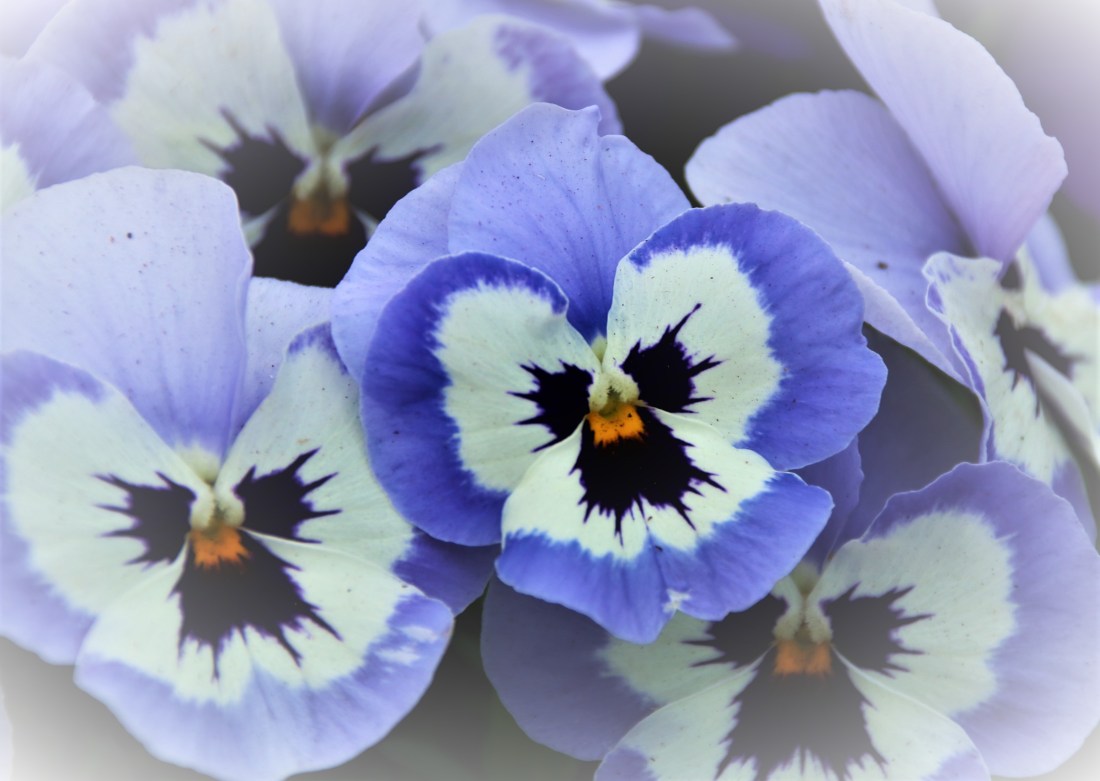
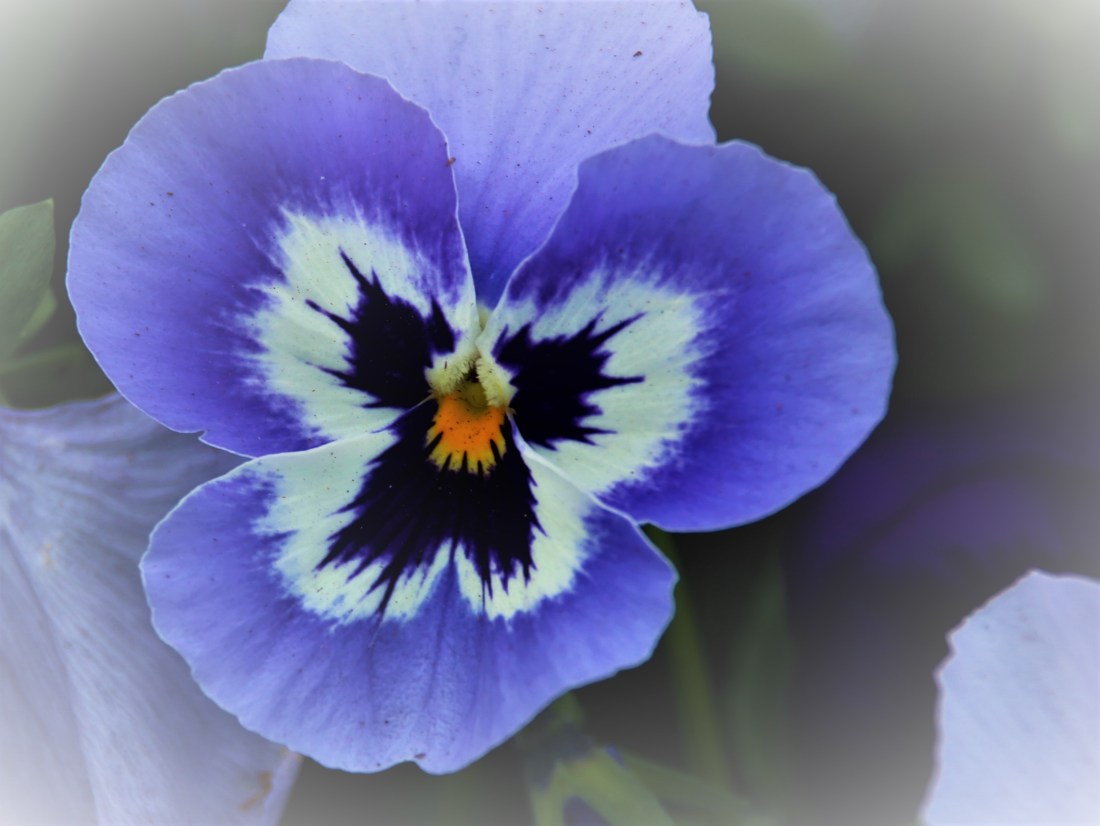
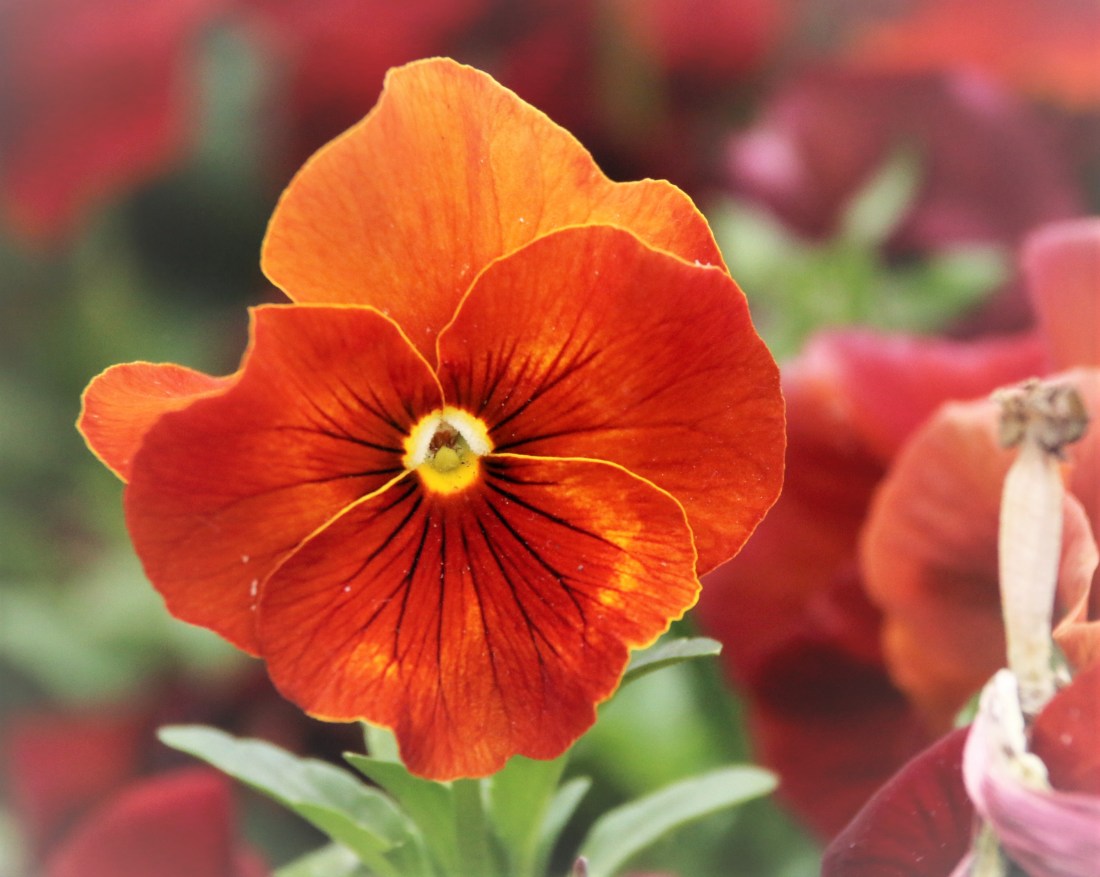
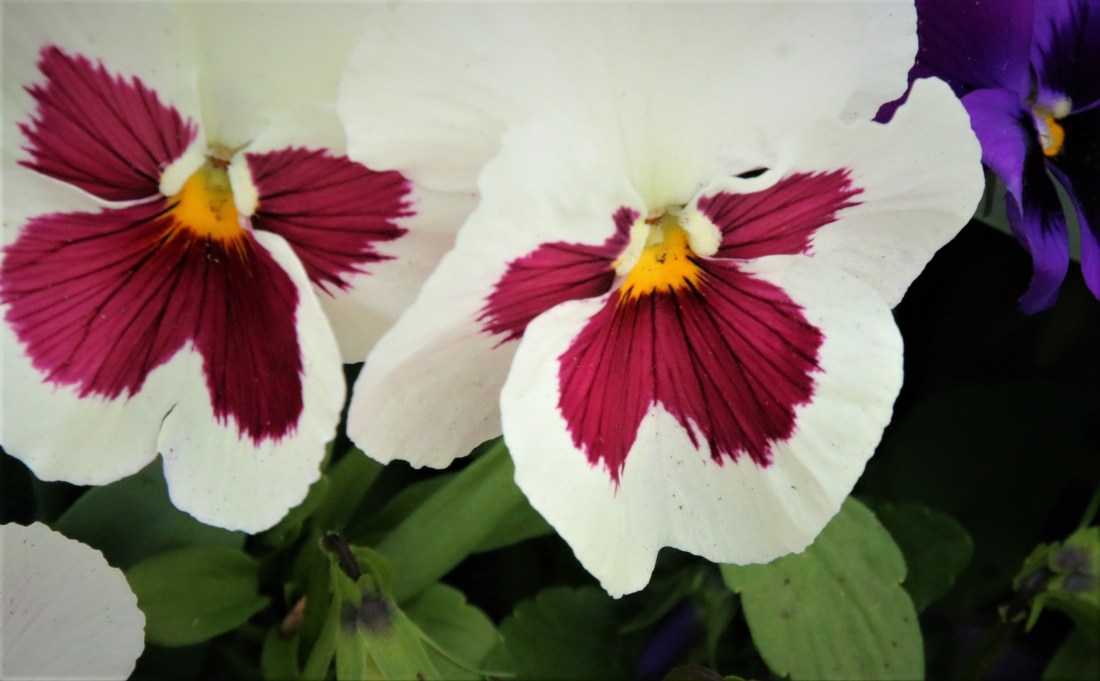
 Around the garden, being mid-Autumn, there was a surprising number of flowers to brighten the place up.


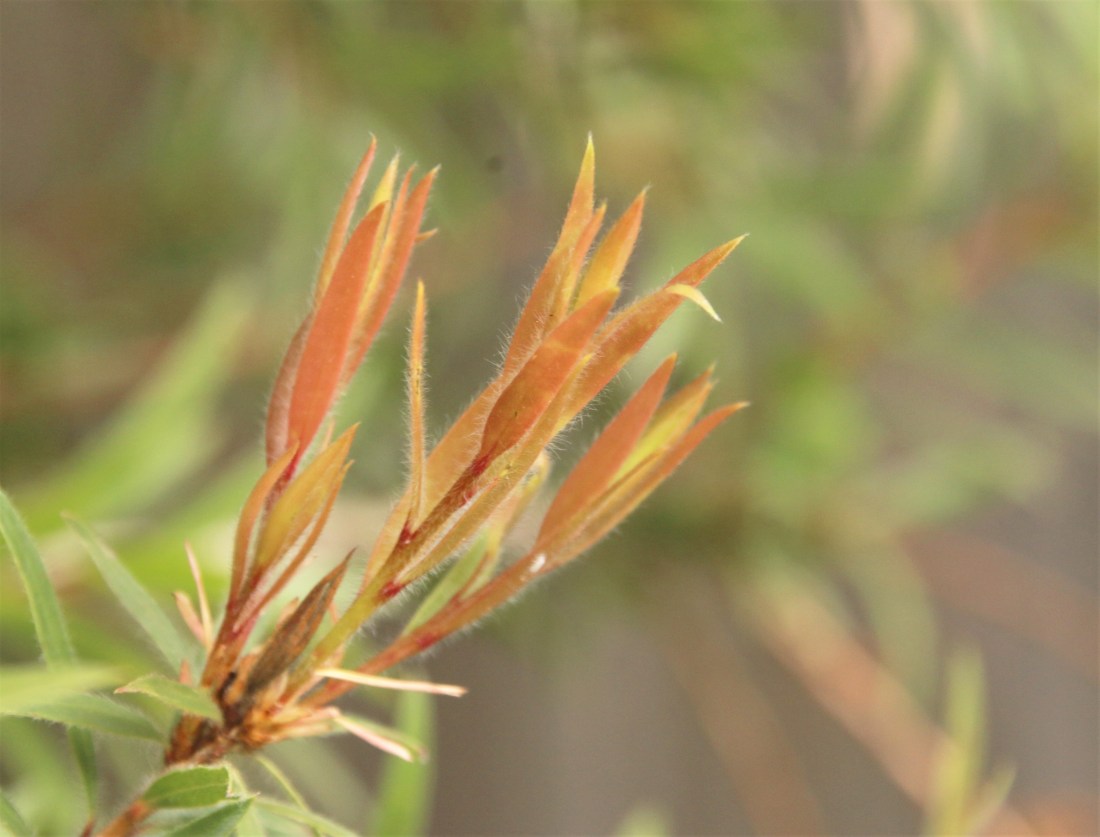 So plenty in the garden to enjoy at home, whilst watching the many birds that also make it their home.


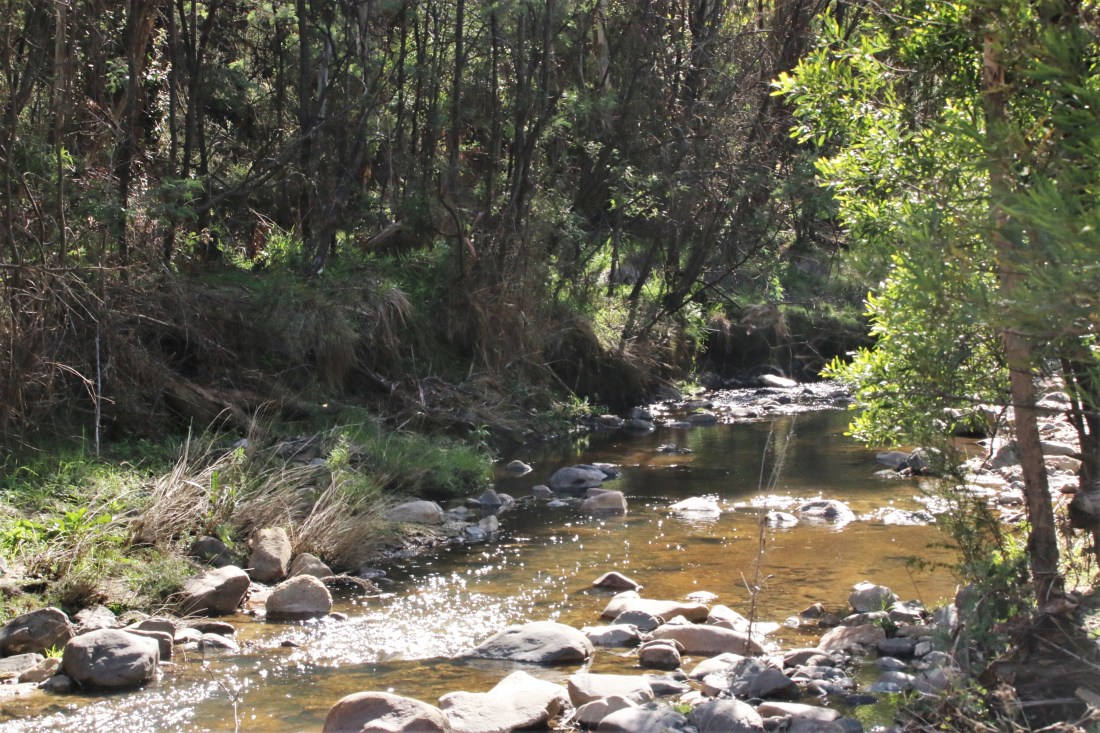
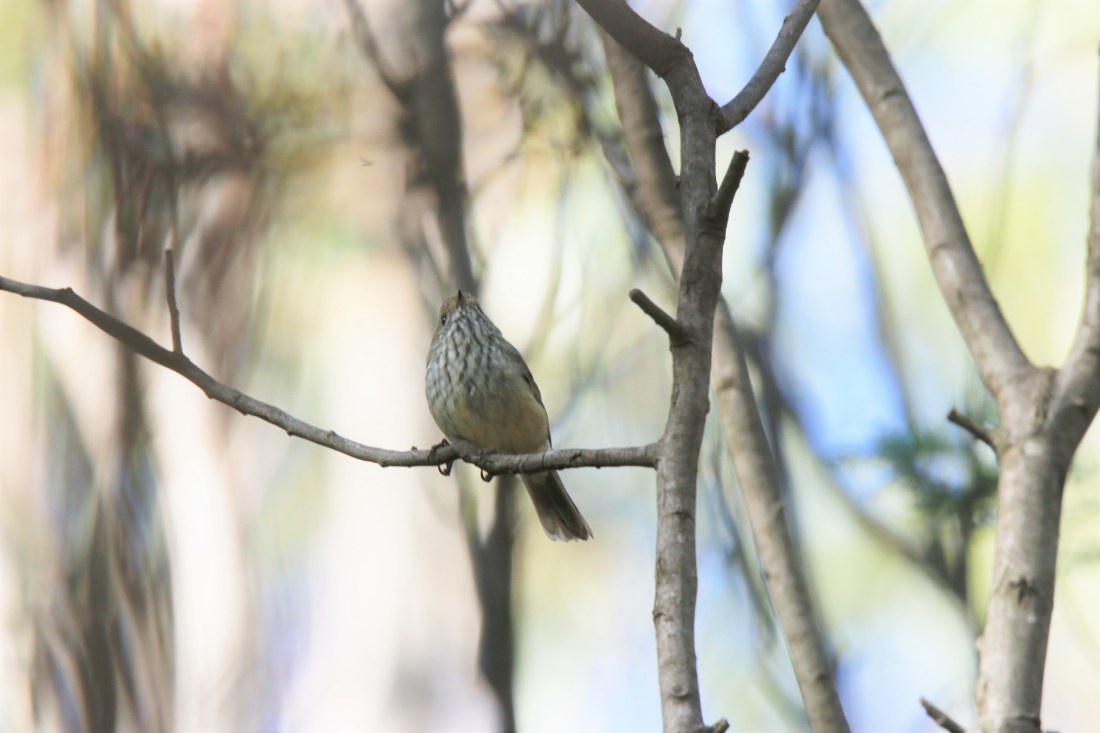 The creek glistened in the morning sunlight: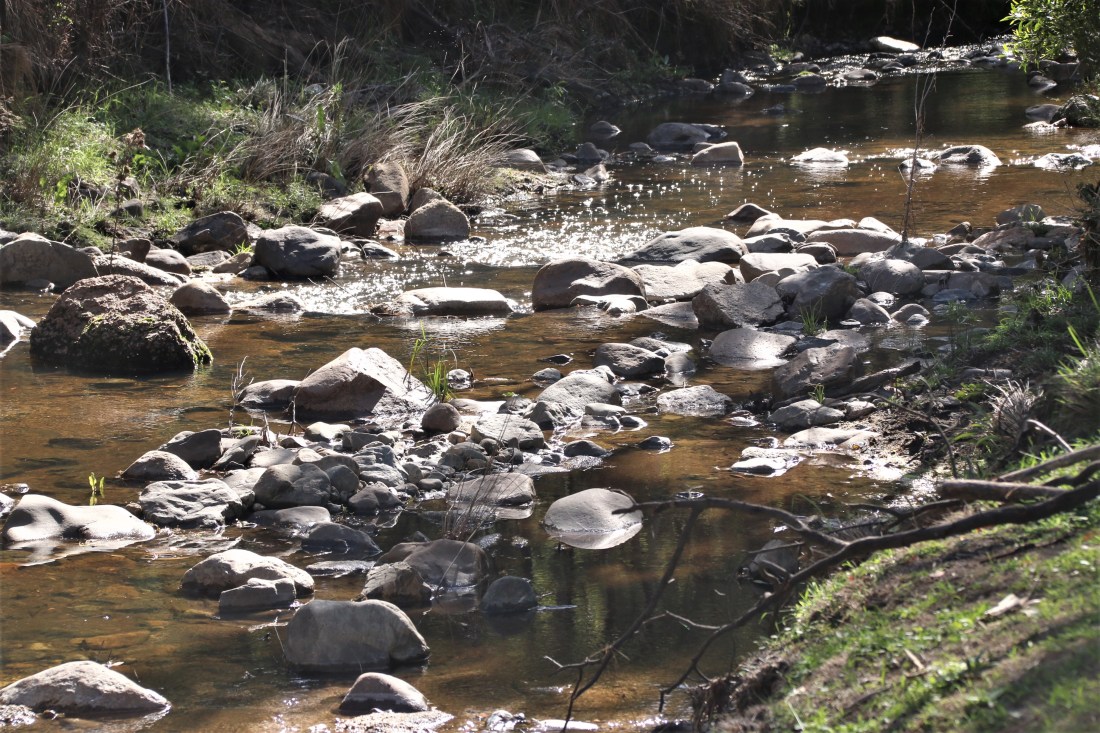
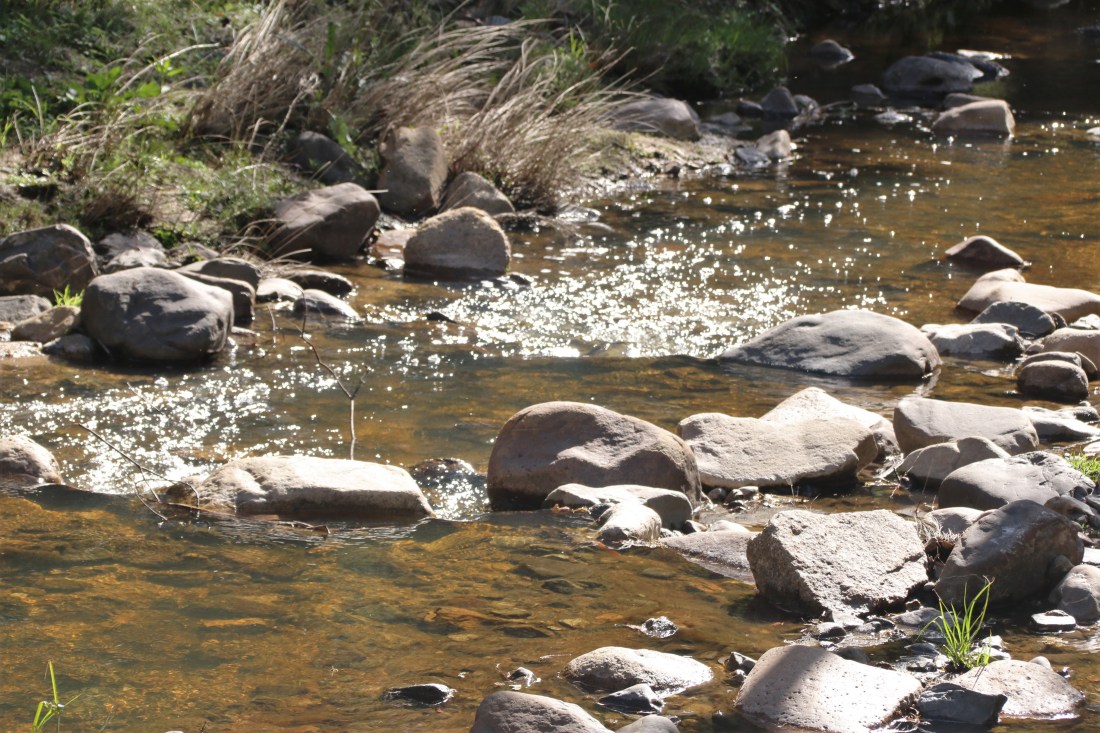
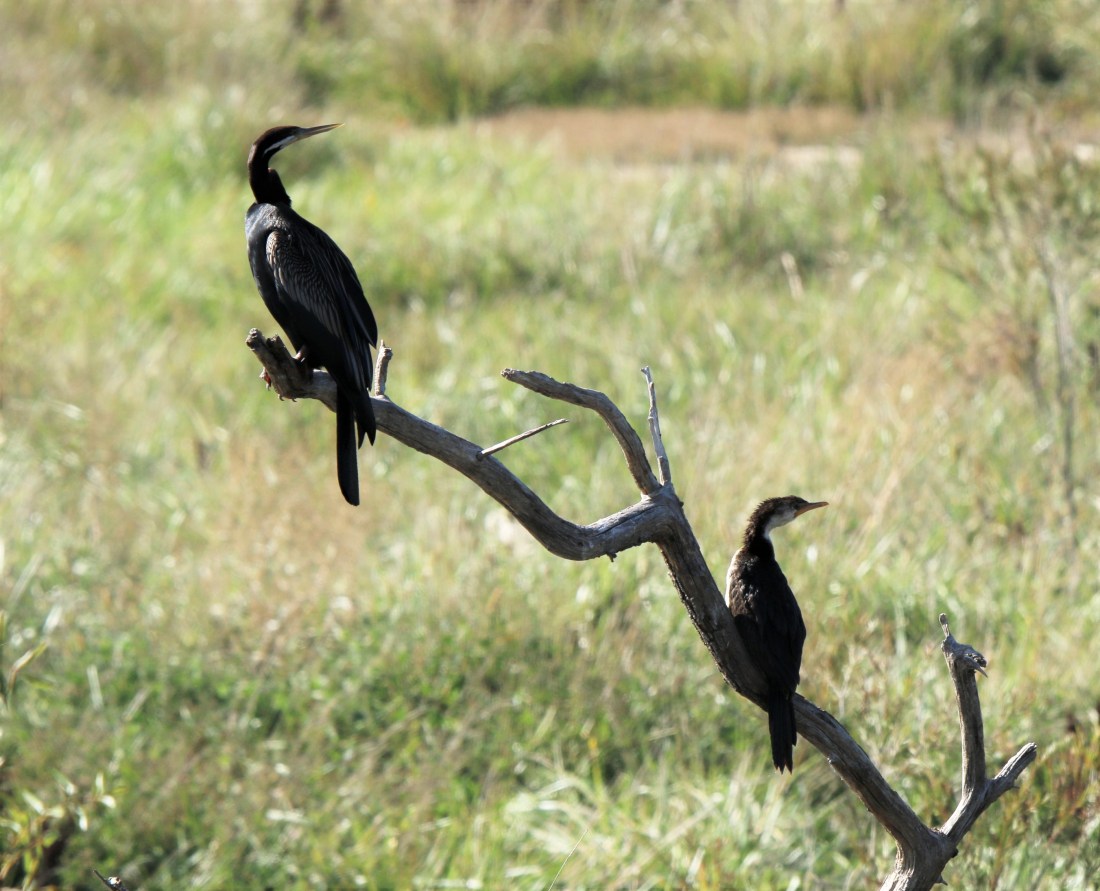
 The other favourite, the Jerrabombera wetlands went almost totally dry in the long period of drought. There might be water under here now, but one can’t see through the explosion in the reeds and grasses:


 Just as I was about to leave a young Black-shouldered Kite appeared and was certainly keen to explore every angle of the scene:


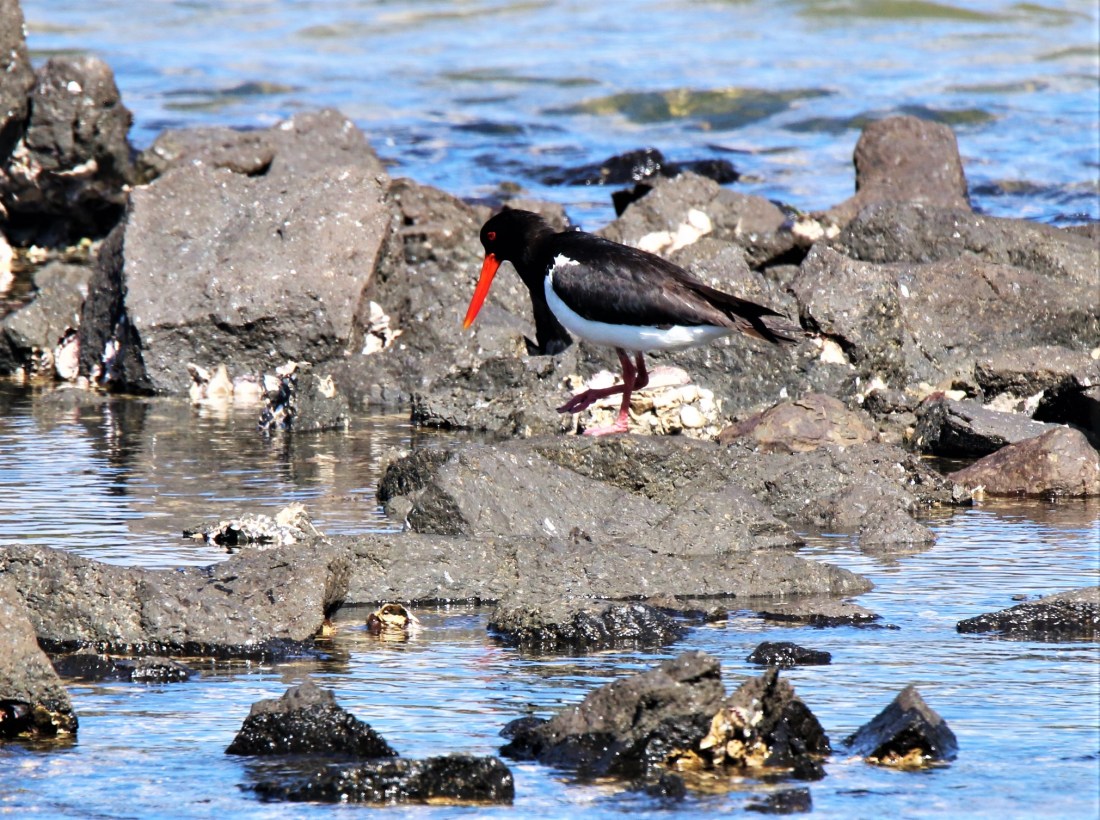

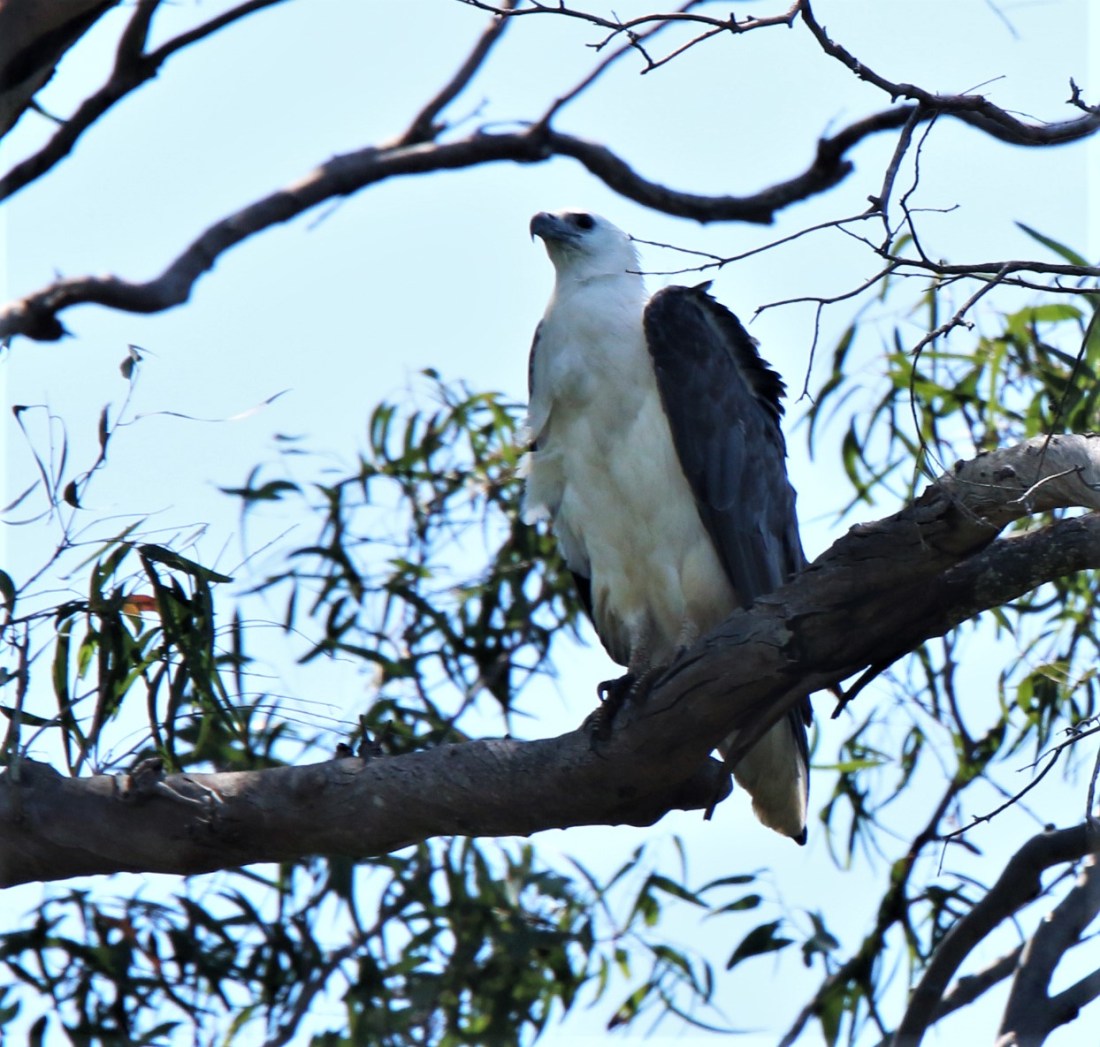
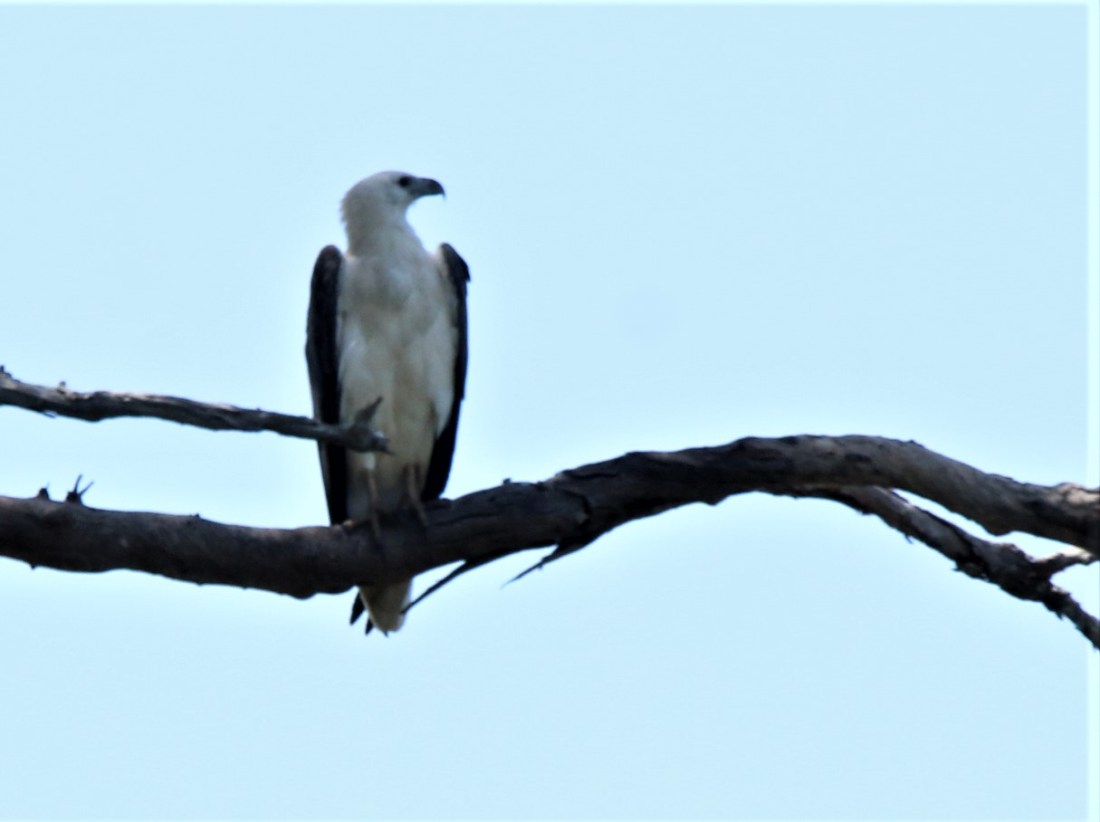
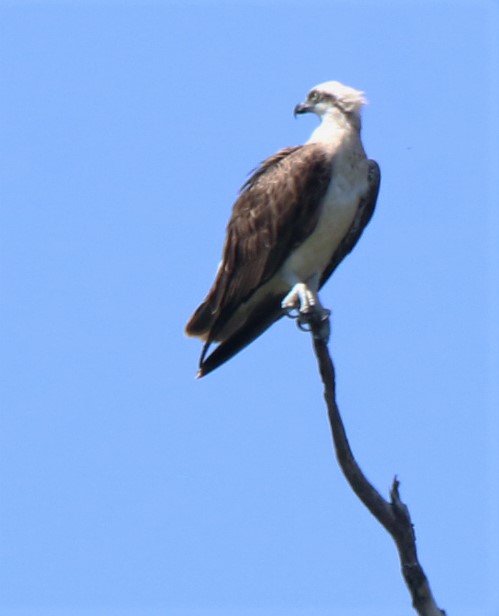
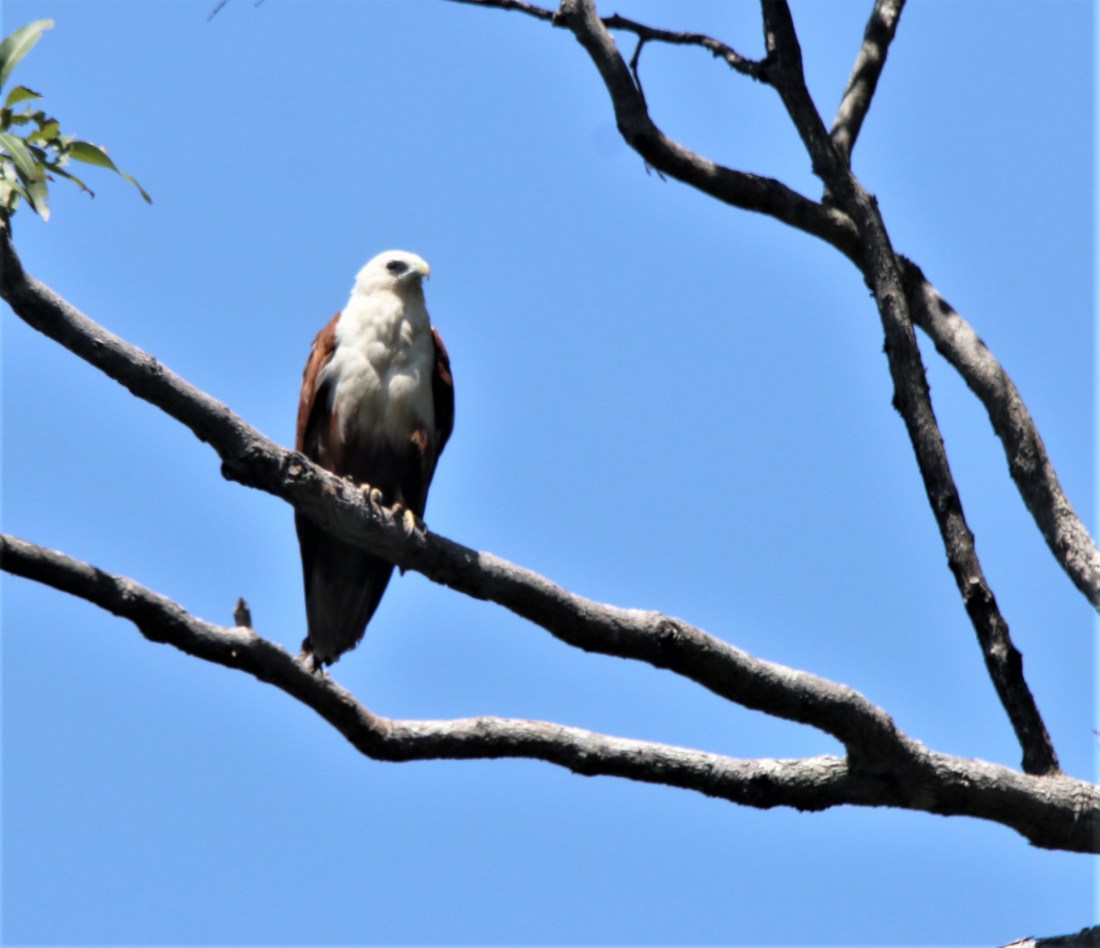
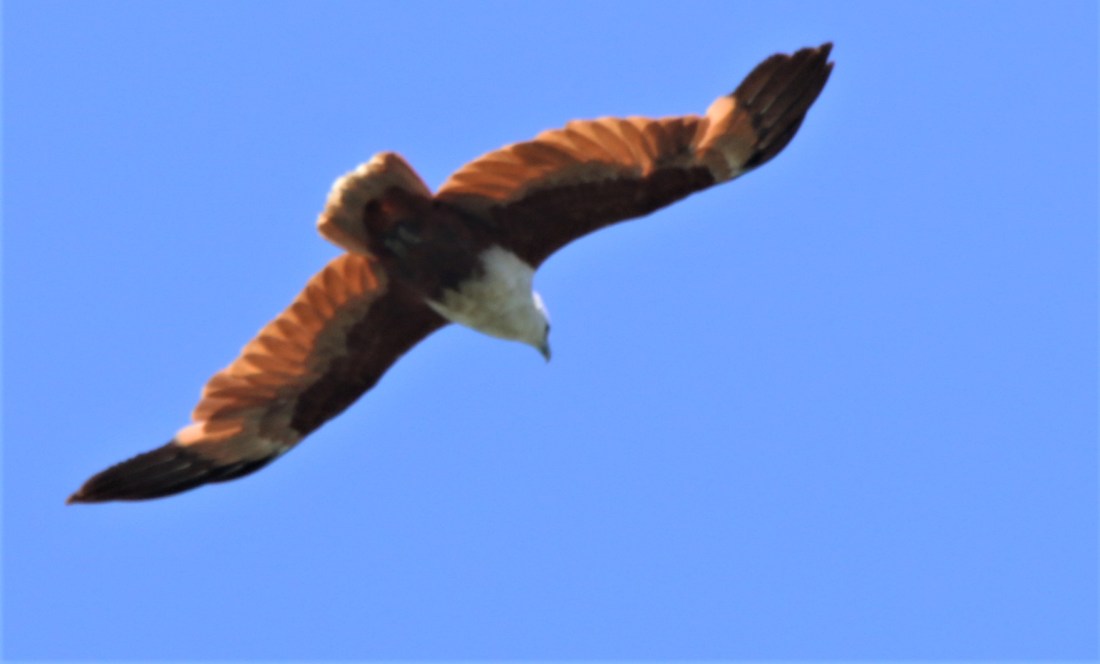
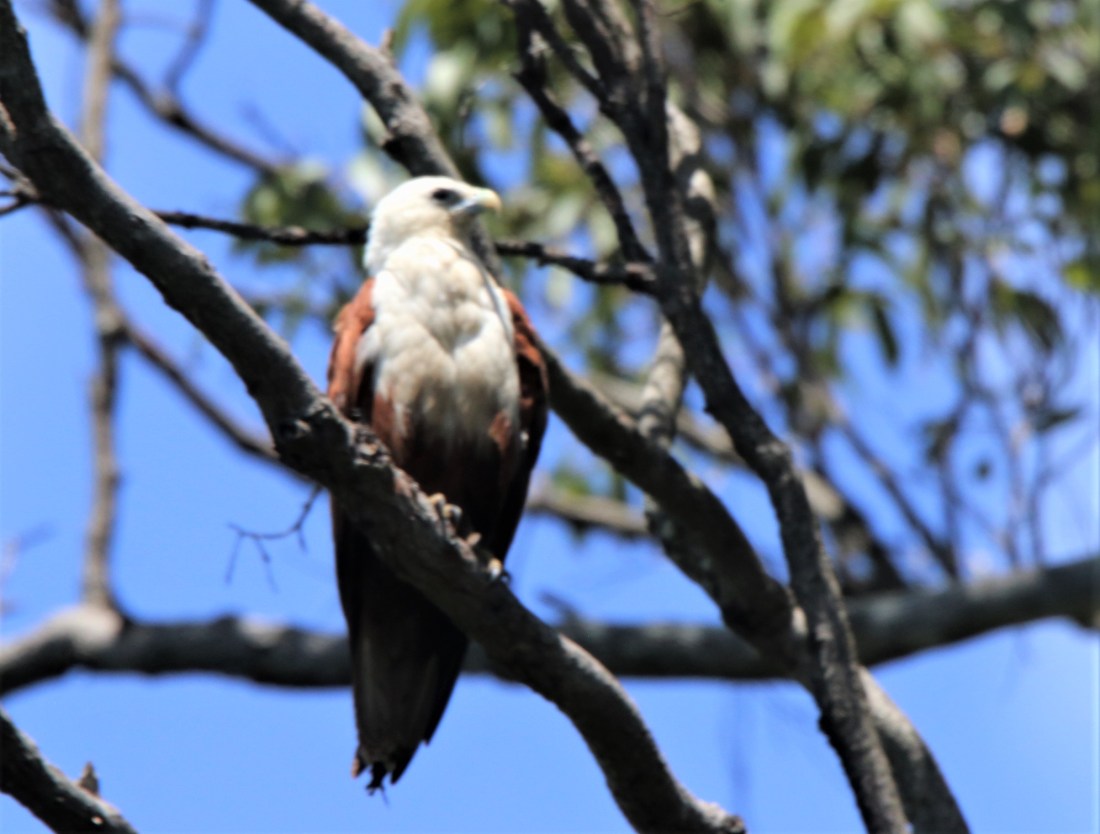

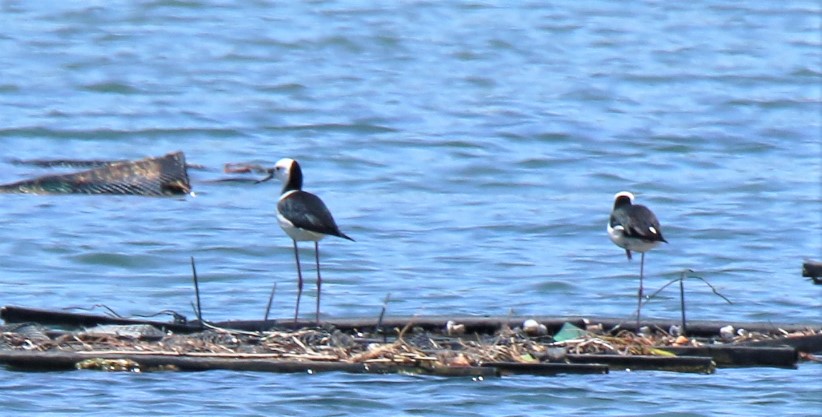


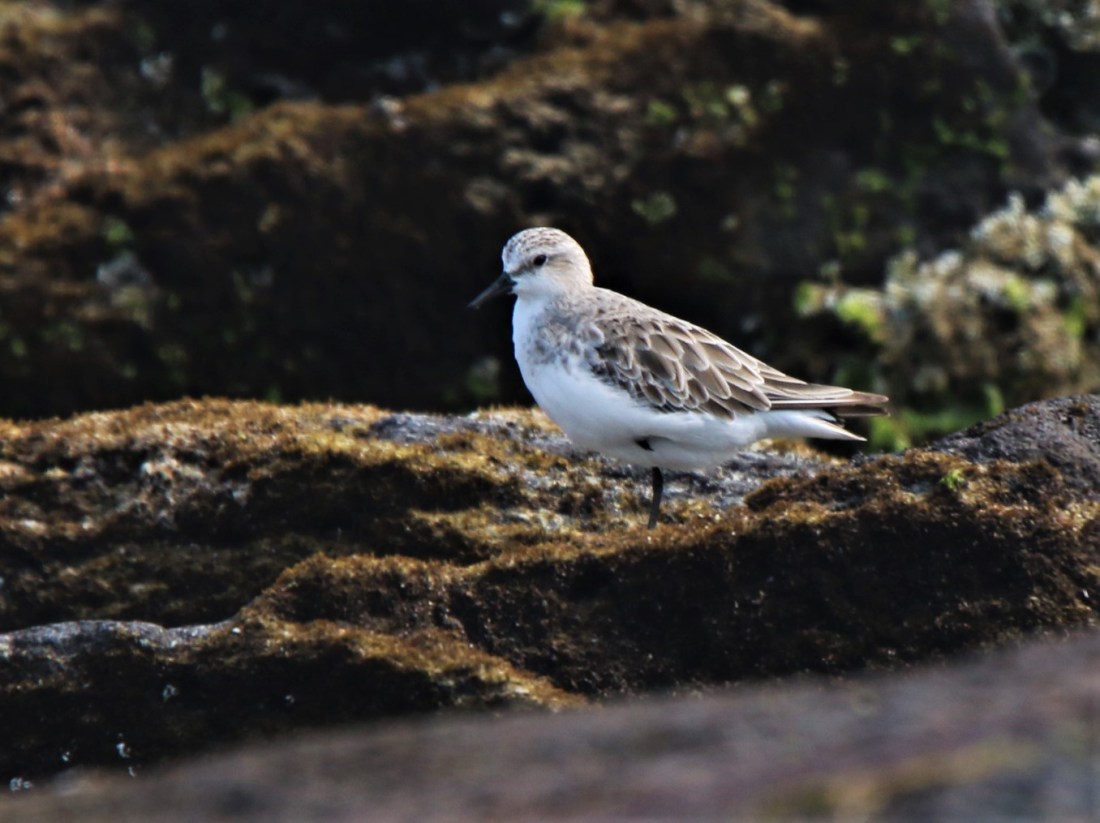


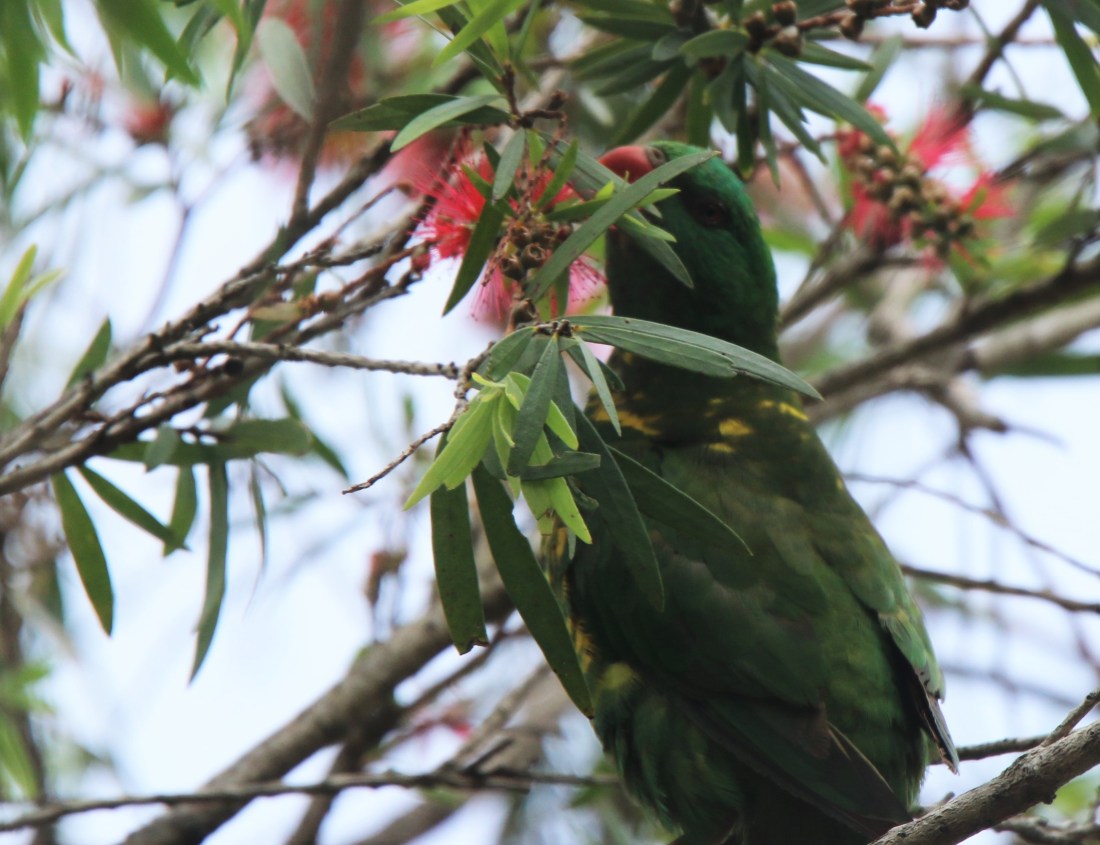

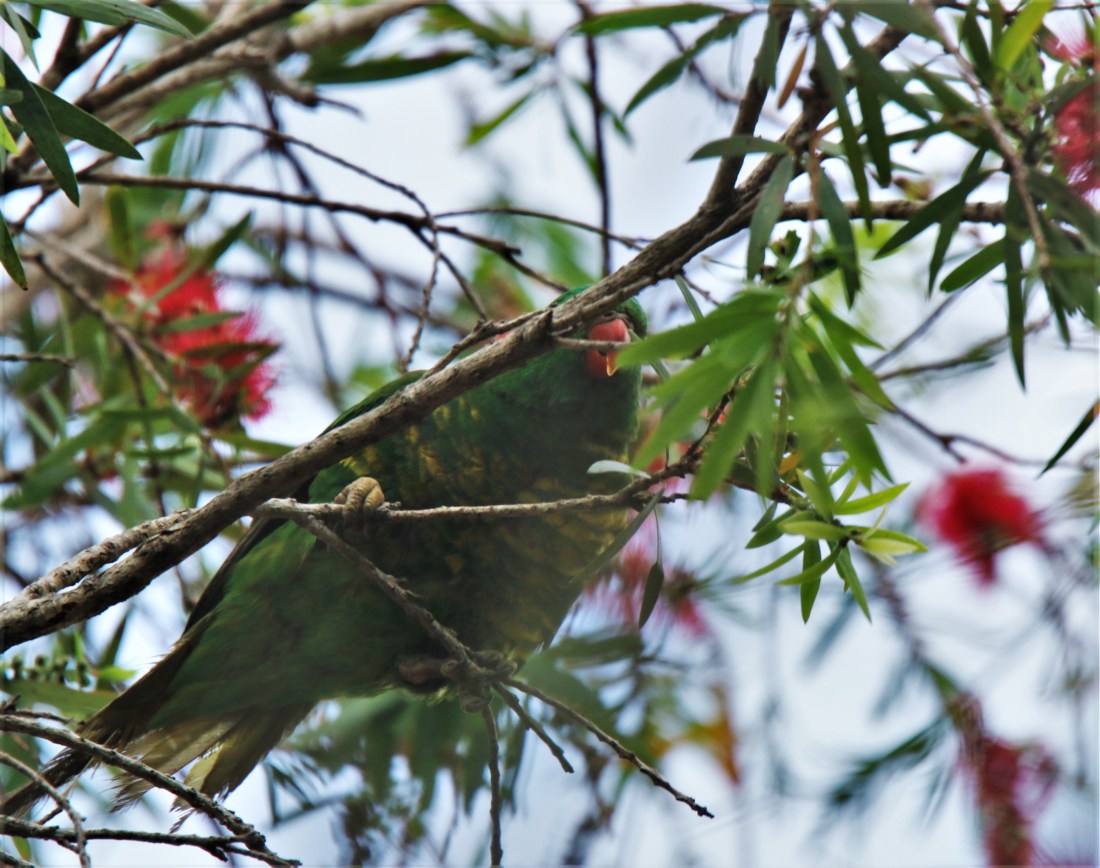

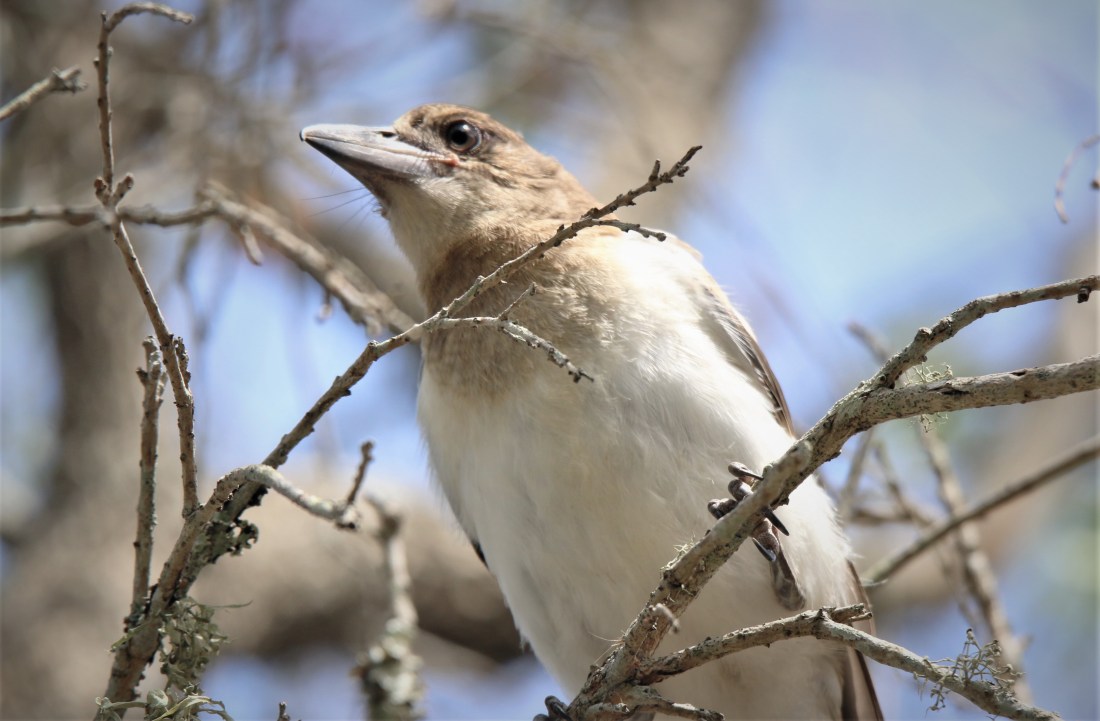
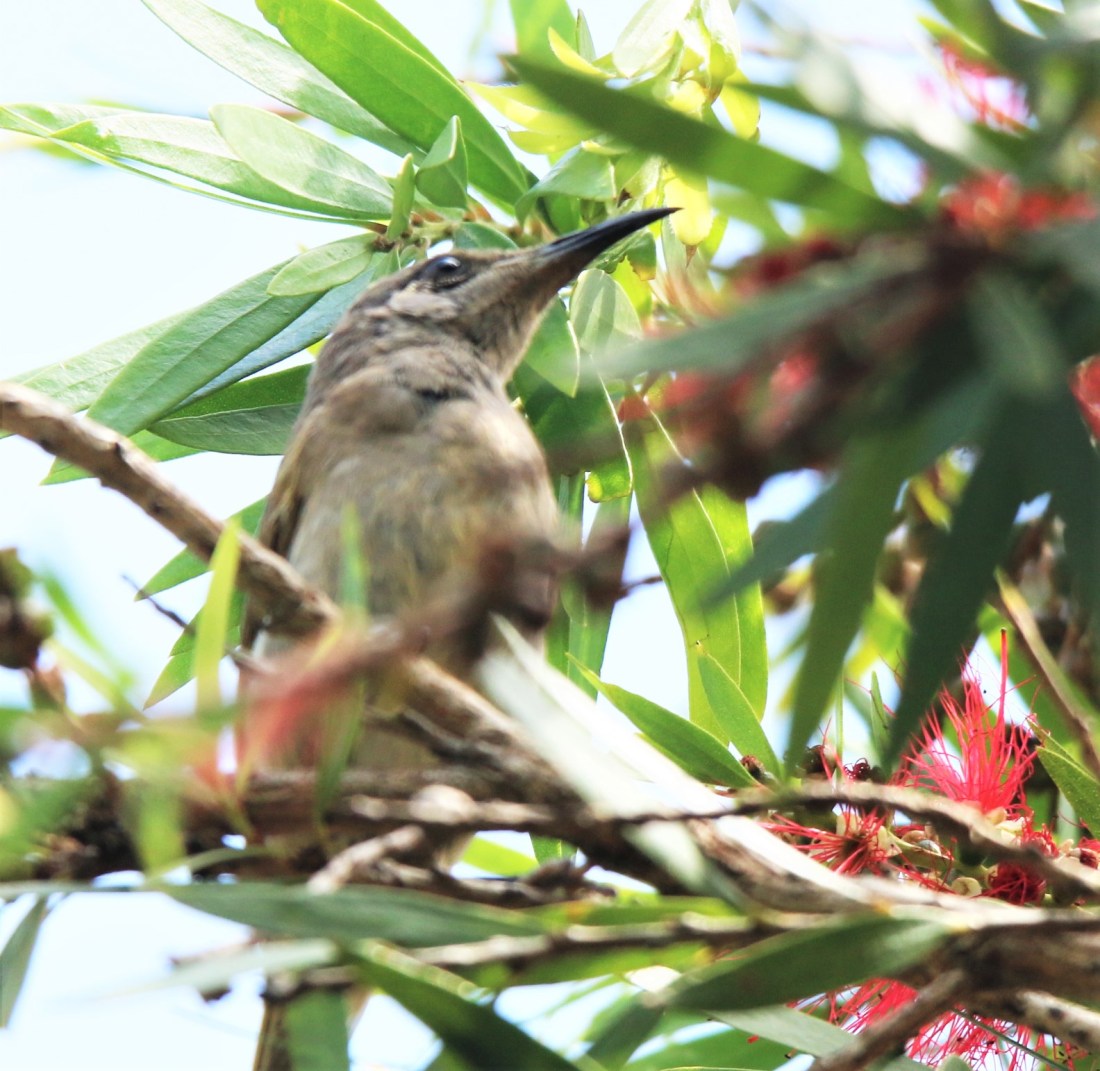











 By the way, the fluff from the Plane Trees was so bad, that, even if you had started to revise just on the weekend, it is clearly too late, and I regret you will fail the exams.
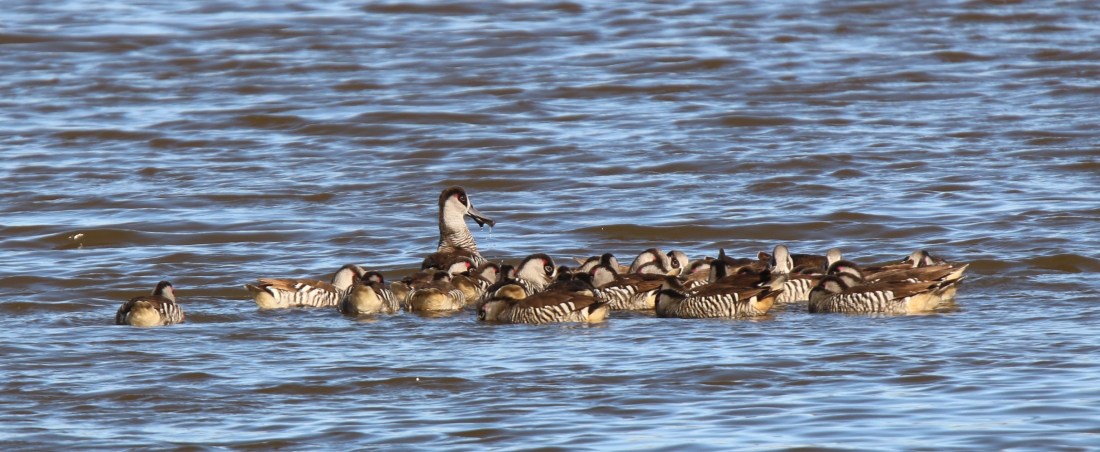
 Other ducks, as well as the omnipresent Pacific Black Ducks, have been Hardheads, usually in close pairs: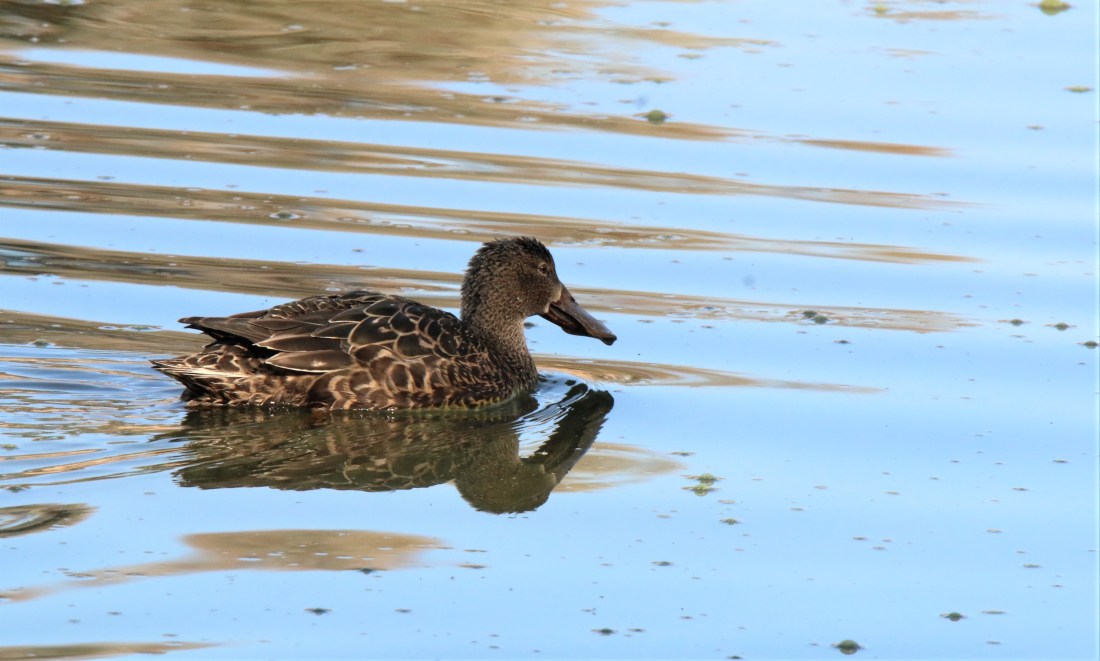


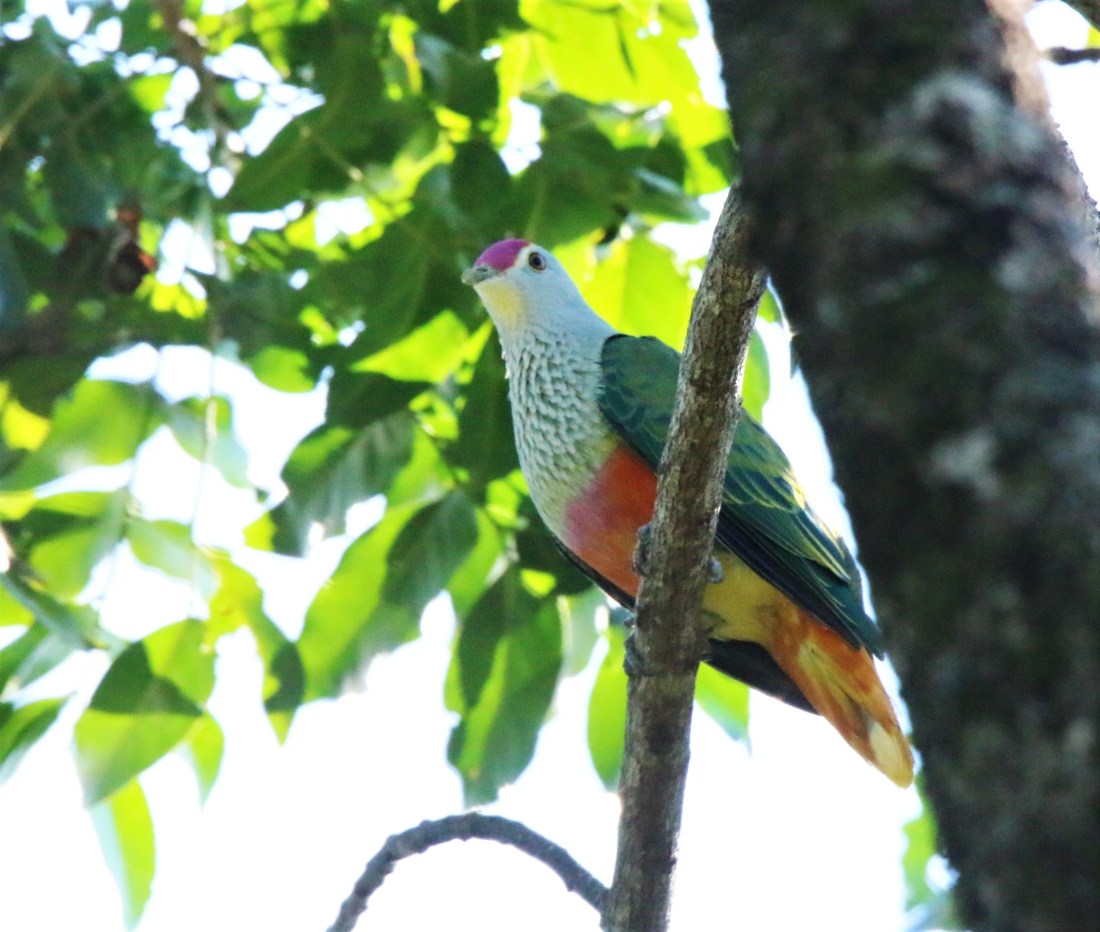


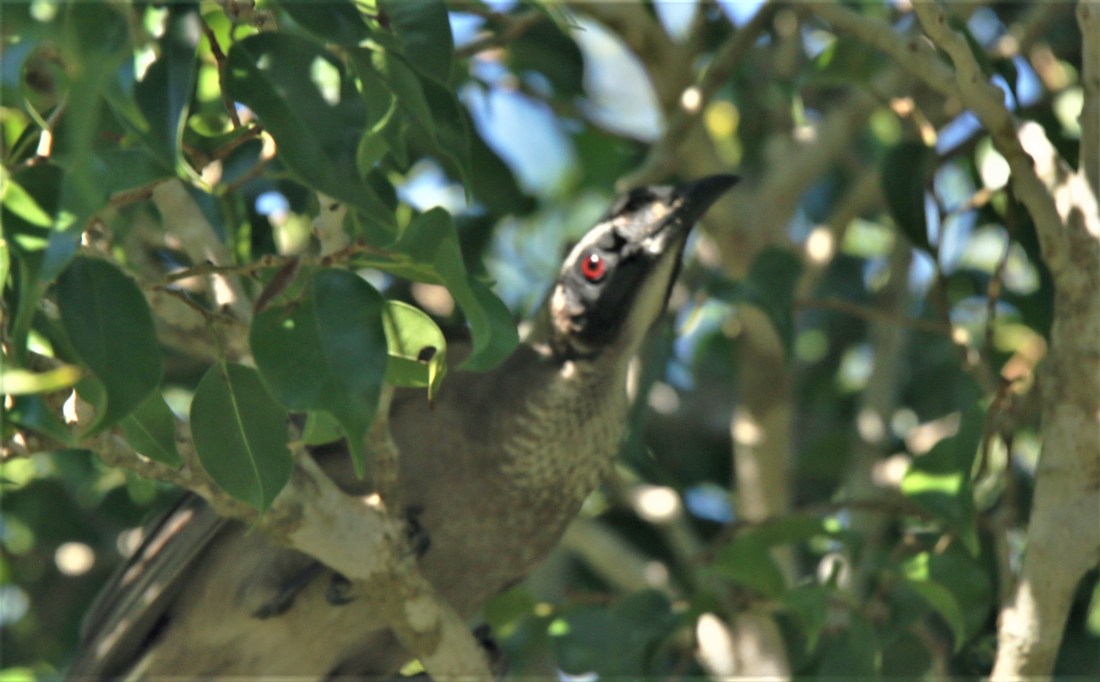 The Helmeted Friar bird (race yorki) is unique to the Qld coast from Gympie to the top of the Cape. There are two other small populations at the top of the Northern Territory.
 The White-Breasted Woodswallow, the largest of the the family, is found over the eastern half of Australia, but would be on the northern-most edge of its habitat around here.

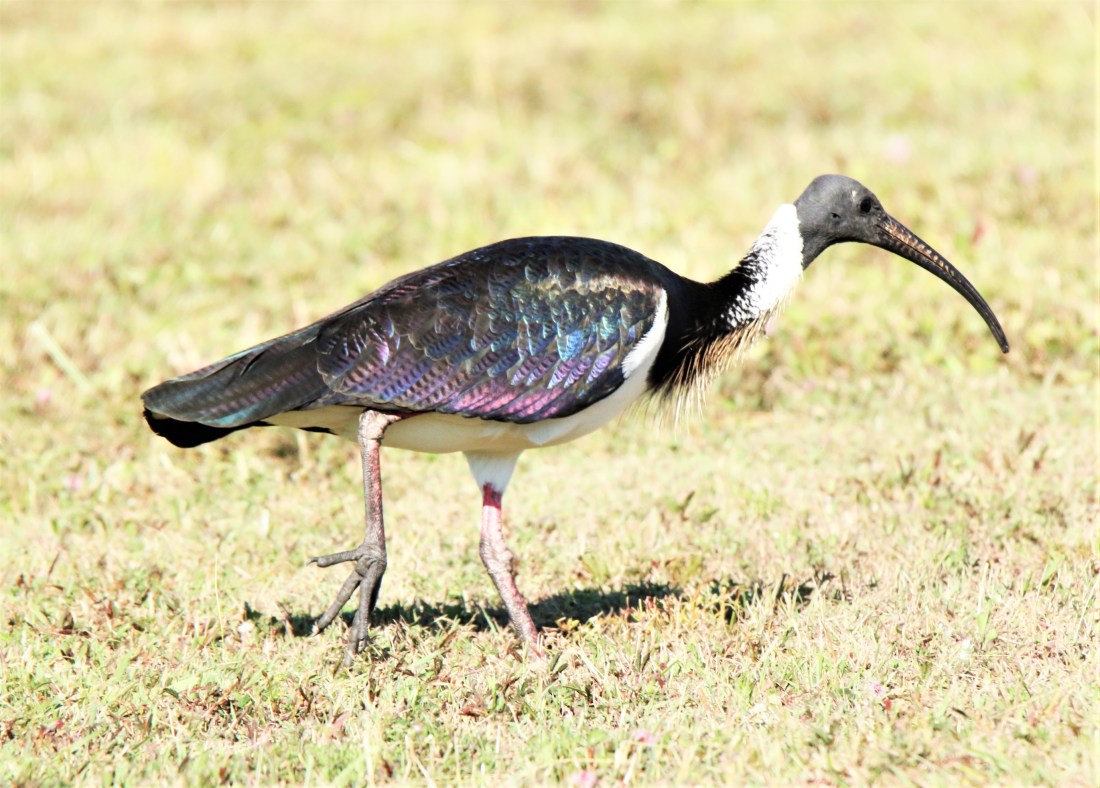

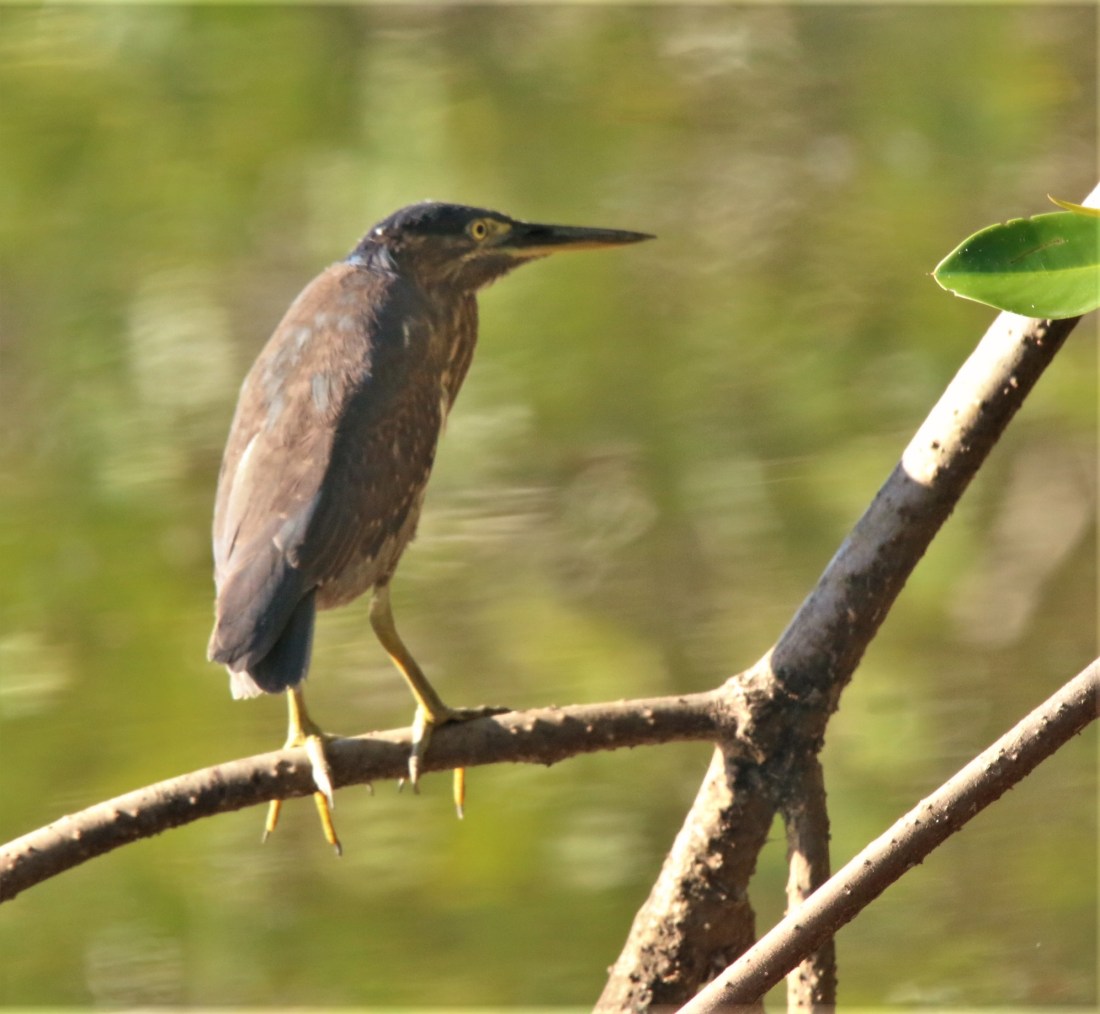


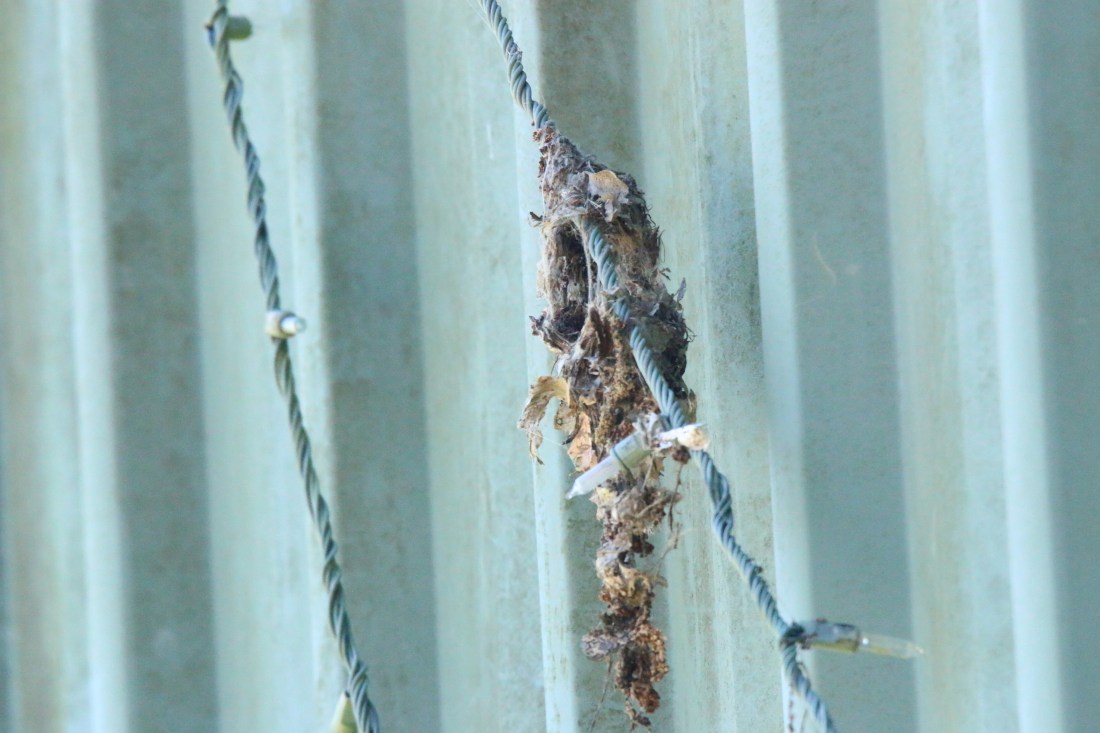
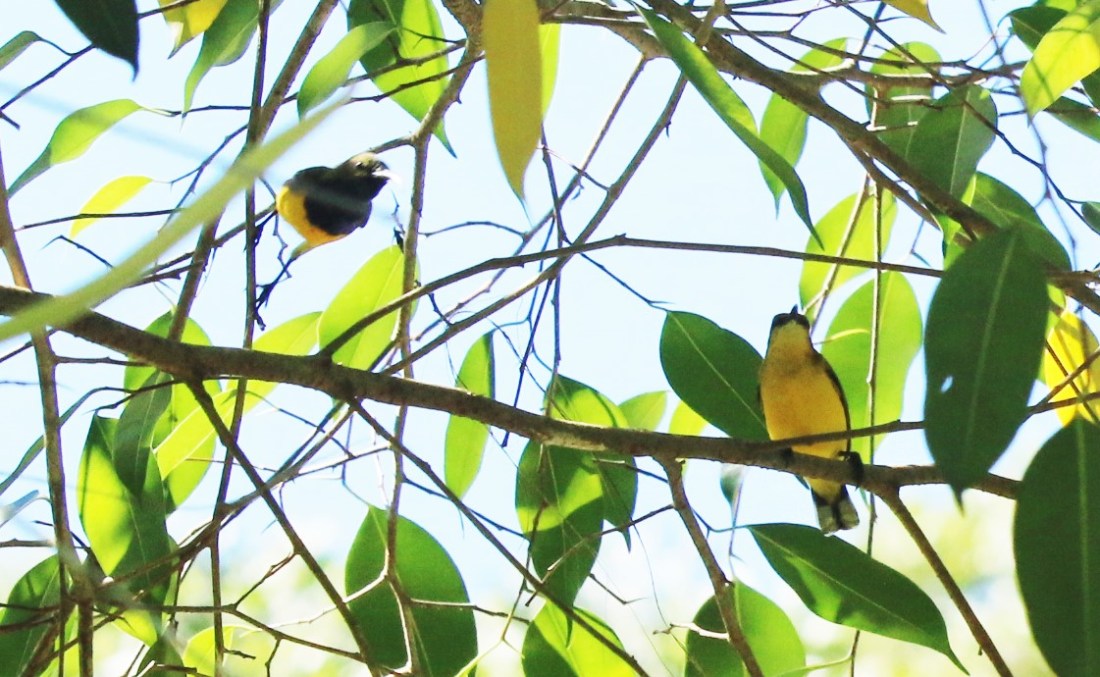
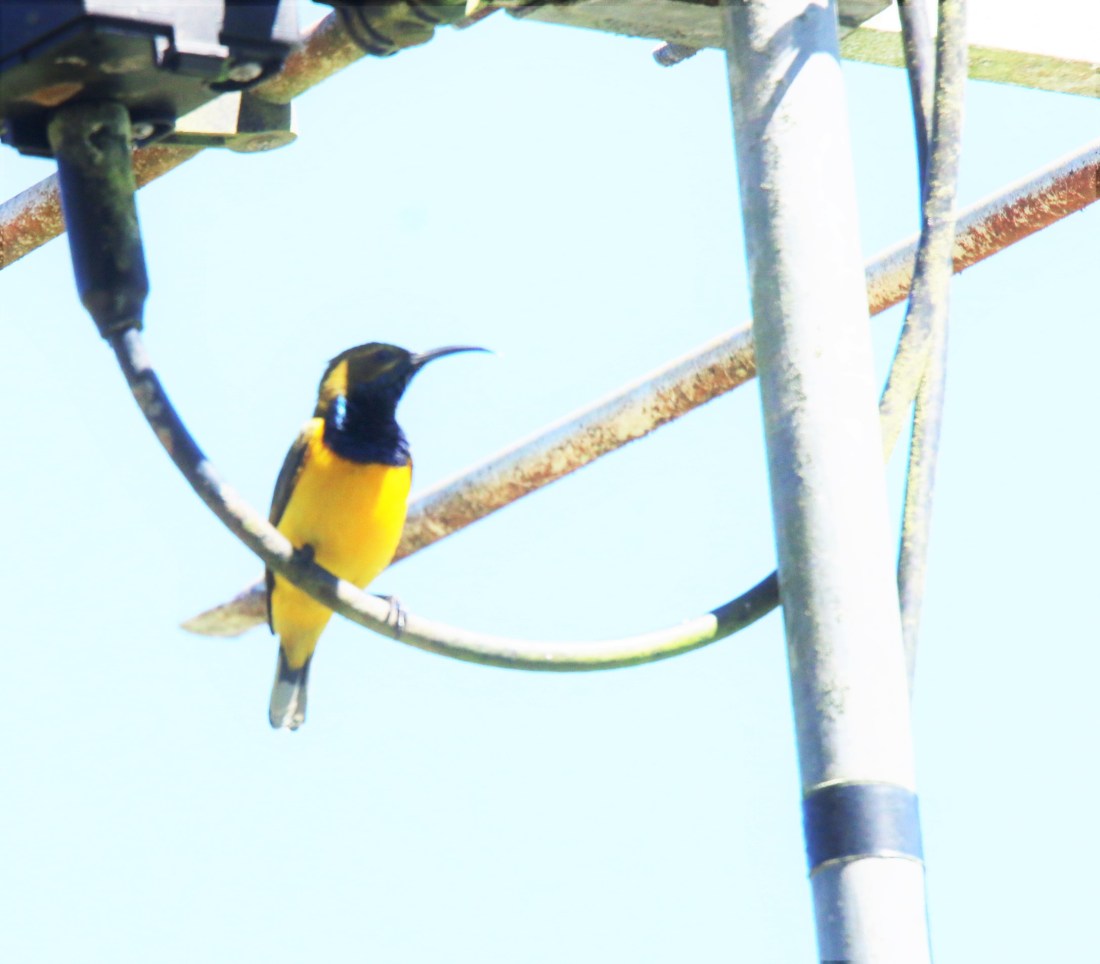


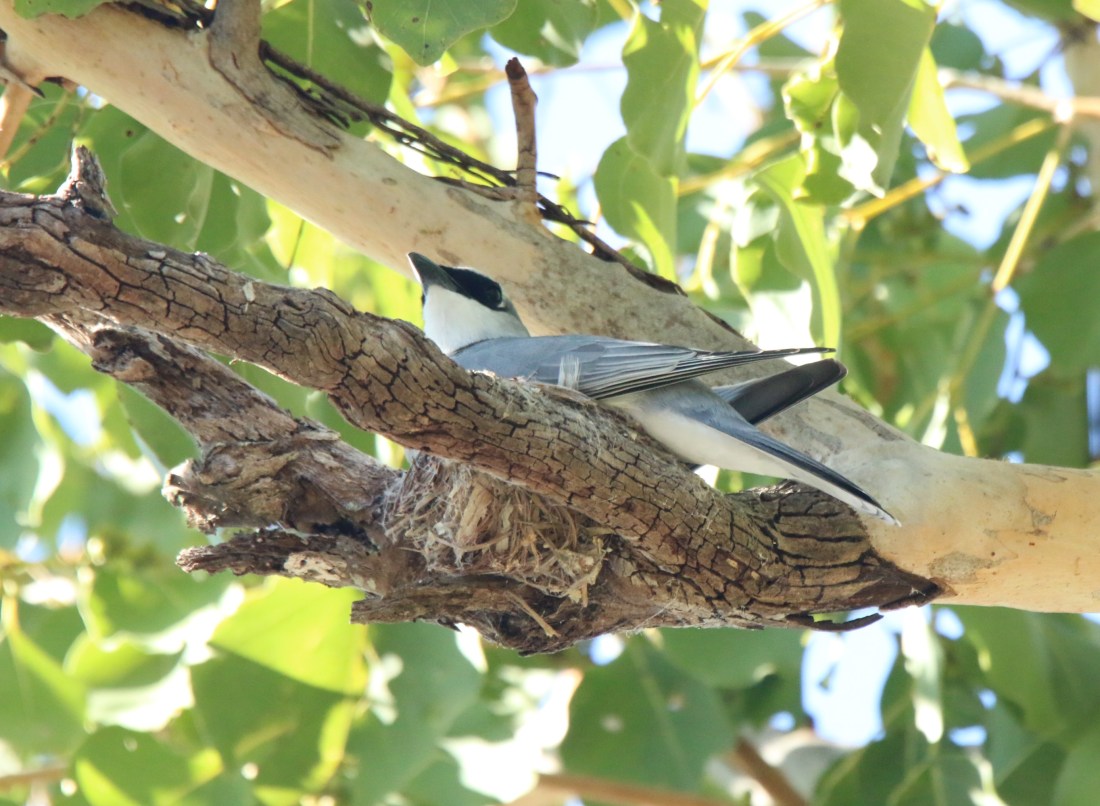
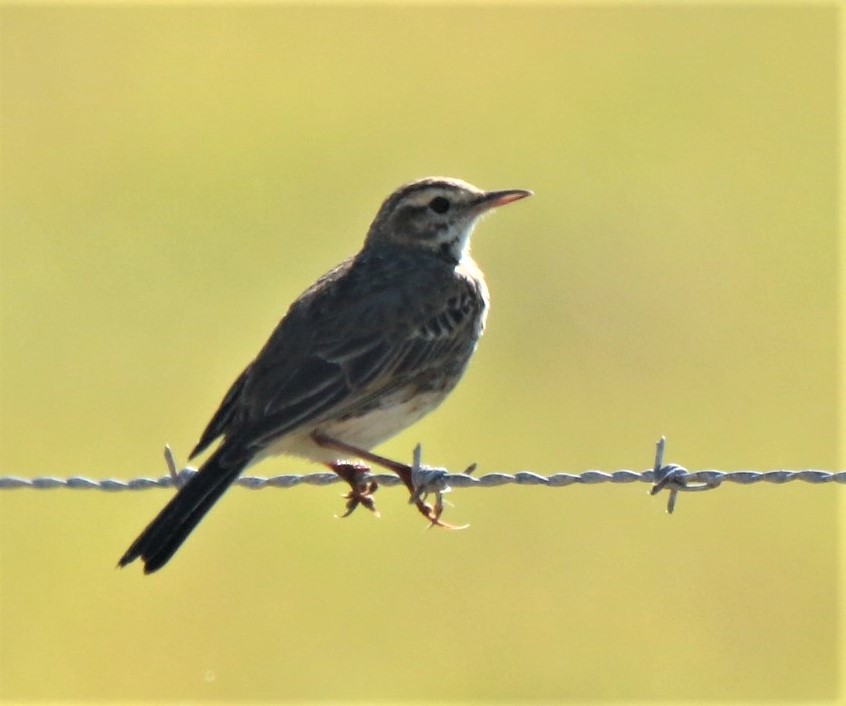
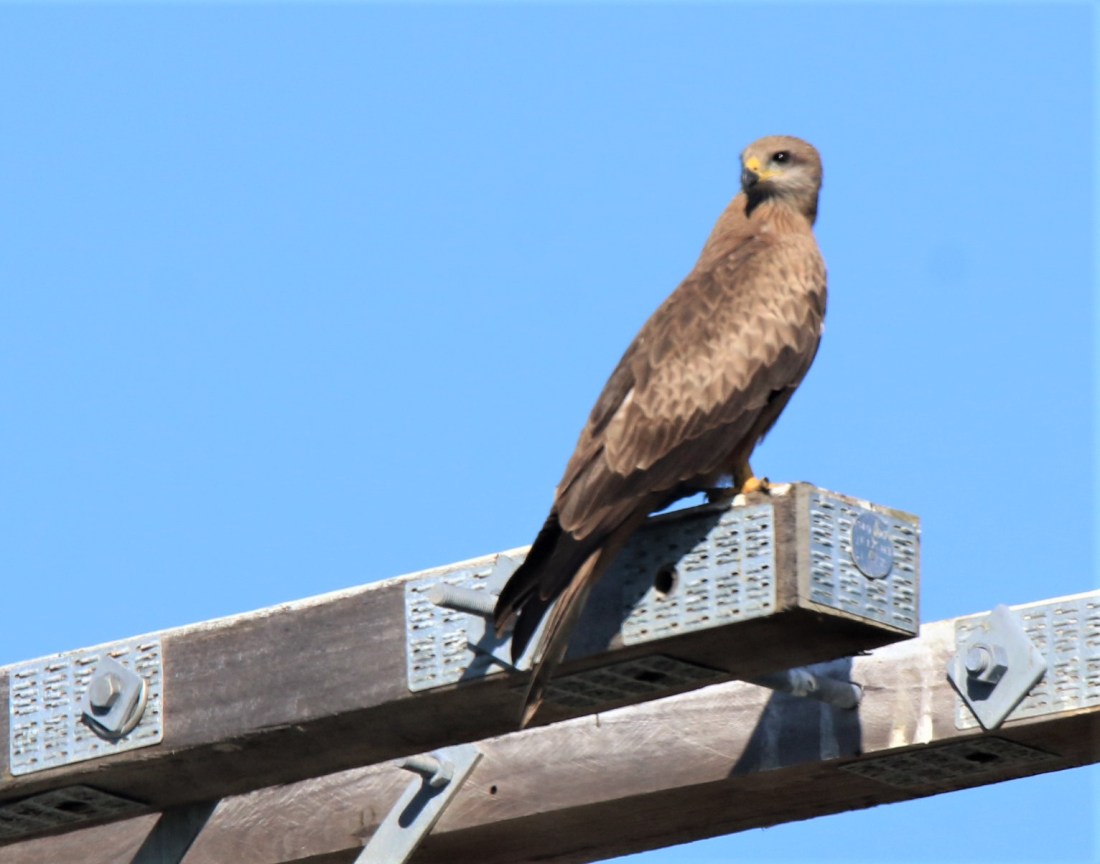


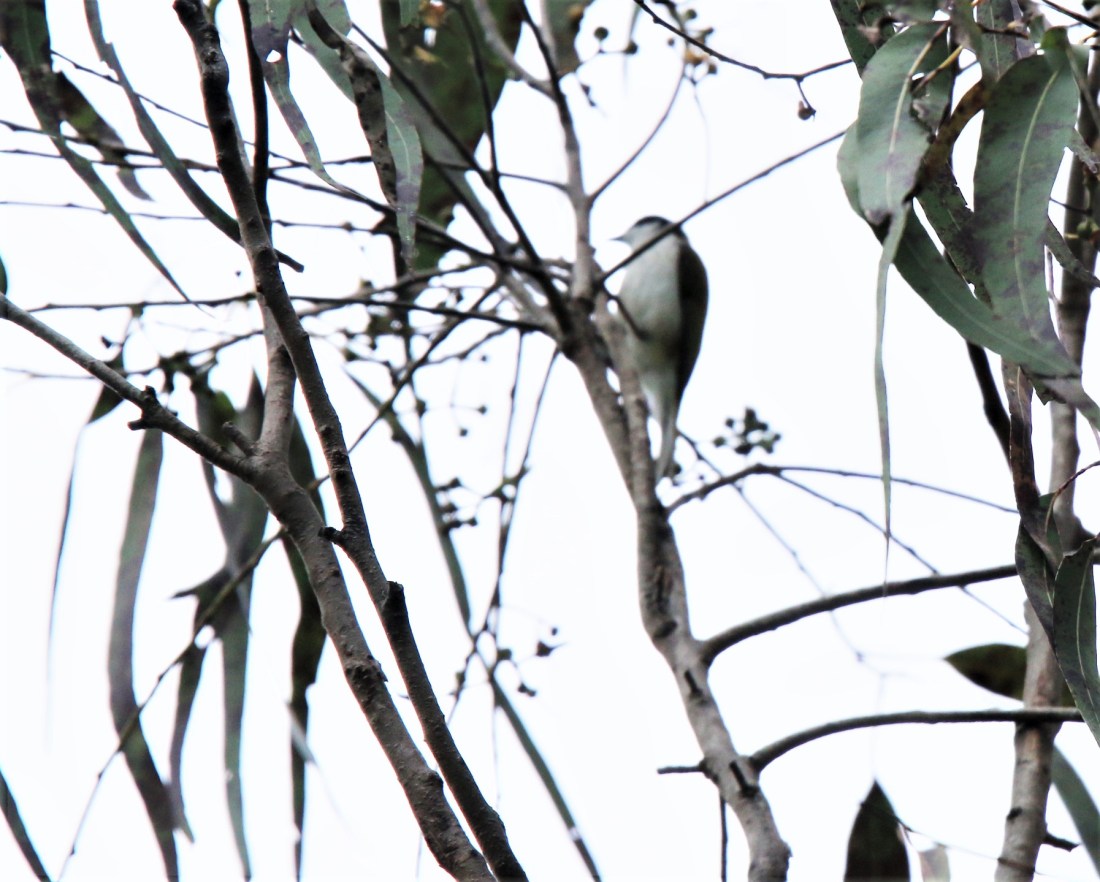 Another new one was the Bridled Honeyeater. Their behaviour was fascinating. They were lying spread out with wings raised on bare dirt in the sunshine. The state of the pieces of dirt showed that this was a much repeated activity in the same spots.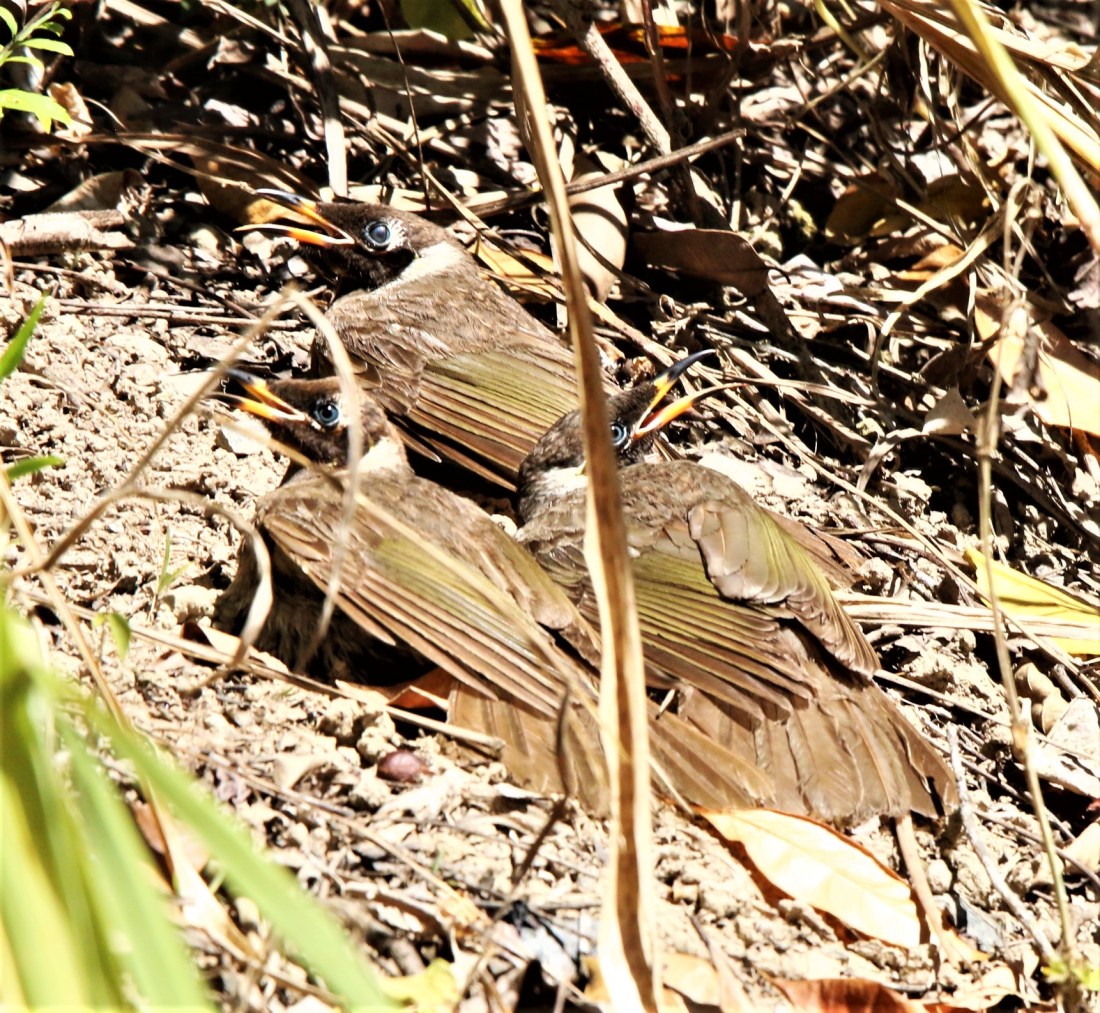


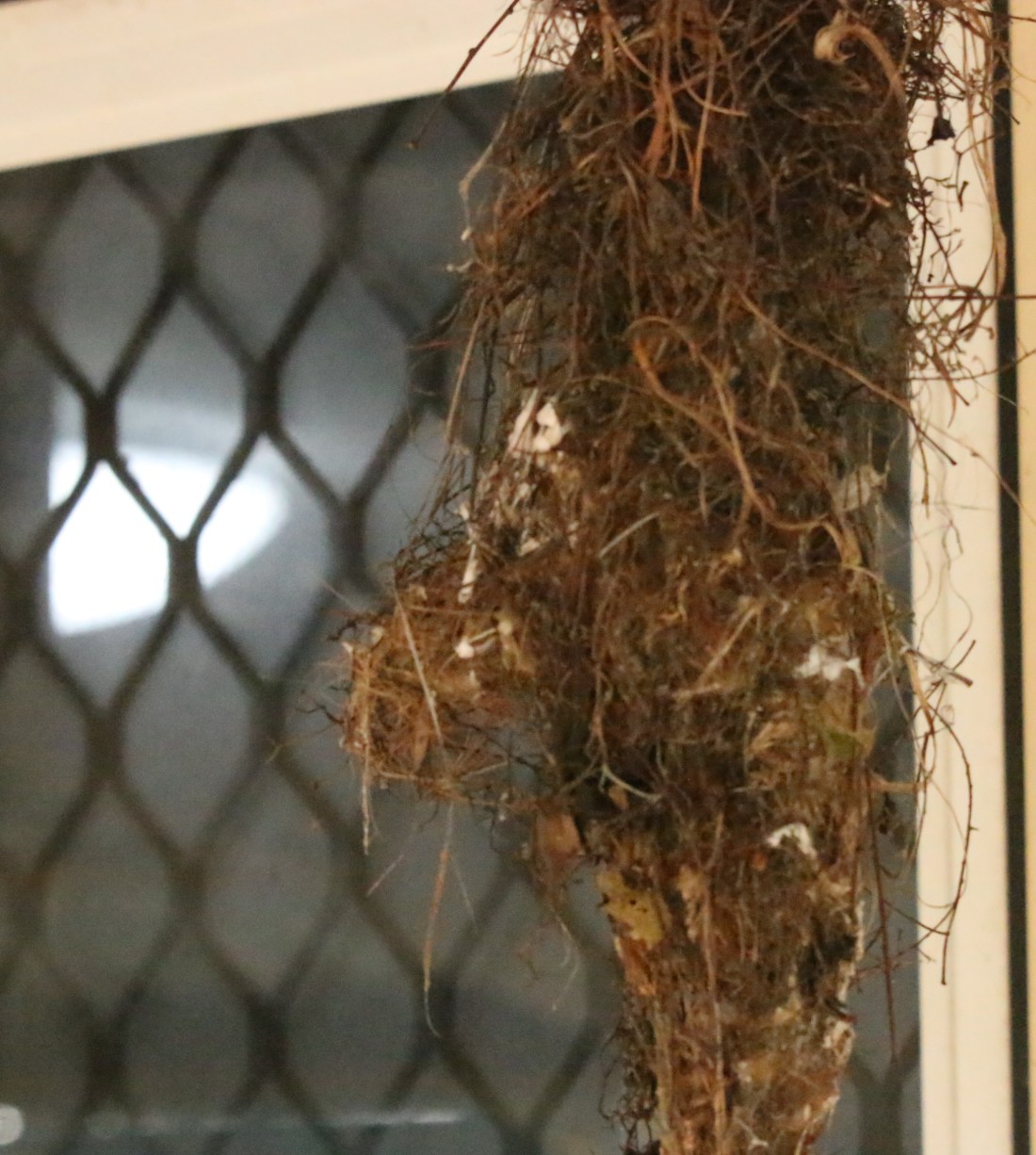

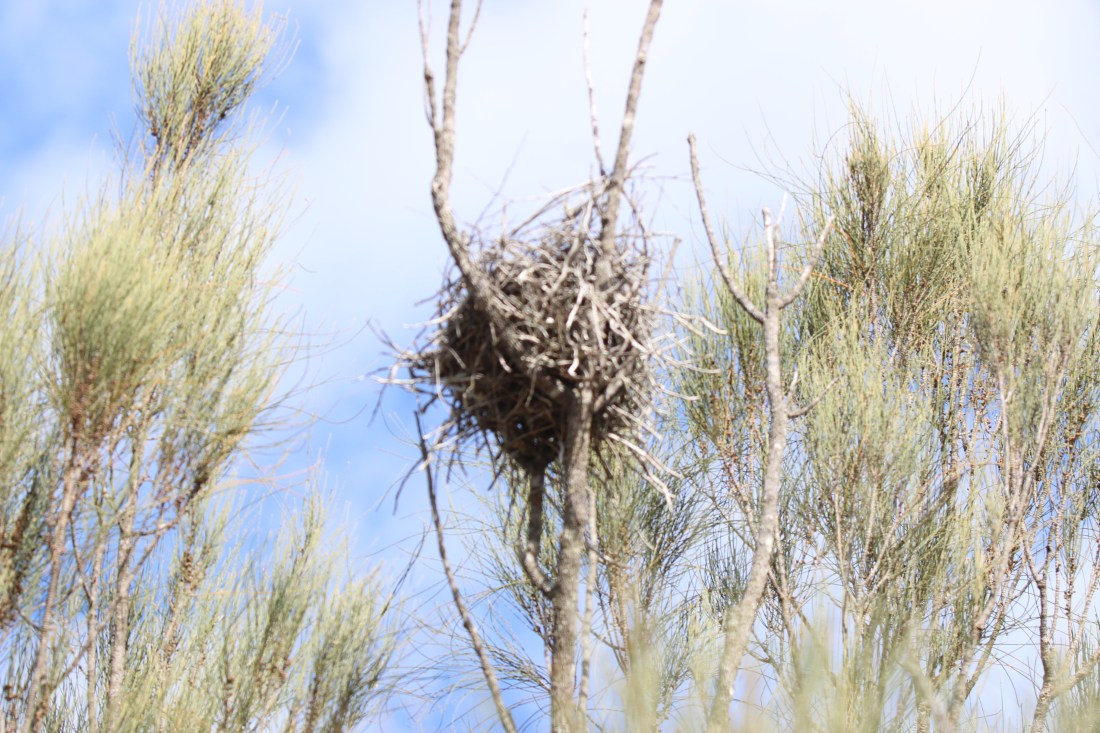


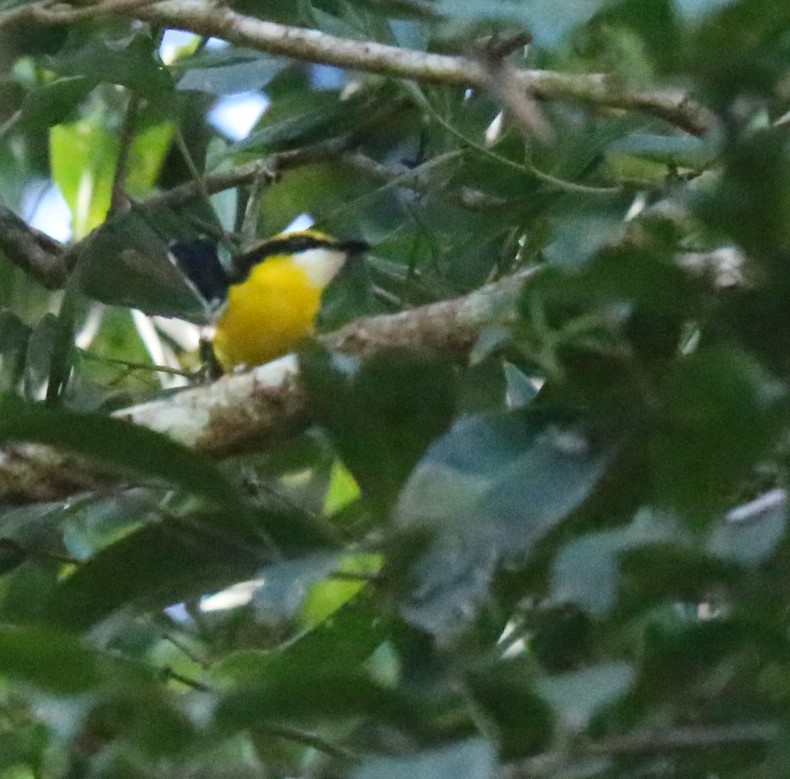


 and Grey Whistler (these tend to go in and out of foliage at the same level):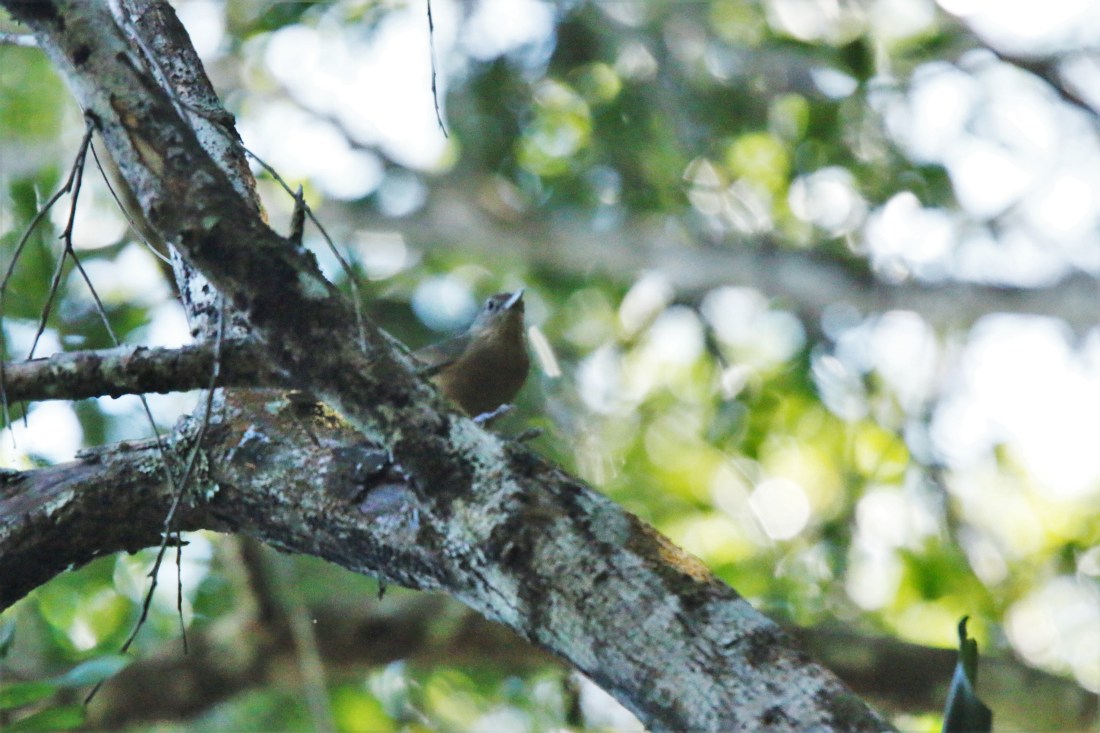

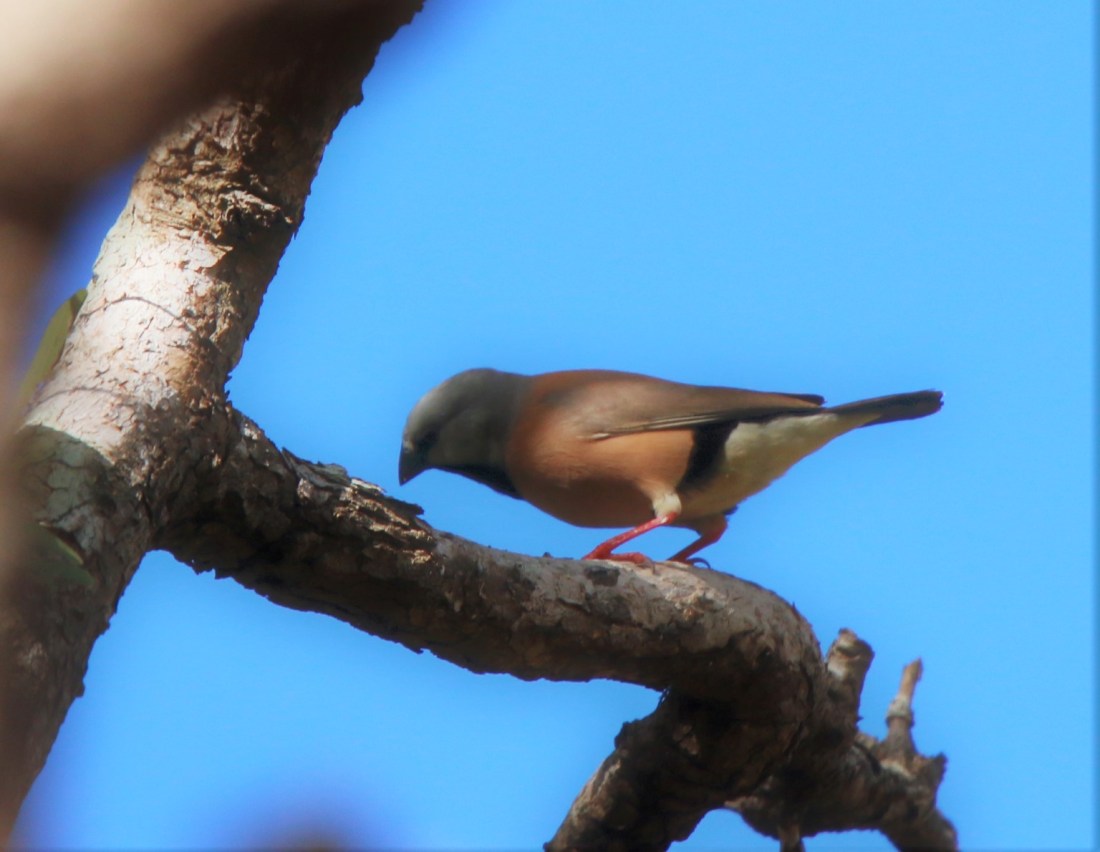
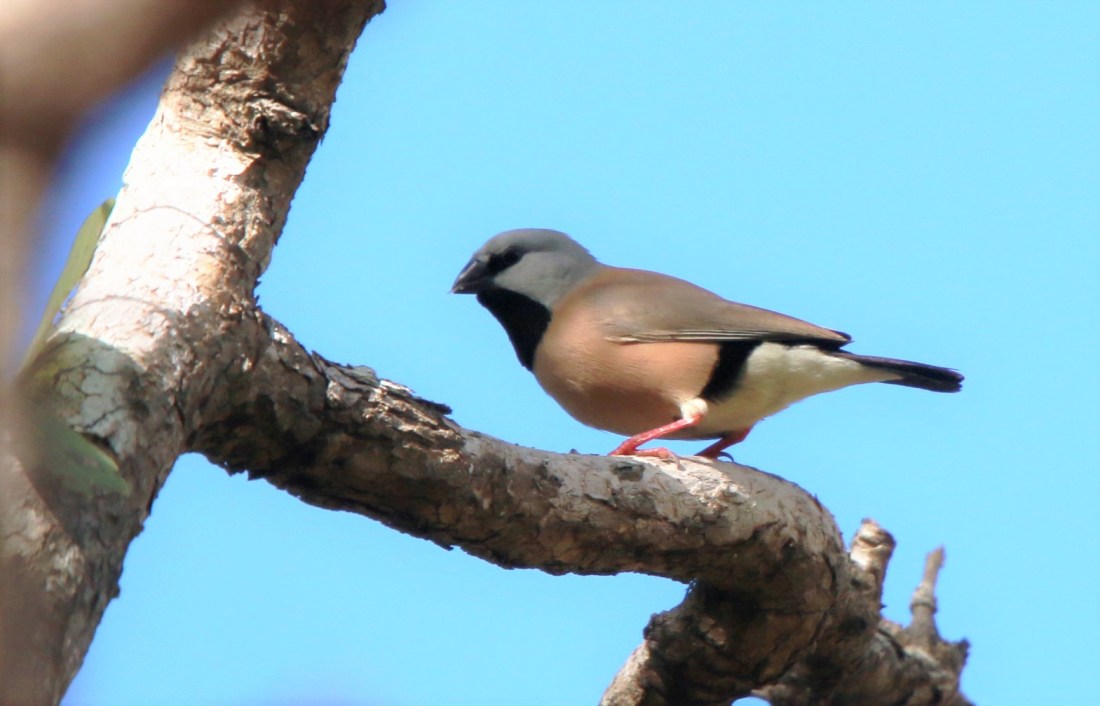


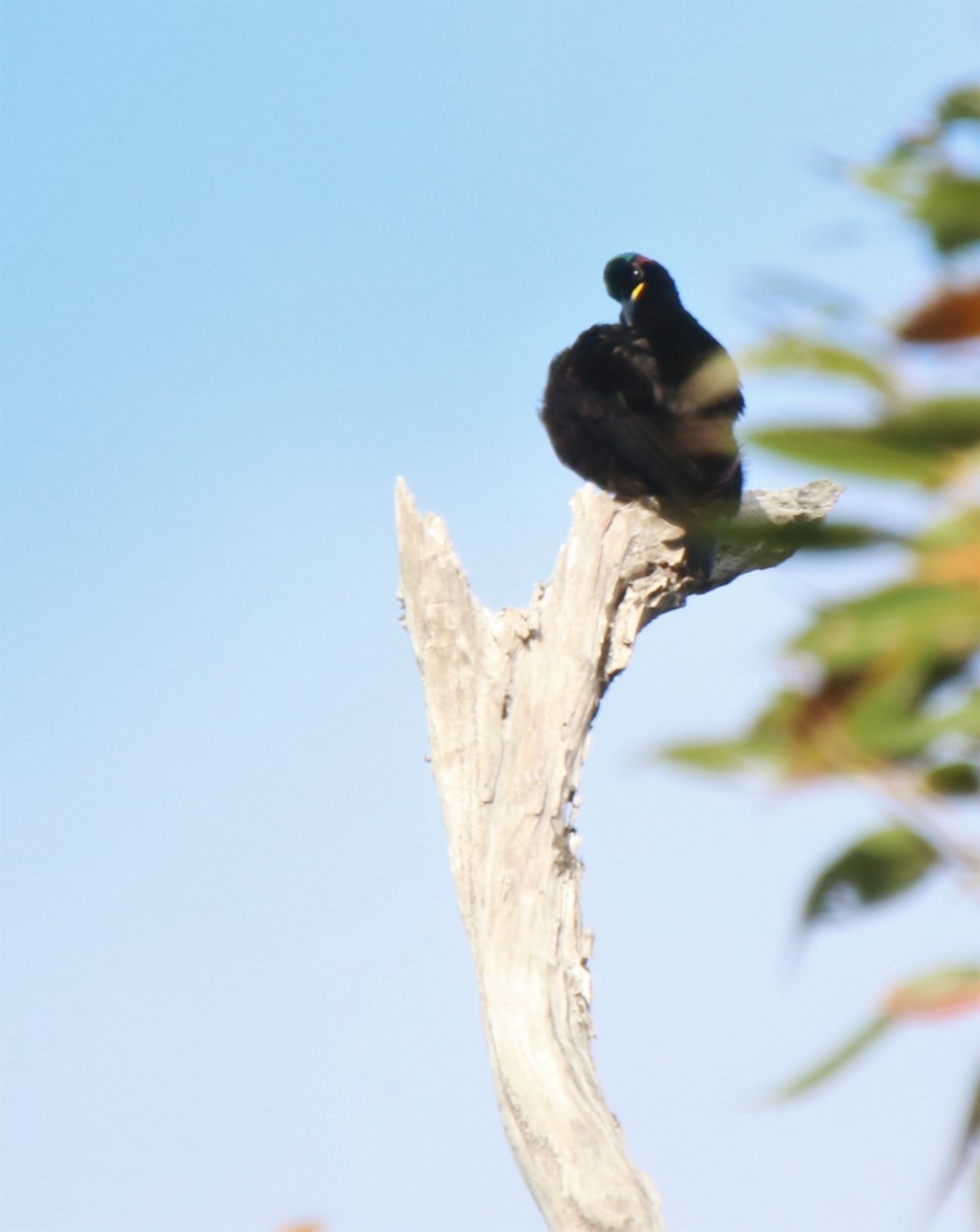
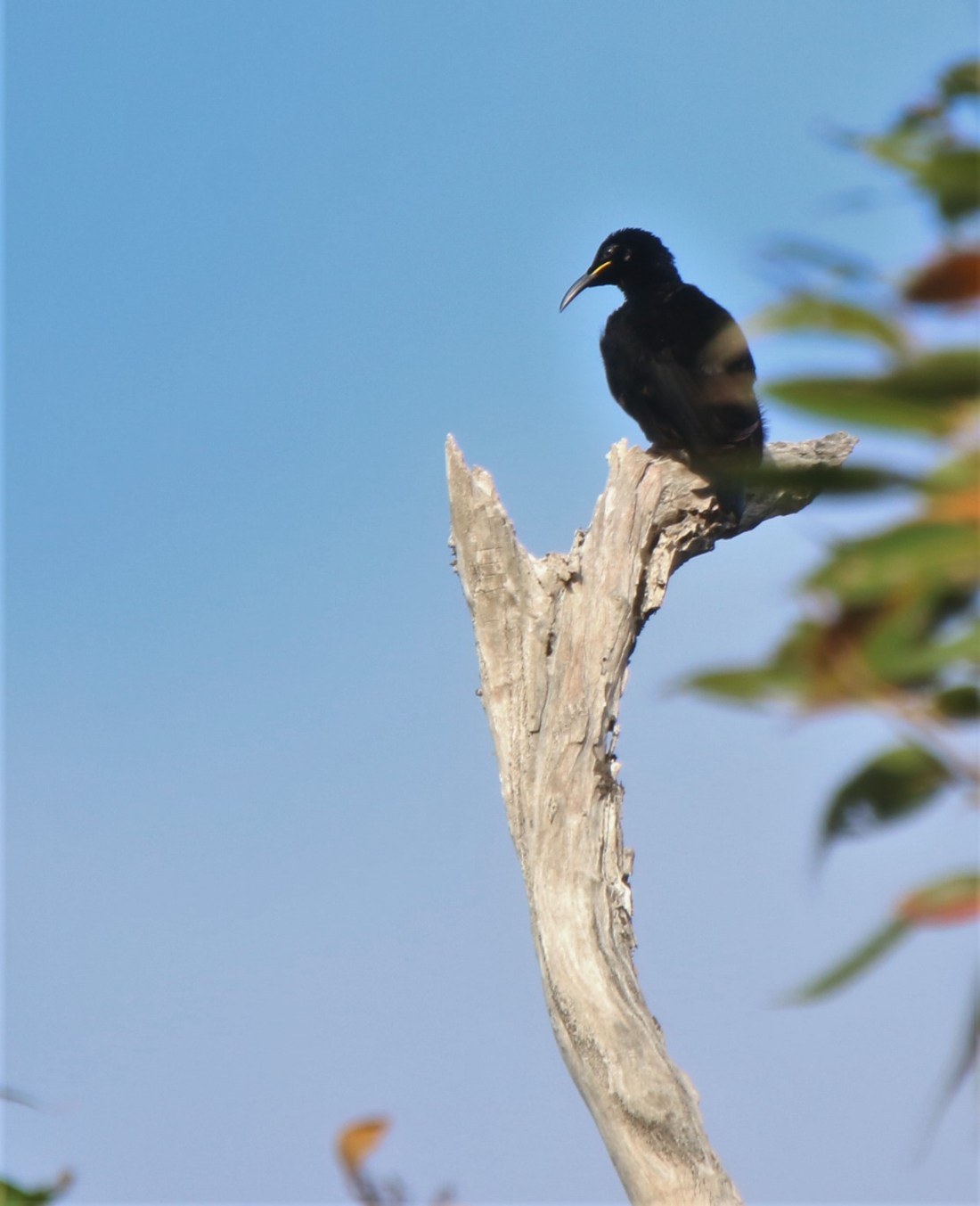
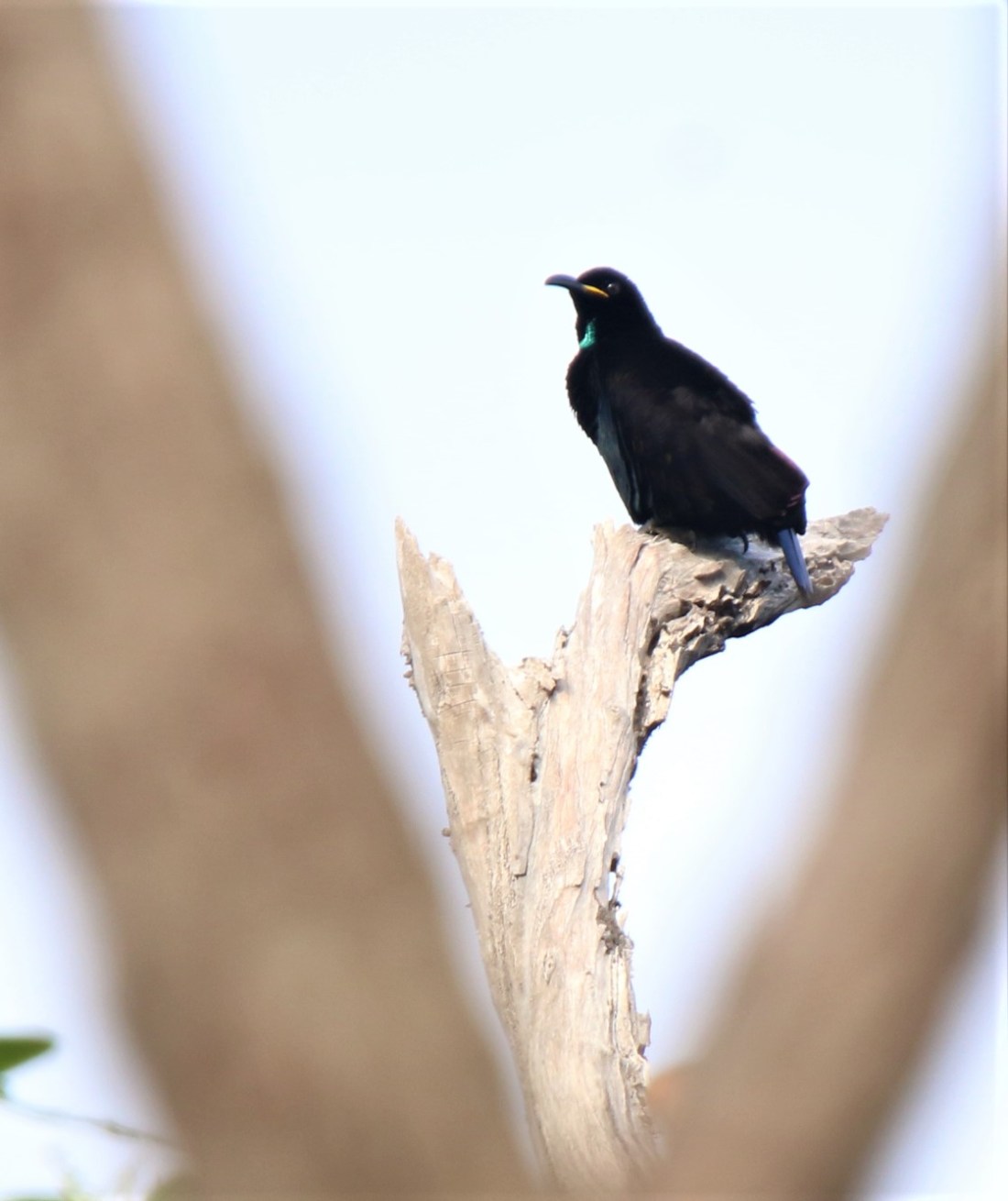


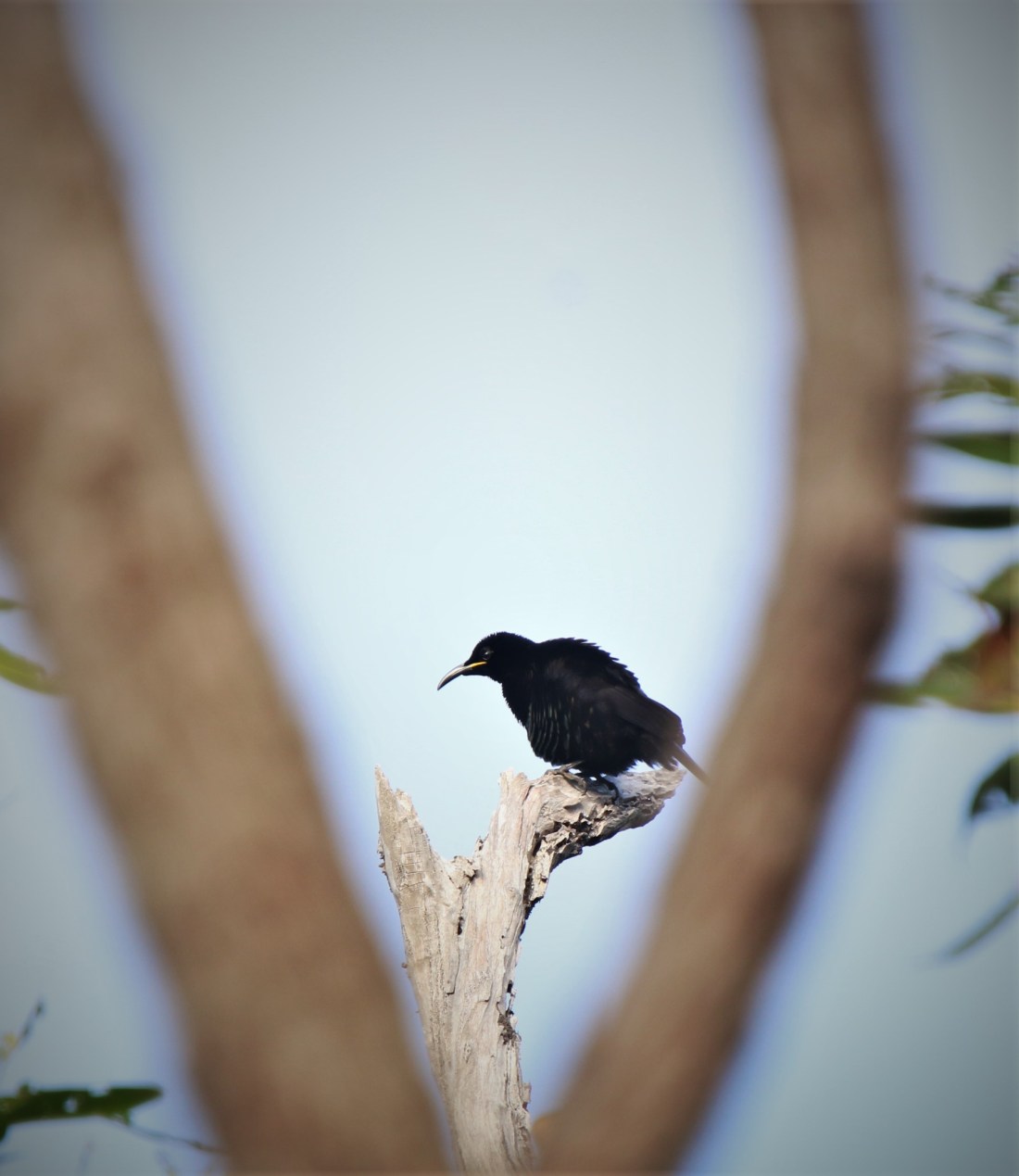 We heard at least five different male Victoria’s Rifle Birds over a few hours.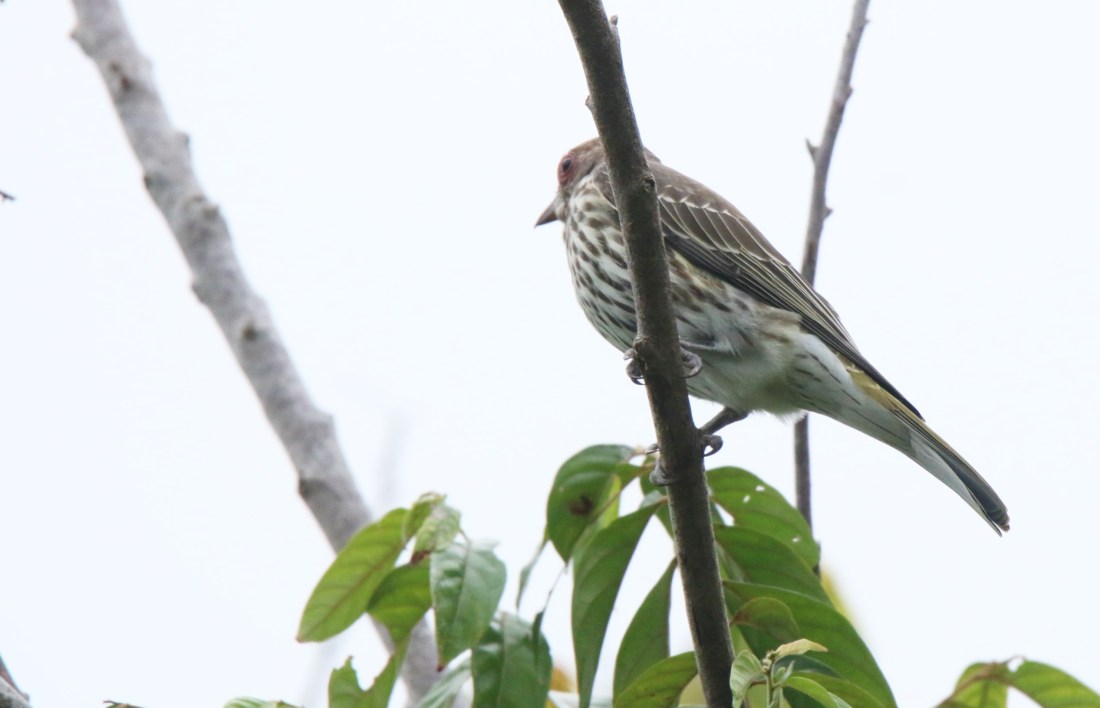
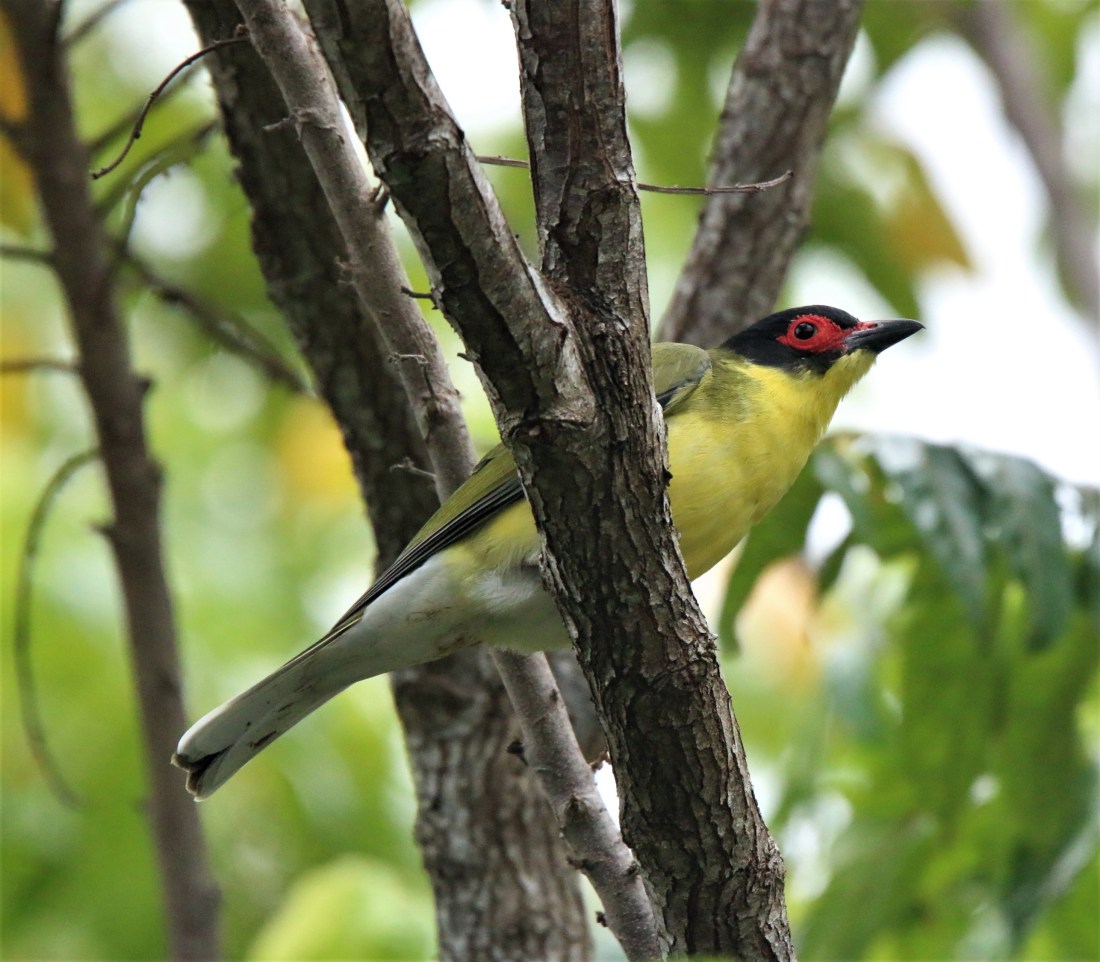
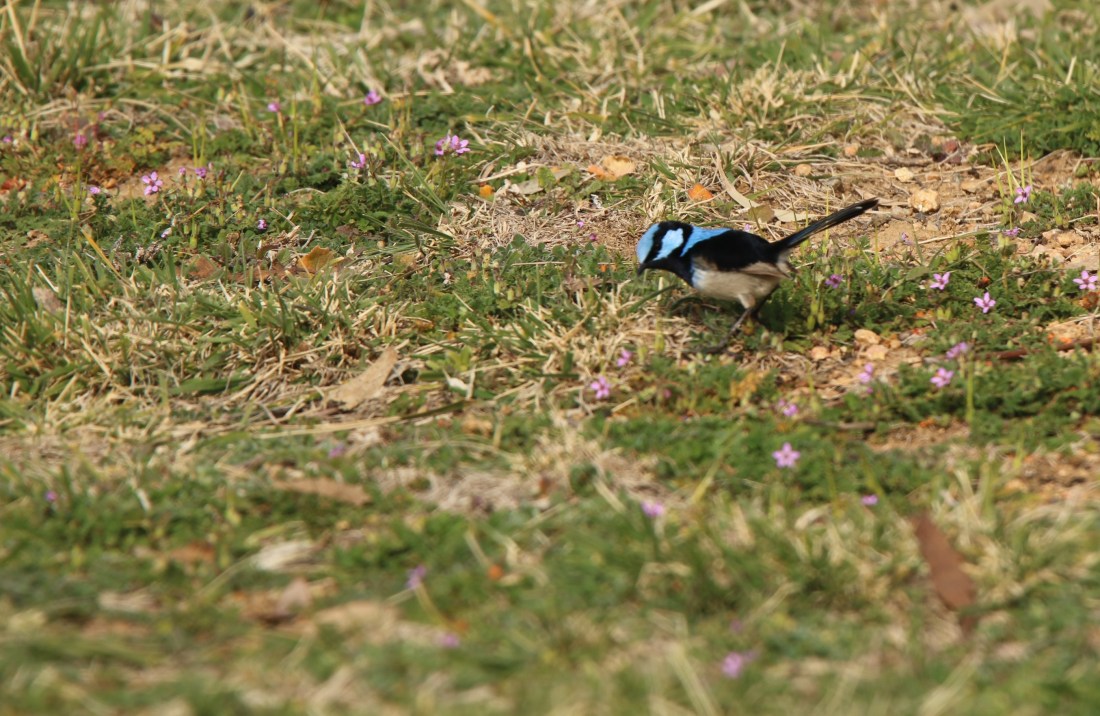
 As with the Riflebird and the figbird, this is the first sighting of the Lovely Fairy-wren, the male having the fuller blue face, and the female the white spot at the beak base.


 One of the best ways to understand the Daintree is to take a Dreamtime walk at Mossman Gorge with an indigenous host who knows what is there. We went deeper into the forest past where the mass of tourists go. I learned lots about how the Yalanji lived for so many generations in sympathy with their land.

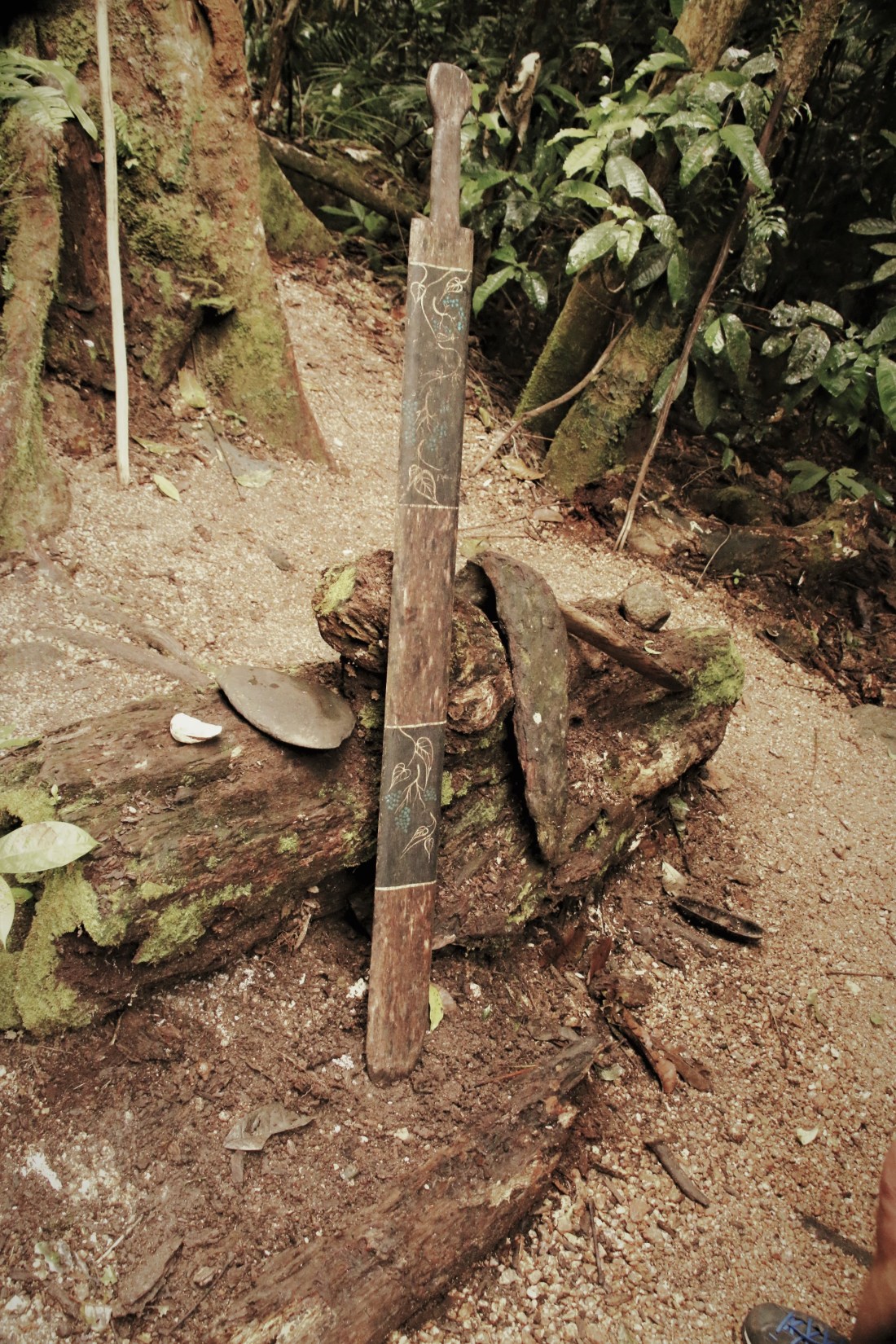 The first item is a shield/food tray/baby carrier; the second is a nut which is toxic unless ground and cooked, with the quandong; and the third cricket bat looking object is a digging stick. We also saw the different boomerangs, the narrow lean returning one for the open country, and the thick club like one for bush-stunnings.
 Was a truly beautiful forest though, with vegetation vying for survival: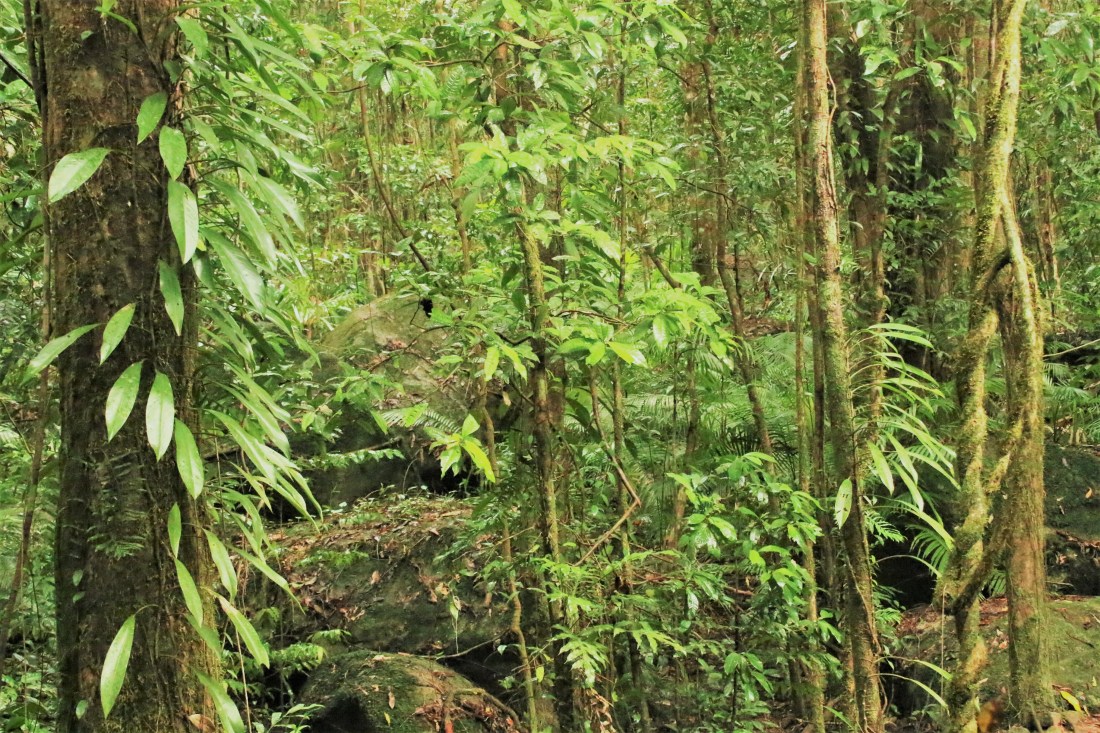
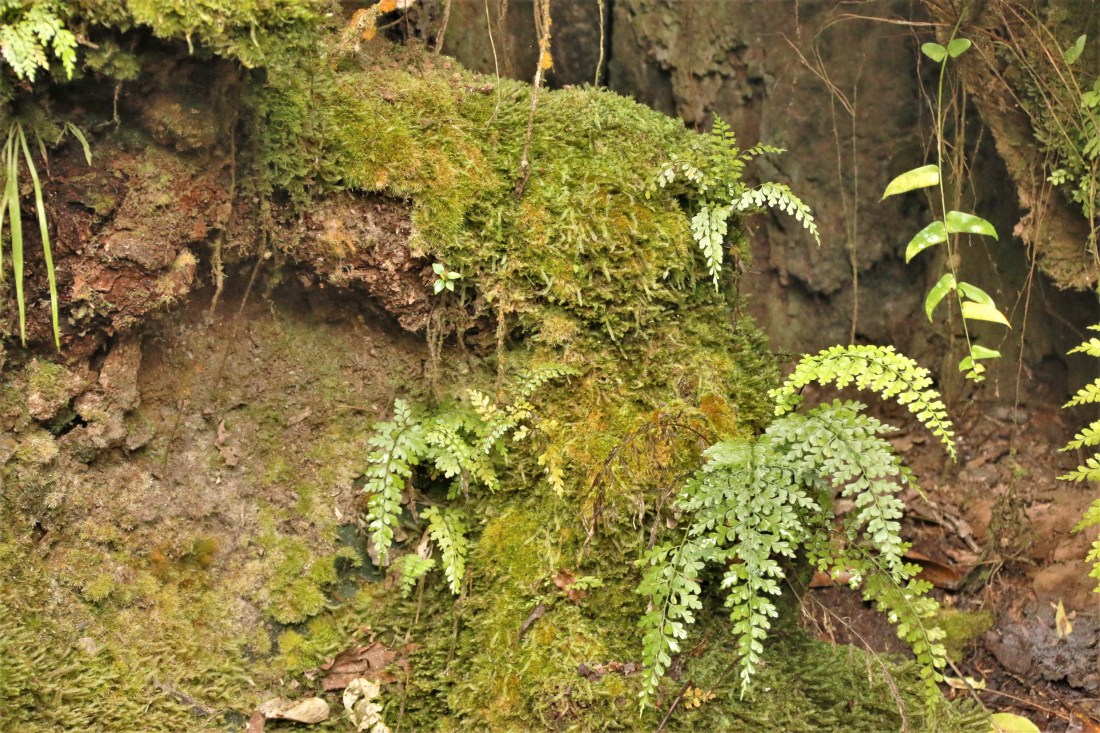
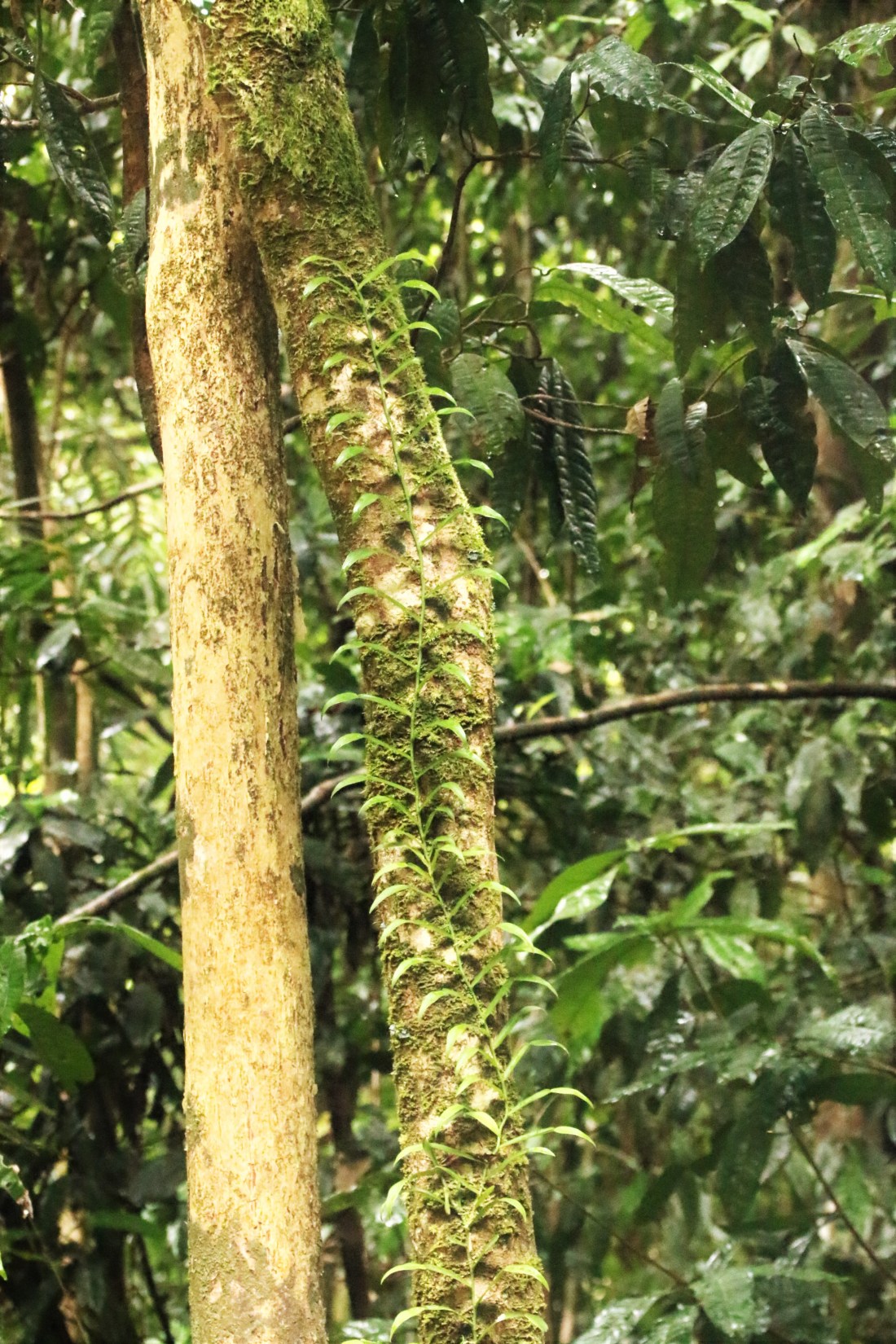
 And lots of fungi of course:


 Michael Monaghan Photography