
I have been fortunate to get to the south-western tip of Western Australia a couple of times. A magnificent area for trees, rocks, sea and birds.

Lots of photos in this re-visit with less commentary, or you will need another glass.
The isolated Little Penguin was unsuccessfully trying to scale this rock for the whole 20 minutes we were there. No idea why, and success looked increasingly unlikely. The slideshow shows the unlikely journey.
Both Carnaby’s and Baudin’s Black-Cockatoos are found only down in this small area in far south-west WA. First the Baudin’s with the elongated beak:


Then the Carnaby’s:


There are also Red-Tailed Black-Cockatoos:


This was the first sighting for me of the Bridled Tern.


Terns often mingle across sub-species so it can be hard often to distinguish them. This is a young Crested Tern.
Of course, there were millions of sea- and shore-birds. In order right to left, then down, we have a juvenile and adult Pacific Gull; ubiquitous White-Faced Heron; Australasian Darter (3 photos); Little-Black Cormorant; Pied Oystercatcher; and Great Cormorants.


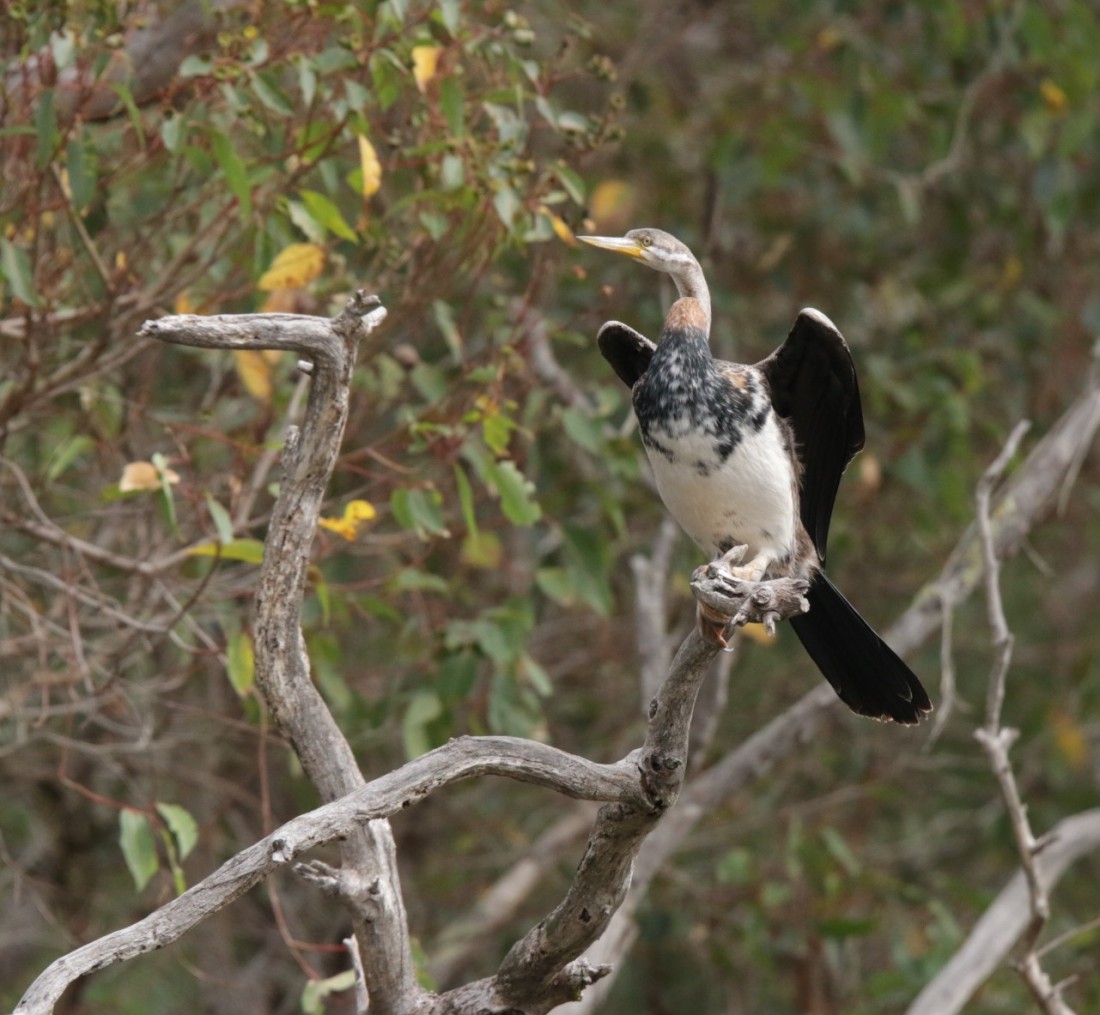


High on a rock, rarely moving, and looking somewhat forlorn, was a Southern Fulmar, which would not normally be here at this time of the year, so perhaps lost and forlorn.

Below, from the top,we have a Hardhead (a bit out of its normal range); Australasian Grebes (breeding – male is left, fem right); Hoary-headed Grebe; Chestnut Teal; and Grey Teal.


This area is famous for its giant forests, and they certainly were impressive.
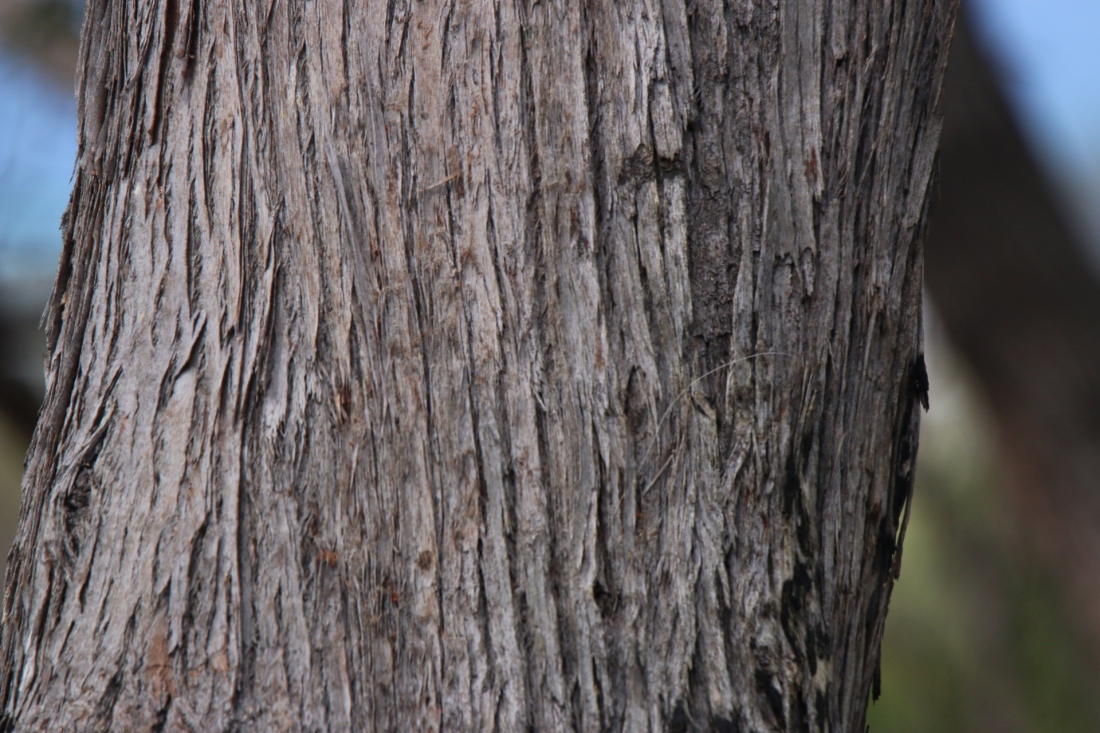


The rocks were impressive, whether in the water or out of it. First, in the water, with various exposures to feature the water too:


With the forests and proliferation of wildflowers, there is a wide variety of forest birds, a number of which were first sightings for me.
First, lots of Honeyeaters, with Brown, then White-cheeked, and lastly the New-Holland.


Although the Australian Ringneck Parrot is fairly wide-spread, this sub-species, namely semitorquatus, is only found in this small area. It is colloquially known as the Twenty-Eight after its call, although I noticed that the Twenty-Eight tag was applied to the species more indiscriminately.


Wherever you go in Australia, you can count on being welcomed by the Welcome Swallows, although again the sub-species Carteri is only found in south-western Western Australia. Looks like there are more on the way.


One of my favourite birds (although the group is large) is the Spinebill. Reasonably common in my garden is the Eastern Spinebill. This was the first sighting of the slightly different plumage of the Western Spinebill.


Another common bird in Eastern and Southern Australia, close to the coast, is the Silvereye. This sub-species Chloronotus is again only found in the south-west of WA.

Similarly, the Bilbali sub-species of the Australian Pipit, a bird found almost everywhere in Australia, is only found in this nook.


The wildflowers are also spectacular:


And almost finally, the pure quartz, rather than coral/shell sand with which we are more familiar, is remarkable. And treacherous.


And, finally, I love a good sign. We all know how hard it is to get it right. Tough luck though if it is through this closed at all times door that you need to make the emergency egress.

Michael Monaghan
Re-visited July 2020
michaelmonaghanphotography.com Proud Sponsor of Artsound FM 92.7


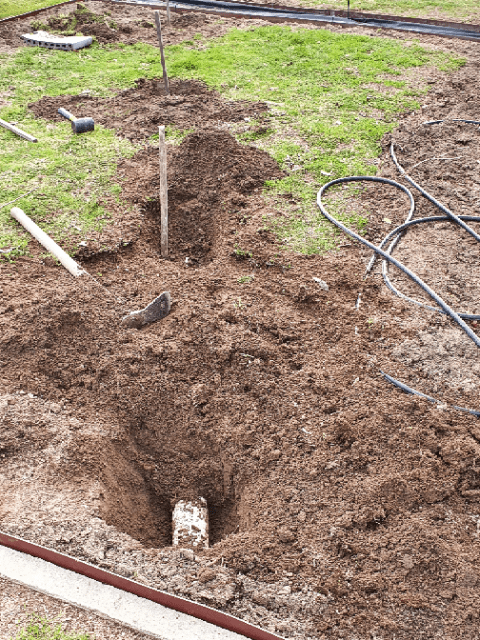 Taking a punt that the drain, like another one running from the other corner of the back garden, was put there when the houses were new, and there were no gardens to absorb the rainwater coming off the ridge behind, I decided to take it out. We will discover next time it pours if that was a good decision – otherwise I might need that punt I mentioned. I have checked I still have gumboots.


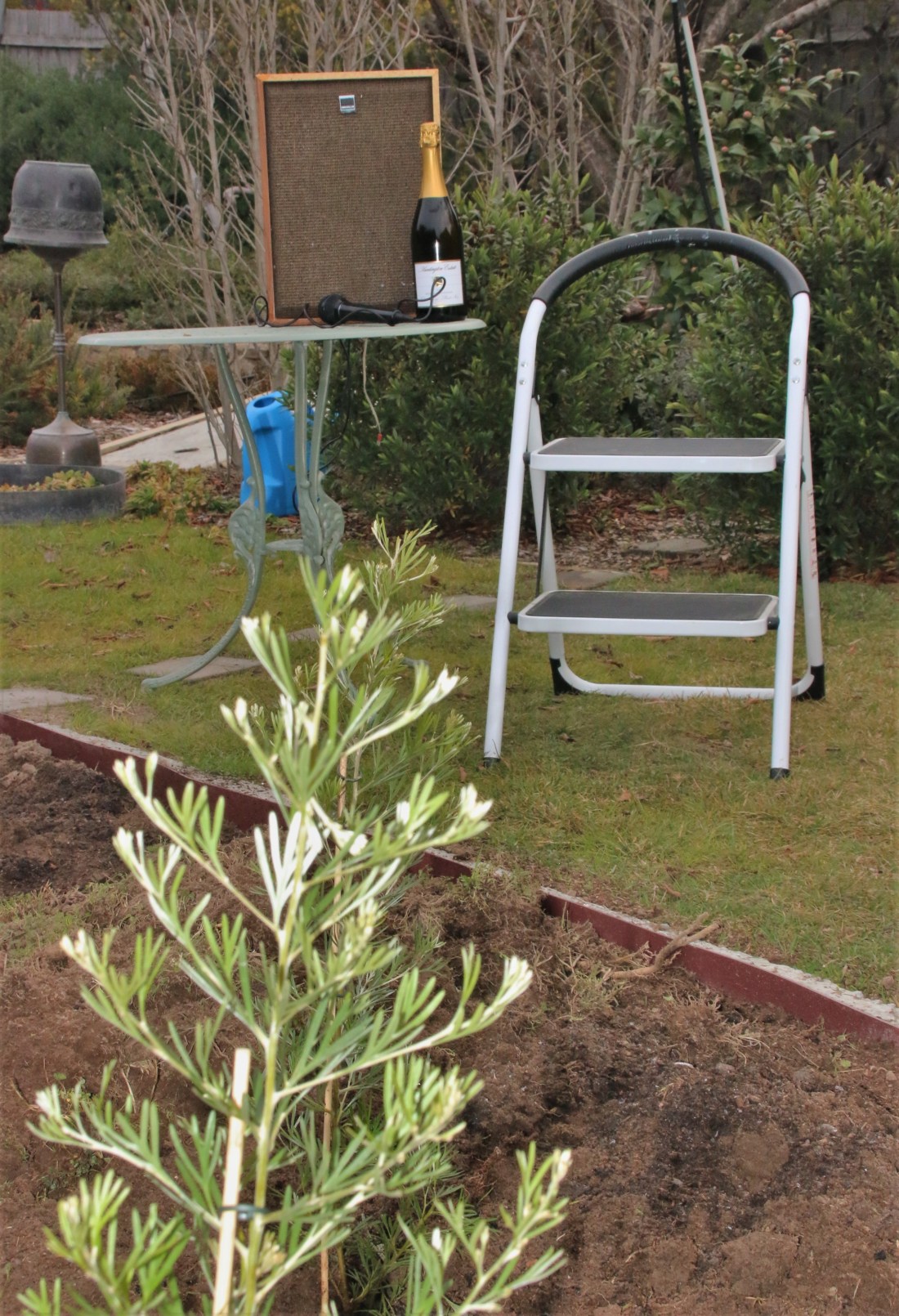


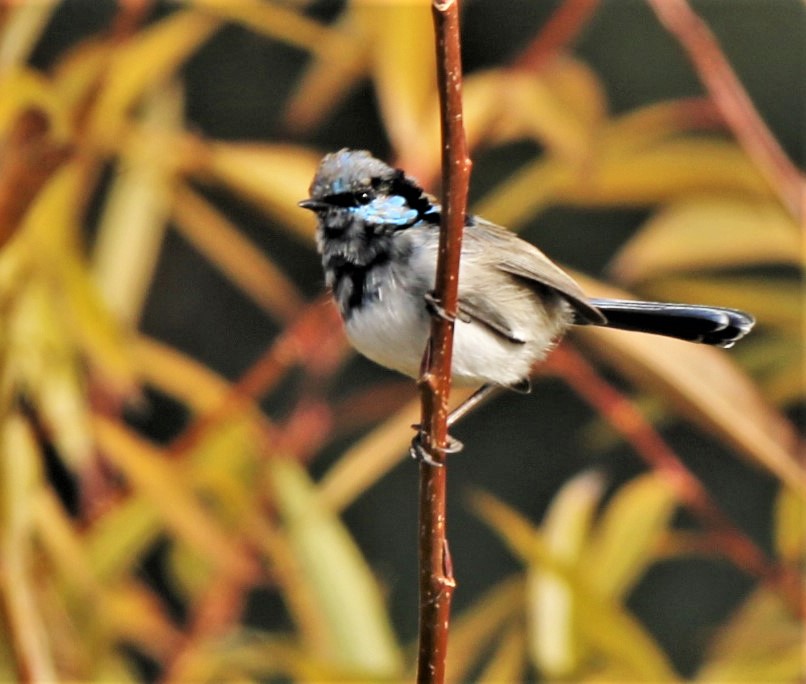


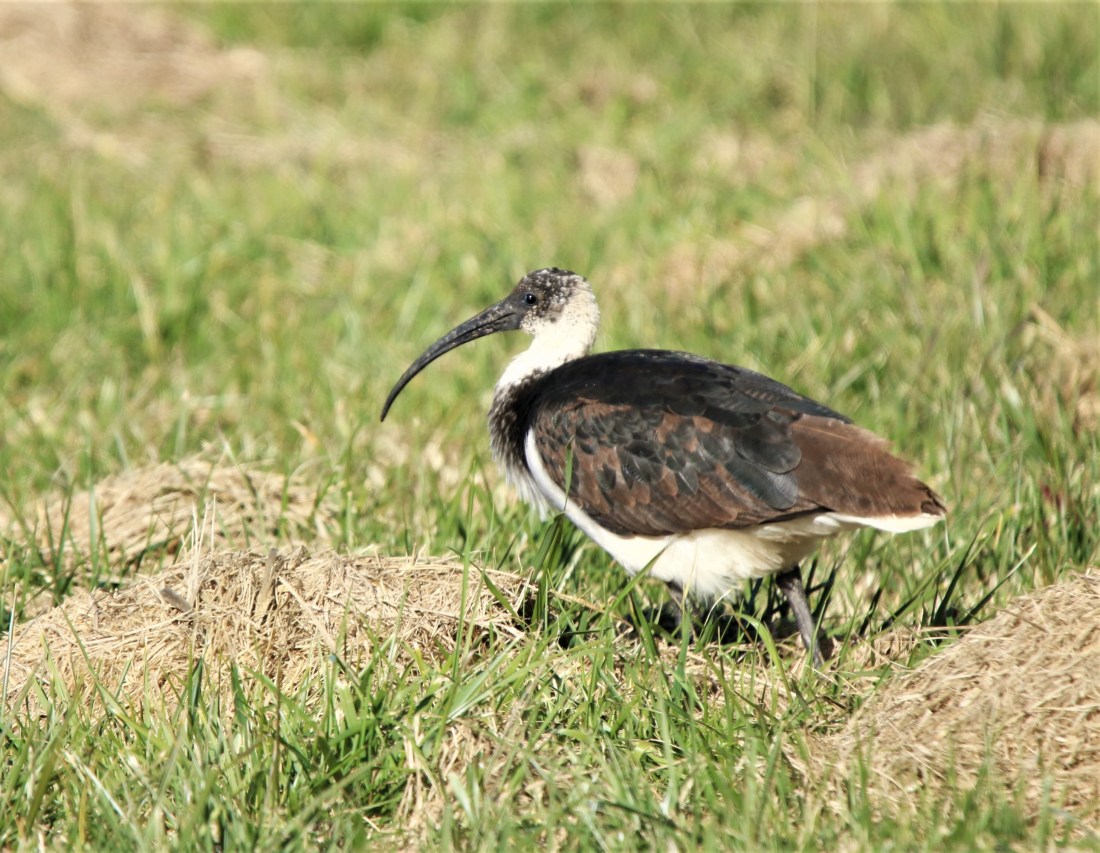 More first sightings anywhere for me were the Yellow-Rumped Thornbill:


 Michael Monaghan Photography