


Michael Monaghan
4 June 2018
Michael Monaghan
4 June 2018
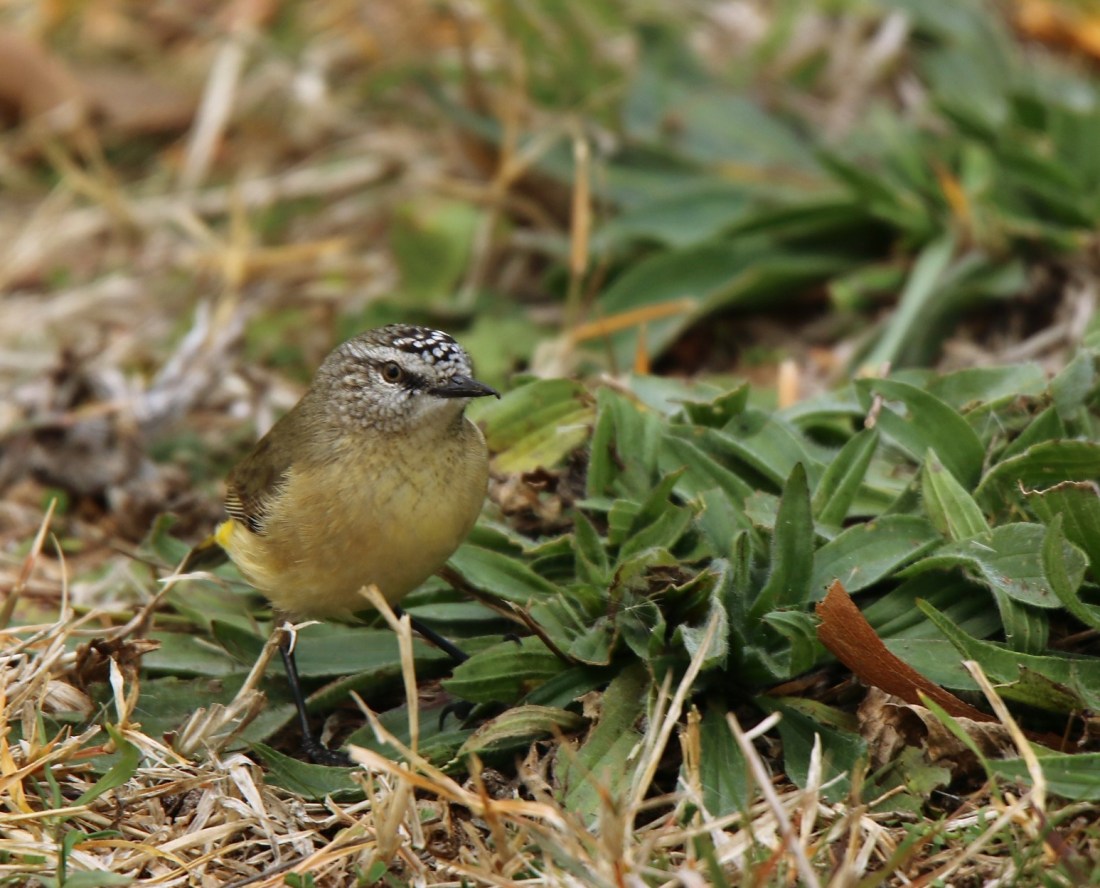
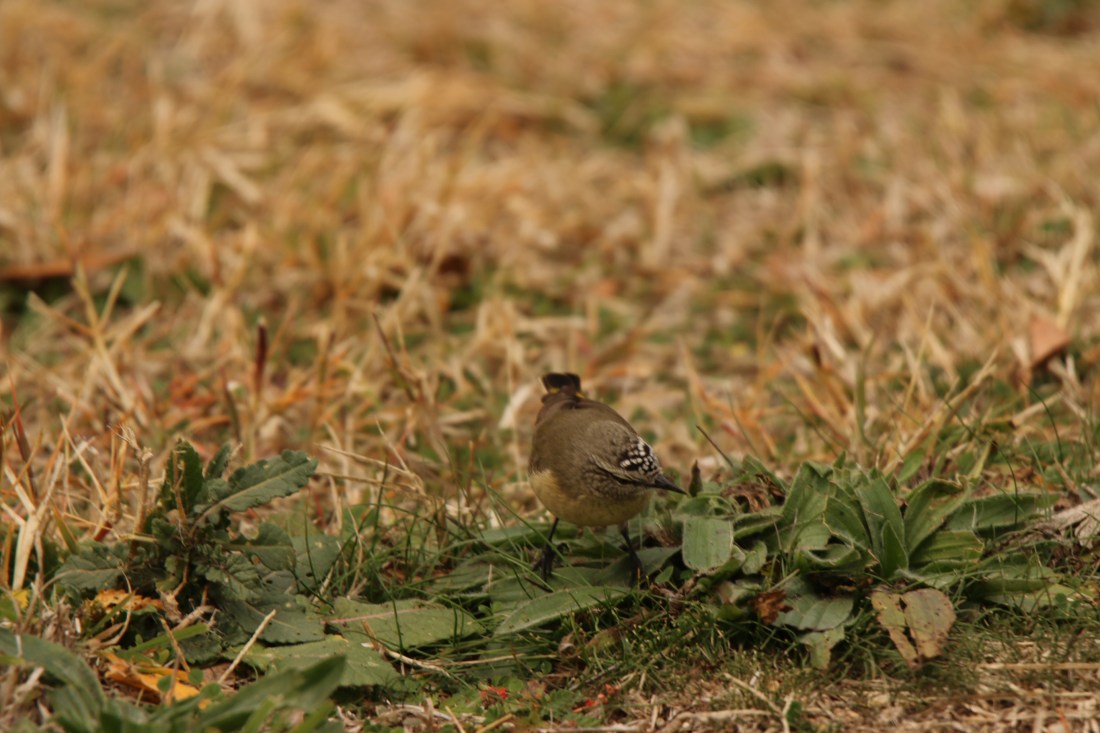
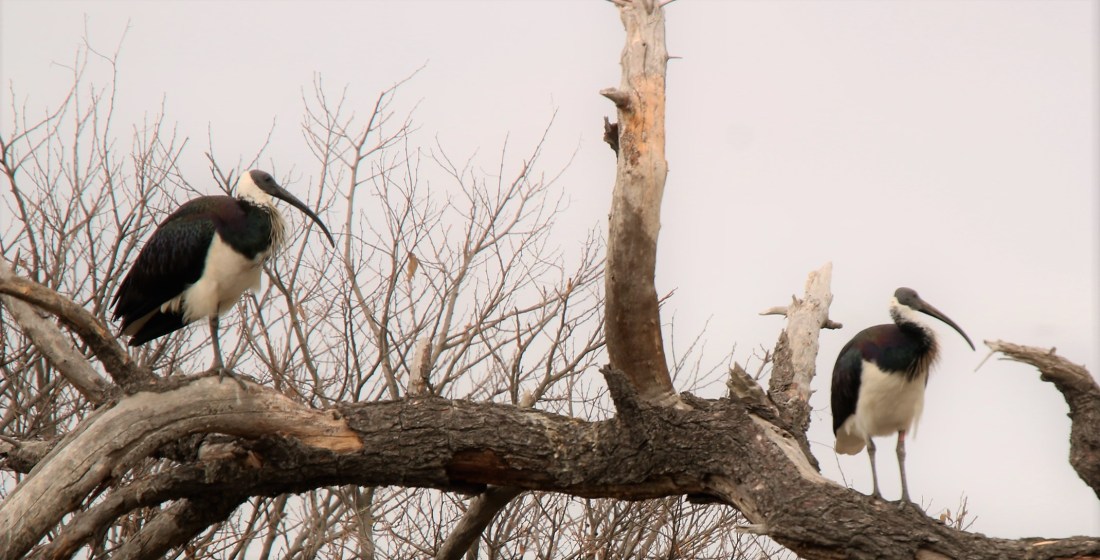
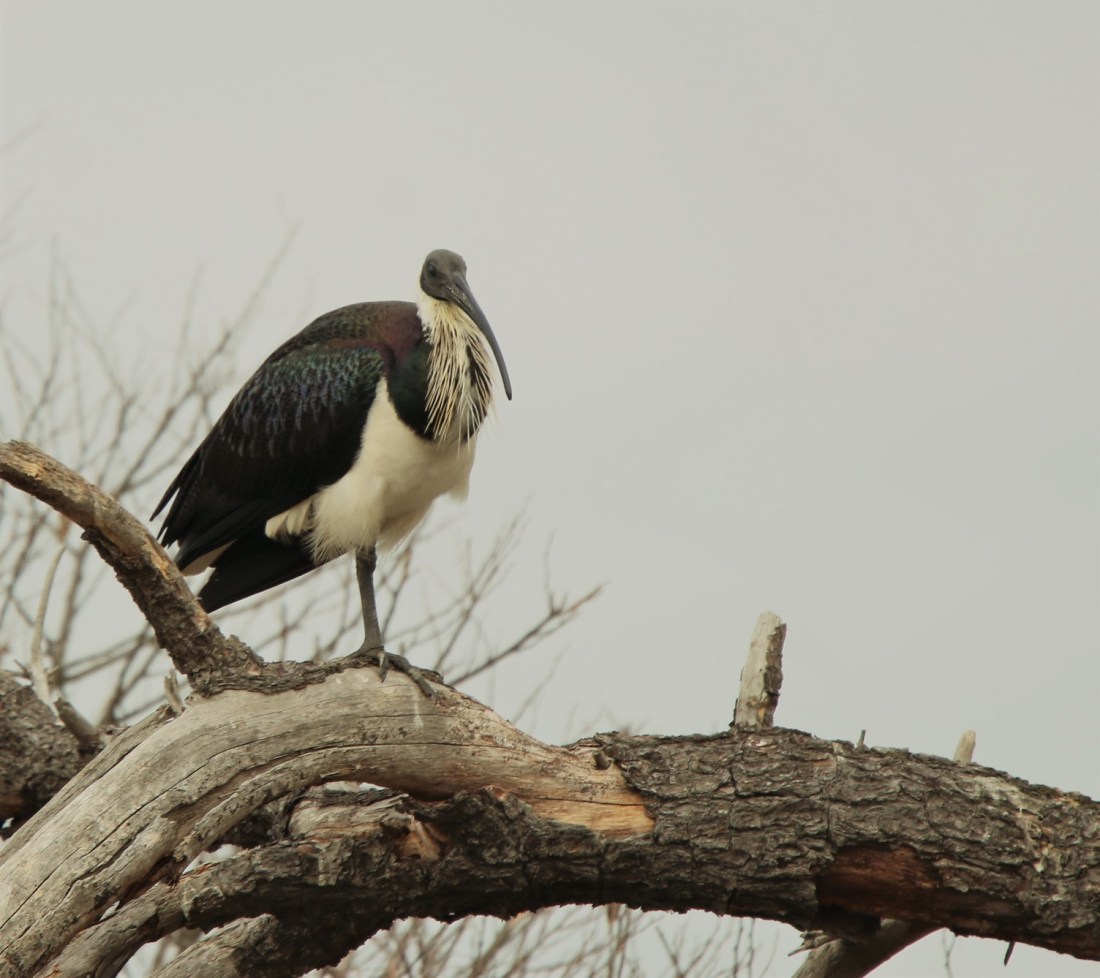
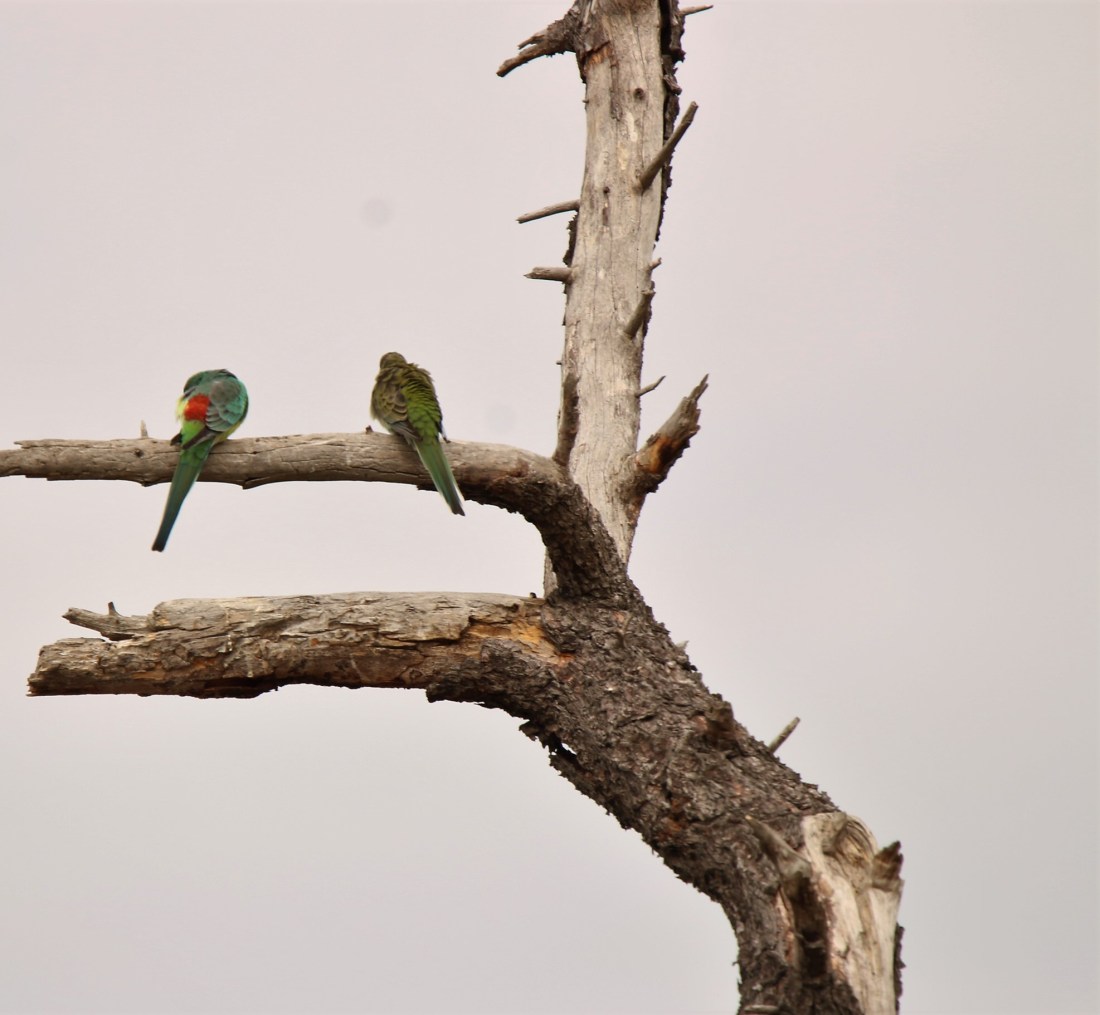
In order: Yellow-rumped Thornbill; Straw-necked Ibis; and Red-rumped Parrot (male on left).
Michael Monaghan
4 June 2018
A Monga adventure by a Monaghan
I don’t really believe in “luck”, however I was certainly fortunate today.
As is my wont, I set off to explore a previously unexplored area for me, Monga National Park, about 20 km south west of Braidwood, itself about 80 km east of Canberra.
After taking Araluen Road from Braidwood and turning left off Reidsdale Road, I headed down the gravel road into the Park. After a while it became quite muddy and heavily rutted. The AWD Territory was responding to advice that I was too conservative in where I took it. It did well, although getting somewhat scratched, until I got within spitting distance of the more mainstream River Forest Road. Big puddle was too big and unknown in depth and mud for the risk. Luckily (well, fortunately) there was just enough room for a 10 point turn.
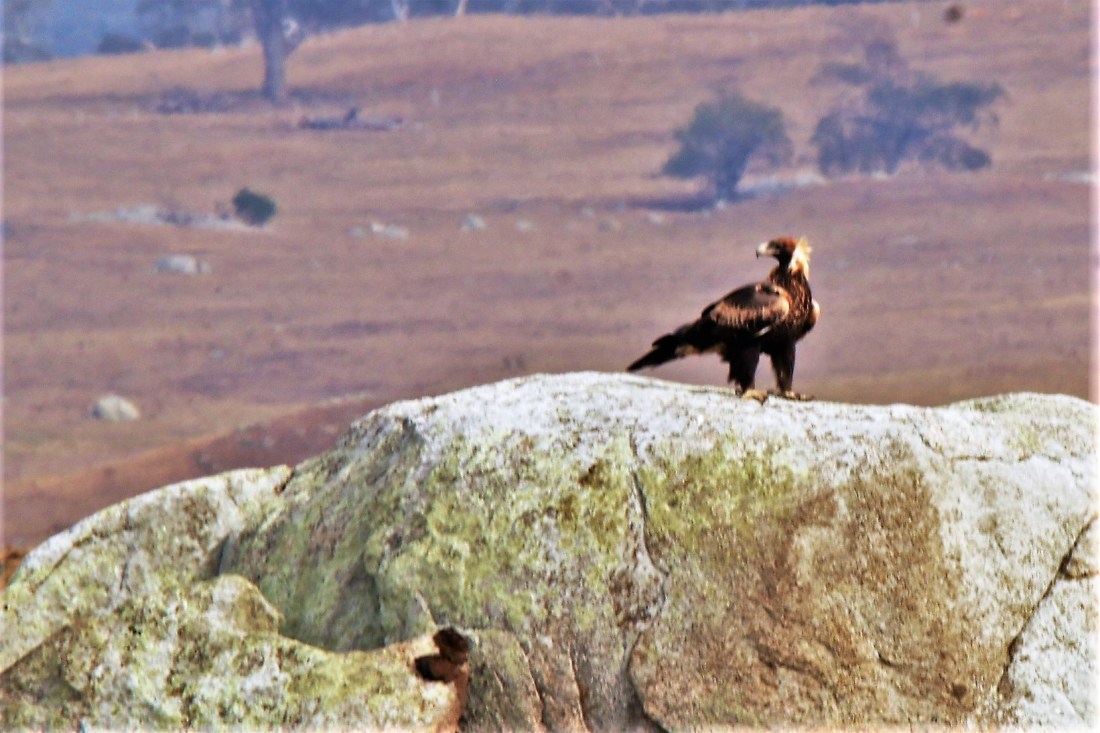
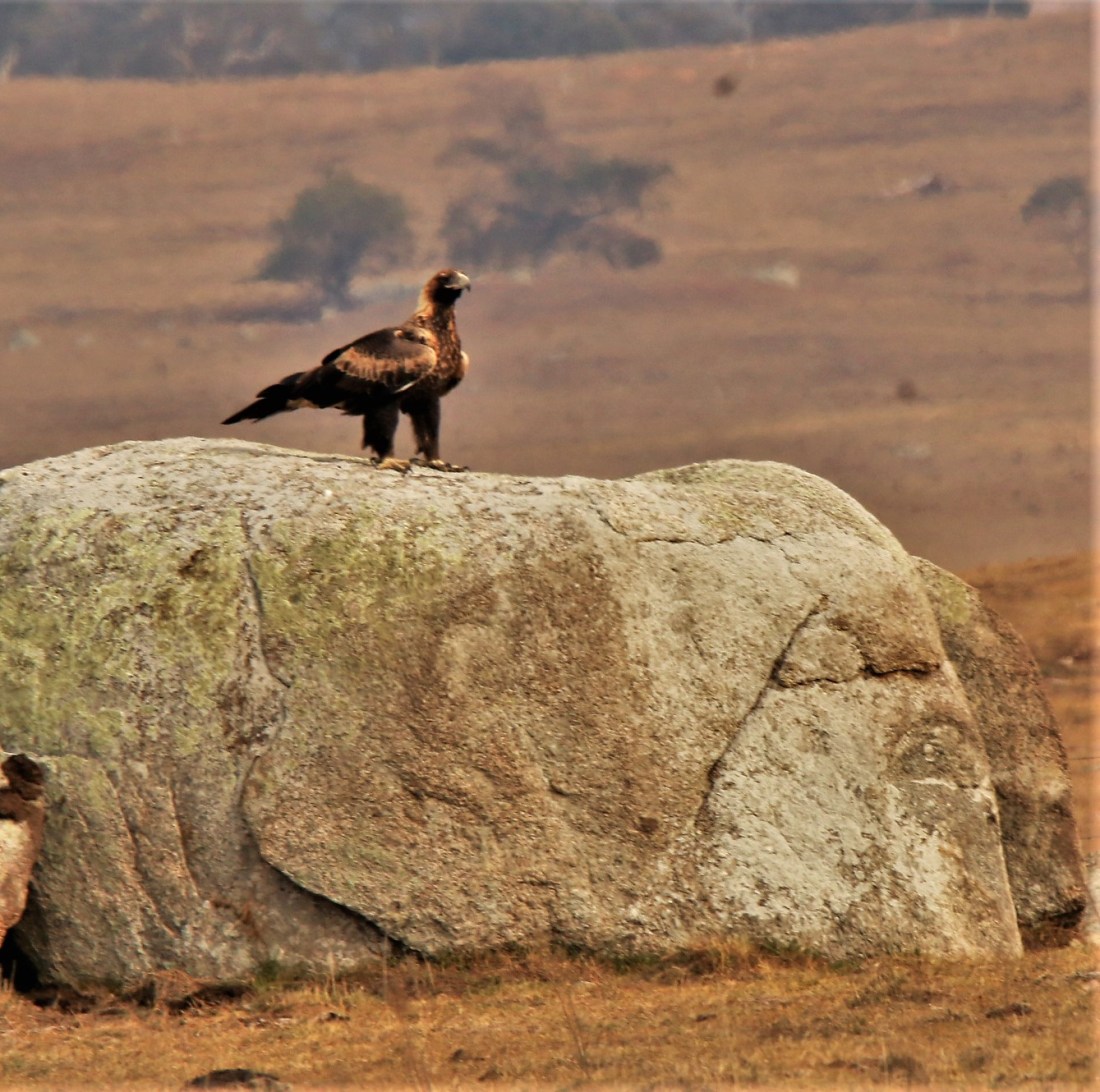
This huge Wedge-Tailed Eagle dominated the pasture:

So headed back into Braidwood and down the King’s Highway, dreading the building returning coast traffic.
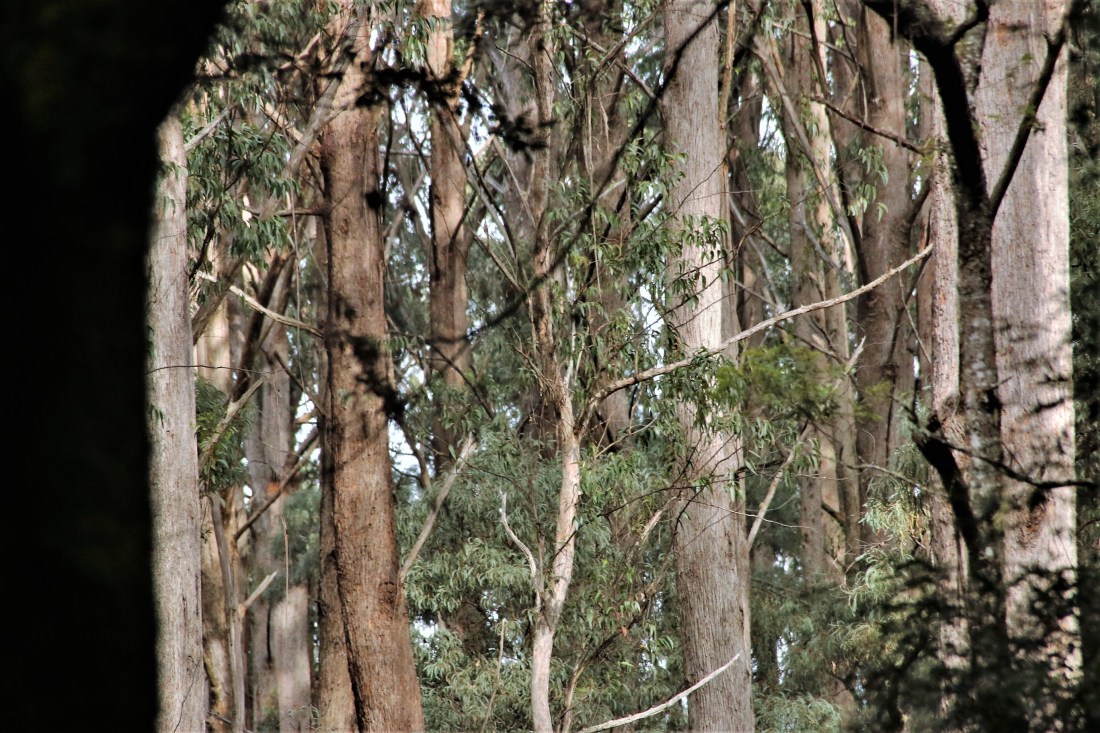
Some 35 km later I got back to the aforementioned spitting distance from the big puddle. Glorious forest, and road was narrow but well graded. Wandered around the very picturesque Penance Grove, named by justified apologists for all the fern tops stolen over the years. Fortunately, was just a short exploratory walk through wet sclerophyll forest.

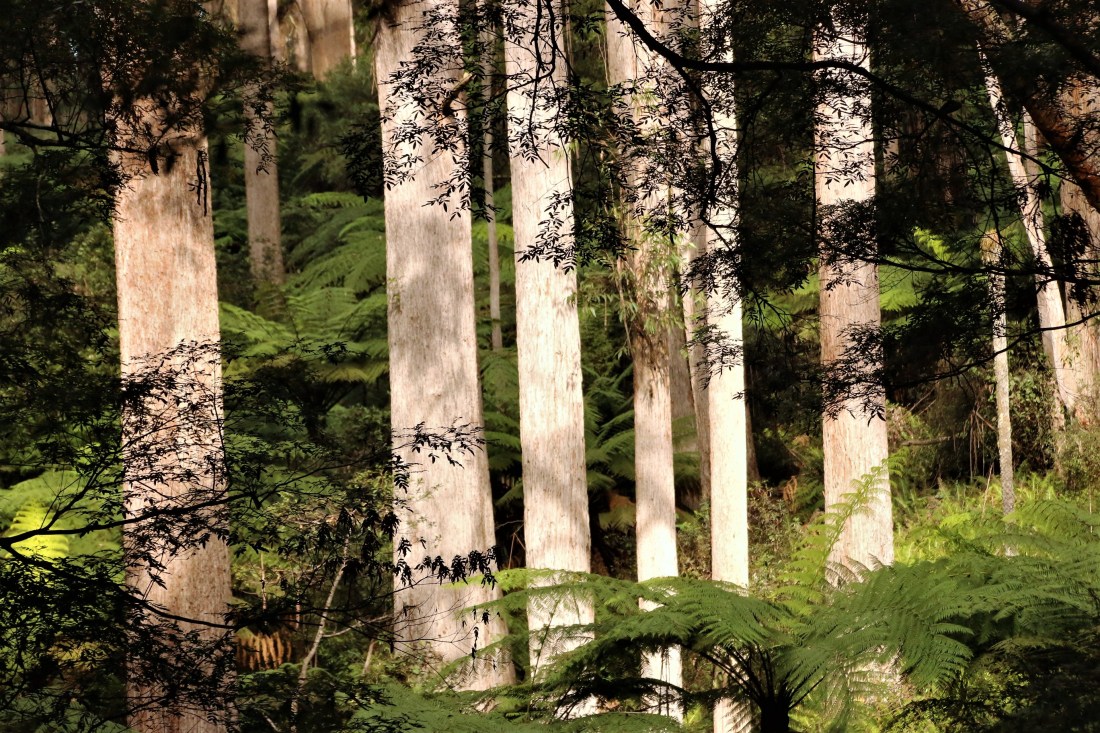
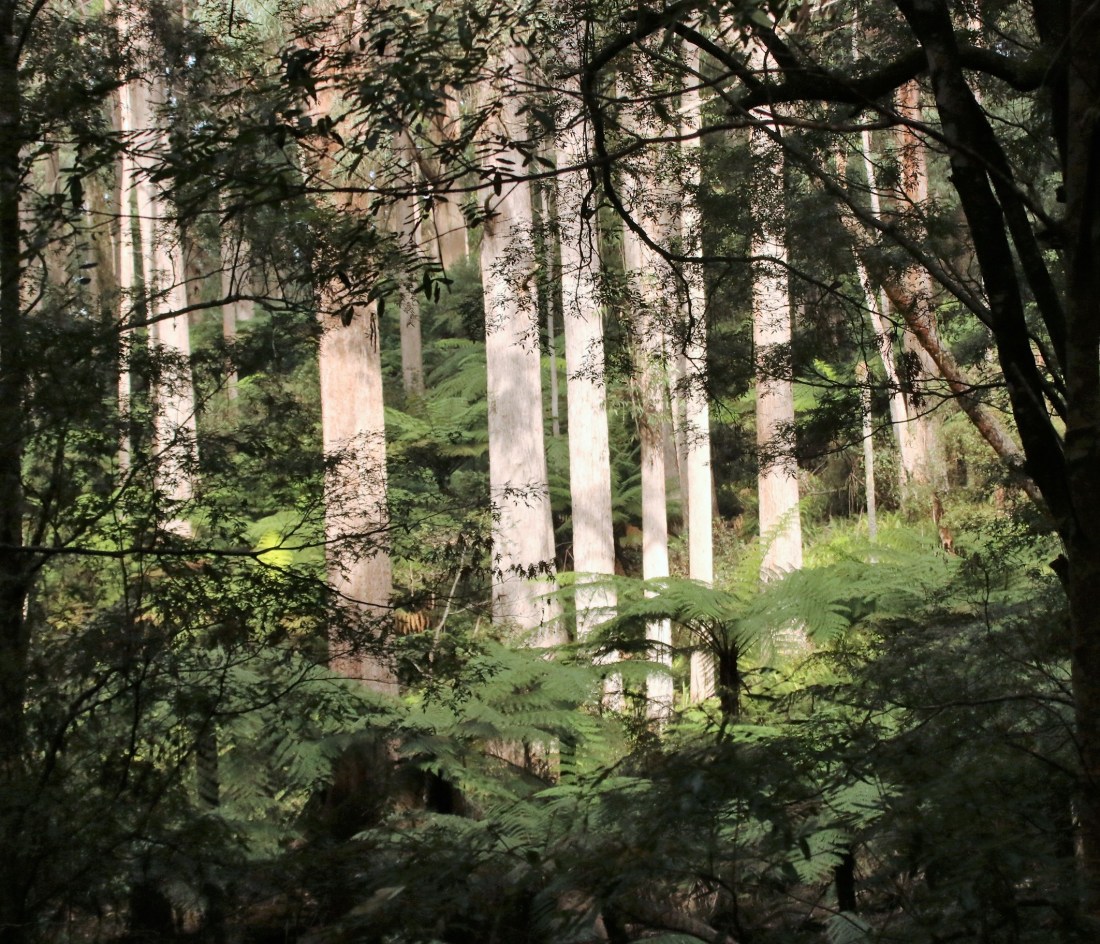
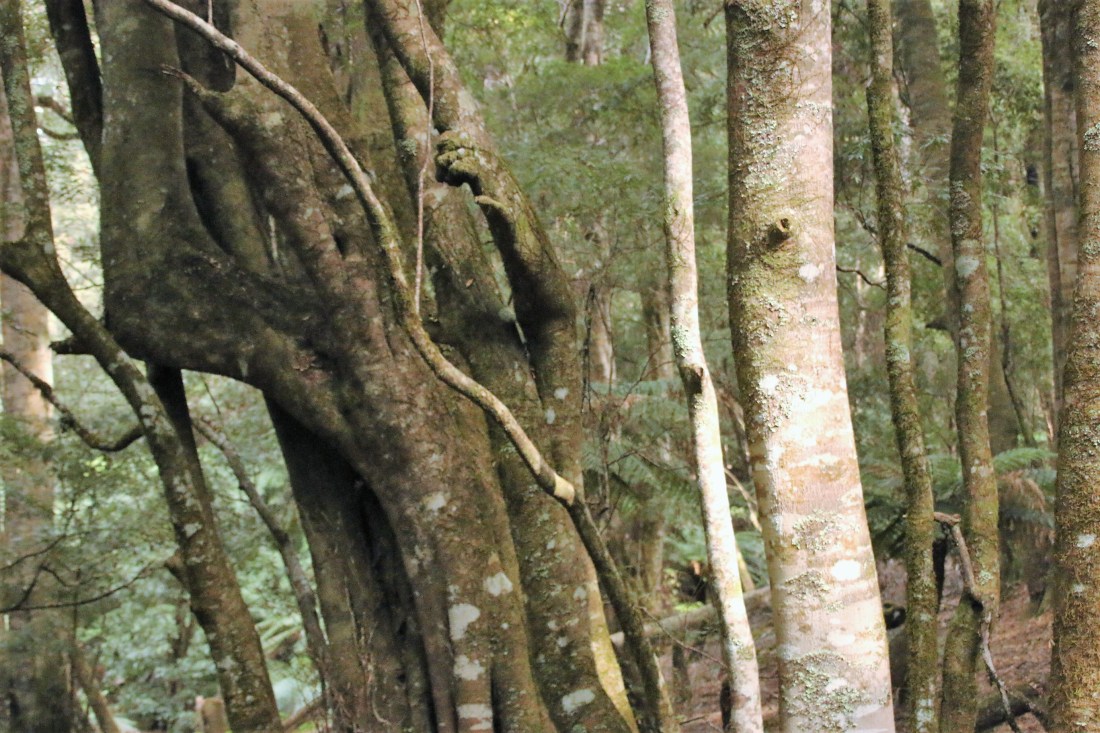
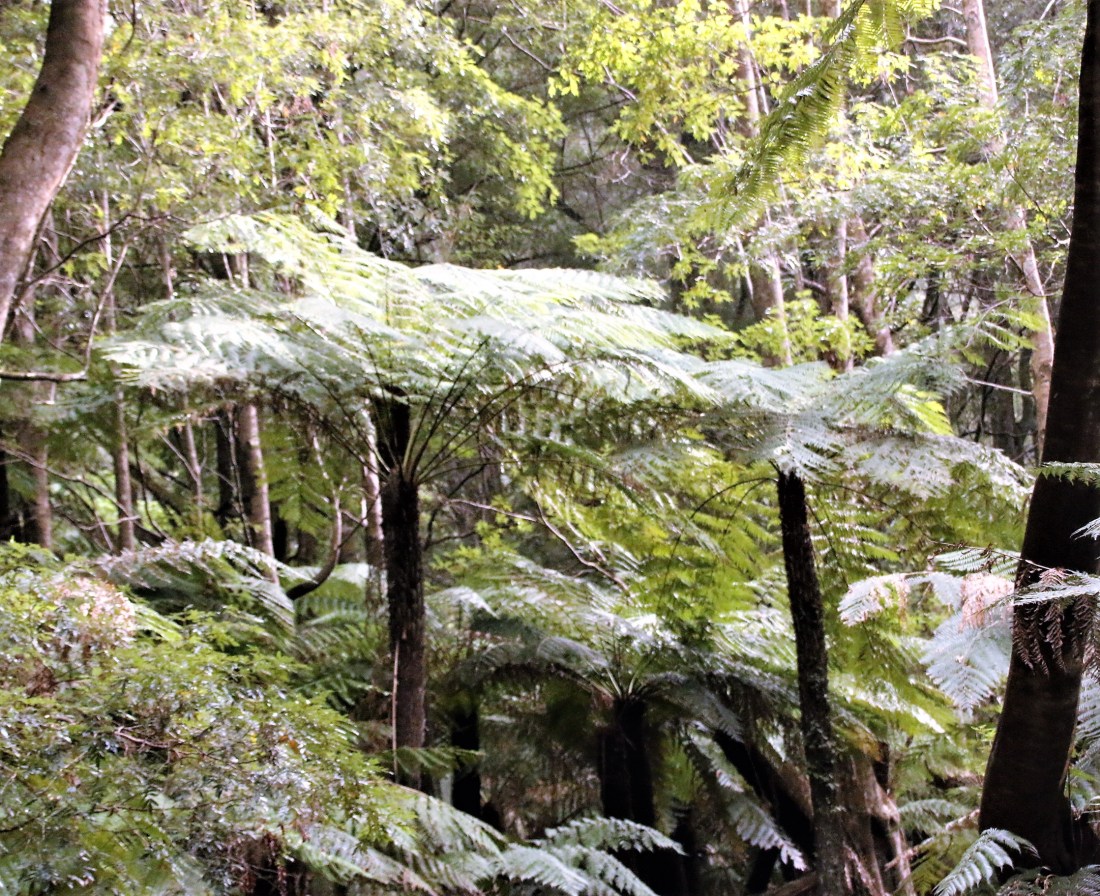
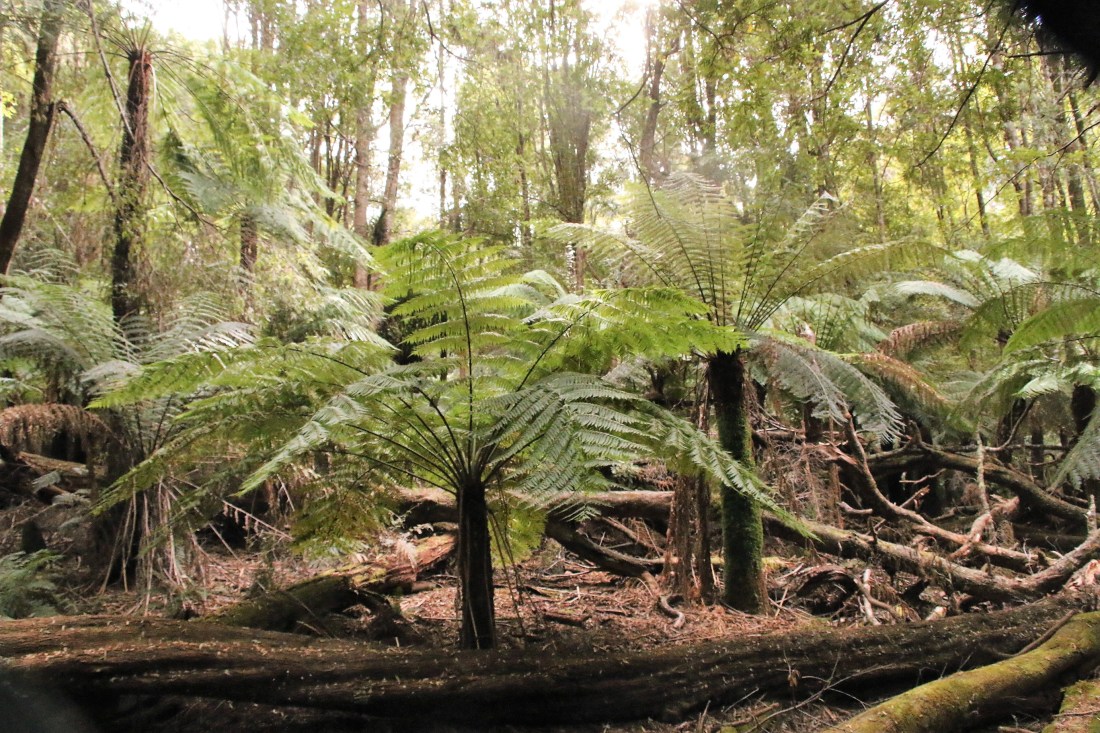

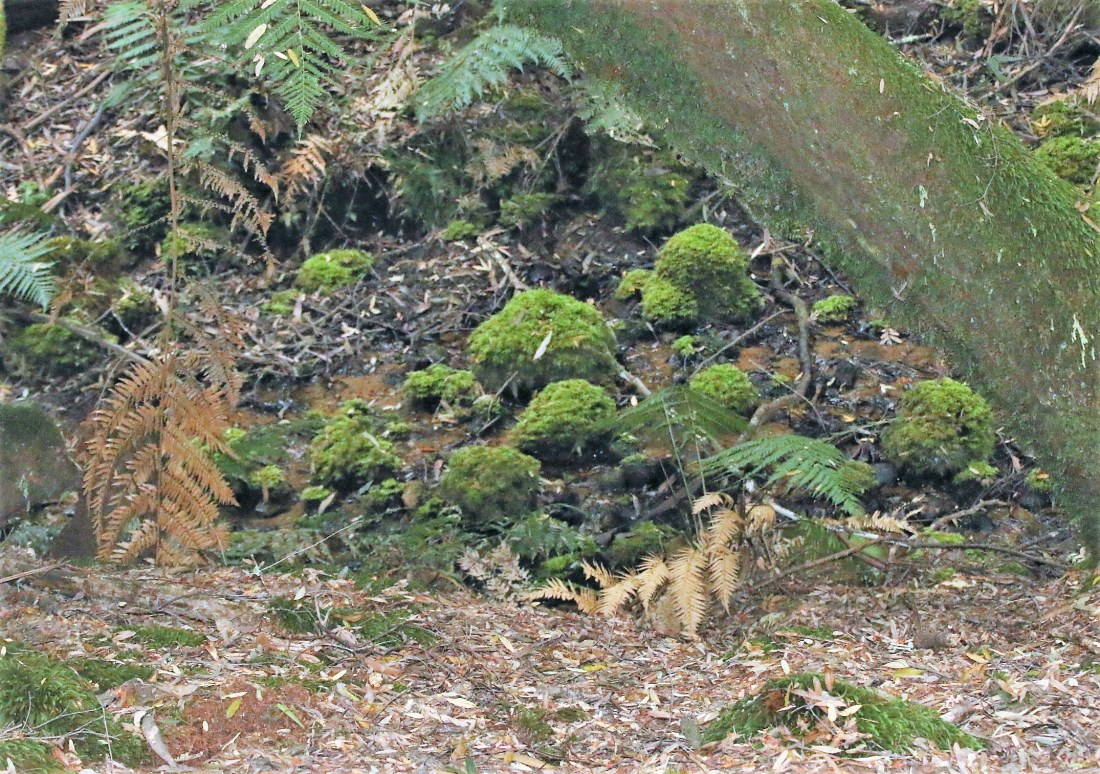
Got back to the car to find what all bush walkers fear, a very low right side back tyre.
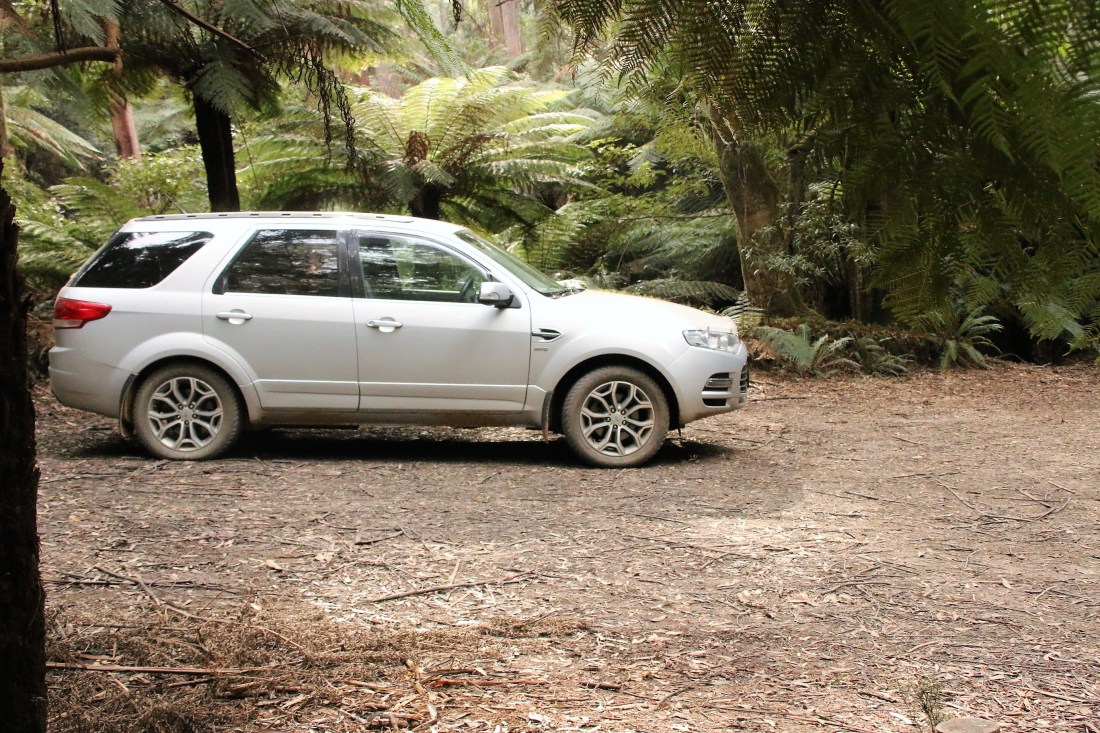
So I figured I had better increase the prospect of being fortunate, and jumped in and scedaddled the 30 km back to Braidwood. I could tell from the steering, just as I got back in to Braidwood, that it was seriously flat. The first garage man was sympathetic, but there was no chance to attend to it before tomorrow: “I’m here all on me own.” But he did indicate there was a tyre place about 150 metres away around the corner; so I put some air in and whipped around to a motley lot of corrugated iron sheds well reminiscent of my grand-father’s multi-shed premises. Not surprisingly, no EFTPOS – no cash, no car!
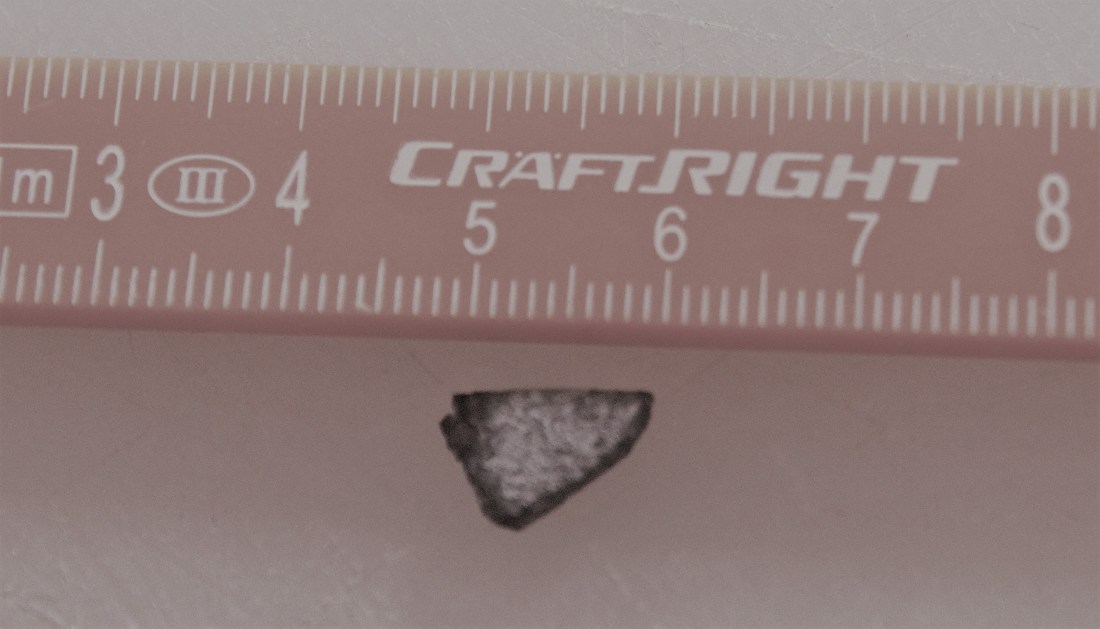
Very helpful chap, Joe, got the wheel off, and found the culprit – a 1cm triangle of road flint.
I mean how could something so small do so much damage.
Joe drilled a hole in the tyre, got a piece of glued rubber and screwed it into the hole. “I ain’t never seen that before” I says. No, you wouldn’t: latest NASA technology.
Then a helpful lesson on the ridiculousness of having Nitrogen in the tyres – I must say I have remained somewhat sceptical on that measure – and, since all tyres were made in the same Chinese factory, just buy tyres with water repelling tread, and no brand name.
So it all worked out. As I said: “Fortunate.”
So here is what we learned today:
Michael Monaghan
May 28, 2018






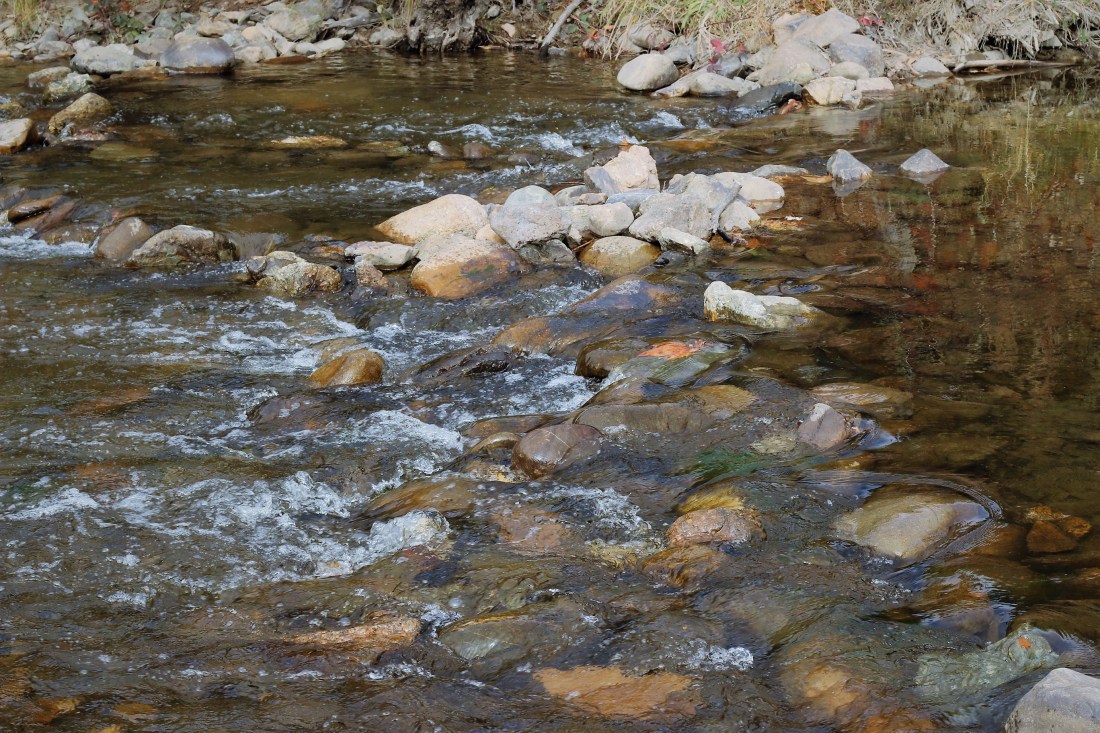
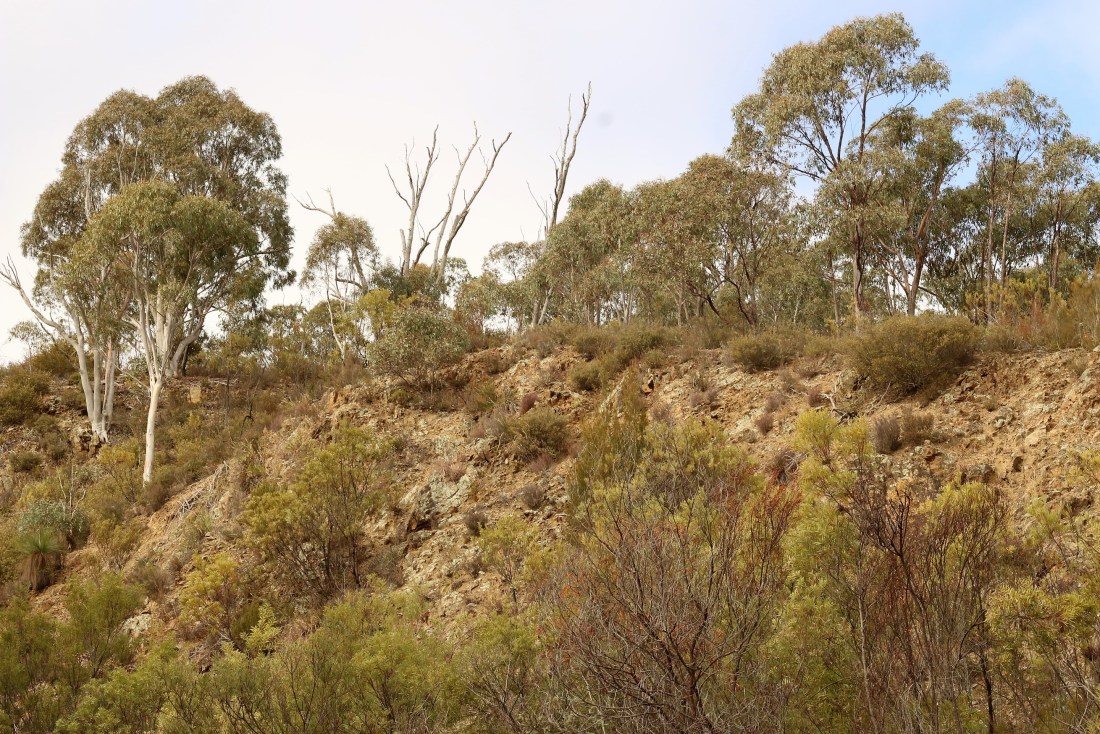
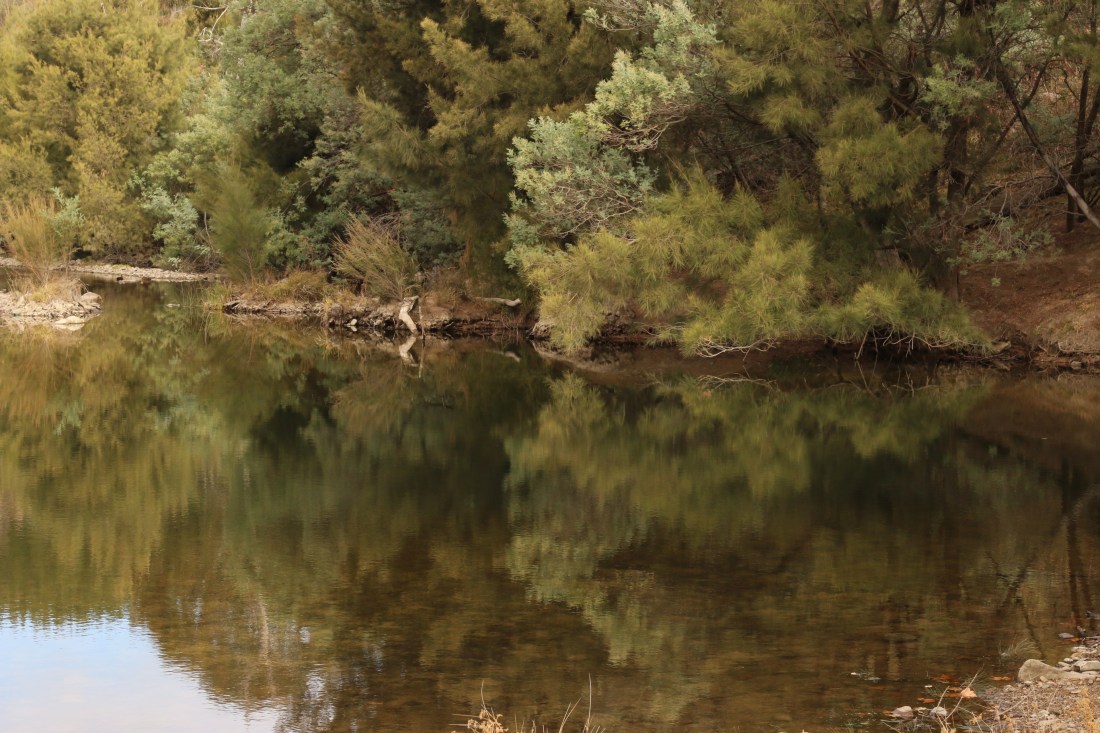
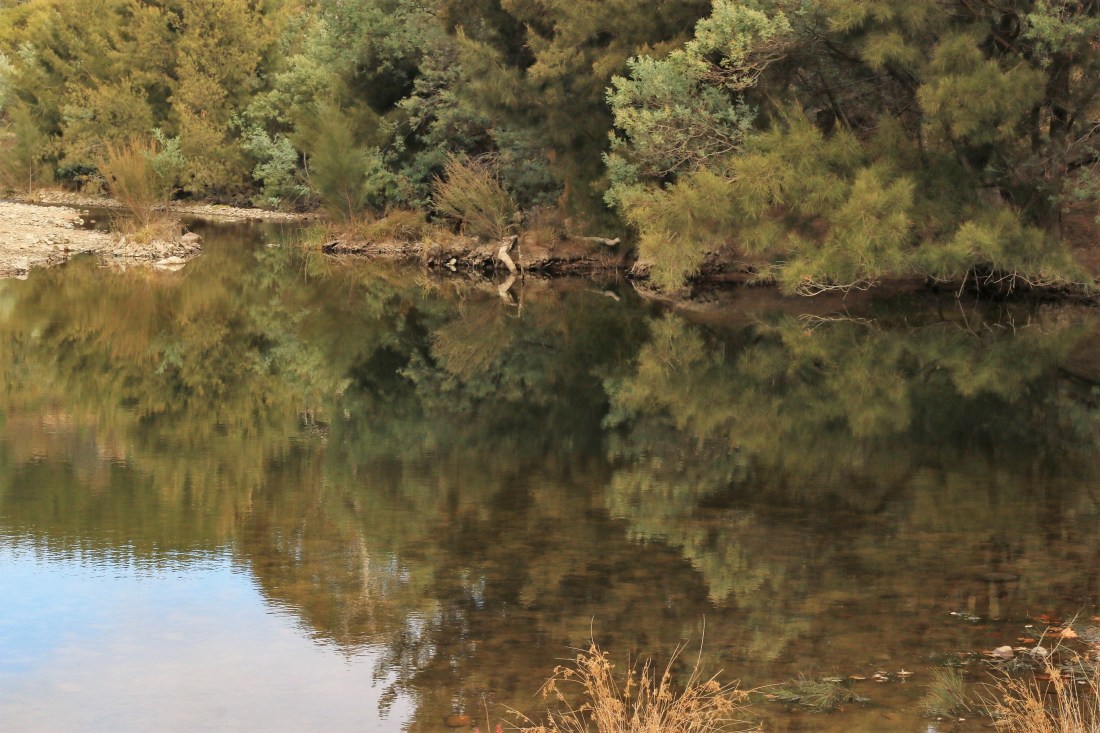
Michael Monaghan
24 May 2018
 As recently as 8000 years ago, volcanoes were active around Colac in mid western Victoria.
Created by the cooling of the lava flows, Lake Corangamite is the largest permanent salt water lake in Australia. In the 1950s the lake was substantially higher and each summer evening some hundreds of locals descended on it for swimming and picnics.
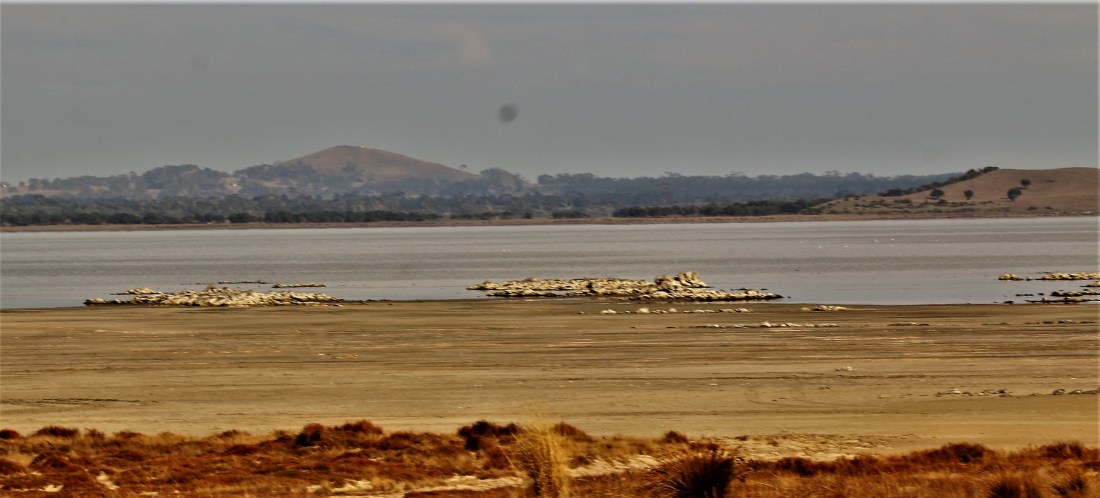
t is great cattle country with rolling hills created by the lava flows Red Rock at Aviel is dormant, not extinct, so choose your visiting date carefully. It was last active just 8000 years ago. The craters are quite apparent, and are often, but not at the moment, the holders of lakes.


The updrafts were falcon heaven. Double-trouble: a pair of Brown Falcons just hovered effortlessly.


They hovered right in front of me as I stood on the top of the, I repeat, dormant, volcano.

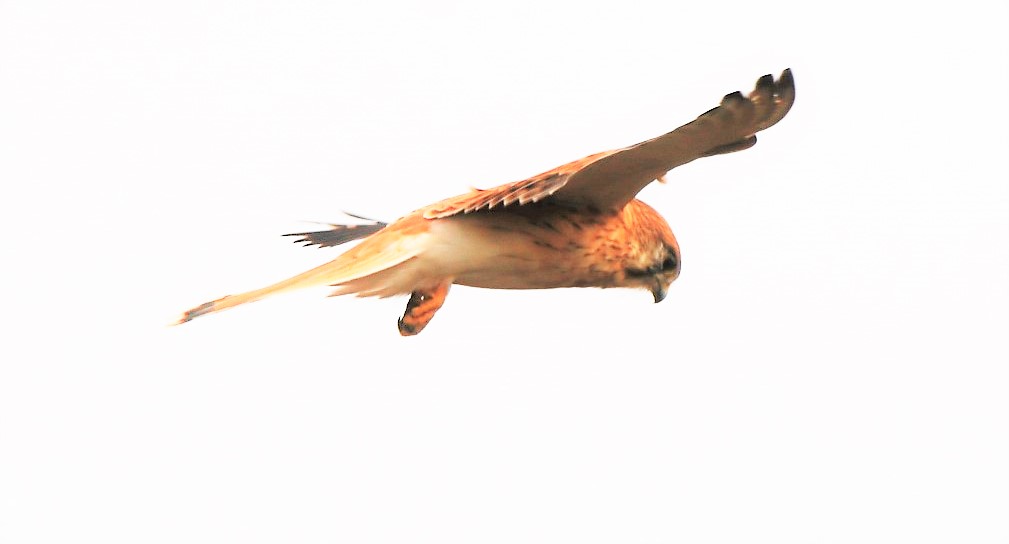
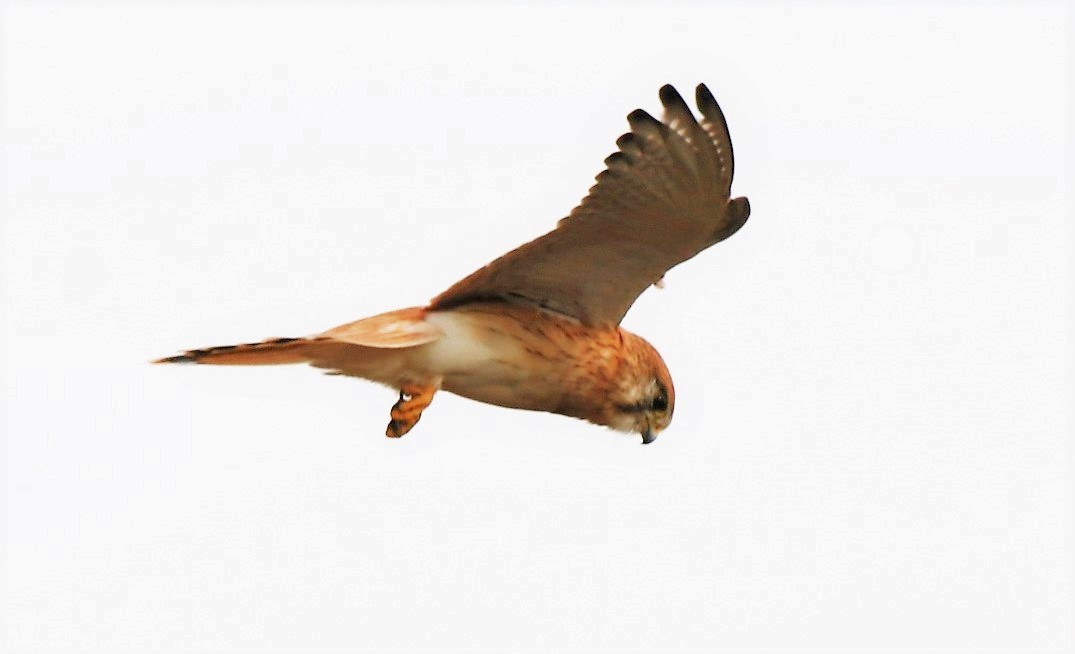
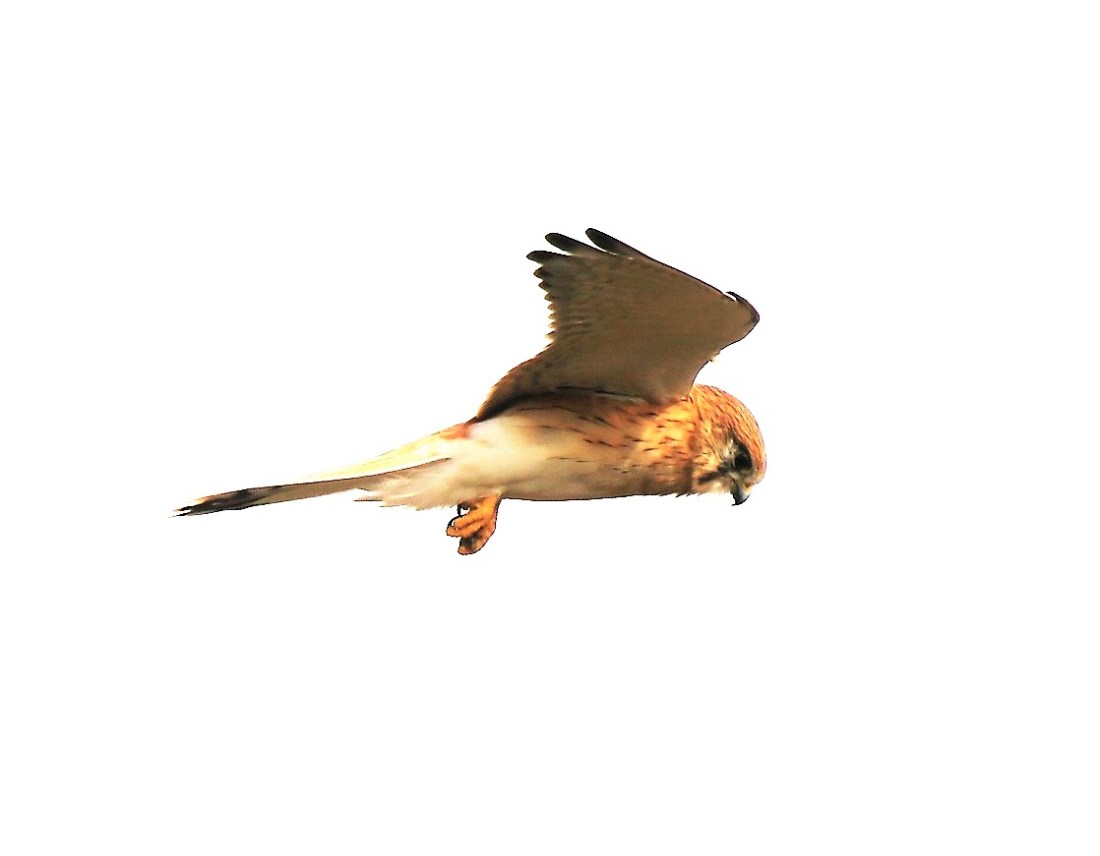
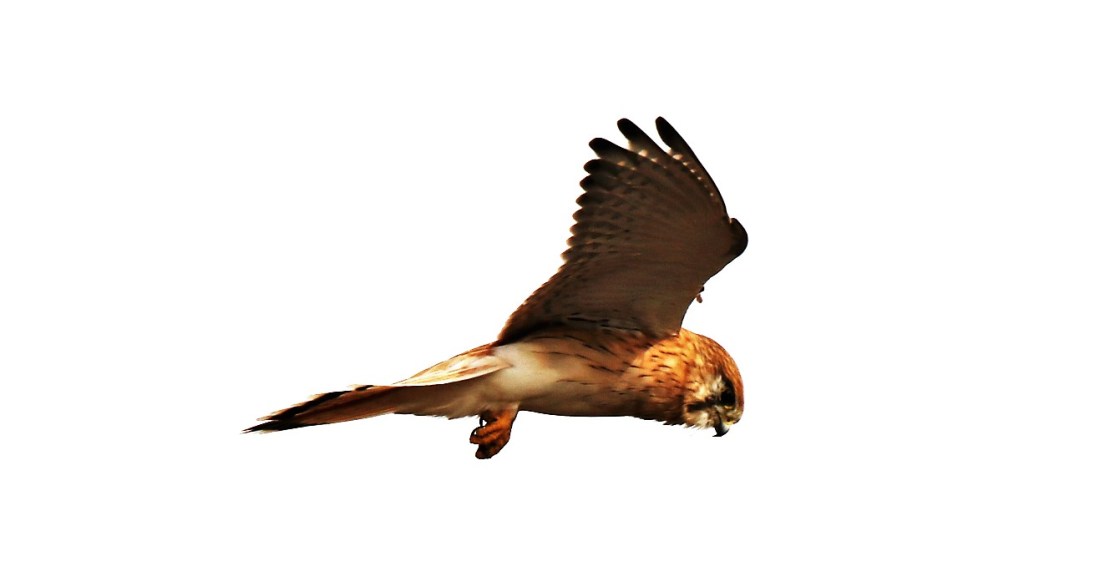
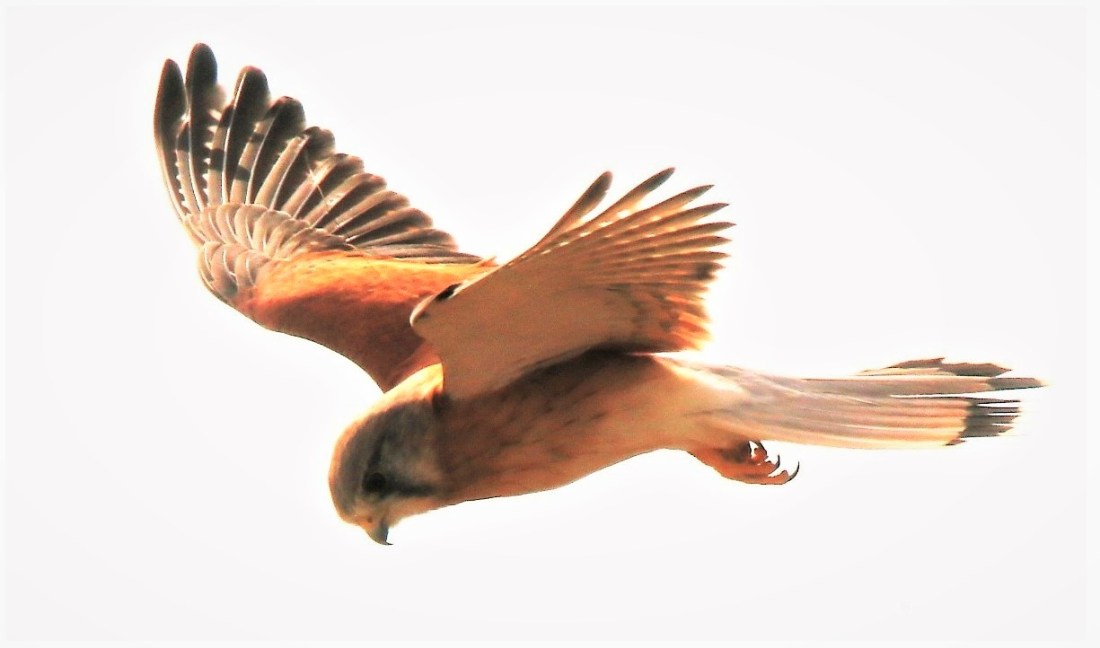
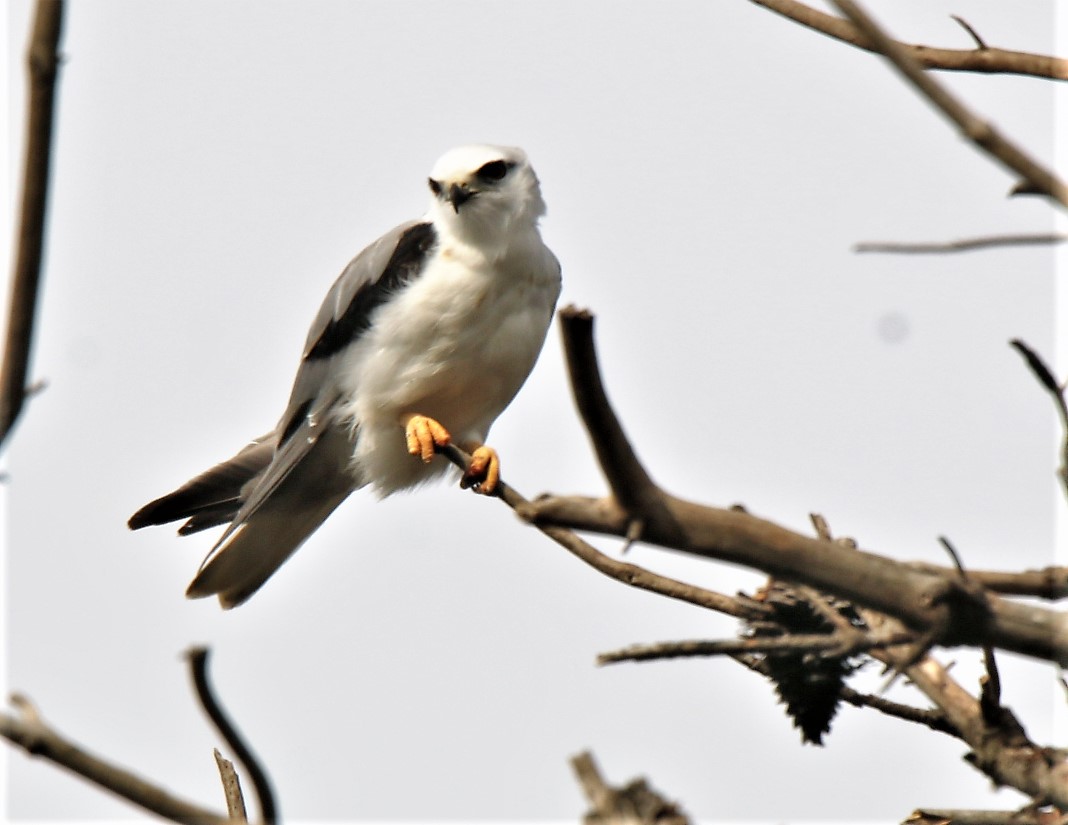
Good territory it seems for birds of prey, as there was also this Black-Shouldered Kite.


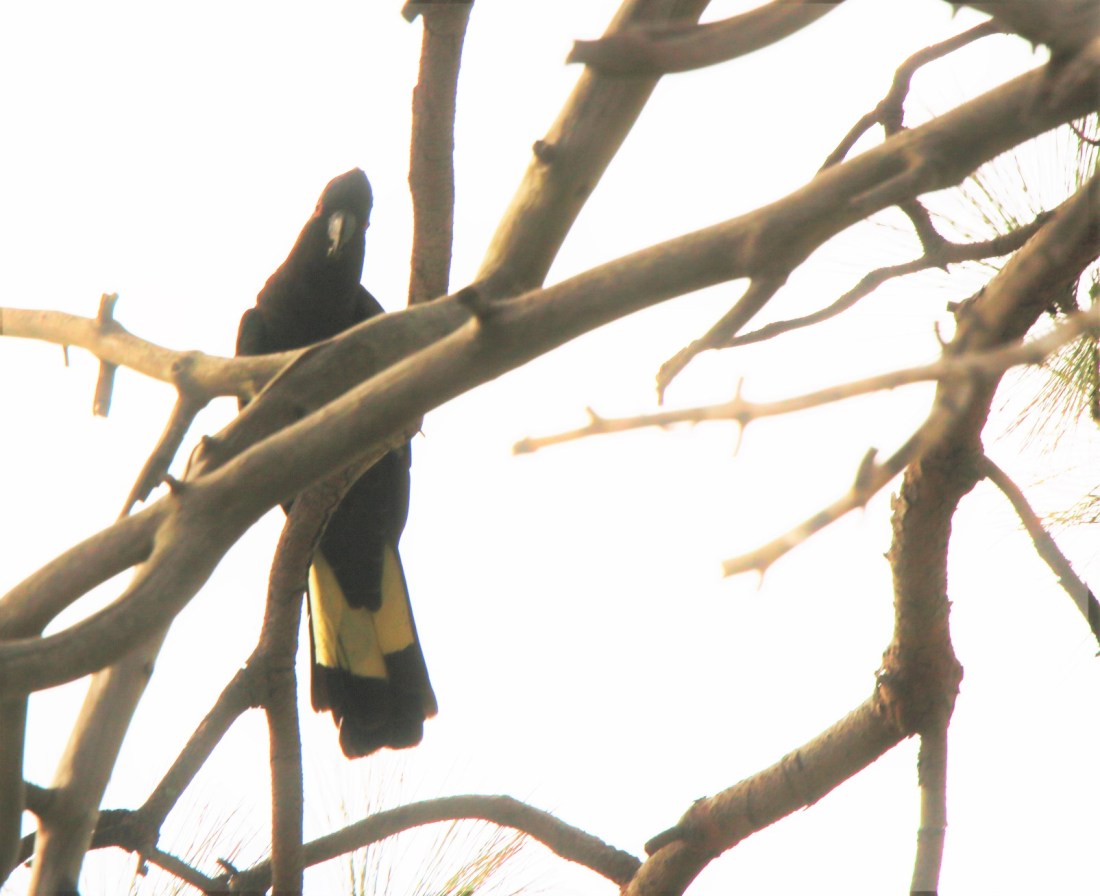
 Lower down around the lake were plenty of Yellow-Tailed Black Cockatoos:
Michael Monaghan
25 April 2018
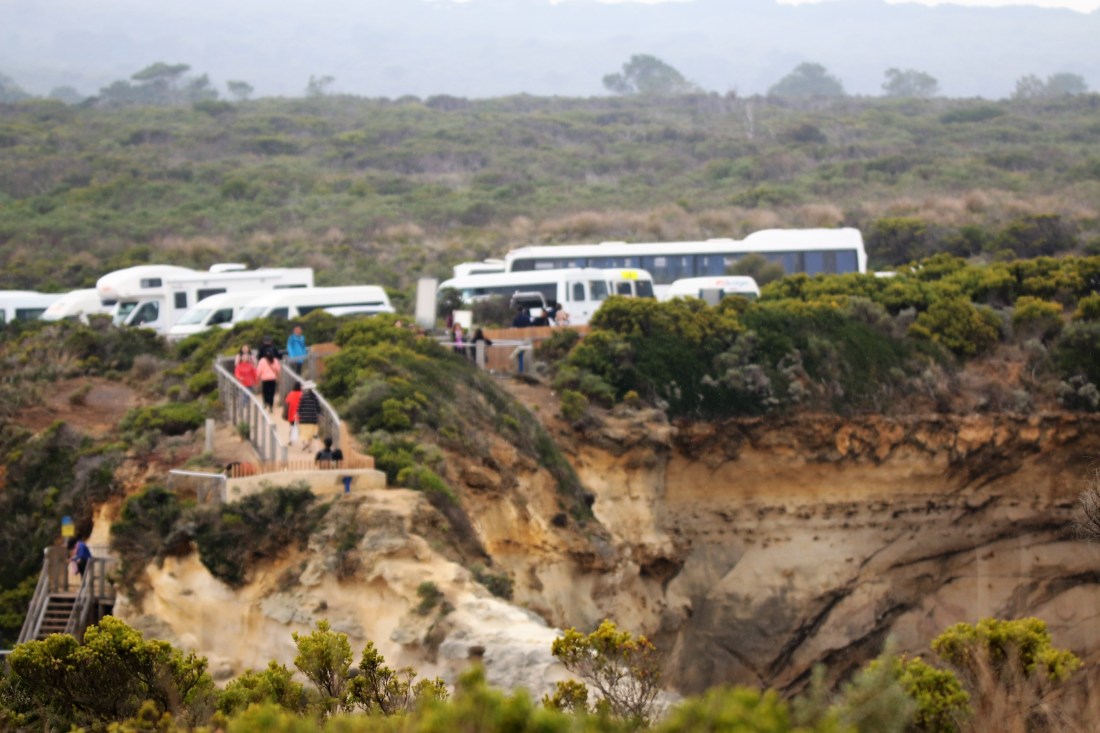
A fascinating sandstone coastline is a feature of the Port Campbell area. The 8 remaining 12 Apostles are where all the buses go, well except for the ones at the other prime tourist stop, the Loch Ard Gorge.
There are many fascinating places that are not the above, and which are virtually free of other people. So I am banned by the locals from telling you exactly where these spots are. Just follow signs that are not to the 12 Apostles.


This is what it looks like at Loch Ard Gorge, so one can imagine what it would look like at the 12 Apostles.
 There were plenty of Yellow-faced Honeyeaters, and White-browed Scrubwrens.


Michael Monaghan
21 April 2018
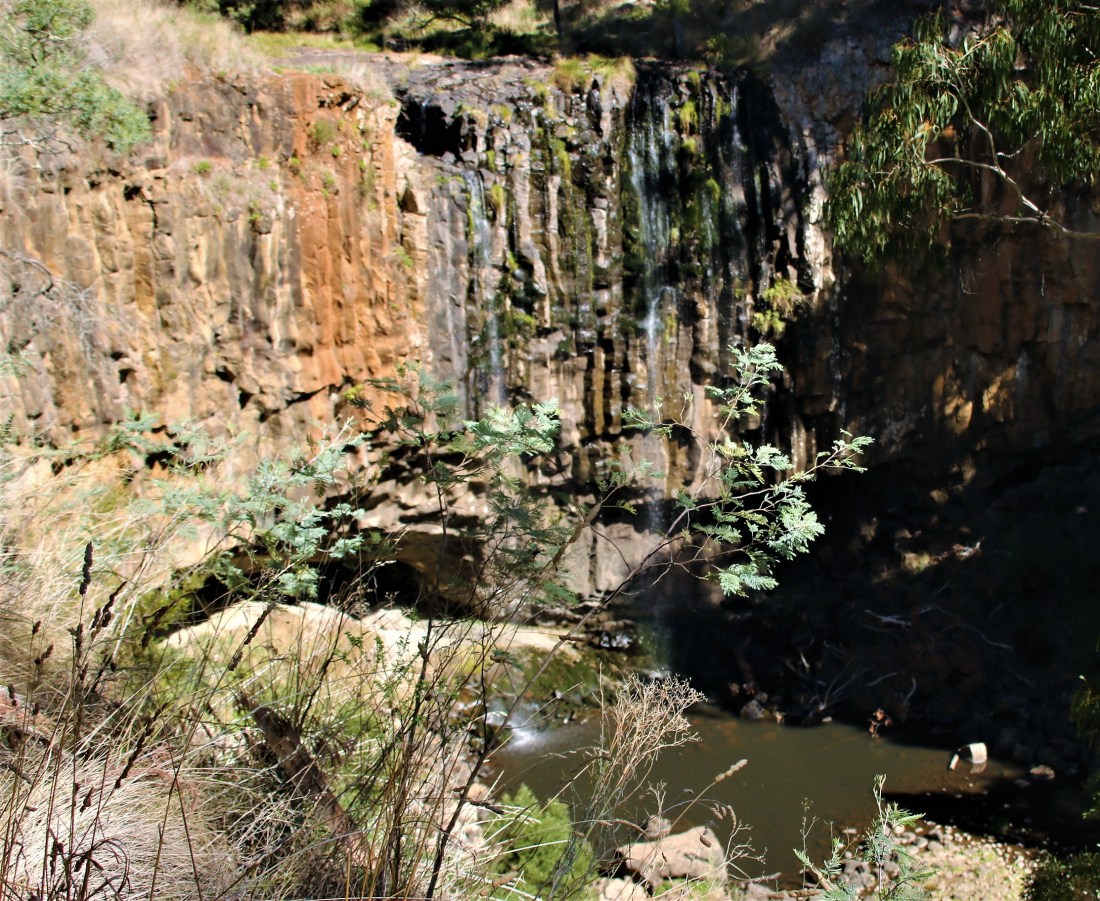
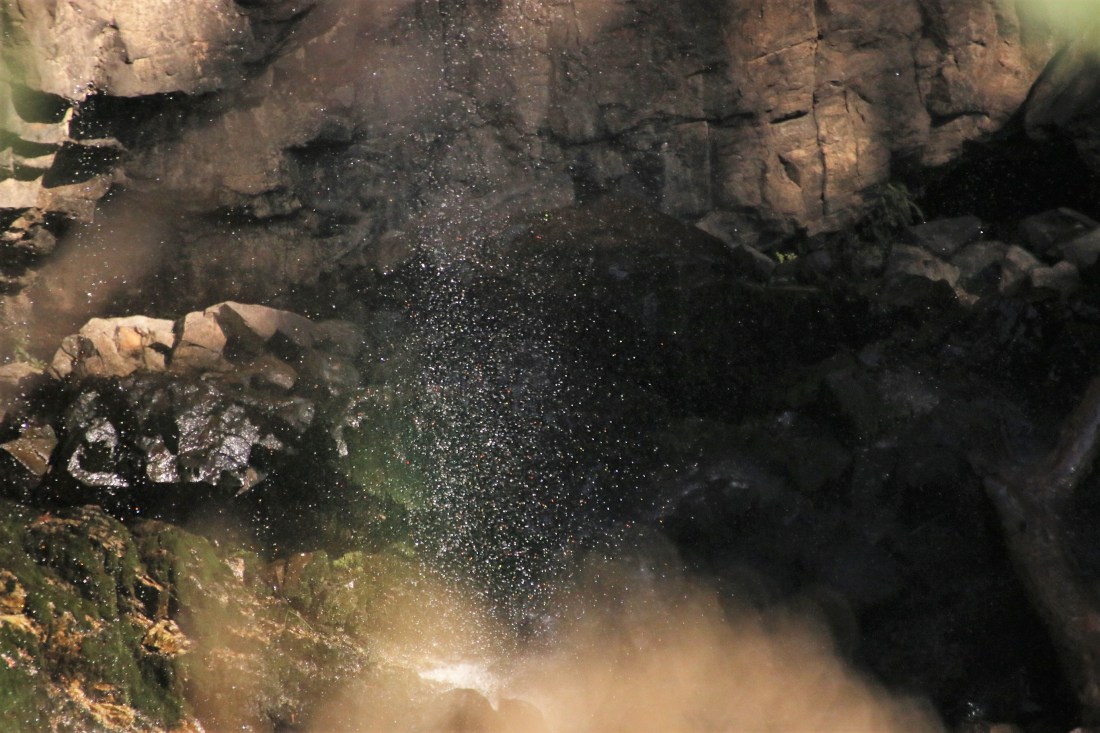
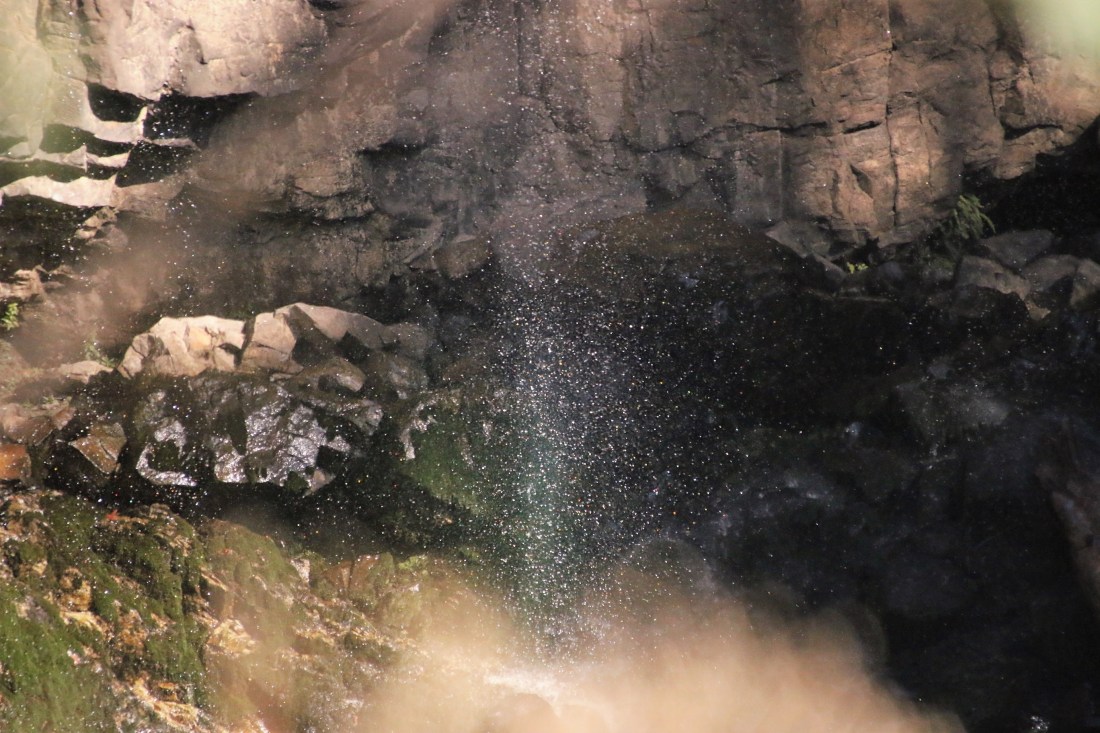
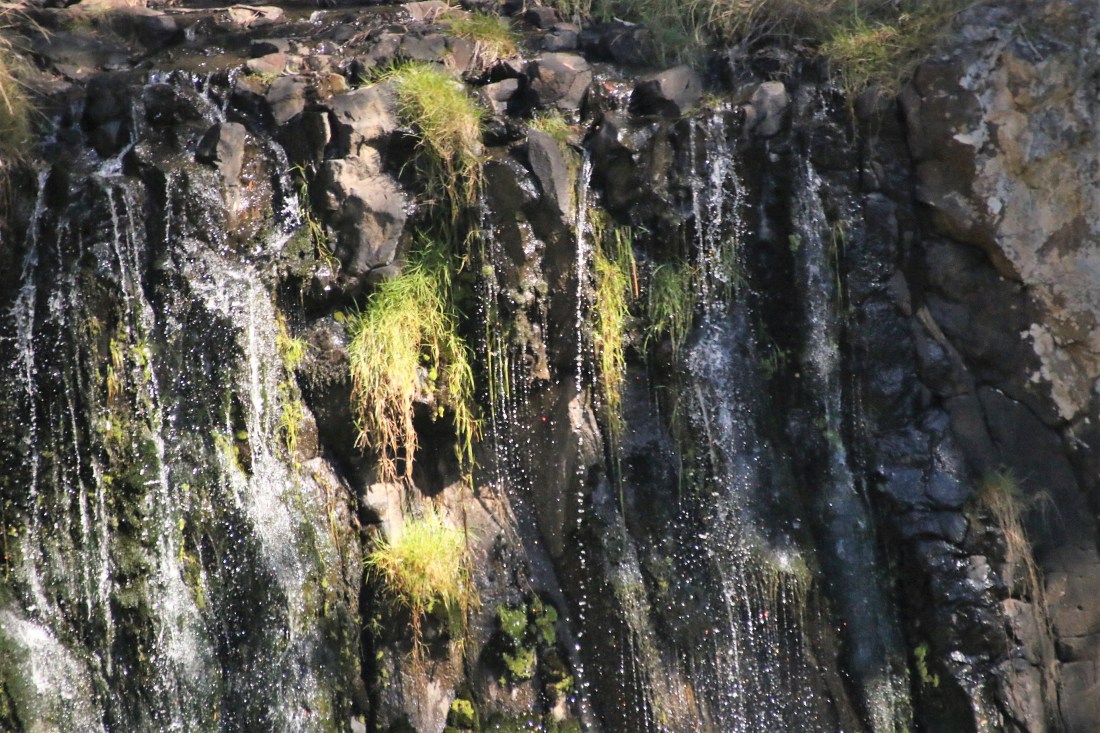
These are taken with very high speed, very high ISO and lowest fstop (ie widest lens opening).
 Michael Monaghan
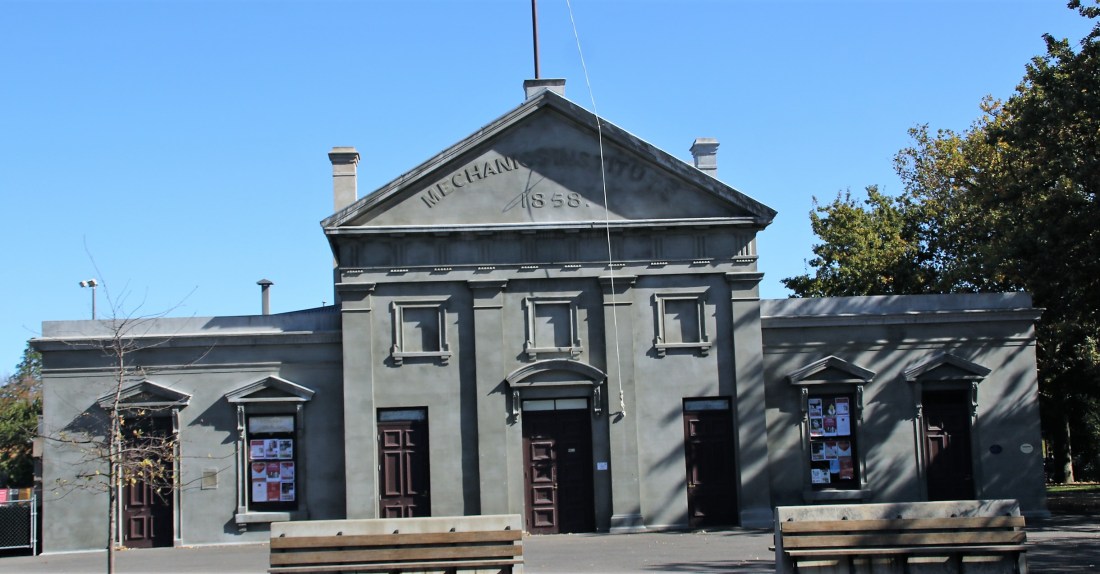
A number of things are plentiful around the goldfields, and probably they are linked: pubs, churches and mechanics’ institutes.
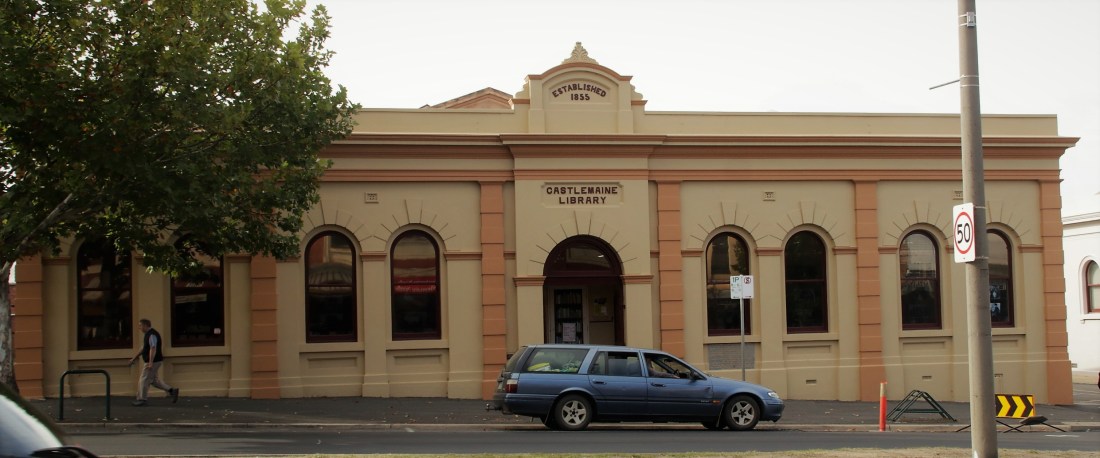
These Mechanics’ Institutes are in Castlemaine, Fryerstown, Kyneton, Newstead and Malmsbury. There were often Caroline Chisholm Shelters adjacent to the Mechanics’ Institutes.


There are though some excellent botanic gardens, planted generally in the 1860s. Kyneton, Malmsbury, Trentham and Wombat Hill (Daylesford) are all pretty impressive. Malmsbury has added an arboretum, which looks about 5 years old.
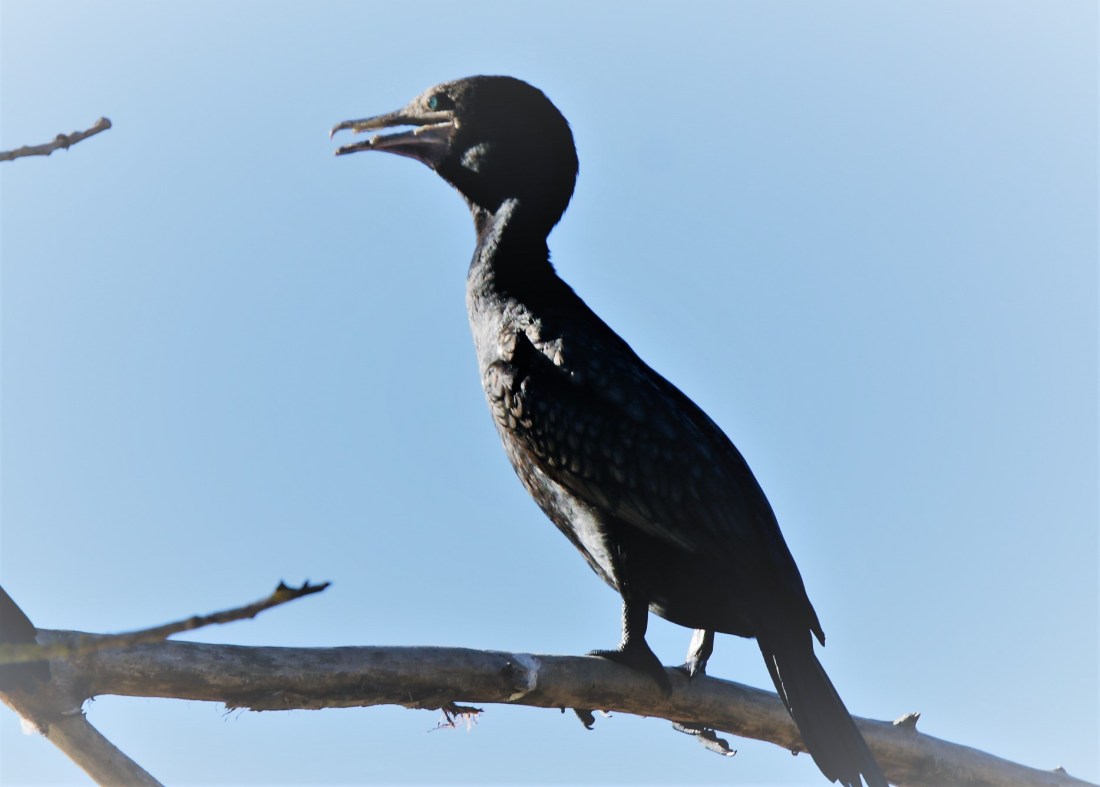
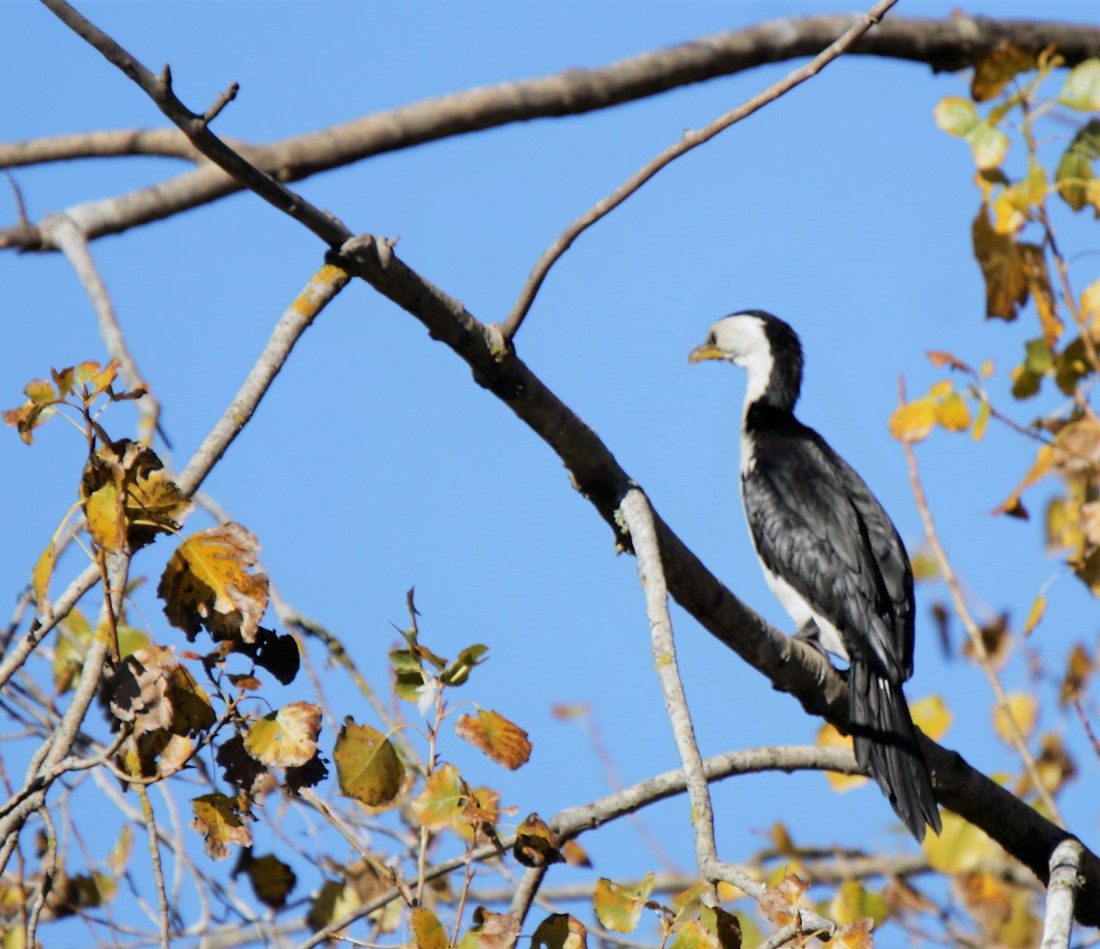
It seems that many water birds use the lakes as migration route. I saw Nankeen NIght Herons (which were too quick to photograph), little egrets, little pied cormorants, little black cormorants, white faced herons, australasian darters, intermediate egrets, and many random ducks and geese.
Little Black Cormorant
 Little Pied Cormorant
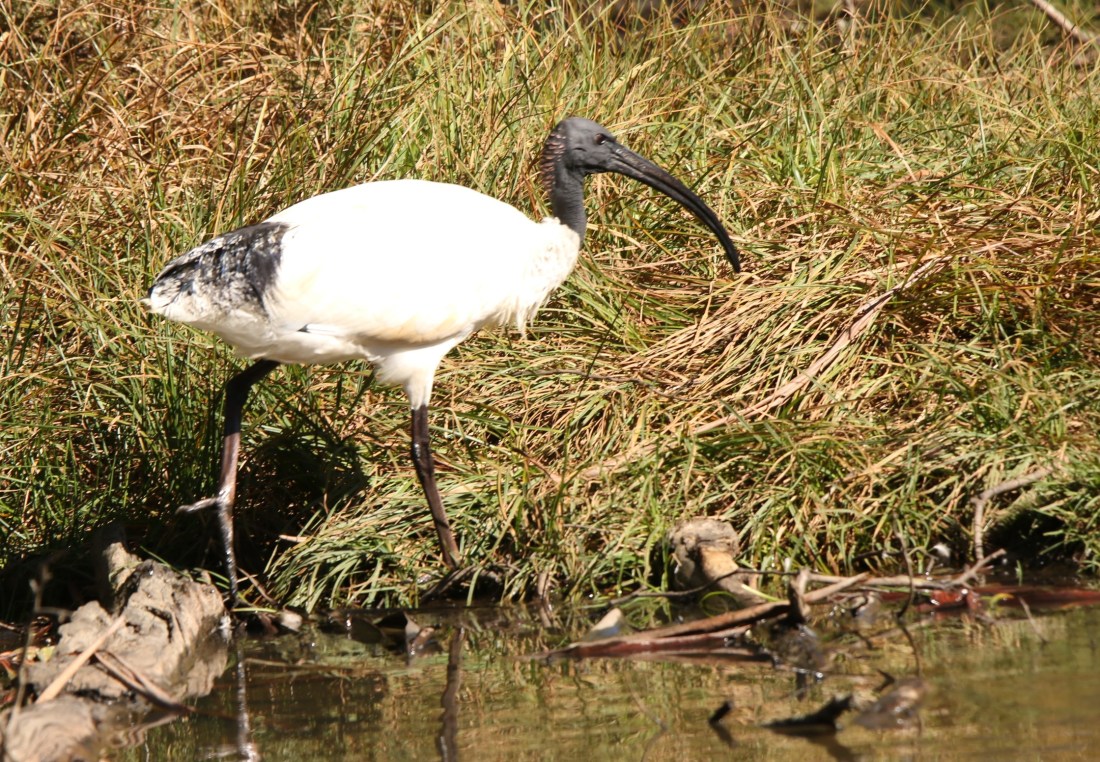
 Australian Ibis
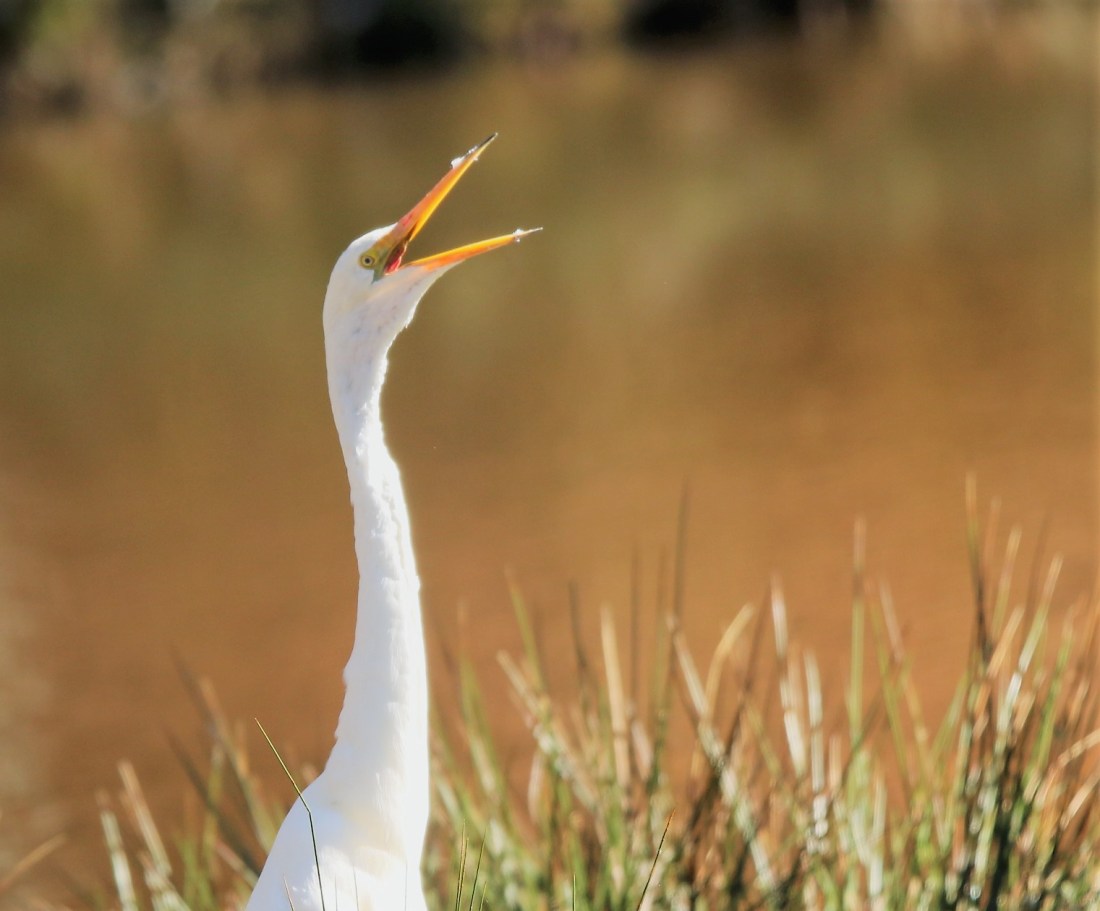
 Great Egret
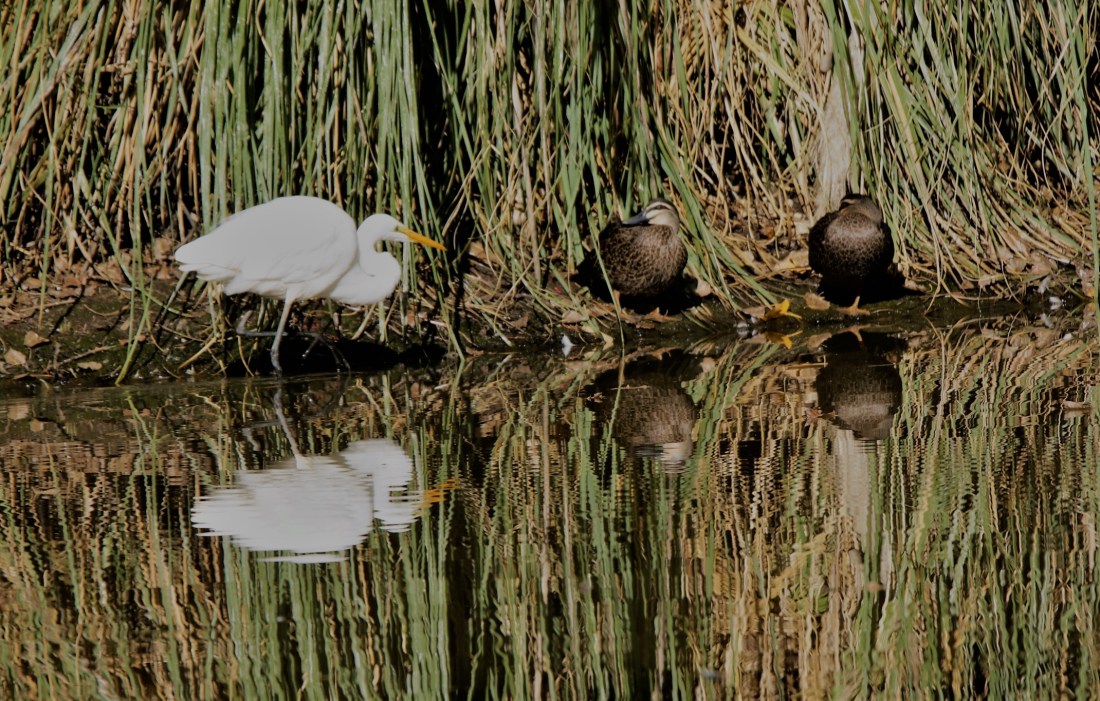 White-faced Heron


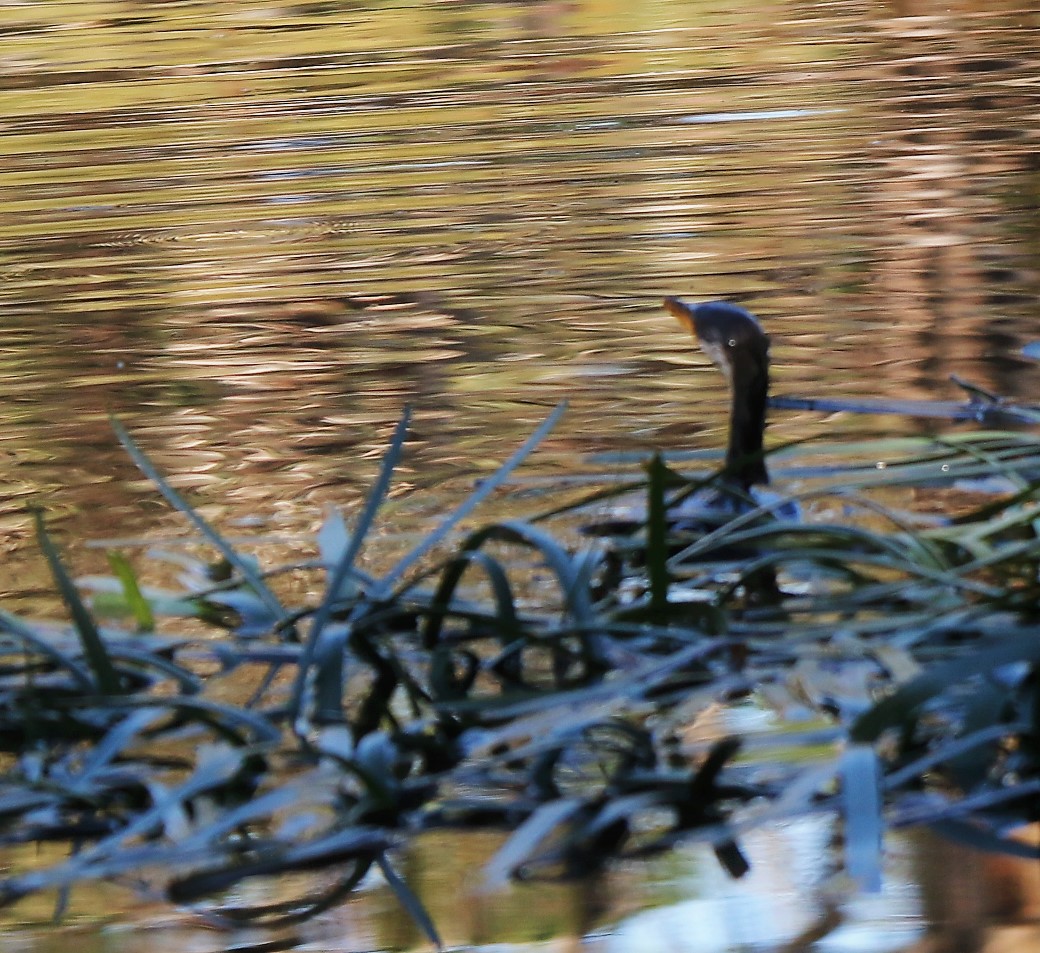
Great Cormorant
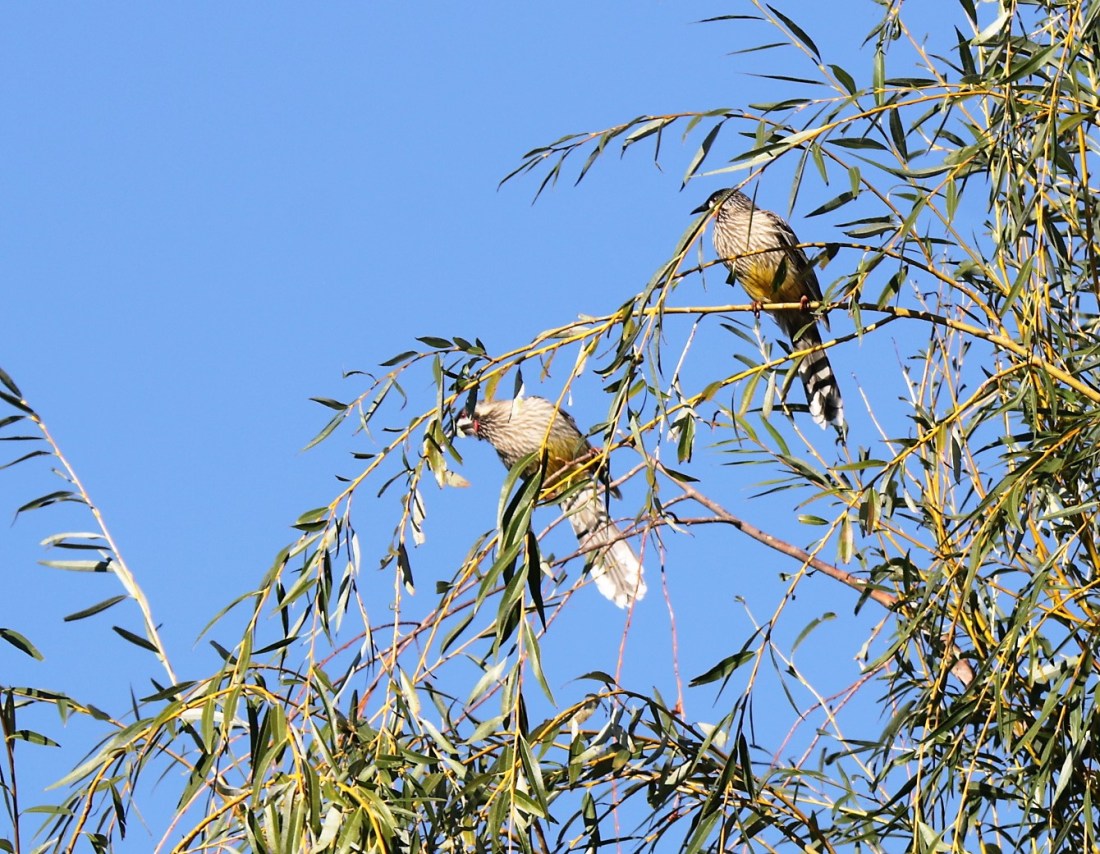
 Red Wattlebird
 Yellow-faced Honeyeater
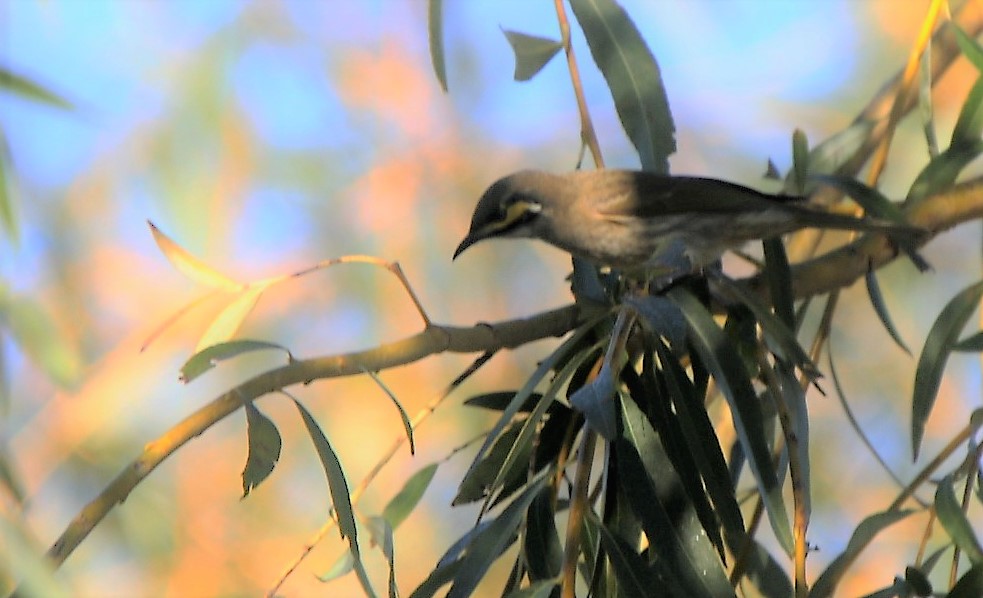 Brown Falcon
 Nankeen Kestrel (juvenile)


The random ducks and geese seemed likely to be e scaped cross breddomestic breeds. Many of the geese looked like they could lay an egg any second. That may explain why they were so unreasonably aggro.


and finally, the Great Egret clearly saw something funny in the whole thing.
On another matter, at Malmsbury one finds the finest keystone arch railway bridge in Australia. The keystone was placed on October 25, 1860 – a date more recognised by the birth in 1930 of a great Australian. It is 152 metres long – the bridge, not the keystone or the famous person; and it is made from locally mined bluestone; and it is clearly still used today.
 Michael Monaghan


Michael Monaghan
In the mid 19th Century, Castlemaine had the biggest low depth gold mine in the world. Gold is integral to the opening up of central Victoria and remains a key tourist attraction. Buildings in the major centres of Ballarat and Bendigo are more spectacular than those in Castlemaine, but it still has many signs of the wealth of the times.
The Theatre Royal opened in 1856. Although the current facade was built in the early 20th Century, the core of the building is as built in the 1860s (the first building burnt down). Setting the tone which led to the early establishment of the Mechanics Institute, the first performance was the world famous (sic) “spider dance” performed by the unlikely name of “Lola Montez”. It claims to be the longest continually running theatre on the Australian mainland.
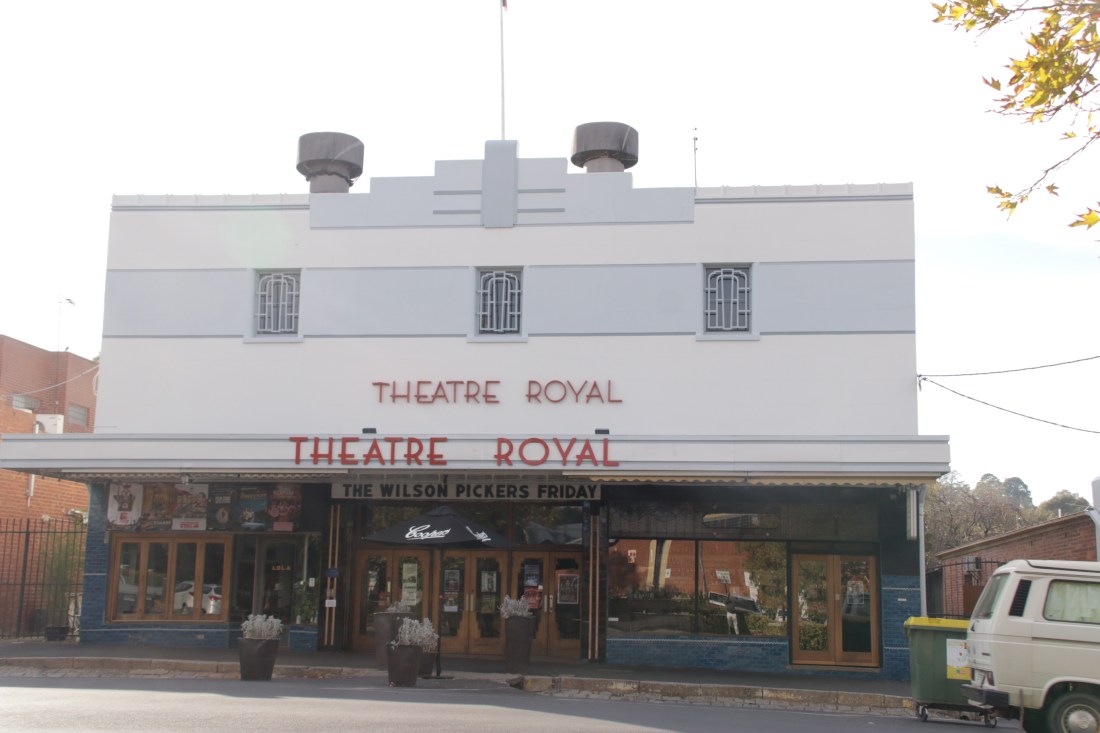
http://www.theatreroyalcastlemaine.com.au/history/
As occurred in many places, the Mechanic’s (yes even mechanics knew about the apostrophe) Institute became the library.
There are many claims to fame. The Castlemaine footy club, established in 1859, is probably the second (or third) oldest football club in Australia. If you must know, Melbourne FC is oldest, closely followed by Geelong. (this is probably because Batman always reckoned Geelong was Melbourne, because that is where he did his thing ie not Melbourne like we learnt at school). This is one of the many wrong things we learnt at school: like Blaxland, Wentworth and Lawson were the first Europeans to cross the Blue Mountains – they didn’t, they just identified a way; and Captain Cook discovered the Australian eastcoast – he was only a Lieutenant – which means they have to re-name the street I grew up in!) I sound like Billy Connolly telling a joke…now where was I?
Oh yes, there are other claims to fame, such as Ronald Dale Barassi being born around here somewhere. I will mention Burke later, but the real meat in the sandwich (sic), is that one Frank McEnroe invented the, no not the sledge, but the chiko roll. How much more famous could you get? (watch Learning Australians on youtube to discover how significant that is – and how hilarious that series is).
There are many grand buildings:


Robert O’Hara Burke is both a famous local, and a right, well, Burke. Better men than me, gunga din, have written of the travails of Burke, Wills, Gray and King. The monument recognises the astonishing bravery of the men, unfortunately not matched by cleverness. For example, whom might we ask about surviving in the middle of nowhere? Is there anyone expert in that?
Even the monument continued the lack of cleverness, with the “crowdfunding” only being provided if the other local, Gray, got a mention.


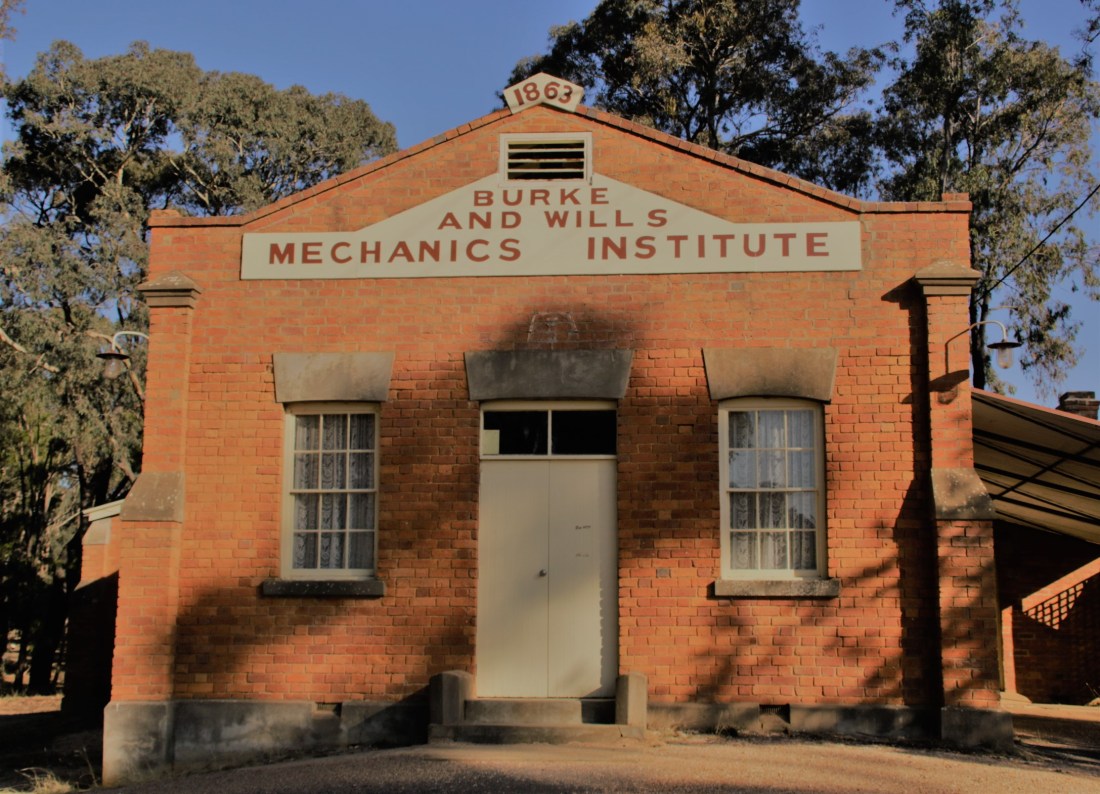
Speaking of Mechanic’s Institutes, this is in Fryerstown, which used to be central to the Forest Creek diggings, now in the middle of the Castlemaine Diggings National Park:
Michael Monaghan
19 April 2018
 Michael Monaghan Photography